
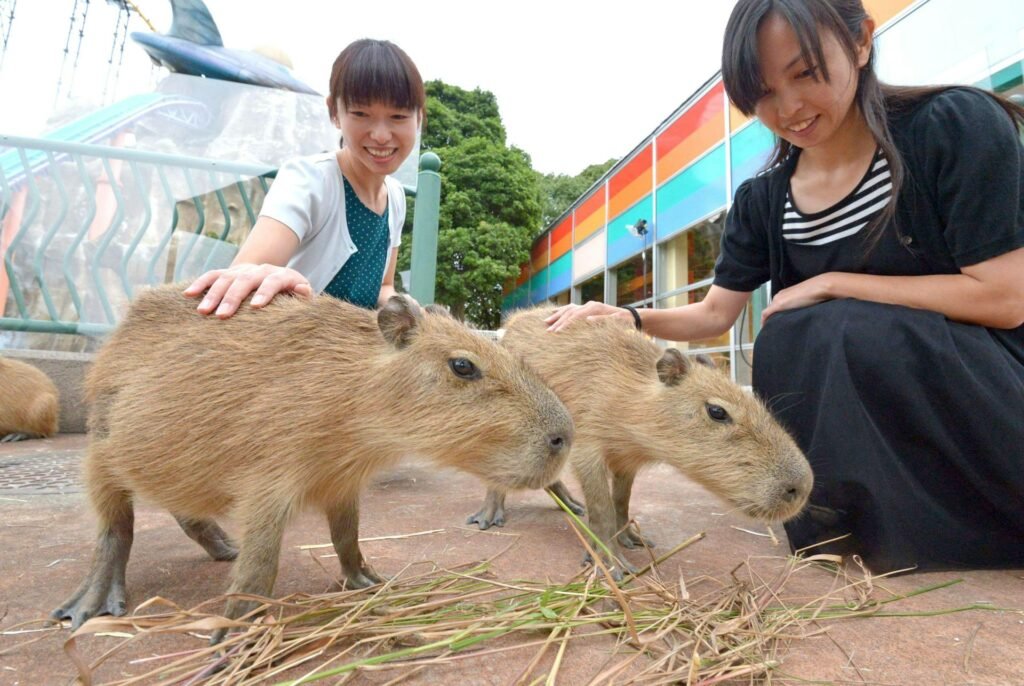
Imagine sipping a latte while stroking an owl or watching an otter play at your feet. This is the promise of exotic animal cafes, a trend that blends coffee culture with wildlife encounters. But behind the Instagram-worthy photos lies a troubling reality – the welfare of the animals themselves.
Since the mid-2000s, animal cafes have increased in popularity with customers paying low-cost entrance fees, ranging from £8 to around £15, depending on the location and animals housed there. The concept seemed to have started with cat cafes but now include owls, meerkats, capybara, snakes and even penguins.
Taiwan, China and Japan seem to be leading the trend. But they are starting to pop up in the UK too, with plans for a capybara cafe in Norfolk announced in 2025. And there are already capybara cafes in Florida, US, that offer a “curated, slow-living experience that lets you connect with animals in a meaningful and memorable wayâ€.
The appeal is obvious: exotic animals are fascinating. However animal rights activists have concerns about the cost to the animals. My colleagues and I recently published research on animal cafes in Japan which reveals they are failing animals on almost every welfare measure.
We visited 79 exotic animal cafes across Tokyo, Osaka, Kyoto and other regions, observing 231 mammal, bird and reptile species. We scored conditions in five areas: environment, nutrition, behaviour, restraint and visitor interactions.