
From a wobbly elephant calf in DC to fluffy penguins in Baltimore, animal lovers are celebrating a wave of adorable new zoo animals. Whether you’re planning a family outing or looking for a serotonin boost, here are some of the cutest new zoo animals near Northern Virginia.
If you’ve ever swooned over teeny tiny turtles, you’ll want to meet the newest terrapin hatchling at the Smithsonian’s National Zoo. Hatched in late August, this is the first time this critically endangered species has successfully been bred at the National Zoo. The small reptile is expected to make its debut in August 2027.
The Smithsonian’s Conservation Biology Institute at Front Royal welcomed a litter of four cheetah cubs this past October. These spotted speedsters may be small now, but they’ll soon be bounding with the energy and grace cheetahs are known for. Although they are in seclusion from both the public and staff, viewers can watch the cubs grow on the Cheetah Cub Cam.
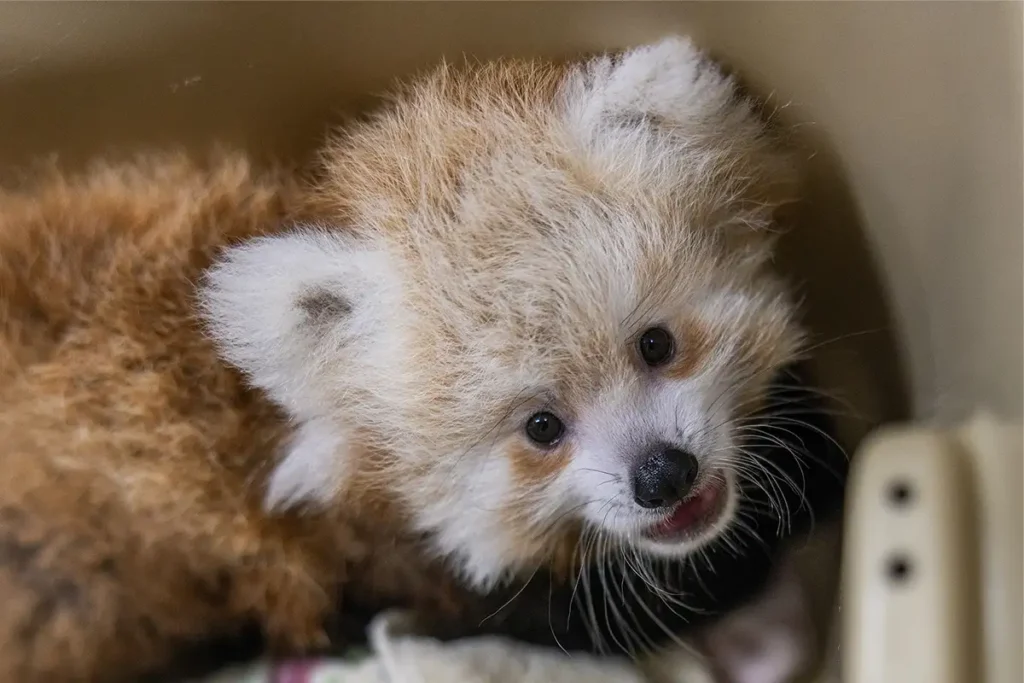
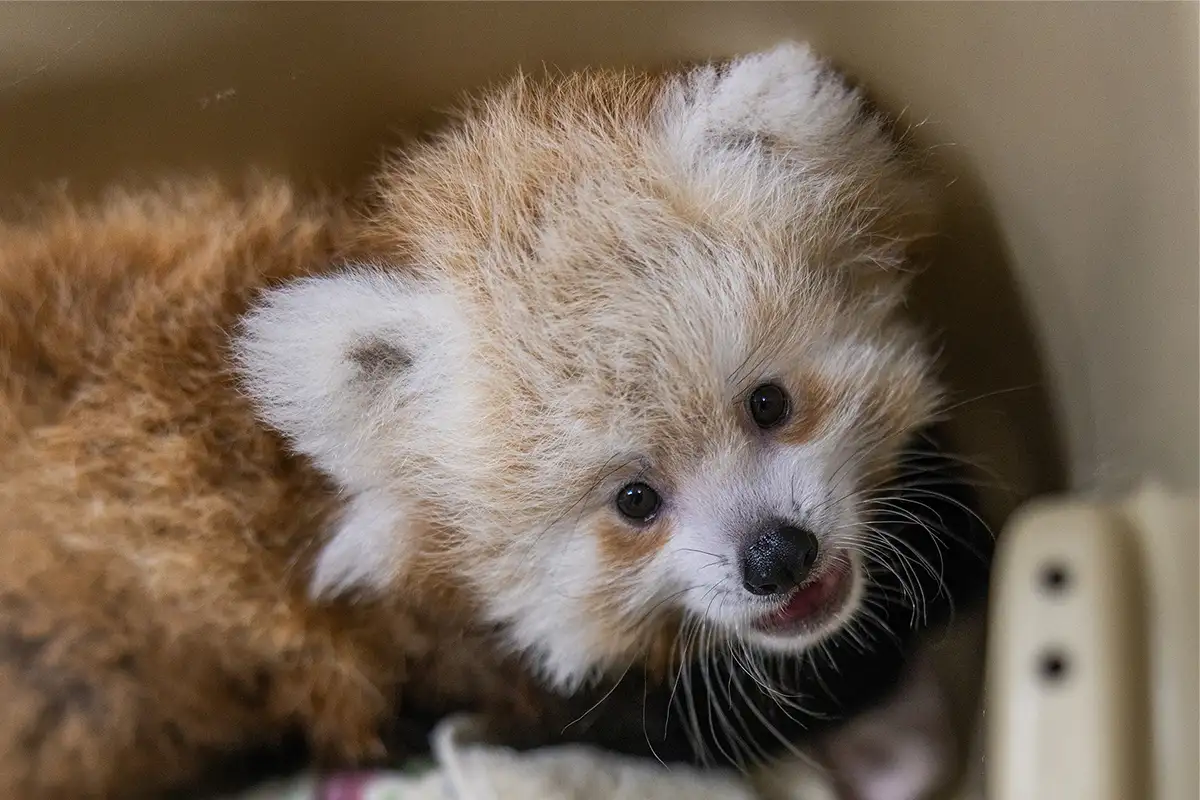
Adorable fluffy and endlessly photogenic, the baby red panda was born at the Smithsonian’s Conservation Biology Institute in June. Red pandas are beloved for their cinnamon-red coats and playful personalities. This youngster is already charming zoo staff with its curious nature. This little one will not be making a public debut.
Head to Smithsonian’s National Zoo to meet the roly-poly, prickly baby lesser tenrecs. Native to Madagascar, these small mammals sport spines like tiny hedgehogs and scurry about with surprising speed. The litter of five was born in July and are the first of their kind born at the National Zoo since 2017. Try to spot the nocturnal babies when they are most active — before 10 a.m. or after 1:30 p.m. — at the Small Mammal House.