
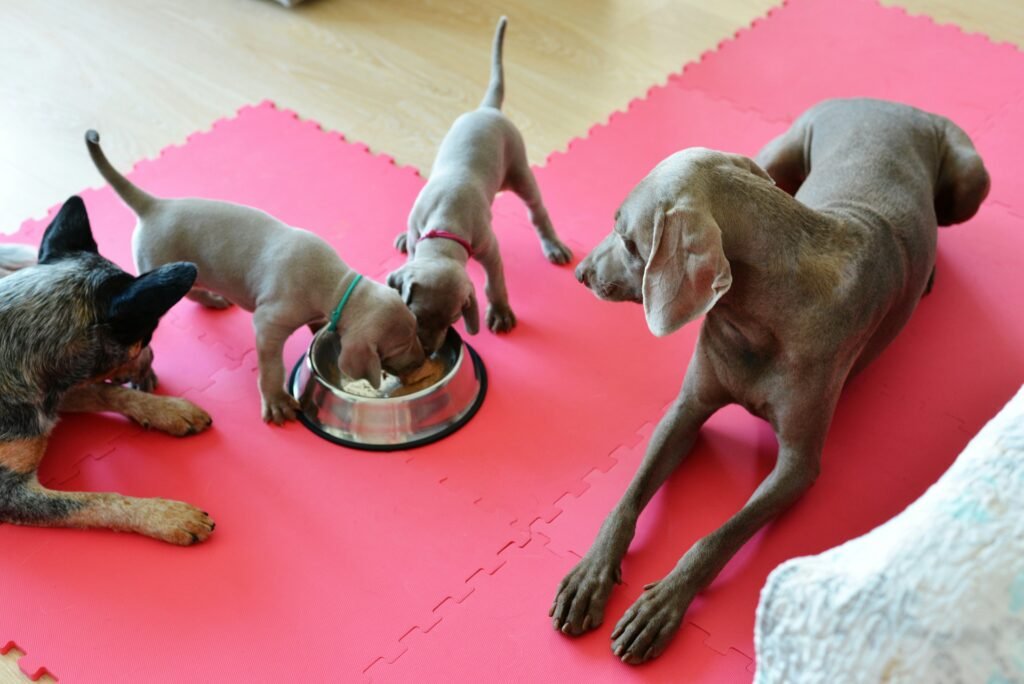
Updating Nutrition and Training at 6-12 Months
Between 6 and 12 months, your puppy transforms from a clumsy youngster into a more confident adolescent. This crucial growth phase calls for adjustments in nutrition, training, and overall care to support their physical and mental development. Updating nutrition and training at 6-12 months ensures your pup stays healthy, happy, and responsive as they transition smoothly toward adulthood.
Whether you’re refining diet plans, boosting training challenges, or enhancing daily routines, this guide offers actionable advice for puppy owners. For a foundational understanding, visit our Start Here page and then explore these next steps in care.
Adjusting Nutrition for Growing Adolescent Puppies
At 6 months, most puppies are nearing the end of their rapid growth stage, but their nutritional needs remain elevated. This is a perfect time to reassess their diet to align with changing energy demands, weight, and activity level. Consult with your veterinarian or a pet nutritionist to transition to a balanced adolescent formula that supports sustained growth without excess calories.
Look for high-quality commercial puppy foods labeled for medium to large breeds or “growth and maintenance.” These formulas typically contain the right balance of protein, fats, vitamins, and minerals to build strong muscles and bones. For smaller breeds, specialized diets are also available to cater to their metabolism and size.
Feeding frequency generally decreases from three or four meals a day to two meals around this age. Establishing consistent meal times helps regulate digestion and behavior. Always provide fresh water and avoid table scraps or too many treats to maintain a healthy weight.
Enhancing Training to Match Your Puppy’s Maturity
Between 6–12 months, puppies become more independent and curious, which can impact training consistency. This is the time to shift from basic obedience to reinforcing commands and introducing new challenges that stimulate your pup’s mind and body.
Focus on solidifying core commands like sit, stay, come, and heel during distractions. Gradually increase duration and difficulty to improve impulse control and focus. Consistent positive reinforcement, using treats and praise, will keep motivation high.
Introducing leash training with new environments helps curb pulling or anxiety during walks. This period is also excellent for socialization—carefully supervised interactions with other dogs and people help prevent fear or aggression later on. Puppy classes or group training sessions provide structured social opportunities and expert guidance.
Supporting Overall Health and Development
Regular veterinary visits remain important during this growth phase to monitor overall health, growth rates, and vaccination schedules. Your veterinarian can also advise on parasite prevention, dental care, and signs of common adolescent behavior issues.
Exercise needs increase as puppies become stronger; a mix of physical activities like games, walks, and gentle hikes promotes healthy muscle development and mental balance. Avoid overly strenuous or repetitive high-impact activities to protect developing joints.
Consider mental enrichment tools such as puzzle feeders, scent games, and training sessions to keep your puppy’s mind active. Boredom can lead to destructive behaviors, so scheduling regular play and learning sessions helps maintain a balanced pup.
Updating Supplies and Environment
As your puppy grows, it’s wise to evaluate and update their supplies. This may include switching to a larger crate or bed, upgrading collars and harnesses, and rotating toys to provide appropriate stimulation.
Ensure your home and yard remain puppy-proofed, removing hazards as your adolescent puppy’s curiosity and agility increase. A safe, comfortable environment supports stress-free development.
Having the right tools at hand — such as training clickers, long lines for recall practice, and chew-resistant toys — will support your training goals and contribute to a happier, well-adjusted dog.
Conclusion
Updating nutrition and training at 6-12 months is essential to nurture a healthy, well-mannered canine companion. By adjusting diet, enhancing training techniques, ensuring appropriate exercise, and providing mental stimulation, your adolescent puppy will flourish and transition confidently into adulthood.
For a comprehensive resource on all things puppy care, don’t forget to visit our Start Here page. With consistent care and attention during this dynamic growth period, you’re setting your puppy up for a lifetime of wellness and happiness.
FAQ
When should I switch my puppy’s food from puppy to adult formula?
Most dogs begin transitioning to adult food between 9 and 12 months, depending on their breed size. Large breeds may benefit from a slower transition, often closer to 12 months, to protect joint health. Always consult your vet for personalized advice.
How long should training sessions last for puppies this age?
Training sessions at 6-12 months should be kept short and engaging, typically 10-15 minutes, two to three times daily. This keeps your puppy focused without causing frustration or burnout.
What signs indicate my puppy needs more mental enrichment?
If your puppy exhibits destructive chewing, excessive barking, or restlessness, these may indicate boredom or pent-up energy. Increasing interactive toys, training sessions, and playtime can help reduce these behaviors.
Is it normal for puppies to test boundaries at this age?
Yes, adolescent puppies often test limits as they develop independence. Consistency, patience, and positive reinforcement will help guide them toward reliable, respectful behavior.