
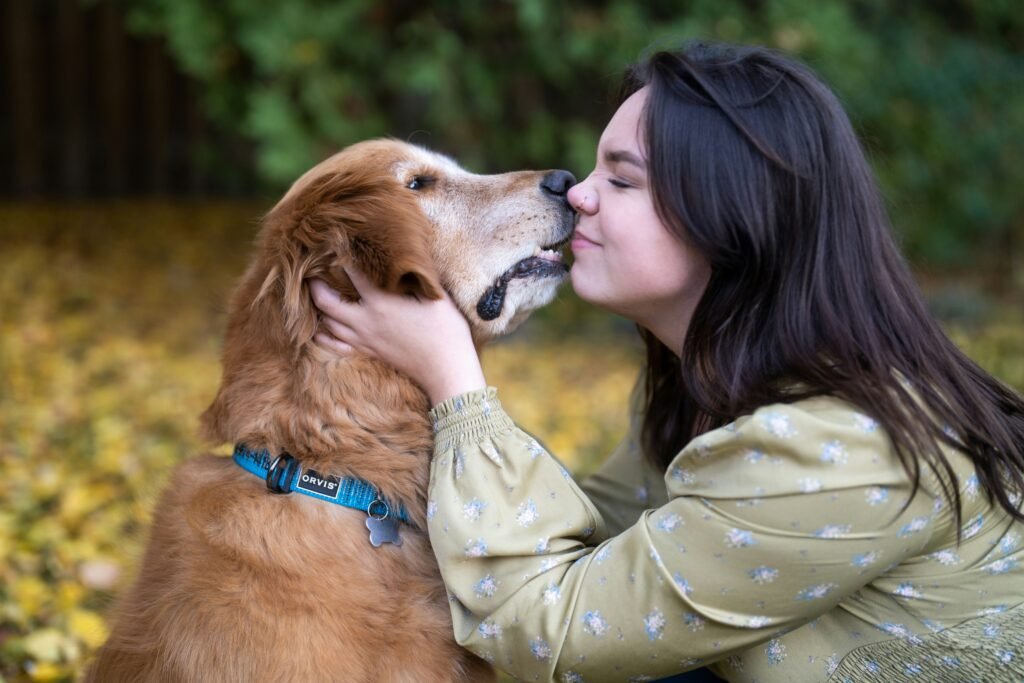
Transitioning to Adult Dog Care
Recognizing When Your Puppy Is Ready for Adult Care
Understanding when to shift from puppy care routines to adult dog care is key. Generally, most dogs transition to adulthood between 12 to 18 months of age, depending on their breed and size. Smaller breeds tend to mature faster, while large and giant breeds can take up to two years.
Signs that your puppy is ready for adult care include reaching near their full size, changing energy levels, and completed vaccination schedules. Your veterinarian is a valuable resource to confirm the appropriate timing for your individual dog.
Adjusting Nutrition for Adult Dogs
One of the most critical changes when transitioning to adult care is switching your dog’s diet. Puppy food is formulated for rapid growth and development and often contains higher levels of calories, protein, and fat. As your dog matures, shifting to adult dog food supports healthy maintenance and weight management.
Look for high-quality adult dog food that suits your dog’s size, breed, and activity level. Gradually transition over 7 to 10 days by mixing increasing amounts of adult food with puppy food to avoid digestive upset. Consistent feeding times and portion control also help maintain a healthy weight as metabolism stabilizes.
Training and Behavior: Building on Early Foundations
The transition period is an excellent time to reinforce your adult dog’s training and social skills. While your puppy may have mastered basic commands, adult dog care involves maintaining good behavior and adapting to any changing energy or behavioral needs.
Continue positive reinforcement methods and consider enrolling your dog in advanced obedience or agility classes to keep them mentally and physically stimulated. Regular, consistent exercise tailored to your adult dog’s endurance helps prevent destructive behaviors and strengthens your bond.
Health and Wellness Essentials for Adult Dogs
Adult dog care requires routine health checkups and adjustments in preventive care. Schedule annual veterinary visits for wellness exams, dental checks, and to update vaccinations or parasite preventatives. Maintaining a grooming routine, including brushing, nail trimming, and bathing, helps keep your dog comfortable and healthy.
Pay close attention to your dog’s weight and activity levels as they age. While adult dogs are generally less hyperactive than puppies, they still need regular exercise and mental stimulation. Identifying any early signs of joint stiffness or behavioral changes can help you address issues promptly with your vet.
Essential Supplies for Your Adult Dog
As your dog grows, so should their supplies. Adult dogs require appropriately sized collars, harnesses, and beds to ensure comfort. Durable toys that suit their chewing strength and play style will keep them engaged and happy.
Consider investing in a quality dog crate that fits your adult dog’s size for secure travel and nighttime rest. Feeding bowls should also match their size to promote proper eating posture and accessibility. Regularly assessing and updating your dog’s gear helps maintain their safety and well-being.
Transitioning to adult dog care is a natural progression that requires thoughtful adjustments to meet your dog’s evolving needs. By paying attention to diet, training, health, and supplies, you build a strong foundation for many joyful years together. To get started on this journey and learn more about caring for your puppy at every stage, visit our comprehensive Start Here guide.
Frequently Asked Questions about Transitioning to Adult Dog Care
When should I switch my puppy to adult dog food?
Most dogs should switch to adult food between 12 and 18 months of age, depending on their breed. Consult your veterinarian for recommendations specific to your dog’s growth and health.
How can I keep my adult dog mentally stimulated?
Consistent training, interactive toys, puzzle feeders, and new activities like agility or scent work are excellent ways to engage your adult dog’s mind and prevent boredom.
What exercise is appropriate for an adult dog compared to a puppy?
Adult dogs generally require consistent daily exercise tailored to their energy levels, ranging from walks to playtime. Unlike puppies, they benefit from longer, steadier activities rather than short bursts of high-energy play.
How often should I take my adult dog to the vet?
Annual veterinary checkups are recommended for adult dogs to monitor health, update vaccinations, and prevent disease. Your vet may suggest more frequent visits depending on your dog’s individual needs.