Treat Storage Tips for Quick Refills
If you’ve ever been halfway through a training session only to realize your treat stash has vanished into thin air, you know the frustration that comes with poor treat storage. Treat Storage Tips for Quick Refills isn’t just a catchy title—it’s a lifesaver. Because here’s the thing: when you have the right setup, the flow of treats never stops, your puppy stays motivated, and your training sessions stay on point. Miss this detail and suddenly, everything drags. I know the feeling; I’ve lived it. This is the kind of simple fix that makes a real difference, especially when every second counts.
Why Does Treat Storage Matter for Puppy Training?
Treat storage matters because having treats easily accessible and properly preserved saves time and keeps your puppy engaged. If treats are stored haphazardly, they get stale, spill, or worse, you run out mid-training without noticing. That little interruption can break your puppy’s focus or even undo progress. Plus, treating isn’t just about feeding; it’s about rhythm and timing. Efficient treat storage supports that rhythm by making refills quick and stress-free.
How Can I Store Puppy Treats for Quick Access and Freshness?
Use clear, airtight containers stored within arm’s reach of your training spots. Keep smaller portions ready in grab-and-go treat bags or pouches that fit easily in your pocket or training apron. That way, you don’t waste seconds digging for treats during the critical moments. And don’t just toss all your treats in one big bag; portion them out based on training type and duration. This method keeps everything fresh and easy to swap as needed.
Practical Tips for Organizing Puppy Treats Without the Mess
One of the biggest headaches? Treats everywhere, crumbled on the floor or buried under piles of toys. Here’s what surprised me: a simple dedicated shelf or drawer system can change everything. When you integrate treat storage neatly with your puppy supplies—including your Puppy Toys collection—you reduce clutter and speed up your entire routine.
Keep different types of treats in labeled containers. Reserve small, squeeze-top jars or divided boxes for quick grabs during training. Set these up in spots where your puppy spends most time, like the living room or near the crate. Organizing your puppy supplies this way doesn’t just make the treats easy to find; it creates an efficient environment that evolves as your puppy grows and training gets more complex.
Integrating Treat Storage with Toy Rotation and Food Storage
Here’s where things quietly go wrong: many owners focus only on treats, ignoring how toy rotation and food storage impact training flow. If toys are scattered and kibble is buried in the pantry, you waste energy and time. When you systematize your entire supply setup—treats, toys, and food—you cut down on wasted steps and distractions.
Rotate puppy toys regularly to keep engagement high, and keep treat containers next to the toy storage so switching between play and training flows naturally. Organize food storage in airtight containers nearby, so meal and treat preparation becomes streamlined. All these systems working together make your puppy’s environment lean, tidy, and focused.
Choosing Storage Solutions That Grow with Your Puppy
Most people miss this completely: your storage needs will change as your puppy transitions from tiny, training-focused sessions to more advanced routines. Early on, small snack pouches and portable containers are king. But as your puppy’s appetite and training level grow, so should your storage systems. Modular storage, stackable bins, and adjustable shelves adapt with you.
This makes a bigger difference than you expect because a flexible setup saves you from redoing your entire organizational method every few months. PuppyStorage.com’s approach emphasizes these evolving needs so you don’t have to reinvent the wheel. Instead, your peanut butter treat stash, training pouches, and chews all find their spot, right where you need them.
Frequently Asked Questions
How do I keep puppy treats from going stale?
An airtight container stored in a cool, dark place works best. Avoid the kitchen counter near heat or sunlight, and if you buy treats in bulk, portion them into smaller containers so the main batch isn’t exposed to air repeatedly.
What’s the best way to carry treats during walks?
Use treat pouches with easy access, like belt clip bags or small zippered pouches in your pocket. The goal is to grab a treat quickly without fumbling or slowing down your pace.
How can I avoid clutter with all the puppy stuff I have to manage?
Dedicated storage zones make a huge difference. Choose one drawer or shelf for treats and keep toys in bins nearby. Regularly declutter by removing old or unused items—this keeps your space functional and tidy.
Can I store homemade puppy treats the same way as store-bought?
Homemade treats usually lack preservatives, so store them in the fridge or freezer for longer freshness. Use small airtight containers or bags to make quick refilling during training easier.
What if my puppy is a messy eater? Will treat storage still help?
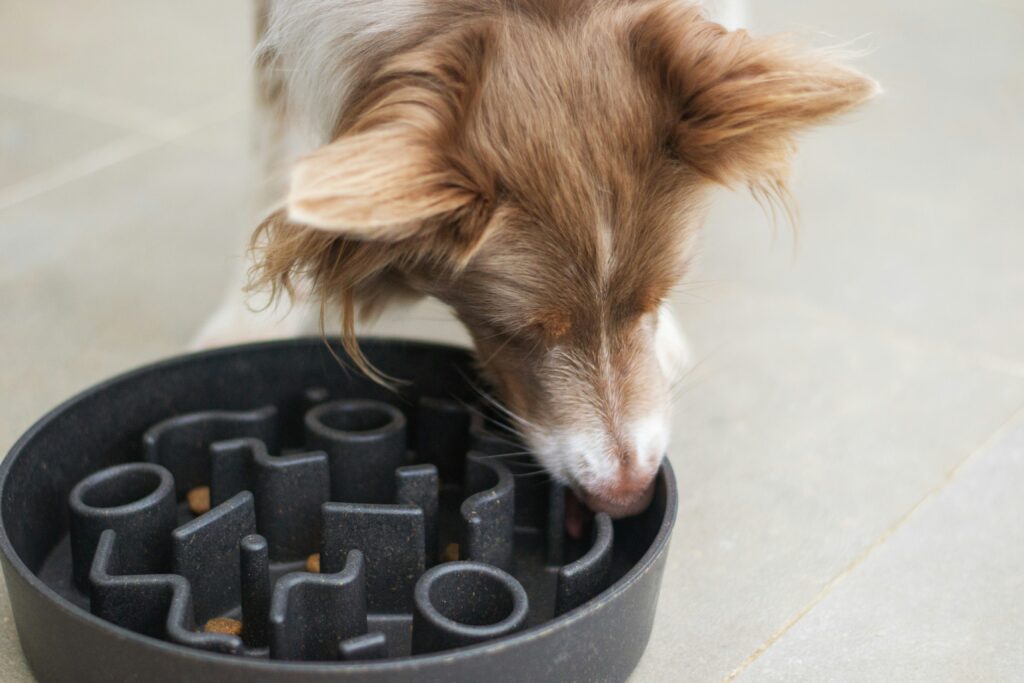
Yes—containment is key. Use treat balls or slow feeders to reduce mess, then keep fresh treats separately in containers that close tightly. This keeps everything neat and reduces waste.
How often should I rotate toys and treats to keep my puppy interested?
Rotate toys every 1–2 weeks based on your puppy’s interest, and switch up treat types within training sessions. Variety drives motivation and keeps things exciting.
Is it worth investing in specialized storage containers for training supplies?
Absolutely. The right containers make a real difference in managing space efficiently and keeping everything at your fingertips, which keeps training seamless and stress-free.
Tracking your puppy’s growth, supply needs, and daily routine shows that treat storage isn’t just a box on your shelf; it’s part of a whole system designed to support success. Remember, the small details—the right container, the perfect spot, a quick grab pouch—are what keep you and your puppy in sync without the frustration.
It’s one thing to have treats. It’s another to have treat storage that works as hard as you do. This makes training flow naturally, frees you from scrambling, and helps your puppy focus on what matters—learning, playing, and growing strong. Take these tips to heart and watch how a simple change brings calm and control back to your training sessions.