
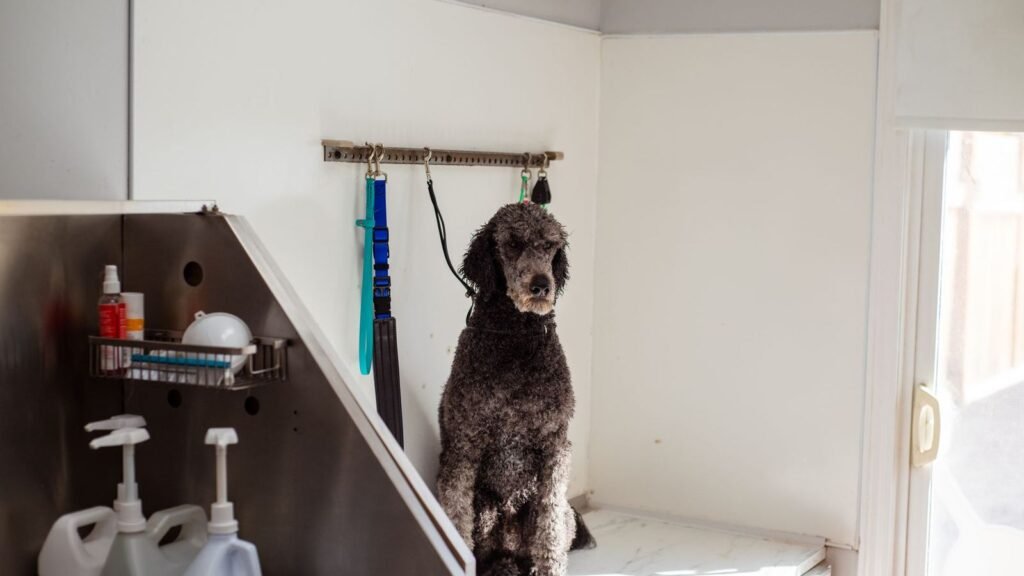
Bringing a new puppy into your home can be an exciting adventure filled with playful moments and adorable antics. Yet, amidst the joy, new puppy owners often find themselves facing the challenge of maintaining an organized space. One common hurdle is figuring out how to organize puppy grooming tools efficiently. A clutter-free grooming area ensures that you can easily access what you need, keeping your puppy looking and feeling great without the added stress of searching for misplaced items.
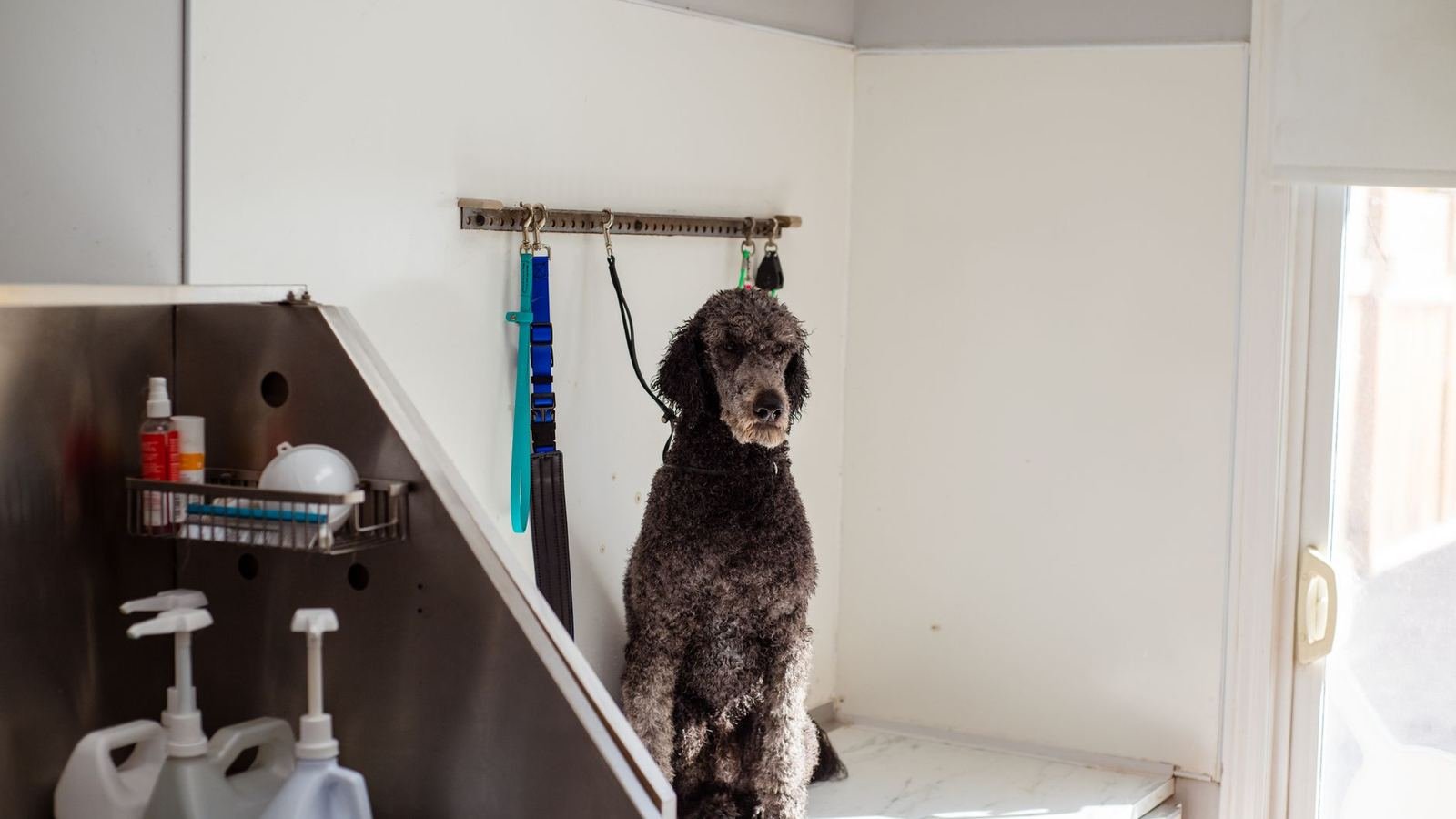
Imagine this: you’re getting ready for a grooming session with your puppy, but you can’t find the brush or the nail clippers. It’s a common scenario that many new puppy owners encounter. The key to avoiding such frustration is setting up a designated grooming area that caters to both convenience and cleanliness. Having a specific spot for your grooming supplies not only saves time but also helps maintain a tidy environment.
A practical first step is to assess your grooming needs based on your puppy’s breed and coat type. This will guide you in gathering the essential tools required, like brushes, combs, nail clippers, and shampoos. Once you have everything, consider using a simple storage solution like a caddy or a basket. These can be easily moved to where you groom your puppy and returned to their place afterwards. This approach ensures that all your tools are within reach and neatly organized.
Designating a small shelf or cabinet in your laundry room or bathroom can also be a game-changer. By organizing tools by frequency of use, such as keeping brushes and detanglers at the front, you can streamline your grooming routine even further. Regularly maintaining and cleaning your grooming supplies is useful when it solves your main constraint too. This not only prolongs the life of your tools but also ensures your puppy’s safety and health during grooming sessions.
Choose the Right Storage Solutions
Organizing your puppy’s grooming tools efficiently begins with selecting the right storage solutions. Start by assessing the space you have available. If you’re working with a small apartment, consider vertical storage options, such as wall-mounted racks or shelves. These can keep brushes, combs, and other tools within easy reach without taking up precious floor space.
For medium to large homes, a dedicated grooming station might be practical. This can be as simple as a small cabinet or cart on wheels that you can move to wherever you groom your puppy. Look for options with multiple compartments to keep each type of tool separated and easy to find. A drawer or basket for towels and shampoos ensures everything you need is in one place, minimizing the time spent searching for supplies.
- Wall-mounted organizers: Ideal for small spaces, these can hold brushes, scissors, and combs neatly on a single board.
- Rolling carts: Perfect for homes with more space, they can transport all your grooming essentials easily from room to room.
- Drawer dividers: Use these in a cabinet to separate different grooming items, keeping everything organized and accessible.
When choosing storage solutions, avoid overly complicated systems that require frequent upkeep. Simplicity is key to maintaining an organized space. Opt for solutions that are easy to clean and maintain, as grooming supplies can quickly become messy. Clear containers are helpful as they allow you to see the contents at a glance, ensuring you know when you’re running low on certain items.
It’s also important to adjust your storage solutions as your puppy grows and your grooming needs change. For example, a growing puppy might require larger brushes or different shampoos. Regularly revisiting and reorganizing your storage setup will help you stay on top of these changes and keep grooming stress-free.
By choosing the right storage solutions and maintaining a simple, organized system, you’ll make grooming a more pleasant experience for both you and your puppy, allowing for quick and easy access to all your tools whenever you need them.
Organize Tools by Frequency of Use
Organizing your puppy’s grooming tools by frequency of use can simplify your routine, making it easier to keep your puppy looking its best. Here’s how you can achieve an efficient setup:
- Step 1: Identify Daily Tools
Begin by identifying grooming tools you use daily, such as brushes or combs. These items should be easily accessible to streamline your routine. Place them in a basket or container near your puppy’s designated grooming area. Done looks like: Daily tools are within arm’s reach, reducing grooming time.
One pitfall to avoid: Don’t clutter this space with unnecessary items, as it will defeat the purpose of quick access.
- Step 2: Separate Weekly Tools
Next, determine which grooming items are used weekly, such as nail clippers or ear cleaning solutions. Store these in a slightly less accessible spot, like a cabinet above or below your grooming station. Timing: Organize during your weekly cleaning routine to maintain order. Done looks like: Weekly tools are organized in a dedicated space, not mixed with daily items.
Pitfall: Avoid placing these tools too far away, as you might forget to use them regularly.
- Step 3: Store Monthly Tools Separately
Items used monthly, such as deep cleaning shampoos or fur trimmers, should be stored in a separate container. Label this container clearly and place it in a storage area that’s still accessible, like a closet shelf. Done looks like: Monthly tools are stored neatly, with labels ensuring you can find them when needed.
Pitfall: Don’t bury these tools under other household items, as this can lead to forgetting necessary grooming tasks.
- Step 4: Implement a Rotation System
To facilitate easy access and recall, rotate grooming tools based on upcoming tasks. For example, move monthly items to a more prominent position as their use date approaches. Done looks like: A smooth transition of tools to the forefront based on use schedule.
Pitfall: Failing to rotate can result in overlooking important grooming duties.
- Step 5: Use Visual Cues
Add color-coded tags or labels to your storage containers to quickly identify daily, weekly, and monthly tools. This visual system helps reinforce your organization strategy. Done looks like: Tools are easily identifiable at a glance, minimizing confusion.
Pitfall: Overcomplicating labels can lead to misplacement; keep them simple and clear.
- Step 6: Conduct Regular Audits
Every few months, review your grooming tool organization. Check for tools that are no longer needed or items that require replacement. Done looks like: A decluttered setup with only necessary and functional tools.
Pitfall: Ignoring this step can lead to clutter and inefficiency over time.
By organizing your puppy’s grooming tools based on how often you use them, you can ensure a tidy and efficient grooming process. This approach helps maintain a clean environment and makes it easier to keep your puppy looking its best. Always revisit your setup to ensure it meets your evolving needs as your puppy grows.
Common mistakes to avoid
Organizing puppy grooming tools may seem straightforward, but it’s easy for new puppy owners to make a few common mistakes. Addressing these pitfalls can greatly improve cleanliness and ease of access for your grooming supplies.
- Overlooking the Importance of Designated Storage: Many new owners simply leave grooming tools scattered around the house, leading to clutter and misplaced items. This approach makes it difficult to find the tools when needed, especially during a quick grooming session. Better move: Designate a specific spot for all grooming tools. Use a basket or a small cabinet in your chosen grooming area. This keeps everything organized and easy to locate, ensuring a stress-free grooming routine.
- Not Sorting Tools by Frequency of Use: It’s tempting to stack grooming supplies haphazardly, but this often results in unnecessary rummaging. Frequently used items like brushes and nail clippers can get buried under less-used tools. Better move: Sort tools by how often you use them. Keep daily or weekly essentials in a top drawer or on the countertop, while storing rarely used items in a bin or on a higher shelf. This organization maximizes efficiency and minimizes frustration.
- Ignoring Regular Cleaning of Tools: Failing to clean grooming tools can lead to dirt build-up and, in some cases, even cause skin irritation for your puppy. This oversight can also result in the need for premature tool replacement. Better move: Incorporate a cleaning routine. After each use, wipe down tools with a damp cloth and sanitize them weekly with pet-safe solutions. This practice extends the life of your tools and maintains a safe grooming environment for your puppy.
- Choosing Inadequate Storage Solutions: Using storage solutions that don’t fit your space or tools can lead to disorganized chaos. For example, a small box may not accommodate all your grooming supplies, causing overflow and mess. Better move: Select storage solutions that match the size and volume of your tools and the available space you have. Wall-mounted organizers or multi-compartment bins can be excellent options for maximizing space and keeping everything tidy.
- Neglecting to Create a Dedicated Grooming Area: Grooming your puppy in random spots around the home can lead to misplaced tools and a disorganized routine. Better move: Set up a dedicated grooming area, whether it’s a corner in the bathroom or a section of a laundry room. This helps establish a consistent routine and keeps all your grooming essentials in one convenient location.
By avoiding these common mistakes, you’ll create a more efficient and organized grooming routine, making it easier to keep your puppy looking and feeling their best.
Maintain and Clean Your Grooming Supplies
Keeping your puppy’s grooming tools clean and well-maintained is essential for both hygiene and efficiency. Regular maintenance ensures that the tools stay in good condition, extending their lifespan and making grooming sessions smoother. Here’s how you can effectively maintain and clean your grooming supplies:
- Regular Cleaning: After each grooming session, take a few minutes to clean your tools. Brushes, for example, can be easily cleaned by removing trapped hair with a comb and washing them in warm, soapy water. Rinse thoroughly and let them air dry.
- Sanitizing: Periodically, it’s important to sanitize your tools to prevent the spread of bacteria. Use a pet-safe disinfectant spray or a mixture of water and vinegar to wipe down tools like clippers and scissors. Let them dry completely before storing.
- Inspect for Wear and Tear: Regularly check your tools for signs of wear. If you notice rust on metal parts or dull blades, consider replacing them. Sharp tools not only work better but are also safer for your puppy.
- Organized Storage: Store your clean tools in a designated area to keep them easily accessible. Use a storage caddy or a wall-mounted organizer to keep everything in its place. This not only saves time but also ensures that you can quickly find what you need when it’s time to groom your puppy.
- Label and Rotate: If you have multiple tools for different grooming needs, label them accordingly. Rotating tools based on their use can help in maintaining their condition and ensures that you are using the right tool for the right purpose.
By implementing these maintenance steps, you’ll keep your grooming tools in top shape and make the grooming process more pleasant for both you and your puppy. Remember, a well-organized and clean grooming kit is not only practical but also contributes to the overall well-being of your furry friend.