
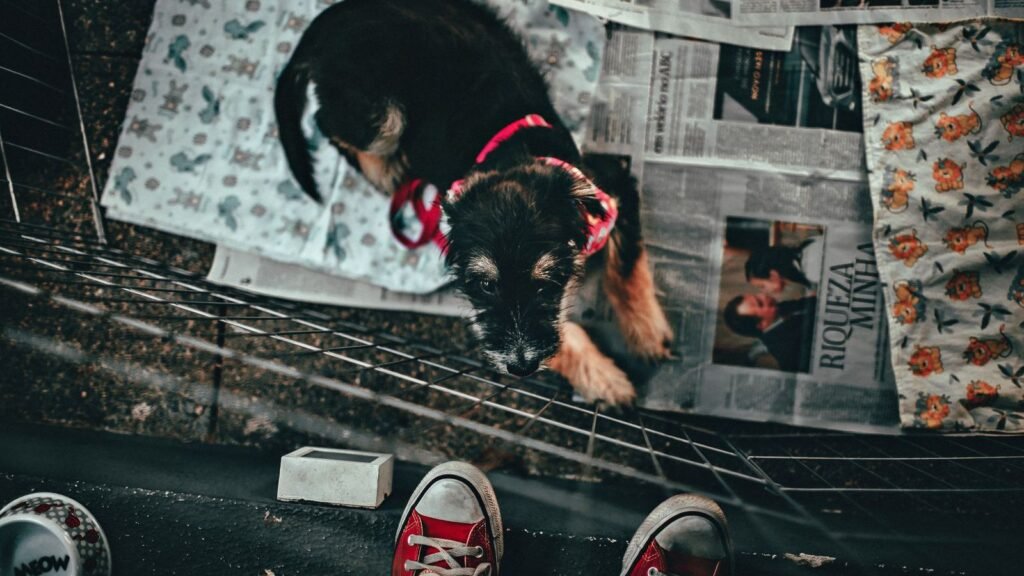
Imagine arriving home with your new puppy, and as excitement fills the air, so does the clutter of toys, leashes, and food bowls. In a large home, it might seem like you have ample space, but without a clear plan, puppy gear can quickly become scattered and hard to find. The best puppy storage options for large homes can help you tackle this challenge, ensuring everything has its place while making it easy to grab what you need when you need it. Whether it’s organizing their grooming supplies or finding a spot for their ever-growing collection of toys, having a strategy can make life with your furry friend much more manageable.
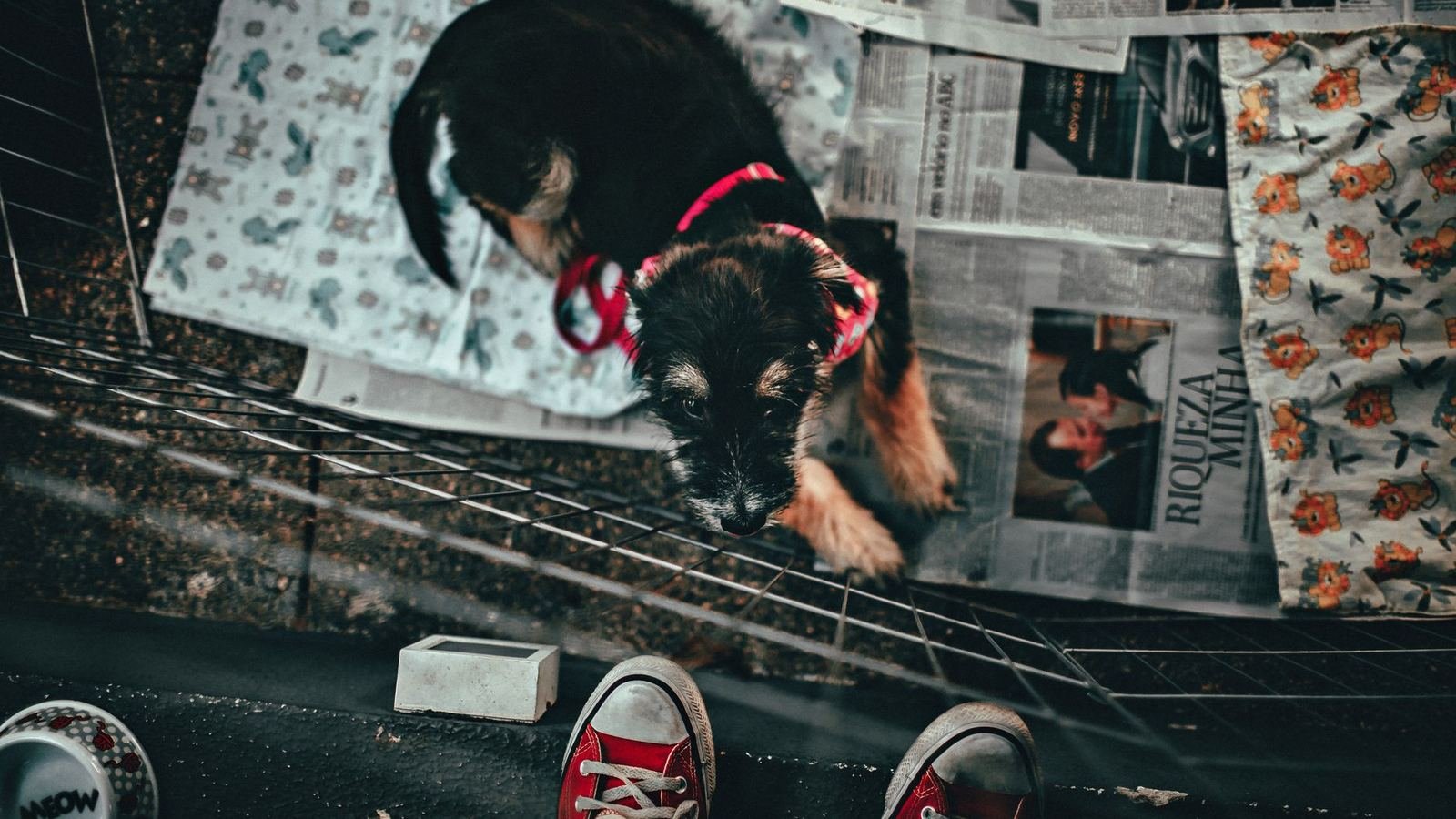
New puppy owners often find themselves overwhelmed by the sheer volume of supplies needed to care for their new companion. From crates and bedding to food and cleaning supplies, each item requires a designated spot to prevent chaos. A large home provides more space, but it also presents the challenge of keeping everything accessible and organized. The key is to identify storage solutions that cater to your specific needs and the layout of your space. This way, you can maintain a tidy environment while ensuring that all your puppy’s essentials are within arm’s reach.
A practical tip to start with is to designate specific areas for different types of items. For example, create a puppy zone in your mudroom or laundry room where you can store leashes, towels, and grooming tools. Use shelves or cabinets to keep these items neatly organized and off the floor. This not only helps in keeping your home clutter-free but also makes it easier to find what you need quickly, whether you’re heading out for a walk or cleaning up after your playful pup. By implementing these storage techniques, you can enjoy a tidy and well-organized home, making life with your new puppy both joyful and stress-free.
Choosing the Right Storage Solutions: Bins, Shelves, and Cabinets
Organizing puppy supplies in a large home can seem daunting, but with a strategic approach, it becomes manageable and efficient. Start by identifying the specific storage needs for your puppy gear. Consider the types of items you need to store, such as toys, grooming tools, leashes, and food supplies. Understanding your requirements will help you choose the right storage solutions.
One effective approach is to utilize a combination of bins, shelves, and cabinets to create a versatile storage system. Bins are excellent for grouping similar items together, making it easy to find what you need. Opt for transparent bins so you can quickly see the contents without having to open each one. For toys, a large bin in your puppy’s play area ensures quick clean-ups and keeps the space tidy.
Shelves can be a great addition to store items that you need to access frequently. Consider installing shelves in a laundry room or garage where you can neatly arrange grooming supplies or bulk food. Adjustable shelves allow you to modify the space as your puppy grows and your storage needs change. This adaptability helps maintain an organized environment.
Cabinets are ideal for items you want to keep out of sight, such as cleaning supplies or extra food bags. Choose cabinets with secure doors to ensure that curious puppies cannot access the contents. Placing a cabinet in a utility room or a mudroom can centralize your puppy supplies, making daily routines more efficient.
What to avoid: Avoid overloading any single storage solution; this can lead to clutter and make it difficult to find items quickly. Also, steer clear of storing items in high or hard-to-reach places, as this can complicate access and increase the risk of accidents.
As your puppy grows, periodically reassess your storage setup. Adjust bins, shelves, and cabinets to accommodate new supplies and ensure that everything remains practical and within reach. By adapting your storage solutions, you’ll maintain a tidy home that’s stress-free and welcoming for both you and your furry friend.
Routine Maintenance: Keeping Your Storage Organized
Maintaining an organized system for puppy supplies in a large home requires a consistent routine. By following a structured approach, you can ensure that your puppy’s gear remains accessible, reducing clutter and stress. Below is a step-by-step guide to help you achieve lasting organization:
- Regularly Declutter: Set aside time every month to go through your puppy’s supplies. Remove items that are no longer used or needed, such as outgrown toys or old leashes. This step helps keep storage areas from becoming overcrowded, making it easier to find what you need.
Timing: Dedicate an hour each month.
Order of operations: Start with toys, then move to grooming tools and cleaning supplies.
Pitfall: Avoid being too sentimental about keeping every toy; prioritize functional items. - Maintain a Cleaning Schedule: Regularly clean storage areas to prevent dirt and odors from accumulating. This is especially important for food storage containers and areas where pet supplies are frequently accessed.
Timing: Every two weeks.
Order of operations: Wipe down surfaces, organize items back into their designated spots.
Pitfall: Forgetting to dry surfaces, which can lead to mold or mildew. - Label Storage Solutions: Use clear labeling on bins and shelves to quickly identify where each type of item belongs. This step makes it easier to return items to their proper place after use, maintaining order.
Timing: Initial setup, with updates as needed.
Order of operations: Create labels for categories like toys, food, grooming, and cleaning.
Pitfall: Over-categorizing; keep it simple to avoid confusion. - Adjust for Seasonal Changes: As seasons change, so do your puppy’s needs. In summer, you might need more cooling mats, while winter calls for extra blankets. Rotate and store seasonal items appropriately to keep the current gear accessible.
Timing: At the start of each season.
Order of operations: Swap out seasonal items, store off-season supplies in less accessible areas.
Pitfall: Not accounting for all seasonal items, leading to a cluttered space. - Involve the Family: If you have family members, get them involved in maintaining the organization system. Assign specific responsibilities to ensure everyone’s on the same page.
Timing: Weekly check-ins.
Order of operations: Discuss tasks in a family meeting, distribute duties equally.
Pitfall: Lack of communication can lead to duplicated efforts or neglected areas. - Monitor Supply Levels: Keep an inventory of essential items like food, treats, and cleaning supplies. This prevents overstocking or running out of necessary items, thus maintaining a balanced storage.
Timing: Weekly or bi-weekly.
Order of operations: Review supplies, update inventory list, and plan for restocking.
Pitfall: Ignoring expiry dates can lead to waste. - Evaluate and Reorganize: Every few months, assess the effectiveness of your storage solutions. As your puppy grows, their needs may change, requiring adjustments to your organization system.
Timing: Quarterly.
Order of operations: Evaluate current setup, make necessary changes, and document effective strategies.
Pitfall: Resistance to change can hinder optimal organization.
By following these steps, you can maintain a clutter-free environment in your large home, ensuring that puppy supplies are always in order and easy to access. This routine not only streamlines daily activities but also creates a harmonious living space for both you and your puppy.
Creating a Designated Puppy Zone: Benefits and Setup
Setting up a designated puppy zone in your large home can significantly streamline the management of your puppy’s supplies and activities. However, new owners often make some common mistakes when creating this space. By avoiding these pitfalls, you can ensure your puppy zone is both functional and efficient.
- Underestimating the space needed: Many new owners assume a small corner will suffice for all their puppy’s needs. However, puppies come with a surprising amount of gear, from toys and bowls to grooming tools. Cramming these into a tight space can lead to clutter and frustration. Instead, allocate a generous area that can accommodate all necessary items while allowing room for your puppy to move around comfortably.
- Ignoring accessibility: Placing the puppy zone in a remote or difficult-to-access part of the home can make daily tasks cumbersome. For instance, setting up the zone in a basement or an upstairs room far from the main living areas means you’ll constantly be going back and forth. Choose a location that is convenient for both you and your puppy, such as near the kitchen or living room, to make it easier to manage feeding, playtime, and cleaning.
- Choosing inappropriate storage solutions: Using non-durable or poorly sized storage options can lead to disorganization and inefficient use of space. For example, flimsy fabric bins might collapse under the weight of toys, and overly deep containers can make it hard to reach items at the bottom. Opt for sturdy bins or cabinets that fit the size and quantity of your puppy’s supplies, ensuring everything has its place and is easily accessible.
- Neglecting safety considerations: Some owners overlook potential hazards when setting up the puppy zone, such as leaving cords or small objects within reach. This oversight can pose risks to curious puppies. Ensure the area is puppy-proof by securing loose items, covering electrical outlets, and removing choking hazards.
- Failing to adapt as the puppy grows: Puppies grow quickly, and their needs change over time. Sticking with the initial setup without adjustments can lead to inefficiencies. Regularly evaluate the zone to accommodate your puppy’s growth and changing needs, such as upgrading to larger beds or adding more storage as the collection of toys expands.
By being mindful of these common mistakes, you can create a well-organized puppy zone that minimizes clutter and maximizes convenience. This thoughtful setup will not only make your daily routine smoother but also ensure your puppy has a safe and comfortable environment to thrive in.