
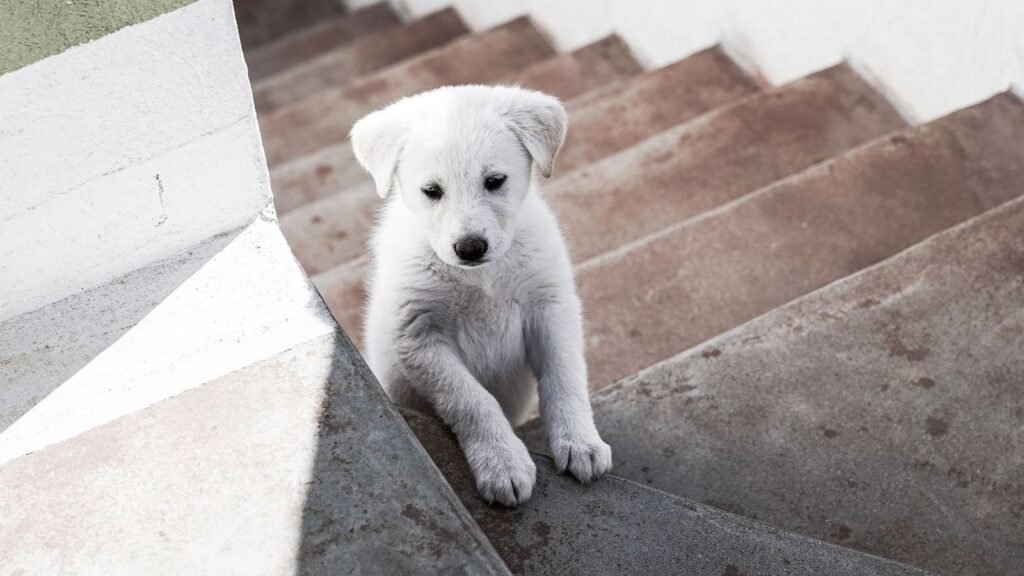
It is easy for a two-story home to turn into a relay route: the leash is downstairs by the door, the puppy’s favorite toy is upstairs, a towel is needed after a muddy potty break, and the cleaning supplies are in a third spot. Good puppy storage for homes with stairs solves that daily scramble by giving each floor a small, purposeful supply zone—not by using the stairs as a holding area. A basket on a tread, a toy on the landing, or bedding waiting to be carried upstairs may seem temporary, but it quickly creates visual clutter and puts needed items exactly where nobody can reliably find them.
What to Look For in puppy storage for homes with stairs
Use decision criteria tied to puppy storage for homes with stairs: space, upkeep, how it fits your routine, and everyday usability.
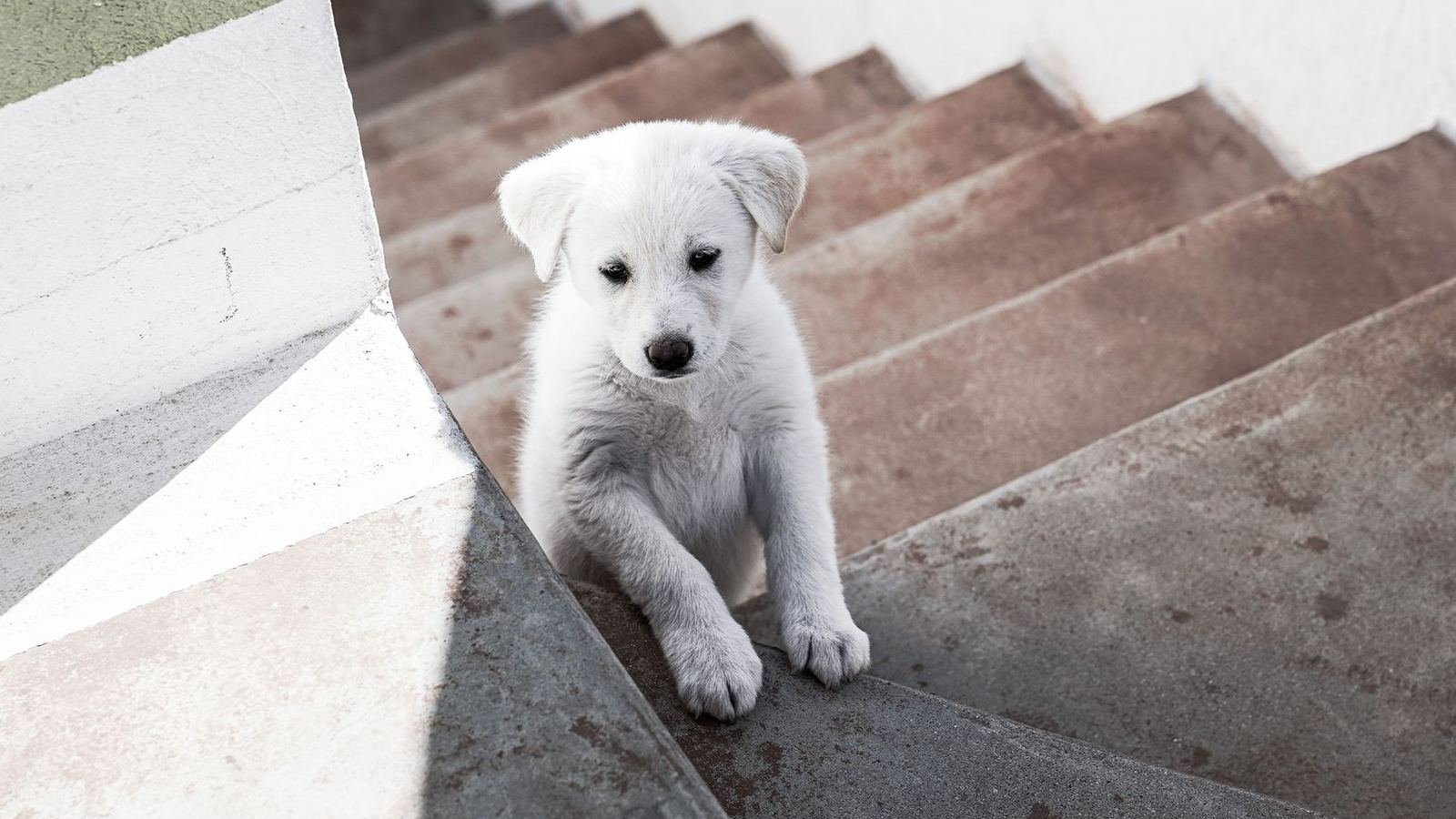
The practical fix is to keep the things used on a floor on that floor. For example, a downstairs zone near the exit can hold the leash, harness, waste bags, a washable towel, and a small secured container for cleanup items. Upstairs, place a compact comfort basket beside the puppy’s sleeping area with a spare blanket, a few quiet toys, and bedtime items. This reduces repeat trips without requiring duplicates of everything you own.
Think of the staircase as a clear travel path, not a storage zone or a delivery shelf. If an item needs to move between floors, carry it when you are already going that way, or place it temporarily in a single portable caddy kept off the stairs. At the end of the day, return the caddy to its home base rather than leaving it on a landing “for later.”
A simple starting move is to stand at the bottom and top of the stairs and write down the three puppy items most often carried in each direction. If you regularly bring a toy, towel, and potty supplies upstairs, that is a sign the upstairs zone needs a small set of those daily essentials. Keep bulk food, refill packs, extra bedding, and rarely used gear together in one secured main storage location. The tradeoff is intentional: a few low-cost duplicates make routines easier, while one central stock area prevents every floor from becoming overfilled.
Keep Stair Steps Clear of Gear and Baskets
For puppy storage for homes with stairs, treat every stair tread, landing, and railing as a permanent no-storage zone. Start by moving anything currently waiting on the stairs into a small supply zone on the floor where it is used. The goal is not to carry every puppy item up and down; it is to keep a few daily essentials where they are needed and leave the route between floors completely open.
First, make one simple rule: nothing gets “set down for later” on a step. That includes toys, towels, leashes, bedding, empty packaging, food bags, and baskets. Put a small return basket or open bin beside the staircase, against a wall or inside a nearby closet, if family members need a temporary place for an item that belongs on another floor. Empty that basket during an evening reset rather than turning each stair into a separate holding spot.
- At the bottom of the stairs: Keep only downstairs-use items in a nearby cabinet, closet, or wall-mounted area—not on the landing. A leash, poop bags, a towel, and a small toy rotation can stay close to the door or main living space.
- At the top of the stairs: Store bedtime items near the bedroom or puppy sleep area, such as a spare blanket, a quiet chew or toy, and a small lint roller or towel. Keep the container fully off the stair landing.
- For cleanup supplies: Choose one secured main location, such as a latched utility cabinet, for cleaners and refills. Store products securely and use them according to their labels. A floor-specific zone can hold non-cleaner basics, such as a few paper towels, while the main supply remains in one controlled place.
For example, in a two-story home, duplicate inexpensive daily items: keep one towel downstairs near the exit and one upstairs near the puppy’s sleeping area; keep a small toy basket in each main room. Keep bulk food, extra bedding, replacement poop-bag rolls, and less-used supplies in one secured main storage location. This reduces repeat trips without creating two full sets of puppy gear that are harder to track.
Adjust the setup when the return basket starts overflowing or someone repeatedly goes upstairs for the same item. That is a sign the item belongs in the other floor’s zone, not on the stairs. If an item is only needed once a week, resist duplicating it; return it to the main storage spot after use. Clear stairs and small, purpose-built zones make the routine easier to maintain than a larger collection of supplies spread across every level.
Set Up an Upstairs Bedtime and Comfort Basket
For puppy storage for homes with stairs, an upstairs bedtime and comfort basket prevents the most common late-evening problem: realizing the puppy needs a chew, a clean blanket, or a quick cleanup item after everyone has already gone upstairs. The goal is not to duplicate every puppy supply. It is to keep a small set of items where the bedtime routine actually happens, so nothing gets parked on a stair tread “just for tonight.”
Choose a basket, handled bin, or lidded container that fits beside the puppy’s sleeping area, under a bedroom bench, or inside a closet with easy adult access. Keep it off the stairs, landing, and railing. If the puppy sleeps in your room, the basket should be close enough to reach without leaving the room, but not so open that it becomes a tempting toy box.
- Pick the sleep-zone location first: Before filling the basket, decide exactly where bedtime supplies belong: beside the crate, next to the puppy pen, or on a low shelf in the bedroom closet. Set the empty container in that spot for two or three nights before committing to it. This checks whether the location works during a real nighttime routine, such as settling a puppy after a final potty trip. Pitfall: Do not place the basket in the hallway outside the bedroom if that hallway leads to the stairs; it can slowly become a place for daytime gear and create another clutter point.
- Stock only tonight’s comfort items: Add one or two familiar comfort items, such as a washable blanket, the puppy’s usual bedtime chew if it is part of your normal supervised routine, and a quiet soft toy that is already appropriate for the puppy. Include a spare small towel for damp paws or a minor overnight mess. Keep the quantity limited so you can see what is missing at a glance. Pitfall: Avoid moving the full downstairs toy collection upstairs. A crowded basket makes it harder to find the bedtime item you need and encourages toys to spread across the bedroom floor.
- Separate clean bedding from used bedding: Put one folded clean blanket in the basket and place a small washable fabric bag or labeled bin nearby for used towels and bedding. After the morning routine, carry the used-bedding bag downstairs with the day’s laundry rather than leaving damp fabric upstairs. This order matters: clean replacement first, used item contained second, laundry moved later. Pitfall: Do not put a damp towel back into the comfort basket because it is “still needed.” It can make the rest of the contents unpleasant to use and leaves you without a clean backup at bedtime.
- Keep a tiny nighttime cleanup kit secured: If upstairs accidents are an occasional concern, store a small, closed container with paper towels, disposable bags, and the supplies you personally use for cleanup. Keep cleaning products securely stored and use them according to their labels; they do not need to sit out in the puppy’s comfort basket. Refill paper towels and bags during the evening reset, before the puppy settles down. Pitfall: Do not carry bottles, wipes, or cleanup supplies upstairs one at a time and leave them on a landing. If they belong upstairs, give them a closed home upstairs.
- Use a simple bedtime restock order: After the final outdoor trip, return the leash and harness to the downstairs walking station, then head upstairs with only what belongs in the sleep zone: the puppy, a selected comfort item if needed, and any item that must be washed or replaced. Once upstairs, check the basket in the same order each night: blanket, towel, chew or toy, cleanup basics. This takes less than a minute when the contents stay consistent. Pitfall: Do not use the upstairs basket as a holding area for the leash, treat pouch, or muddy outdoor gear. Those items have a downstairs job and are easy to forget when they migrate upstairs.
- Keep extras in one main storage location: Duplicate low-cost daily essentials upstairs, such as one spare blanket and a few cleanup basics, but keep bulk supplies downstairs or in one secured main storage area. Extra bedding, refill rolls, unopened cleaning supplies, and larger toy reserves are easier to track when they have one home. For example, a two-story household may keep the puppy’s regular bed and comfort basket upstairs, while the bulk bedding shelf and replacement supplies stay in a locked laundry-room cabinet downstairs. Pitfall: Buying or storing full duplicates on both floors can hide what you are running low on and turn a simple system into two messy supply piles.
The tradeoff is intentional: a small upstairs duplicate reduces unnecessary stair trips during the most repetitive part of the day, while one main supply location keeps purchasing and replenishing manageable. When the basket stays limited to bedtime needs, it supports a calmer routine without turning the staircase or upper hallway into a temporary storage zone.
Worked Example: A Two-Story Puppy Storage Routine
For puppy storage for homes with stairs, the goal is not to put a complete duplicate of every item on both floors. It is to keep the few things used during each routine where that routine happens, while keeping refills and bulky supplies in one secure main location. Consider a home with the entry and kitchen downstairs, bedrooms upstairs, and a puppy who sleeps in an upstairs crate.
The downstairs zone might hold the leash, harness, poop bags, a washable towel, a small toy basket, and a labeled cleaning caddy kept inside a closed cabinet. Upstairs, a bedside basket can hold one chew, a small selection of quiet toys, a spare blanket, and a lint roller. The large food bag, backup bedding, unopened waste-bag rolls, and extra cleaning supplies stay together in a secured pantry or utility cabinet downstairs. This arrangement cuts repeat trips without turning the staircase into a holding area.
- Using the stairs as a “take upstairs later” shelf: A toy, towel, or bag of supplies lands on a step after a busy moment and stays there until someone remembers it. This fails because the stairs become a visual reminder system that is easy to ignore, especially when several family members add items. The better move is to give each floor a small return basket placed away from the staircase. During the evening reset, carry the basket to its proper zone in one trip rather than leaving individual items on steps.
- Keeping every puppy item downstairs: This often means repeated trips for a nighttime chew, a fresh blanket, or a toy needed to redirect the puppy before bed. It fails because the upstairs routine depends on supplies stored too far away. The better move is to duplicate only low-cost, frequently used comfort items upstairs. Keep the upstairs basket limited to what fits comfortably inside it, so it remains a routine station rather than a second storage room.
- Duplicating too much on both floors: Two full sets of supplies can create clutter, make refills harder to track, and leave you with half-empty packages in several places. It fails because daily access and bulk storage are being treated as the same need. The better move is to duplicate one active item where needed—such as a towel downstairs and a blanket upstairs—while storing backups in one labeled main supply area.
- Moving cleaning supplies from floor to floor each day: Carrying a spray bottle, wipes, paper towels, and other cleanup items upstairs and downstairs can lead to missed cleanup supplies when they are needed. It also encourages setting the caddy down on a stair or landing. The better move is to keep a small, secured cleanup set near each main puppy area, with products stored securely and used according to their labels. Refill both sets from one main cabinet during the weekly household restock.
- Filling the mobile caddy with everything: An overloaded caddy becomes heavy, hard to return, and likely to be abandoned near the stairs. It fails because a mobile caddy is meant for short-term tasks, not long-term storage. The better move is to carry only task-specific basics: for example, a towel, waste bags, and a treat pouch for a potty trip, or a brush and blanket for settling upstairs. Put each item back in its floor zone as soon as the task is finished.
This setup has a useful tradeoff: there are a few duplicate daily essentials, but only one place to check for refills. Clear floor zones make routines easier to follow, and clear stairs stay out of the storage system entirely.
Reset Each Zone in Five Minutes Each Evening
The simplest way to make puppy storage for homes with stairs stick is to give each floor a short evening reset. This prevents the familiar pile-up: a toy on the bottom step, a damp towel waiting on the landing, a leash carried upstairs after a walk, and cleanup supplies left out because nobody wants to make another trip.
Set a five-minute timer after your puppy’s last potty break or before you settle in for the night. The goal is not a deep clean. It is to return the few daily items to the floor where they will be needed next.
- Start downstairs and hang the leash and harness in their entryway spot. Put poop bags, the treat pouch, and the outdoor towel back in the downstairs zone.
- Gather only the toys that migrated into walkways or onto the stairs. Return them to the toy basket on the floor where your puppy is likely to play the next morning.
- Check the upstairs comfort basket. Fold the blanket, put one or two quiet toys back inside, and remove any item that belongs downstairs.
- Return the mobile caddy to its home location rather than leaving it beside the stairs for “tomorrow.” Keep cleaning products securely stored and use them according to their labels.
- Make one quick pass along the staircase, landing, and hallway. Anything left there goes into its assigned zone now, not on the next trip up or down.
For example, a household might keep the downstairs potty and walk supplies near the door, an upstairs basket beside the puppy’s sleeping area, and one secured main storage spot for bulk food, spare bedding, refill bags, and less-used supplies. That arrangement means a duplicate roll of poop bags or a small towel can live where it is useful, while bulky extras do not take over both floors.
The tradeoff is intentional: a few low-cost daily basics are repeated, but the home avoids duplicate stock, overflowing baskets, and a staircase used as temporary storage. If an item repeatedly ends up on a step, it is a sign that its real home is inconvenient. Move its storage zone closer to where it is actually used, not closer to the stairs.
Tonight, choose one small basket or bin on each floor, assign it a clear job, and clear every stair tread before bed.
FAQ
What to Look For in puppy storage for homes with stairs?
Use decision criteria tied to puppy storage for homes with stairs: space, upkeep, how it fits your routine, and everyday usability. Photo by Jon Matthews on Pexels The practical fix is to keep the things used on a floor on that floor .
What should I know about keep stair steps clear of gear and baskets?
For puppy storage for homes with stairs , treat every stair tread, landing, and railing as a permanent no-storage zone. Start by moving anything currently waiting on the stairs into a small supply zone on the floor where it is used.
What should I know about set up an upstairs bedtime and comfort basket?
For puppy storage for homes with stairs , an upstairs bedtime and comfort basket prevents the most common late-evening problem: realizing the puppy needs a chew, a clean blanket, or a quick cleanup item after everyone has already gone upstairs. The goal is not to duplicate every puppy supply.