
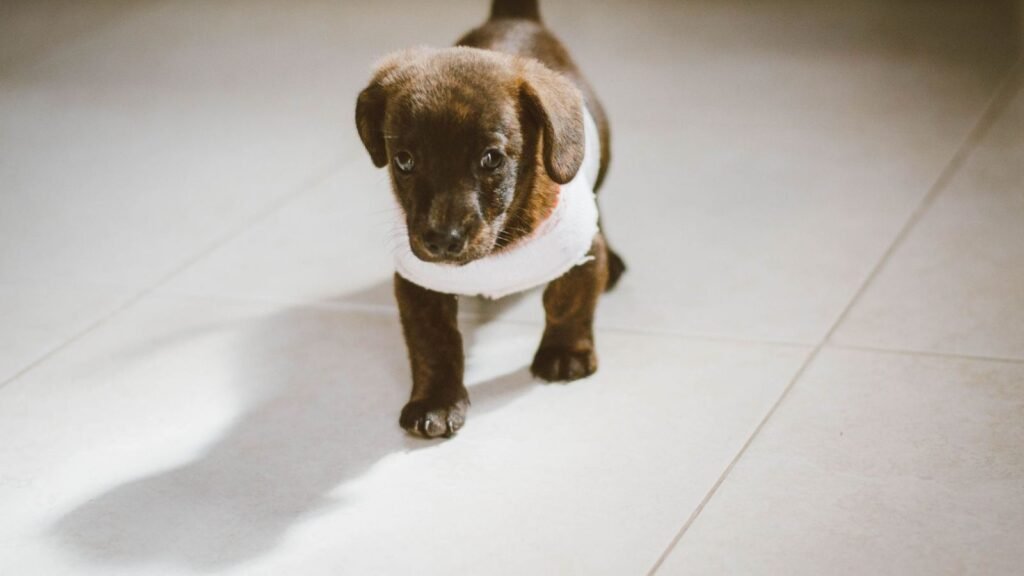
After a rainy walk, the puppy is shaking at the door, the leash is wet, the towel is on the floor, and a bag of treats is sitting far too close to the muddy paw wipes. The best puppy gear organizer for mudrooms is not necessarily the largest unit or the one with the most matching baskets. It is the setup that gives each item a sensible stop between the door and the rest of the house, without narrowing the route everyone uses to come and go.
What to Look For in best puppy gear organizer for mudrooms
Use decision criteria tied to best puppy gear organizer for mudrooms: space, upkeep, how it fits your routine, and everyday usability.
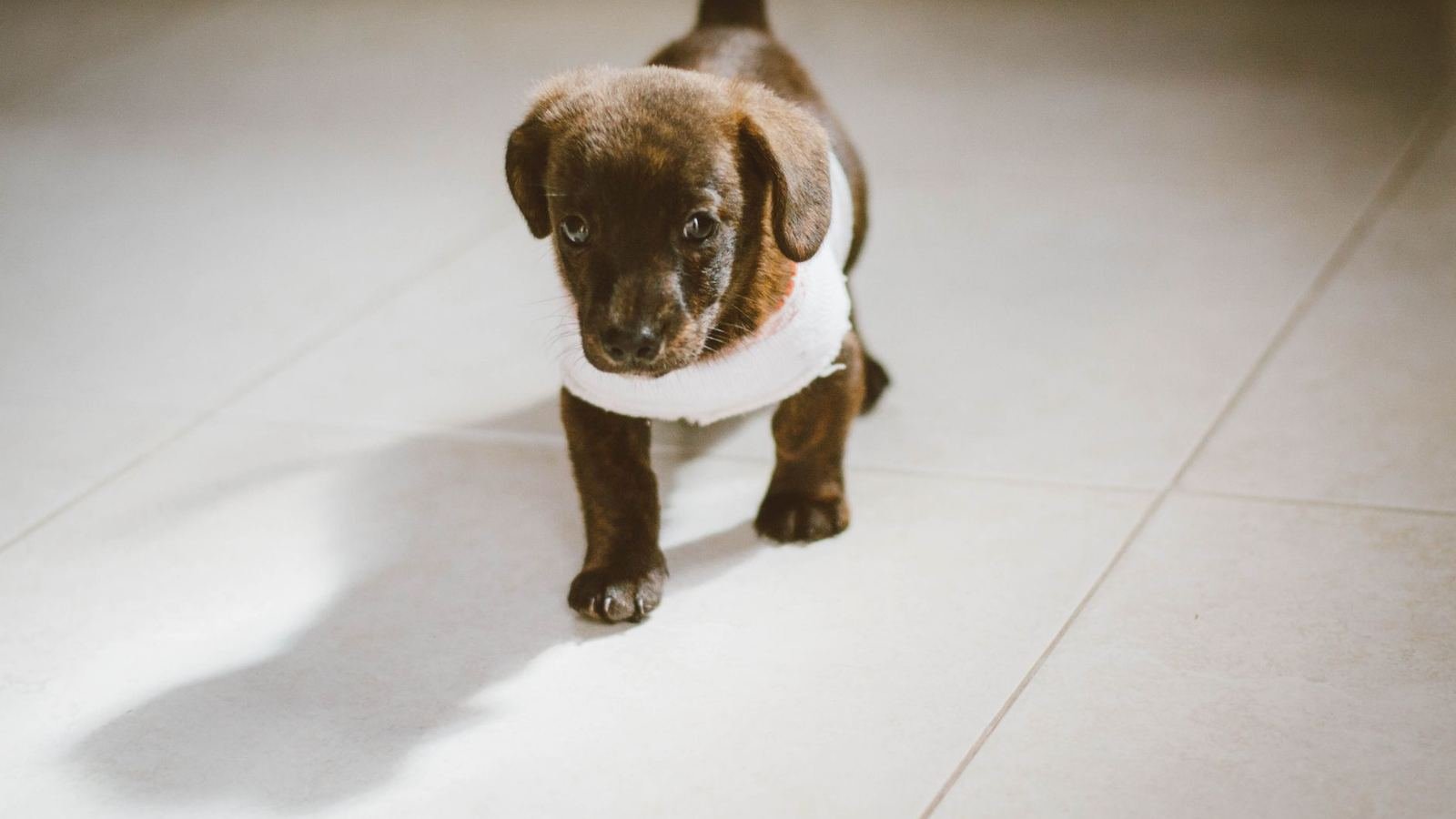
The challenge is that puppy supplies do not all belong together. Leashes, harnesses, poop bags, and a spare towel need quick access when it is time to head outside. Damp towels, paw-cleaning cloths, and muddy outdoor toys need a spot that can be wiped clean and aired out. Treats and household cleaning products should stay clean, dry, and out of a puppy’s reach rather than sharing a low open cubby with wet gear. One organizer can handle this job, but only when its storage types match the way the mudroom is used.
Start by protecting the walking path. Measure the narrowest clear space between the door swing, wall, and any shoe storage, then choose an organizer depth that still leaves a comfortable pass-through. A shallow wall-mounted rail with hooks, paired with a slim washable bin underneath, often works better than alternatives when daily maintenance and space constraints are considered a deep floor cabinet that turns the main entry into an obstacle course. Keep the bin directly below the hooks so a dripping leash or towel has only one short trip after a walk.
A practical first arrangement is a simple three-zone station: hooks at shoulder height for the leash and harness, one open washable bin below for wet towels and outdoor toys, and a closed container placed higher up for treats or cleaning supplies. That separation matters more than having identical containers. Open storage makes daily grab-and-go items easy to reach, while a closed upper compartment keeps clean supplies away from mud and curious puppy noses. The result is a mudroom that can be reset in a minute instead of becoming a growing pile beside the door.
Choose Open Hooks, Bins, Drawers, or a Cabinet
For the best puppy gear organizer for mudrooms, start with the gear that comes in wet or dirty: leash, harness, towel, paw cloth, poop bags, and outdoor toys. Give those items an easy-to-clean, low-level zone near the door. Then keep treats and household cleaning products in a separate closed container placed well above puppy reach. This simple split matters more than choosing one large piece of furniture.
A practical setup uses more than one storage type because muddy gear needs airflow and clean supplies need protection. Before buying or rearranging anything, stand at the entry with the door fully open and note the clear path your family uses. Avoid deep floor baskets, loose piles, or a cabinet door that swings into the walking route. If your puppy starts reaching bins or chewing loose straps, move accessible items higher or switch to containers with secure lids.
- Open wall hooks: Choose hooks for the leash, harness, rain jacket, and a towel that needs to dry between walks. They offer the fastest grab-and-go access and help damp fabric air out, but they can look cluttered and leave straps within reach of a curious puppy. Mount them beside, not behind, the door so gear does not get crushed when the door opens.
- Open cubbies: Use a cubby for a washable bin of muddy paw cloths, a spare towel, and outdoor toys that can tolerate a little dirt. Cubbies contain the visual mess better than alternatives when daily maintenance and space constraints are considered hooks while keeping cleanup supplies easy to reach. Avoid using an open cubby for treats or anything a puppy should not access.
- Lidded bins: Pick washable, lidded bins for used wipes awaiting disposal, a muddy ball, or a damp raincoat after it has stopped dripping. A lid reduces visual clutter and keeps a puppy from rummaging, although wet fabric should be dried before being sealed away to avoid trapping moisture and odor.
- Drawers: Reserve drawers for dry, small items such as poop-bag rolls, backup collars, and clean microfiber cloths. Drawers create a tidy reset point, but they slow down a rushed return from a walk and can collect grime if wet items are tossed inside.
- Closed cabinet: Choose a higher closed cabinet for treats and household cleaning products. The ASPCA advises keeping potentially harmful household items out of pets’ reach; do not store these supplies in the same open bin as towels or toys.
For example, a family mudroom can use three simple zones: two hooks by the door for the current leash and harness, one washable bin directly below for damp towel and paw-cleaning cloths, and a closed upper cabinet for treats and cleaning products. Review the setup after a week of rainy walks. If the wet bin overflows, add a second washable bin; if the entry still feels crowded, keep only the current walk set at the door and store backups elsewhere.
Keep Wet Gear Separate From Treats and Cleaning Supplies
The best puppy gear organizer for mudrooms creates a clear path from the door to cleanup without letting damp, dirty items drift into the clean-supply zone. Think of wet gear as its own category: it needs airflow, a washable surface, and a place where drips will not reach food, treats, paperwork, or household cleaners. Clean items need the opposite—dry, enclosed storage that a curious puppy cannot open.
Choose the organizer format by what must happen immediately after a walk. A leash and harness may need to hang and dry. A muddy towel needs containment until laundry day. Treats need to stay dry and out of reach. Cleaning products should be secured separately from both puppy supplies and anything the puppy may eat. The ASPCA advises keeping potentially harmful household items out of pets’ reach; a high closed compartment is a sensible storage choice for cleaners and other non-puppy-safe supplies.
- Wall-mounted hook rail:
Wall-mounted hook rail — shop optionsSee on Amazon
Choose a rail with individual, rounded hooks and a drip-friendly clearance below it rather than a shallow row of tiny coat hooks. Install it near the door for the leash, harness, raincoat, and a small clip-on poop-bag holder. Leave one hook empty for a just-used towel or wet collar, so it can air out instead of being stuffed into a drawer. Hooks offer the fastest access and airflow, but they create visual clutter if every item lives there; limit this rail to active walk gear.
- Open wet-gear bin:
Open wet-gear bin — shop optionsSee on Amazon
Place a low, wide plastic utility bin or rubber boot tray beneath the hooks for muddy towels, paw cloths, and washable outdoor toys. Look for a rigid bin with a smooth, wipeable interior, handles, and a footprint narrow enough to stay against the wall rather than in the walking lane. An open bin makes it obvious which items need washing, but it is not appropriate for treats, loose poop bags, or cleaners because a puppy can reach inside.
- Lidded cleaning-supply tote:
Lidded cleaning-supply tote — shop optionsSee on Amazon
Use a hard-sided plastic tote with a secure, puppy-resistant lid for paw-cleaning supplies and any household cleaning products. A rectangular tote that fits on a high shelf or inside an upper cabinet is easier to remove and wipe down than several small containers. Keep it physically separate from the wet bin; do not rely on labels alone when the bins are within puppy reach. Put only the items used for cleanup in this tote, not treats or toys.
- High closed treat container:
High closed treat container — shop optionsSee on Amazon
Store treats in an airtight food-storage container inside a closed upper cabinet, wall-mounted cabinet, or high drawer that closes fully. A clear container can help you see when supplies are low, while the outer cabinet keeps the scent and package out of the puppy’s reach. This is a better choice than placing treats in open cubbies beside damp towels, where moisture, mud, and rushed post-walk cleanup can cross over.
For a simple mudroom example, place the hook rail beside the door, set the washable wet-gear bin directly below it, and mount a shallow closed cabinet higher on the same wall for treats and cleaning supplies. The floor-level zone catches mess, the hand-height zone handles departures and returns, and the upper zone protects dry supplies. If the family uses the main entry constantly, keep the bin no deeper than the baseboard area or tuck it beside a shoe cabinet so it does not become an obstacle.
Reset the station after each walk: hang the leash and harness, drop used cloths into the wet bin, return the paw-cleaning tote to its closed spot, and close the treat cabinet. That small routine is what keeps a mudroom organizer useful after the first muddy week rather than turning into another mixed pile of puppy gear.
Best Organizer Features for Puppy Households
The best puppy gear organizer for mudrooms is the one that supports a simple return-home routine: hang what needs to dry, contain what is muddy, and keep clean supplies above or behind a barrier. It does not need to hold every puppy item you own. It needs to prevent the leash, towels, paw-cleaning supplies, poop bags, outdoor toys, and treats from becoming one damp pile beside the family’s main doorway.
- Grab-and-go hooks: Choose a small set of sturdy, easy-to-reach hooks for the leash and harness used most often. Hooks offer the fastest access and airflow, but they can look cluttered if every spare collar and coat is hung there.
- Washable lower cubby or basket: Use one wipeable container near the door for damp towels, paw cloths, and outdoor toys that need to be carried in rather than put away immediately. An open option is convenient for wet gear, but it needs regular emptying so moisture and dirt do not linger.
- Closed upper storage: Reserve a higher drawer, cabinet, or secured container for treats and household cleaning products. Keeping these items out of a puppy’s reach is a sensible household safety step; the AKC also recommends preparing a puppy-safe home before arrival.
- Narrow footprint: Select a unit that sits against the wall rather than projecting into the walking path. A useful organizer should leave room for people to remove shoes, carry groceries, and guide a wiggly puppy inside without stepping around bins.
For a practical setup this week, stand at the entry door and follow the path you take after a wet walk. Put daily walking gear at hand height, place the washable dirty-gear container below it, and assign one separate, elevated spot for clean treats and supplies. That three-part arrangement makes the decision between cubbies, baskets, drawers, and cabinets clearer: prioritize quick drying for wet items, containment for dirty items, and puppy-proof storage for clean items.
Next step: Measure the clear floor space beside your mudroom door, then choose one organizer position that keeps the route from door to cleanup area completely open before bringing any new storage piece home.
What you’ll actually use
These are the pieces this setup actually uses. If one does not earn a place in your home, leave it off the list.
- Chew Toys: Keep this where best puppy gear organizer for mudrooms actually happens, and skip it if you already have a version that works.
- Food Mat: Keep this where best puppy gear organizer for mudrooms actually happens, and skip it if you already have a version that works.
- Toys And Chews: Keep this where best puppy gear organizer for mudrooms actually happens, and skip it if you already have a version that works.
FAQ
What to Look For in best puppy gear organizer for mudrooms?
Use decision criteria tied to best puppy gear organizer for mudrooms: space, upkeep, how it fits your routine, and everyday usability. Photo by Alice Castro on Pexels The challenge is that puppy supplies do not all belong together.
What should I know about choose open hooks, bins, drawers, or a cabinet?
For the best puppy gear organizer for mudrooms , start with the gear that comes in wet or dirty: leash, harness, towel, paw cloth, poop bags, and outdoor toys. Give those items an easy-to-clean, low-level zone near the door.
What should I know about keep wet gear separate from treats and cleaning supplies?
The best puppy gear organizer for mudrooms creates a clear path from the door to cleanup without letting damp, dirty items drift into the clean-supply zone. Think of wet gear as its own category: it needs airflow, a washable surface, and a place where drips will not reach food, treats, paperwork, or household cleaners.