
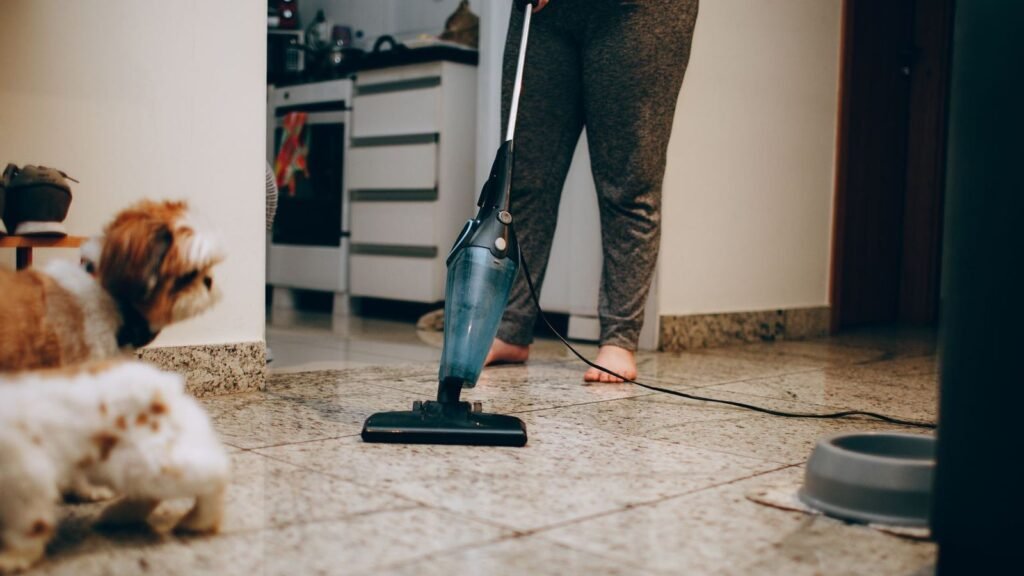
When a puppy has an accident beside the crate just after a rainy walk, the practical question is not whether you own enough paper towels—it is whether those towels, bags, and clean cloths are where you can reach them. In the puppy cleaning caddy vs utility cart decision, choose a handled caddy when you need to carry a small set of supplies quickly from room to room; choose a rolling cart when one supervised puppy-care area needs to hold more items every day.
What to Look For in puppy cleaning caddy vs utility cart
Use decision criteria tied to puppy cleaning caddy vs utility cart: space, upkeep, how it fits your routine, and everyday usability.
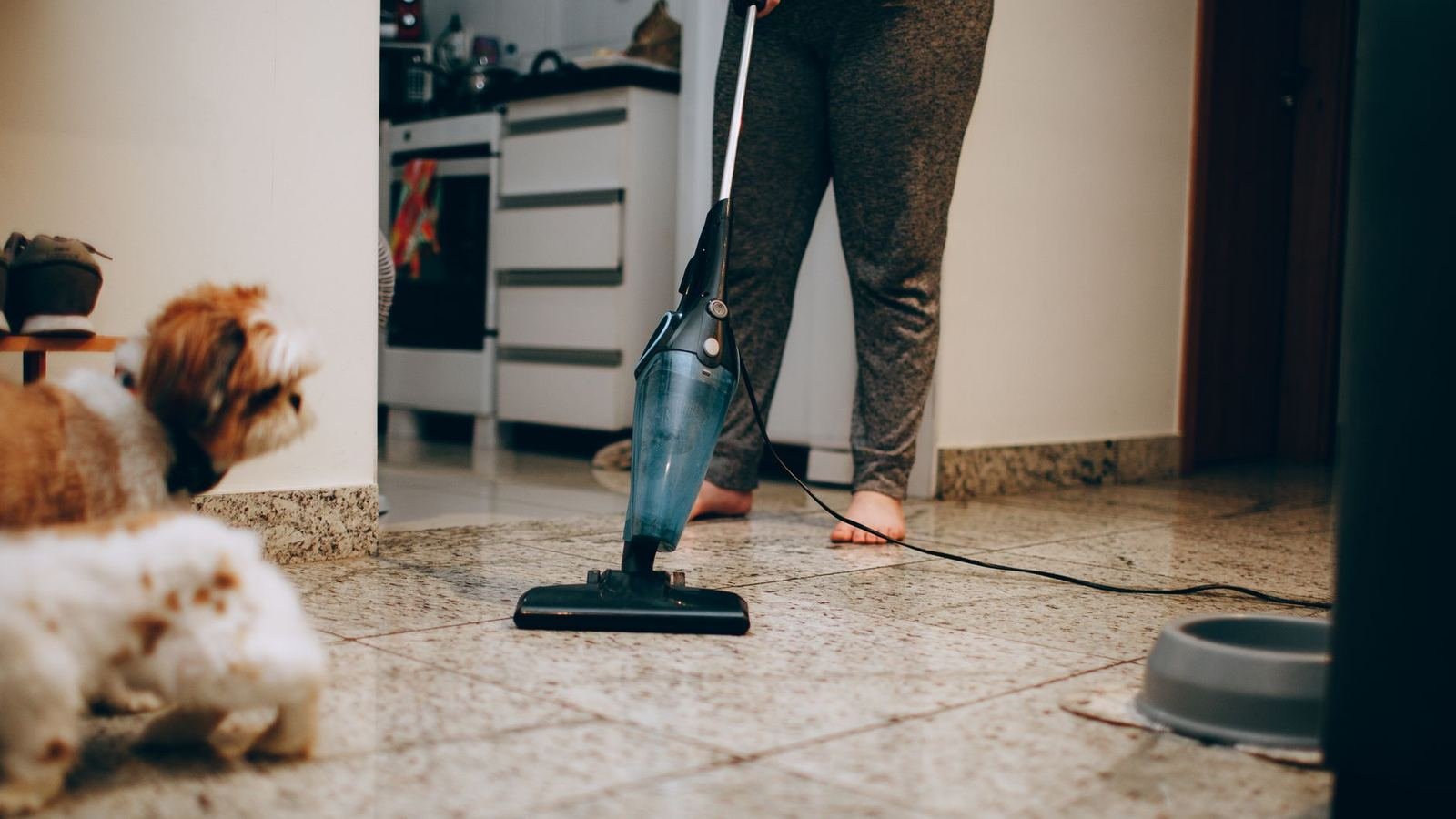
The difference is mostly about how your home works. A compact caddy can live out of sight in a high cabinet, then come down for a living-room accident, muddy paws at the entry, or a quick crate-area wipe-up. A narrow utility cart keeps more supplies together—extra towels, a washable mat, a refill pack of bags, and a small laundry bin—but it takes up permanent floor space and can look cluttered if every shelf is full.
For example, in a small apartment, a puppy owner might keep a handled caddy on a high kitchen shelf with two absorbent cloths, poop bags, gloves, and a roll of paper towels. It is easy to grab without leaving a cart in a tight hallway. A cart may make more sense beside a laundry area or near a contained crate setup, where an adult can use it as a cleaning station and roll it away after use. The cart holds more, but it should not become open storage within puppy reach.
Use one safety rule from the start: cleaning liquids, sprays, wipes, and disposable items belong in closed containers or secured storage that your puppy cannot open or reach. Keep only the harmless, immediately useful basics accessible while you are actively cleaning, then return everything to its closed or elevated spot. That simple boundary helps the storage format stay helpful instead of turning into another tempting puppy target.
Choose a Caddy for Fast, Room-to-Room Cleanup
For the puppy cleaning caddy vs utility cart decision, choose a handled caddy when messes happen in more than one place and you need to carry a small set of supplies to the mess immediately. A caddy is the better fit for apartments, homes with stairs, and puppies that move between a crate, entryway, living room, and bedroom. Keep it light enough to grab with one hand, rather than filling it with every backup item you own.
Start by making the caddy your “first-response” kit: take only the items you use during an accident or muddy-paw cleanup, then store refill supplies elsewhere. After each use, return the caddy to a high cabinet, latched closet, or other puppy-inaccessible location. Cleaning liquids, sprays, wipes, and disposable items should stay in closed containers or secured storage, not loose in an open tote where an inquisitive puppy can reach them.
- Use a compact caddy: Choose this format if you regularly clean in two or more rooms, carry supplies up or down stairs, or do not have room for a storage unit that stays on the floor.
- Pack only immediate essentials: Include clean absorbent cloths or paper towels, waste bags, gloves if you use them, and a sealed container for the cleaning items you need. Keep spare rolls, bulk packages, and laundry supplies in a separate locked or high storage spot.
- Avoid overfilling: A caddy that is heavy, crowded, or full of unrelated grooming and walking gear is likely to be left out. Separate tools for cleanup from daily leash-and-treat supplies.
- Adjust when trips multiply: If you are repeatedly returning for replacement cloths, bags, or supplies during one cleanup, your caddy is too small—or your home may benefit from a narrow utility cart kept in one supervised care area.
For example, in a small apartment, a compact handled caddy can live in a high kitchen cabinet near the crate and entry door. When the puppy tracks rainwater across the hall or has an accident by the rug, carry the caddy to the spot, clean up, and put it back. A narrow cart would hold more, but it takes permanent floor space and needs close supervision or secured drawers to prevent puppy access. The ASPCA notes that chewing can lead dogs to investigate household objects, so leaving cleaning supplies within reach is not a good storage shortcut.
A caddy works best when its job stays simple: quick cleanup now, restocking later. Check it once a week and replace used cloths and bags before the next rushed moment.
Worked Example: Small Apartment Caddy or Cart Setup
For the puppy cleaning caddy vs utility cart choice in a small apartment, use one simple rule: choose a caddy when you need to carry supplies to the mess, and choose a cart when most cleanup happens in one predictable area and you can give the cart a permanent, supervised spot. A cart stores more, but it also claims floor space every day. A caddy holds less, but it can disappear into secure storage between accidents.
Imagine a one-bedroom apartment with the crate in the living room, the main door beside the kitchen, and a bathroom at the end of a short hallway. Muddy paws happen near the door, crate-area messes happen in the living room, and occasional accidents may happen in any room. The following setups make the tradeoff clearer.
- High-cabinet caddy:
High-cabinet caddy — shop optionsSee on Amazon
Choose a compact handled caddy with a solid base, one large center compartment, and several upright dividers. Look for a shape roughly the size of a small tool tote rather than a deep laundry basket, so it stays light enough to carry with one hand. Keep dry cloths, paper towels, poop bags, disposable gloves, and an empty zip-top bag inside. Store the caddy in a high kitchen cabinet or a latched utility cupboard, then bring it to the mess. This is the better fit when the puppy moves between rooms or when clear floor space matters more than extra capacity.
- Entryway cart:
Entryway cart — shop optionsSee on Amazon
Choose a narrow three-tier rolling cart only if the front door or crate area is the regular mess zone. A cart about 12 to 16 inches wide is usually easier to park beside a wall than a broad craft cart. Use the top shelf only while you are actively cleaning: place a clean towel and a paw-wiping cloth there, then return them after use. The lower shelves can hold washable towels and a small covered bin for dirty cloths. Its advantage is that wet-walk cleanup supplies remain together; its drawback is permanent floor space and a tempting target for a curious puppy.
- Split clean-and-dirty storage:
Split clean-and-dirty storage — shop optionsSee on Amazon
Whether you choose a caddy or cart, give clean supplies and used supplies separate containers. For example, keep folded clean towels in a lidded plastic box and place used towels directly into a washable, covered hamper or zippered wet bag. This prevents a cart or caddy from becoming a mixed pile of damp cloths, loose bags, and replacement supplies. If the container starts to look crowded, remove duplicates rather than adding another basket.
- Locked liquid supplies:
Locked liquid supplies — shop optionsSee on Amazon
Keep cleaning liquids, sprays, wipes, and disposable items in closed, puppy-inaccessible containers or secured storage, not on an open cart shelf or in an unattended caddy on the floor. A small latching box stored in a high cabinet works well for a caddy setup. For a cart setup, keep those items off the cart unless you are using them, then return them to the secured location immediately. The cart can still hold towels, a brush for dried mud, and a covered container for non-liquid supplies.
A practical apartment compromise is to use the handled caddy as the everyday system and reserve a narrow cart for homes where the entryway truly functions as a cleaning zone. If the cart must be squeezed between the crate, doorway, and walking path, it is likely to create more daily clutter than it solves. If it can sit neatly against an unused wall and stays under adult supervision, its larger capacity can reduce trips back to a cabinet after rainy walks.
Before committing, mark the proposed cart footprint with masking tape for a day. If doors, crate access, or your normal path feel cramped, choose the caddy. The best format is the one that keeps cleanup supplies reachable for you and inaccessible to your puppy.
Set Up a Restock Routine That Prevents Empty Supplies
For the puppy cleaning caddy vs utility cart decision, the best choice is the one you can keep ready without adding clutter. A handled caddy suits homes where accidents, muddy paws, and crate-area messes happen in different rooms. A utility cart suits a home with one regular cleanup spot and enough open floor space to keep the cart out of the puppy’s path.
Try a short reset once a week, ideally after your usual laundry or grocery routine. Take two minutes to check what was used, remove anything damp or soiled, and return only the items that belong in that storage format. This keeps a caddy light enough to grab quickly and prevents a cart from becoming a parking place for unrelated mail, toys, or laundry.
- Count the fast-use items: Check your paper towels or cloths, waste bags, and any disposable cleanup supplies. Refill before the last item is gone.
- Refresh washable supplies: Replace used towels with clean, dry ones so a late-night crate cleanup does not leave you searching for a spare.
- Clear out clutter: Put non-cleanup items back where they belong. If an item has not helped with a puppy mess in the past week, it does not need to live in the caddy or cart.
- Secure restricted items: Keep cleaning liquids, sprays, wipes, and disposable items in closed, puppy-inaccessible containers or secured storage rather than within a puppy’s reach.
In a small apartment, a compact handled caddy can be reset and returned to a high cabinet after use. A narrow cart can hold more towels and backup supplies, but it takes permanent floor space and works best as a supervised cleaning station rather than an open puppy-accessible shelf.
The goal is not to store every puppy item together. It is to make the next accident or muddy walk less stressful: choose the format that fits your layout, keep only the essentials ready, and protect curious puppies from supplies they should not reach.
Next step: Set a repeating reminder for one day this week, then spend five minutes refilling your chosen caddy or cart and removing anything that does not belong there.
What you’ll actually use
These are the pieces this setup actually uses. If one does not earn a place in your home, leave it off the list.
- Chew Toys: Keep this where puppy cleaning caddy vs utility cart actually happens, and skip it if you already have a version that works.
- Waste Bags: Keep this where puppy cleaning caddy vs utility cart actually happens, and skip it if you already have a version that works.
- Toys And Chews: Keep this where puppy cleaning caddy vs utility cart actually happens, and skip it if you already have a version that works.
- First Aid Kit: Keep this where puppy cleaning caddy vs utility cart actually happens, and skip it if you already have a version that works.
FAQ
What to Look For in puppy cleaning caddy vs utility cart?
Use decision criteria tied to puppy cleaning caddy vs utility cart: space, upkeep, how it fits your routine, and everyday usability. Photo by Helena Lopes on Pexels The difference is mostly about how your home works.
What should I know about choose a caddy for fast, room-to-room cleanup?
For the puppy cleaning caddy vs utility cart decision, choose a handled caddy when messes happen in more than one place and you need to carry a small set of supplies to the mess immediately. A caddy is the better fit for apartments, homes with stairs, and puppies that move between a crate, entryway, living room, and bedroom.
What should I know about worked example: small apartment caddy or cart setup?
For the puppy cleaning caddy vs utility cart choice in a small apartment, use one simple rule: choose a caddy when you need to carry supplies to the mess, and choose a cart when most cleanup happens in one predictable area and you can give the cart a permanent, supervised spot. A cart stores more, but it also claims floor space every day.