
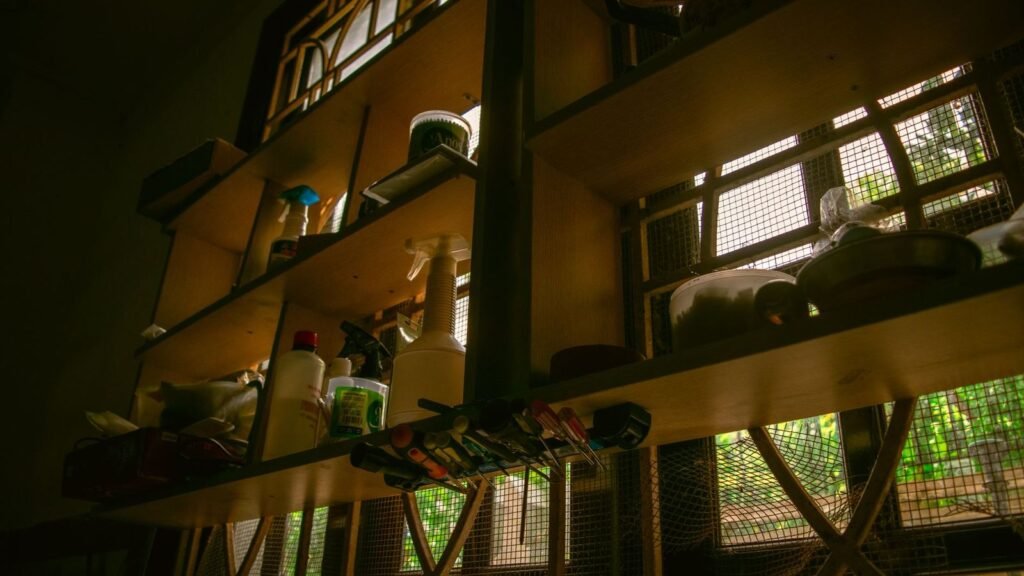
Knowing how to organize puppy cleaning tools matters most when your puppy has an accident just as you are heading out the door, or comes in with muddy paws before reaching the rug. In that moment, a roll of paper towels in the kitchen, wipes in the car, towels in the bathroom, and waste bags by the leash do not feel like a system. A simple setup keeps the supplies for ordinary messes together, while keeping cleaners and anything chewable or spillable where your puppy cannot reach them.
How to organize puppy cleaning tools: what matters
Use decision criteria tied to how to organize puppy cleaning tools: space, upkeep, how it fits your routine, and everyday usability.
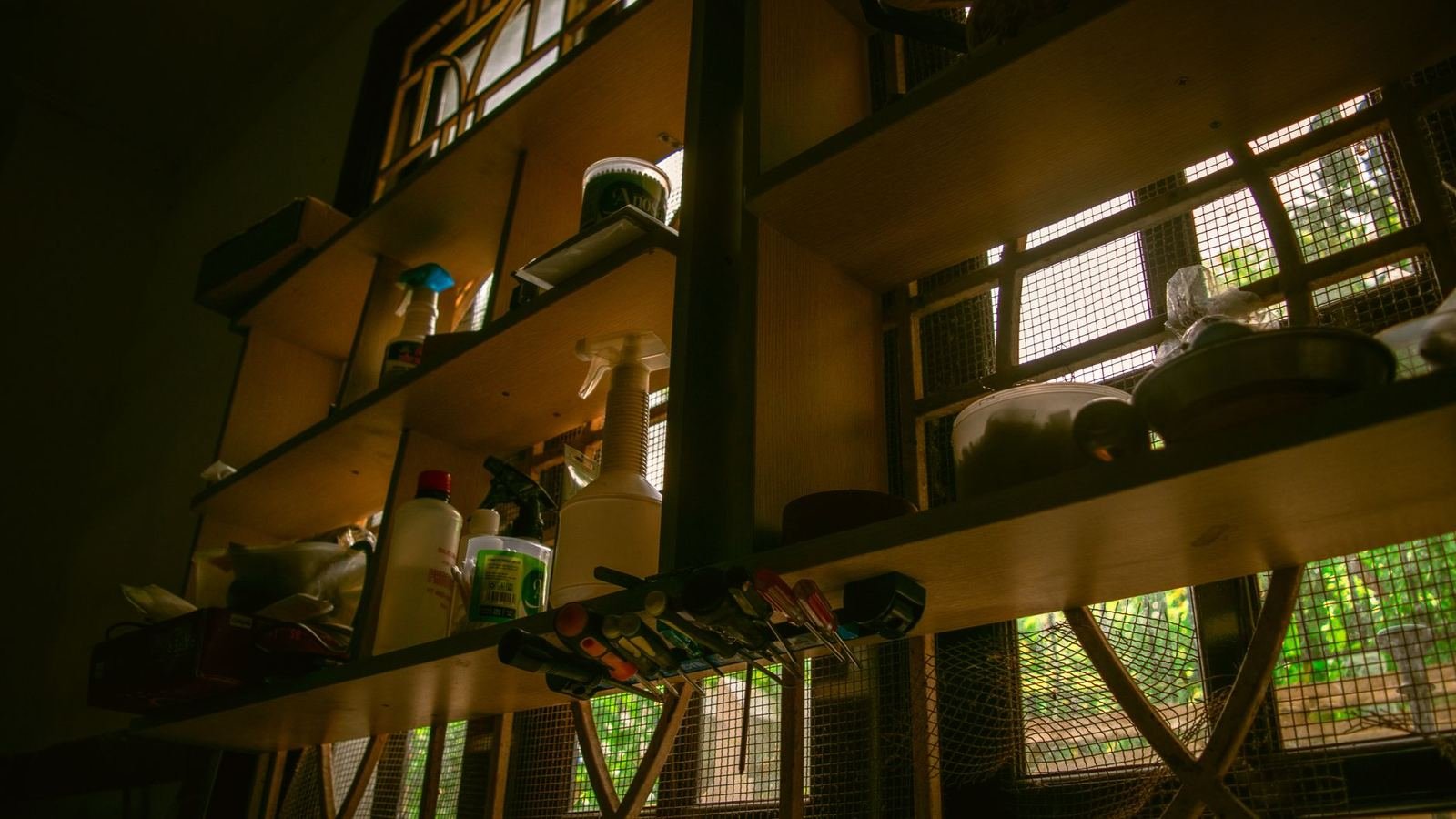
The problem is usually not a lack of supplies. It is that each item lands in the room where it was last used. Soon, there are damp towels over a chair, an open pack of wipes near the sofa, waste-bag rolls in several coat pockets, and a cleaner bottle sitting on the floor because it was needed quickly. That scattered arrangement slows down cleanup and makes the home feel permanently mid-mess.
Start with one immediate reset: place a handled caddy on a high shelf or inside a latched utility cabinet, then give it only the items needed for a fast response. For example, keep a few absorbent cloths, paper towels, disposable gloves if you use them, empty waste bags, and a small leak-resistant pouch for soiled items in the caddy. Keep cleaning solutions separately in the same secured cabinet rather than loose in the caddy or on the floor. The caddy is for carrying the response supplies to the mess; the cabinet is the home base that keeps the whole setup contained.
In a small apartment, this can be as simple as a locked under-sink cabinet near the laundry hamper and a lightweight caddy stored on the top shelf. The tradeoff is worth planning for: supplies hidden too far away are easy to ignore during a rushed cleanup, but supplies left out are more likely to be scattered, knocked over, or reached by a curious puppy. A high, repeatable storage spot gives you quick access without turning every room into a cleanup station.
Keep this system separate from grooming supplies such as brushes, shampoo, and nail tools. Cleanup tools support accidents, muddy walks, and laundry; grooming items belong in their own routine. When each group has a clear home, you can grab what you need, carry it to the problem, and return it without creating another pile to deal with later.
Sort Your Tools by Accident, Walk, and Laundry Jobs
For how to organize puppy cleaning tools, start by grouping supplies according to the mess you need to handle, not by where they happen to fit. Make three simple categories: an accident kit for indoor cleanup, a walk kit for muddy paws and outdoor messes, and a laundry group for used towels, washable mats, and soiled bedding. This stops one drawer from becoming a jumble of half-used wipes, waste bags, towels, and bottles.
First, pull every puppy cleanup item from the bathroom, kitchen, entryway, and laundry area. Put duplicates aside, discard empty packaging, and keep only the amount you can use before it becomes clutter. Then assign each item one job. Paper towels, disposable gloves if you use them, pickup bags, and the cleaner you have chosen for accident cleanup belong together. Paw towels, a paw-wiping cloth, and a small bag or container for outdoor waste belong near the exit. Clean towels and washable bedding belong near the laundry route rather than in the same bin as used items.
- Accident group: Keep the items needed for an indoor accident in one handled caddy: paper towels or cloths, waste bags, and your chosen cleanup solution. Store the caddy on a high shelf or inside a latched cabinet when it is not in use.
- Walk group: Place a designated paw towel and outdoor cleanup supplies by the door, but above puppy level. A shallow, leak-resistant bin inside a closed entry cabinet can keep damp items contained until laundry day.
- Laundry group: Use one clearly marked hamper or washable bag for dirty puppy towels, blankets, and reusable pads. Keep it separate from clean supplies so a rushed cleanup does not turn into a search for a fresh towel.
A small-home setup can be especially simple: use a locked utility cabinet as the main storage zone, with the accident caddy on an upper shelf and the laundry bag on a lower shelf behind the closed door. Keep only the walk towel and a small waste-bag supply near the entry, also out of reach. The tradeoff is that a cabinet adds one extra step during a mess, but it prevents cleaners and disposable supplies from being left on the floor or counter where a curious puppy may chew them. The ASPCA advises managing a puppy’s environment to reduce access to tempting items for destructive chewing, which supports keeping loose supplies secured.
Avoid making a separate cleanup stash in every room. Multiple stashes feel convenient at first, but they are harder to restock and make it easy to leave cleaners or used towels behind. Adjust the system when you notice a repeat bottleneck: move the caddy closer to the rooms where accidents actually occur, add a second clean paw towel during rainy weeks, or increase laundry capacity if damp towels regularly pile up. Keep grooming tools, shampoo, and nail-care items out of these groups so the cleanup system stays fast and focused.
Store Cleaners and Disposable Items Out of Puppy Reach
A safe setup is the part of how to organize puppy cleaning tools that cannot be solved by simply placing everything in the nearest basket. Paper towels and spare towels can stay easy to grab, but cleaners, wipes, laundry products, and disposable bags need a deliberate home that keeps them available to you without becoming puppy-accessible clutter. Build your system around a simple rule: the item used first during a mess can be close at hand; anything a puppy could chew, spill, or carry away goes behind a closed door or above puppy reach.
- Put the main supply reserve behind a closed door: Choose one utility cabinet, laundry cupboard, or latched under-sink cabinet for cleaner bottles, refill packs, stain-treatment items, and unopened wipe packages. Do this before filling your portable caddy, so you know exactly where replacement supplies belong. In a small apartment, this may be the cabinet above the washing machine rather than the cabinet under the kitchen sink. The common pitfall is using an open lower shelf because it is faster; a curious puppy can reach it just as easily as you can.
- Keep only the current-use items in the grab-and-go caddy: Stock a handled, washable caddy with a small number of items needed for one accident or muddy-paw cleanup: folded old towels, paper towels, poop bags, a pair of gloves if you use them, and the cleaner you need. Return the caddy to a high shelf, closed closet, or secured cabinet as soon as cleanup is finished. Avoid turning it into permanent floor storage near the door. A caddy left beside the sofa may seem convenient at 7 a.m., but it quickly becomes a chewable pile of wipes, bags, and towels.
- Separate sealed cleaners from absorbent supplies: Store cleaner bottles upright in a leak-resistant bin or upright compartment, and keep dry towels and paper products in a separate section. Set this up when you first sort the caddy, not after a bottle leaks. For example, a narrow plastic bin can hold closed bottles inside the locked cabinet, while a fabric or washable caddy holds towels on the high shelf. The pitfall is placing a spray bottle directly beside clean towels; even a small leak can leave the whole caddy damp and make the next urgent cleanup slower.
- Make an entryway reset spot for outdoor messes: If muddy paws are the usual problem, place a designated towel hamper or washable bin just inside the door and keep the portable caddy stored nearby but out of reach. After each walk, wipe paws first, place the used towel in the hamper, then return the caddy to its storage spot before taking off shoes or putting away the leash. This order prevents damp towels from being dropped on the floor while you search for laundry space. The pitfall is hanging wet towels over furniture or door handles, where they create visual clutter and are easy for a puppy to pull down.
- Create a short “after-accident” return routine: Once the immediate mess is handled, take two minutes to put used towels into the laundry bin, discard used paper products, close and return cleaner bottles, and place the caddy back in its assigned high or locked location. Do this immediately rather than waiting until bedtime, when the missing items are harder to identify. A puppy accident often happens during a busy transition such as breakfast or getting ready for work, so the temptation is to leave everything out “for later.” That is the pitfall that turns one cleanup into scattered supplies across the kitchen, bathroom, and living room.
- Use a visible restock signal instead of storing duplicates everywhere: Keep one small note inside the cabinet door or a simple checklist on the caddy lid: towels, paper towels, waste bags, wipes, and cleaner. Check it at the same time each week, such as after the last laundry load on Sunday. If paper towels or bags are low, refill from the locked reserve rather than opening a new package in every room. The tradeoff is that you may walk to one central cabinet for refills, but you avoid the larger problem of half-used supplies scattered throughout the home.
For a concrete small-home setup, picture a puppy owner with a kitchen near the front door and a combined bathroom-laundry closet. The locked utility cabinet holds cleaner bottles, unopened wipes, replacement waste bags, and laundry supplies. A compact handled caddy sits on the top closet shelf with two folded towels, paper towels, a small roll of bags, and only the items needed for a quick response. A labeled hamper near the entry collects muddy-paw towels until laundry day. The caddy is not as instantly available as one left on the floor, but retrieving it takes seconds and keeps the floor clear for both puppy play and daily life.
When choosing cleaning products for a home with a puppy, follow the product label directions and keep containers in their original packaging. The ASPCA also advises keeping potentially hazardous household items secured from pets, a useful reminder when deciding whether a shelf, cabinet, or latch is secure enough for an active puppy. Read the ASPCA’s guidance on preventing access to household hazards.
Worked Example: A Small-Home Puppy Cleanup Setup
When deciding how to organize puppy cleaning tools in a small home, the goal is not to place every item within arm’s reach. It is to make the next cleanup quick without turning low cabinets, bathroom floors, or entryway baskets into puppy-accessible storage. Consider a one-bedroom apartment with a puppy who has occasional indoor accidents and muddy paws after walks: the main supplies can live in one locked utility cabinet, while a small handled caddy comes down only when needed and returns to a high shelf afterward.
Inside the cabinet, use one leak-resistant bin for clean folded towels and another for used towels waiting for laundry. Keep waste-bag refills, paper towels, and unopened wipes together in a labeled back section. Store cleaning solutions upright in their original containers, separately from towels and disposable items. The portable caddy holds only the supplies needed for an immediate mess: a few towels, paper towels, waste bags, and the appropriate cleaner. This setup takes a moment to retrieve, but that small tradeoff helps keep supplies organized and out of the puppy’s reach between cleanups.
These common mistakes can make a cleanup system harder to use than it needs to be:
- Floor-level “quick access” basket: A basket by the door may seem convenient, but wipes get pulled out, towels become toys, and the contents gradually spread across the room. It fails because the storage is easy for both you and the puppy to reach. Keep only a washable paw towel on a hook if needed; place the complete caddy on a high shelf or in a latched cabinet.
- One giant mixed bin: Putting towels, waste bags, cleaning bottles, and laundry items into one deep tote creates a digging problem during an accident. You may find a spare roll of bags while the towel is buried underneath. Use small, clear categories within the cabinet instead: clean towels, used-towel laundry, disposable refills, and cleaner storage.
- Leaving the caddy out after every use: The caddy starts as a helpful grab-and-go tool, then becomes a permanent clutter pile near the kitchen or laundry area. It fails because restocking and putting it away are treated as separate tasks. After each cleanup, return the caddy to its shelf, place used towels in the laundry bin, and note anything that needs replacing.
- Storing replacement supplies in several rooms: Extra wipes in the bathroom, bags in a coat pocket, and towels in a bedroom closet can make refilling feel like a scavenger hunt. Choose one cabinet as the home for replacement supplies. The caddy is the working kit; the cabinet is the backup stock.
- Using a laundry basket as long-term storage: A basket of damp or used towels near the washer can look like an unfinished chore and may leave you without clean towels at the door. Use a designated, leak-resistant hamper or bin with a simple rule: wash when it is about three-quarters full, then refill the clean-towel bin before putting the caddy away.
A small label on the cabinet door can make the routine easier for everyone in the household: clean towels, used towels, caddy, refills. The system stays simple because each item has one home, and the most frequently handled supplies are ready without being left out.
Restock the Caddy Before It Creates More Clutter
The most useful way to learn how to organize puppy cleaning tools is to treat the setup as a short routine, not a one-time organizing project. This week, use the caddy after each cleanup, then take two minutes at the end of the day to return it to its home and replace what was used.
That small reset prevents the familiar problem of one used towel on the floor, an empty wipes packet by the door, waste bags in a coat pocket, and paper towels moved to whatever room had the last accident. Your tools stay together because they have a clear job and a clear place to return to.
- After an indoor accident, put used washable towels straight into the laundry hamper or a designated washable laundry bag.
- Put the caddy back on its high shelf, or inside the closed storage area where your puppy cannot reach cleaners, wipes, or disposable supplies.
- Check the few items that run out quickly: paper towels, waste bags, clean towels, and wipes.
- Move replacement stock from the locked utility cabinet into the caddy only when the current supply is low.
- Wipe out the caddy if something leaked, then return only the supplies that belong to cleanup.
For example, in a small apartment, the main replacement supplies can stay in a latched utility cabinet: spare rolls, extra waste-bag refills, unopened wipes, and cleaning products. A handled, washable caddy lives on a high shelf nearby with only enough for the next few messes. This means one extra step when you need to restock, but it avoids turning every low cabinet and room corner into puppy-supply storage.
- Clean towel limit: Keep two or three clean towels in the caddy, not the entire towel supply. Refill from the cabinet after laundry is done.
- Refill cue: Restock waste bags and wipes when the package reaches about one-third full, rather than waiting until an urgent walk or accident leaves you empty-handed.
- One-way laundry path: Give used towels one destination, a hamper or washable bag, so they do not migrate onto counters, chairs, or the floor.
A safe grab-and-go system does not need to hold everything you own. It needs to hold the items you reach for first, while the bulk supplies and cleaners remain secured away from a curious puppy. Start tonight by putting the caddy in its permanent high, puppy-safe home and adding a reminder to check it after the evening walk.
FAQ
How to organize puppy cleaning tools: what matters?
Use decision criteria tied to how to organize puppy cleaning tools: space, upkeep, how it fits your routine, and everyday usability. Photo by Ty Nguyễn on Pexels The problem is usually not a lack of supplies.
What should I know about sort your tools by accident, walk, and laundry jobs?
For how to organize puppy cleaning tools , start by grouping supplies according to the mess you need to handle, not by where they happen to fit. Make three simple categories: an accident kit for indoor cleanup, a walk kit for muddy paws and outdoor messes, and a laundry group for used towels, washable mats, and soiled bedding.
What should I know about store cleaners and disposable items out of puppy reach?
A safe setup is the part of how to organize puppy cleaning tools that cannot be solved by simply placing everything in the nearest basket. Paper towels and spare towels can stay easy to grab, but cleaners, wipes, laundry products, and disposable bags need a deliberate home that keeps them available to you without becoming puppy-accessible clutter.