
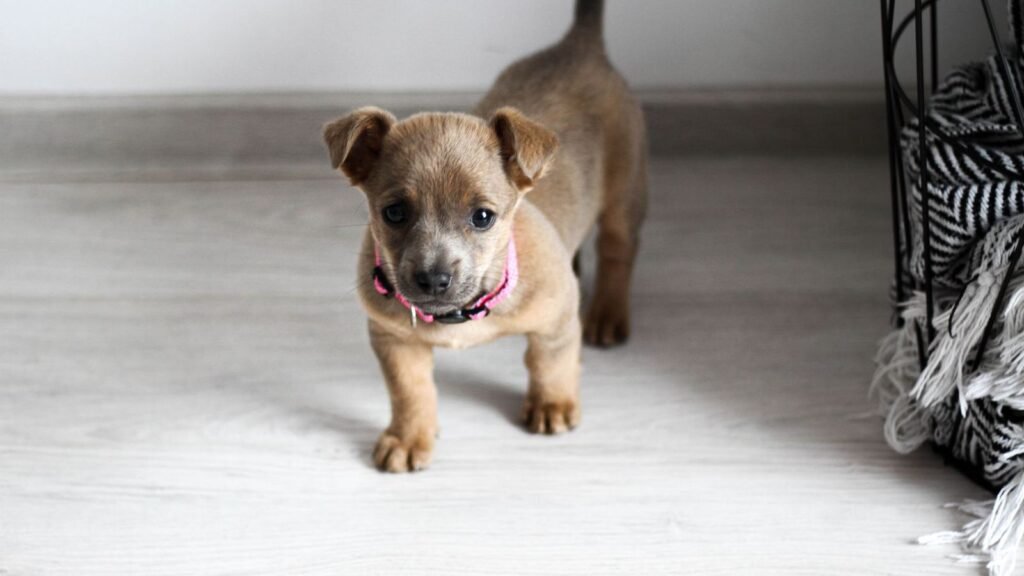
If you are working on puppy supplies for minimalist homes, start with one practical change that improves day-to-day use in your actual space.
What to Look For in puppy supplies for minimalist homes
Use decision criteria tied to puppy supplies for minimalist homes: space, upkeep, how it fits your routine, and everyday usability.
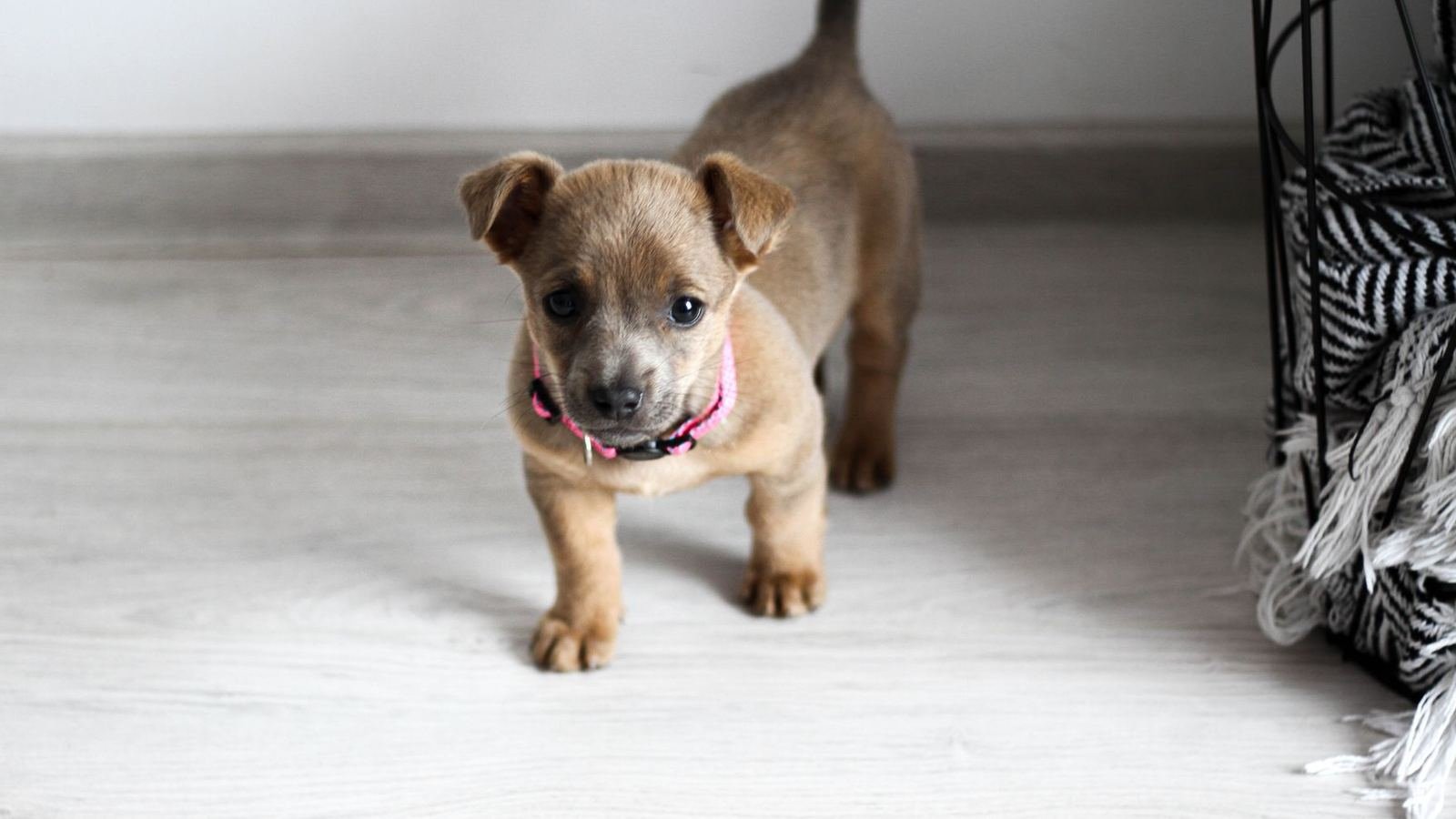
Start by separating “needed today” from “needed eventually.” A water bowl and meal supplies may need a consistent kitchen spot; a leash and waste-bag roll belong near the exit; and a small cleanup kit should be easy to grab after an accident. Extra toys, unopened treats, spare rolls, seasonal gear, and backup bedding do not need to live in the open. Keeping all of those categories out at once makes even a larger home feel crowded, and it makes daily resets harder when you are tired.
A practical first setup can be one closed cabinet or one lidded basket, depending on your space. In a small kitchen, reserve the lower half of one cabinet for a washable tray with the food scoop, feeding mat, and a few days’ worth of supplies. Use the upper shelf, or another secured location, for treats and anything a puppy could chew or pull apart. Place only two or three toys in a basket in the living area, then keep the rest stored away and rotate them. The tradeoff is simple: an open basket is faster during play, but closed storage creates more visual calm and keeps tempting items less available when you are not supervising.
Your exact setup will change with your puppy’s size, your housing rules, and your routine. A large crate may need to remain visible because there is no realistic closet space for it, while a smaller puppy’s bedding may fit on a shelf. Rather than adding organizers for every category, begin with ordinary storage you already own: a cabinet, drawer, tote, or bin with a secure lid. Check that food is stored according to its package directions and that cleaning products, chews, and small pieces are kept where your puppy cannot reach them.
Chewing and exploring are normal puppy behaviors, which is one reason accessible clutter can quickly become a problem. The ASPCA’s guidance on destructive chewing emphasizes managing the environment rather than leaving tempting household items available. A minimalist setup supports that same practical habit: less on display, fewer decisions at cleanup time, and a home that still feels like yours after puppy gear arrives.
Create Three Simple Puppy Supply Zones
For puppy supplies for minimalist homes, start by assigning every essential to one of three small zones: a daily-care zone, a feeding zone, and a reset zone. Choose locations based on where each task happens, not where an empty shelf happens to be. This keeps the items you reach for every day close by while preventing supplies from spreading across counters, floors, and furniture.
- Daily-care zone: Keep the leash, harness, waste bags, and one towel near the door used for walks. A small drawer, lidded bench compartment, or high hook-and-basket combination works best when it aligns with your available space and routine. Limit this zone to leaving-and-returning items; do not let it become the place for every toy or package that comes into the home.
- Feeding zone: Place bowls and the current food supply together near the puppy’s eating area, ideally inside one lower cabinet or on one tray that can be lifted away after meals. Keep treats, chews, and food-related items secured if your puppy can reach them. Follow the food maker’s storage instructions rather than assuming any container is suitable for long-term food storage.
- Reset zone: Put cleanup supplies, spare towels, a brush, and one or two approved toys in a single cabinet, closet shelf, or handled bin. This is the zone that restores the room after a walk, meal, or play session. Store cleaning products where the puppy cannot access them, and keep chewable items put away when they are not being supervised.
A practical small-home example is one hallway cabinet: the top shelf holds secured treats and backup waste bags, the middle shelf holds a folded towel and grooming items, and the bottom area holds the feeding tray when it is not in use. A hook inside the door can hold the harness. The tradeoff is that this setup looks calm when closed, but it only stays convenient if the cabinet is close to both the entry and the puppy’s usual living space. If it is across the home, daily gear will likely migrate back to the nearest chair.
Avoid creating separate visible stations for toys, feeding, walks, grooming, and cleanup in every room. Repeated supplies make routines feel easier for a day or two, then create duplicates to manage. Instead, keep one active item where it is needed and return it to its zone afterward. The ASPCA notes that dogs may chew household objects, so keeping tempting or unsafe items out of reach is a sensible part of an uncluttered setup.
Adjust the zones when your routine shows friction: move the daily-care zone closer to the actual exit if leashes collect on a table, add a second towel only if one is regularly wet, or shift the feeding zone if bowls block a narrow kitchen path. Crate size, food volume, and cleanup needs will vary with your puppy, home layout, and housing rules. The goal is not to own less at all costs; it is to give each necessary item one reliable home.
Set Limits for Toys, Treats, and Backup Supplies
For puppy supplies for minimalist homes, the easiest way to protect a calm-looking room is to set a capacity limit before a pile forms. A puppy does not need every toy, treat bag, and spare item within view at once. Keep the supplies used today close by, store a small backup out of sight, and pause before buying a replacement. This approach keeps daily care simple while giving each item a defined place.
- Choose a visible-toy limit: Start with three to five toys available in the main living area, rather than leaving every plush, chew, ball, and tug toy in one open basket. For example, a puppy in a small apartment might have one chew, one soft toy, one ball, and one tug toy in a low basket beside the sofa. Put the remaining toys in a closed cabinet or high shelf. Every three to four days, swap one or two toys after putting the current ones away. The order matters: collect the old toys first, check for damaged pieces, then bring out replacements. Pitfall: Do not rotate toys by adding new ones to an already full basket; that turns rotation into accumulation and makes cleanup harder at the end of the day.
- Use one treat container at a time: Keep the treats needed for the next few days in one clearly marked, puppy-inaccessible container inside a cabinet, drawer, or high pantry shelf. Return the original package to a separate food-storage area if there is any left. This is especially useful in a small kitchen, where several partly opened treat bags can quickly take over a counter or pantry shelf. Refill the daily container during a weekly reset, such as Sunday evening after you make the grocery list. Follow the treat package directions for storage and freshness rather than assuming any container is suitable for every product. Pitfall: Avoid leaving a treat jar on a low counter simply because it looks tidy; a determined puppy may still reach it, knock it down, or chew the lid.
- Set a one-backup rule: For items used up regularly, keep one unopened backup rather than stocking several months of extras. One spare roll of waste bags, one unopened stain-cleaning refill, and one replacement chew are usually easier to manage than a deep reserve scattered through closets. Buy the next backup only when you open the current one. In a rental with limited cabinet space, this prevents puppy supplies from claiming the hall closet alongside coats, vacuum tools, and household paper goods. Pitfall: Do not apply the same rule blindly to food; food needs vary with puppy size, feeding routine, storage space, and the manufacturer’s guidance. Keep only the amount you can store appropriately and use within its stated guidance.
- Give chews a checkout routine: Keep longer-lasting chews and special activity items in a closed, secured location, then take out one item when you can supervise or when it fits your household routine. After the session, put it back or discard it if it is worn out. A practical sequence after an evening walk is: hang up walking gear, wipe paws if needed, put away cleanup supplies, then offer one chew while you prepare dinner. This makes the chew part of the routine instead of another object permanently living on the floor. The ASPCA notes that chewing is a normal dog behavior and recommends managing access to appropriate items while keeping tempting household objects out of reach. Pitfall: Do not use an open floor basket for every chewable item; a puppy can empty it quickly, and the basket becomes both visual clutter and an invitation to grab whatever is inside.
- Make one cabinet do two jobs: In a compact home, reserve one cabinet for the supplies that must stay out of sight but be easy to reach. For example, use the lower portion of a kitchen cabinet only if it can be securely closed and is not accessible to the puppy: place a small basket of backup toys on the upper shelf, treats in their original packages or labeled container on the middle shelf, and a pouch with nail clippers, grooming wipes, and poop bags in a small bin. Keep a folded towel or washable mat at the back only if it is fully dry. This setup trades instant grab-and-go access for a visually quiet kitchen, but opening one cabinet is still faster than searching several rooms. Review it once a week before errands or grocery shopping. Pitfall: Do not turn the cabinet into a catch-all for half-used cleaners, old harnesses, and random household items. If an item does not support the puppy’s current routine, move it elsewhere or let it go.
- Use a pause-before-purchase list: Keep a short note on your phone called “Puppy replacements.” Add an item only when it is nearly used up, damaged, or no longer fits the puppy’s current size and routine. Before purchasing, check the cabinet, toy rotation bin, and walking area in that order. This is helpful when a growing puppy seems to need frequent new gear: a larger harness may be necessary, while another set of matching bowls may only create storage pressure. Pitfall: Avoid buying storage solutions before reducing duplicates. A larger bin can hide excess temporarily, but it does not make a minimalist setup easier to maintain.
A simple limit system also makes cleanup more predictable. Spend five minutes each evening returning toys to their basket, closing treat storage, and checking that only tomorrow’s essentials remain in the daily-care area. If an item repeatedly ends up on the counter, coffee table, or entry bench, treat that as a signal to adjust its home, not as a reason to add another visible organizer. The goal is a setup that supports real puppy routines while allowing the room to look like a home when the day is done.
Worked Example: One-Cabinet Setup for a Small Home
For puppy supplies for minimalist homes, a single closed cabinet can handle daily essentials without making the kitchen, entryway, or living room look like a pet store. Picture a narrow lower cabinet near the door or feeding area: the top shelf holds the items an adult uses each day, while the lower shelf holds backups and less-frequent cleanup supplies. The tradeoff is simple: a cabinet keeps visual clutter down, but food, treats, and chewable items must not be left where a puppy can reach them.
For example, use a cabinet with a secure door for one week’s accessible supplies: leash and harness in a small handled bin, folded towel, poop bags, grooming brush, and a limited toy rotation. Keep the food bag in its original packaging unless its manufacturer gives different storage directions, then place it inside the cabinet only if the cabinet stays securely closed. A growing puppy may need a larger crate or bed than this cabinet can hold; treat those as furniture with one assigned location rather than trying to hide them in already-full storage.
-
Trying to store every puppy item in the same cabinet: The cabinet quickly becomes a mixed pile of towels, food, toys, cleaning bottles, spare bedding, and old packaging. Daily items become hard to grab, so they migrate back onto counters and floors. This fails because one small space cannot serve as both an active daily station and unlimited long-term storage. The better move is to reserve the cabinet for current-use supplies and keep only a modest backup elsewhere, such as one labeled shelf in a hall closet.
-
Leaving the cabinet open for convenience: An open door or open basket may save a few seconds during a walk, but it can expose treats, toys, and household cleaning supplies to a curious puppy. The ASPCA notes that destructive chewing can involve items that are accessible and appealing to dogs, so reducing access is a practical part of keeping belongings orderly and safer. ASPCA guidance on destructive chewing can help with the broader behavior concern. The better move is to use a cabinet the puppy cannot open and return supplies immediately after each routine.
-
Using the countertop as a “temporary” puppy station: Treat jars, wipes, training supplies, bowls, and mail tend to collect together, making even a tidy small kitchen feel crowded. It fails because temporary surfaces rarely have a clear reset point. The better move is to keep the counter limited to what is needed for the current meal or cleanup, then return each item to its cabinet spot. A shallow tray inside the cabinet can keep small items from getting lost without becoming another visible organizer.
-
Buying storage before measuring the real gear: A compact basket may look right in a minimalist room but may not fit a full-size towel, longer leash, or the cleaning supplies required by a rental agreement. Oversized bins create the opposite problem by inviting excess backups. The better move is to gather the supplies you use during an ordinary three-day stretch, measure the tallest and bulkiest items, and choose storage around that amount. Adjust for puppy size, feeding routine, and available closet space rather than copying a fixed supply list.
A one-cabinet setup works best when it has a clear boundary: daily items inside, bulky gear assigned elsewhere, and nothing stored on the floor “just for now.” That small rule keeps essentials close at hand while preserving the calm, uncluttered look that made the space feel like home in the first place.
Maintain a Minimalist Puppy Setup as Needs Change
Puppy supplies for minimalist homes work best when they are reviewed in small, regular resets rather than allowed to accumulate until a cabinet overflows. Your puppy’s routine will change quickly: a small harness may no longer fit, a favorite chew may be ignored, and a larger crate or bed may need a new home in the room. The goal is to keep today’s essentials easy to reach while removing yesterday’s extras from view.
Try this short routine once a week, ideally just before you restock food or do your usual home tidy:
- Clear the daily surfaces: Return loose toys, leashes, towels, and grooming items to their assigned storage space. Leave out only the bowls and one or two items your puppy uses that day.
- Check the active supply: Keep a small rotation of toys and chews available, then place the rest in the closed cabinet or high shelf. Discard damaged items and set aside outgrown gear for donation, recycling, or storage.
- Reset the cabinet or basket: Make sure cleanup supplies are together, walking gear is dry, and food-related items are stored according to their packaging and manufacturer guidance. If your puppy can reach the storage area, move chewable items and treats behind a secure door or higher up.
- Question each backup: Ask whether you would use the item in the next two weeks. If not, it does not need to occupy your everyday puppy zone.
For example, a one-cabinet setup may still be enough after your puppy grows: the lower shelf can hold towels and a cleaning cloth, while the upper shelf holds treats, spare toys, and walking supplies. The tradeoff is that a single cabinet stays visually calm only when it has a capacity limit. A bulky new bed or larger crate may need a deliberate place elsewhere rather than being squeezed into the cabinet and making daily items hard to reach.
Crate size, food needs, and cleanup supplies vary with your puppy, your schedule, and any rental or household rules. That is why a minimalist setup is not about owning the same limited list as someone else. It is about giving each necessary item one sensible home, so your kitchen, entryway, or living room does not become a permanent staging area for bags, bowls, and puppy gear.
Next step: Set a ten-minute timer today and remove every puppy item from one visible surface, keeping out only what you expect to use before tomorrow morning.
FAQ
What to Look For in puppy supplies for minimalist homes?
Use decision criteria tied to puppy supplies for minimalist homes: space, upkeep, how it fits your routine, and everyday usability. Photo by NaNa Photography on Pexels Start by separating “needed today” from “needed eventually.” A water bowl and meal supplies may need a consistent kitchen spot; a leash and waste-bag roll belong near the exit; and a small cleanup kit should be easy to grab after an accident.
What should I know about create three simple puppy supply zones?
For puppy supplies for minimalist homes , start by assigning every essential to one of three small zones: a daily-care zone, a feeding zone, and a reset zone. Choose locations based on where each task happens, not where an empty shelf happens to be.
What should I know about set limits for toys, treats, and backup supplies?
For puppy supplies for minimalist homes , the easiest way to protect a calm-looking room is to set a capacity limit before a pile forms. A puppy does not need every toy, treat bag, and spare item within view at once.