
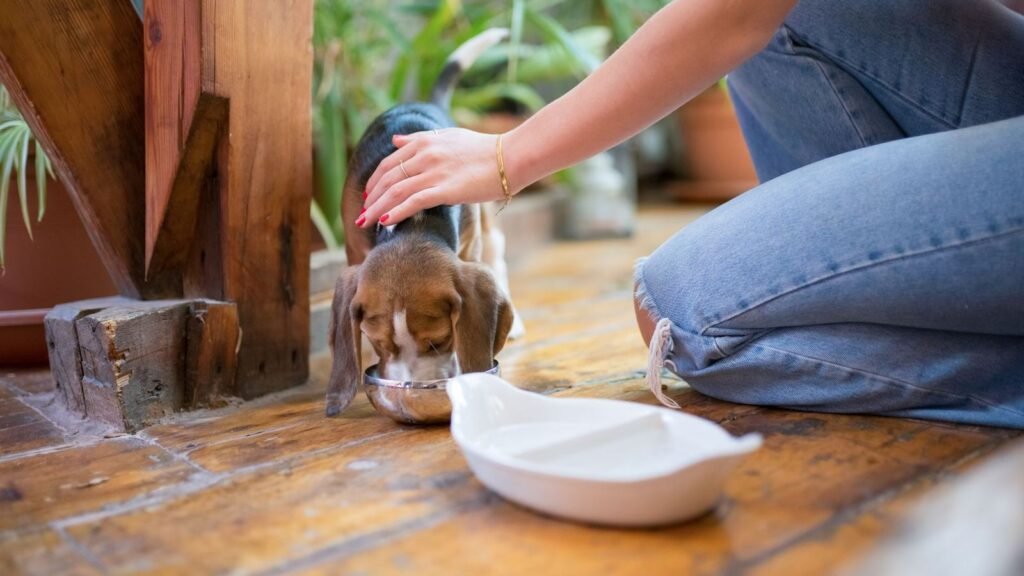
Imagine setting up the perfect spot in your home where feeding time for your new puppy is a breeze, rather than a chaotic mess. Achieving the best puppy feeding area setups for convenience is all about finding the right balance between organization and accessibility. Many new puppy owners find themselves overwhelmed, trying to create a feeding area that not only keeps necessities handy but also maintains a tidy living space. This guide is here to provide practical guidance on how to establish an organized and convenient feeding area for your furry friend.
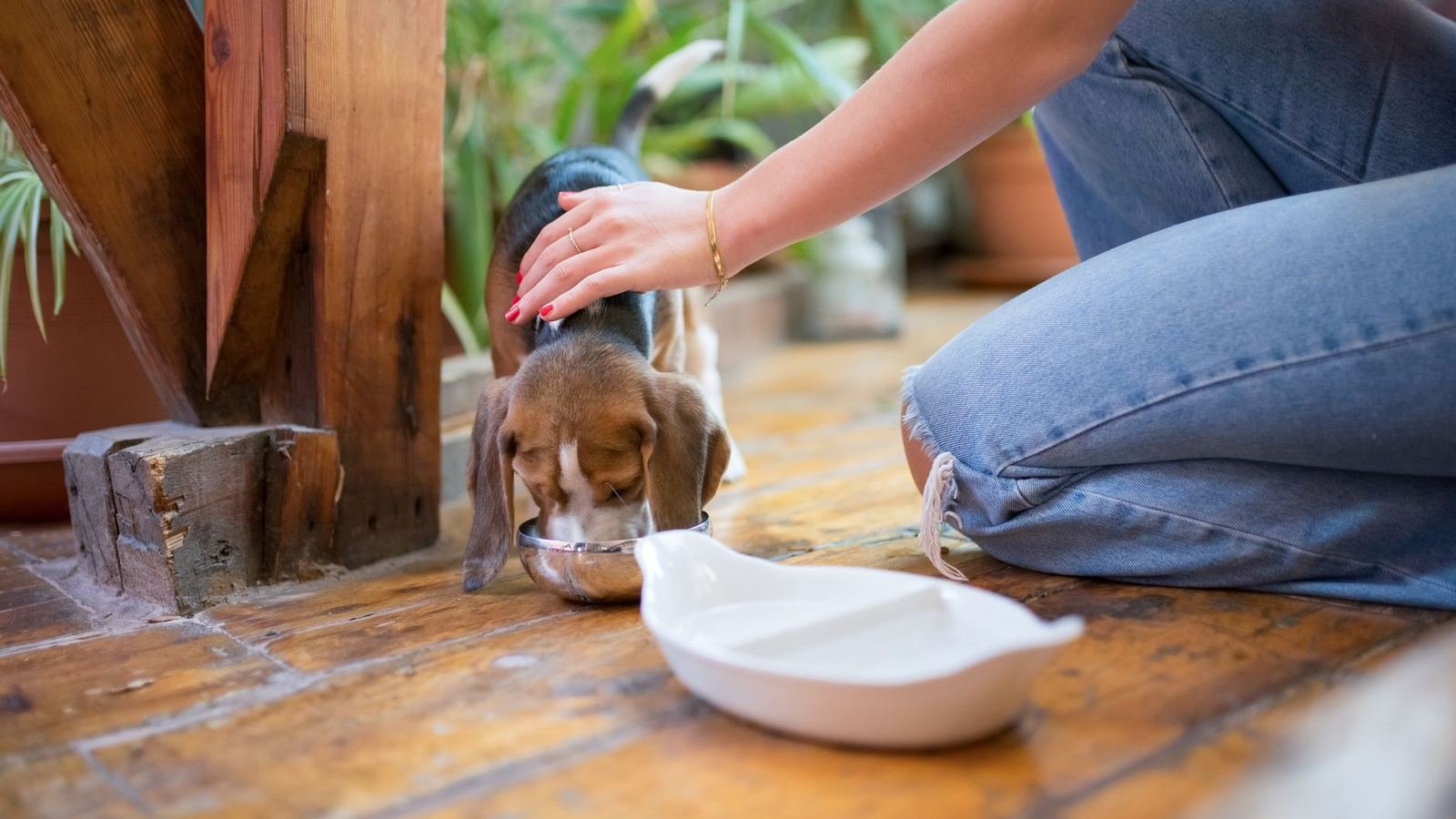
To start, choose a location that offers easy access and minimal foot traffic, ensuring your puppy can eat peacefully without distractions. A common challenge is finding the right spot, especially in smaller homes or apartments. Consider a corner in the kitchen or a dedicated section of the living room, where you can manage spills and keep essentials within reach.
One immediate improvement you can make is selecting the right type of bowls. Opt for stainless steel or ceramic options; they are durable, easy to clean, and resistant to bacteria, unlike plastic bowls which can harbor germs. Additionally, consider the size of the bowls relative to your puppy’s breed to ensure they can comfortably eat and drink.
Setting up a feeding station involves more than just bowls. Incorporate a non-slip mat underneath to catch spills and prevent the bowls from sliding around. A nearby basket or drawer for storing food and treats keeps everything organized and within arm’s reach, reducing clutter.
Maintaining cleanliness is key to a convenient setup. Regularly wash the bowls and mat, and sweep or vacuum around the area to keep it free from crumbs and debris. This not only keeps the space neat but also promotes your puppy’s health by preventing pests and bacteria buildup.
Choosing the Right Bowls: Sizes and Materials
Creating a convenient and organized feeding area for your puppy starts with choosing the right bowls. The size and material of the bowls you select can significantly affect your feeding routine and your puppy’s comfort. Here’s how to make the best choice:
- Size Matters: Select a bowl size that suits your puppy’s current needs. Puppies grow quickly, so opt for bowls that can accommodate larger portions as your puppy grows. A small bowl might suffice for a young puppy, but larger breeds will quickly outgrow them. Consider bowls that hold at least two cups of food for medium to large breeds.
- Material Considerations: Bowls come in various materials, including stainless steel, ceramic, and plastic. Stainless steel is durable, easy to clean, and doesn’t harbor bacteria, making it ideal for most puppies. Ceramic bowls are heavier, reducing the chance of spills, but they can break if dropped. Plastic bowls are lightweight and affordable, but they may acquire scratches that harbor bacteria over time.
- Anti-Slip Features: Look for bowls with rubber bases or anti-slip features to prevent them from sliding around. This is particularly helpful for energetic puppies that might knock their bowls over during mealtime.
- Special Needs: If your puppy is a fast eater, you might consider a slow-feed bowl to prevent gulping and reduce the risk of bloat. These bowls have ridges or obstacles that encourage slower eating.
Once you’ve selected the right bowls, place them in a designated area that is easy to clean, away from high-traffic zones to minimize distractions during feeding. Keep in mind that as your puppy grows, their feeding needs and habits might change. Regularly assess whether the bowls still meet their needs and adjust as necessary. By choosing the right bowls and maintaining a clean and organized feeding area, you can ensure mealtime is a pleasant experience for both you and your puppy.
Maintaining Cleanliness: Tips for Reducing Mess
Creating the best puppy feeding area setups for convenience involves more than just picking the right spot and bowls. Keeping this area clean and organized is crucial to making feeding time enjoyable for both you and your puppy. Here’s a step-by-step guide to help you maintain cleanliness and reduce mess in your puppy’s feeding area.
- Step 1: Choose a Suitable Mat
Place a spill-proof mat under your puppy’s bowls. This will catch any spills and prevent food from scattering across the floor. A mat with a slightly raised edge can contain spills more effectively. Why: Easy-to-clean mats protect your flooring and save time. Done when: The mat fits comfortably under both food and water bowls, with space to spare for spills.
Pitfall: Avoid mats that are too small, as they won’t contain the mess effectively.
- Step 2: Regularly Clean the Bowls
Wash your puppy’s food and water bowls daily. Stainless steel or ceramic bowls are easier to clean and less likely to harbor bacteria compared to plastic. Why: Clean bowls prevent the buildup of bacteria and food residue, promoting better health for your puppy. Done when: Bowls are visibly clean and dry before each meal.
Pitfall: Don’t wait until bowls look visibly dirty; unseen bacteria can still be present.
- Step 3: Establish a Feeding Schedule
Set fixed feeding times to help manage your puppy’s routine and reduce unexpected messes. Clear leftover food shortly after meal times to prevent pests and encourage timely eating. Why: A schedule helps your puppy understand when to expect food, reducing anxiety and mess-related behaviors. Done when: Your puppy finishes eating at roughly the same times each day.
Pitfall: Avoid leaving food out all day, as this can attract ants or other pests.
- Step 4: Use a Dedicated Feeding Space
Choose a quiet, low-traffic area for your puppy’s feeding station. This minimizes distractions and keeps the focus on eating. Why: A dedicated space helps your puppy feel secure and reduces the likelihood of spills caused by sudden movements or interruptions. Done when: Your puppy can eat without being disturbed by people or other pets.
Pitfall: Avoid feeding spaces near high-traffic areas like doorways, where your puppy might feel the need to eat quickly.
- Step 5: Inspect and Clean the Area Regularly
Check the feeding area for spills, crumbs, or water splashes at least once a day. Use a damp cloth or pet-safe cleaner to wipe the area clean. Why: Regular cleaning prevents odors and keeps the feeding area hygienic. Done when: The space is free of food debris and any signs of moisture.
Pitfall: Don’t neglect daily checks; small messes can add up quickly if ignored.
By following these steps, you can create a clean and organized feeding area that simplifies your routine and keeps your puppy healthy and happy. Remember, consistency is key to maintaining a tidy space that both you and your puppy will appreciate. For more tips on organizing puppy supplies, check out our guide on puppy feeding area setups vs organization.
Creating a Routine: Feeding Schedules and Organization
Establishing a convenient and organized feeding area for your puppy involves more than just choosing the right location and bowls. Many new puppy owners make mistakes that can lead to chaos and stress during feeding times. Here are some common pitfalls and how to avoid them, ensuring the best puppy feeding area setups for convenience.
- Skipping a Feeding Schedule: Many new owners feed their puppies sporadically, which can cause digestive issues and behavioral problems. Without a consistent schedule, puppies might also beg for food throughout the day. The better move is to establish a set feeding schedule, typically three times a day for young puppies, which helps stabilize their digestion and behavior. Consistency also aids in house training by aligning feeding times with bathroom breaks.
- Neglecting to Designate a Feeding Area: Allowing your puppy to eat wherever they please can lead to scattered food and a messy home. A designated feeding area helps with organization and cleanliness. Choose a quiet corner away from high-traffic areas to minimize distractions. This will help your puppy focus on eating and keep your home tidier.
- Using Inappropriate Bowl Sizes: New owners often choose bowls that are too large or too small. Bowls that are too large can lead to overfeeding, while small bowls might not provide enough space for comfortable eating. Opt for bowls that match your puppy’s current size and adjust as they grow. This ensures portion control and a comfortable eating position.
- Overlooking Cleaning Routines: Regularly washing bowls and cleaning the feeding area is essential for hygiene. Some owners forget this step, leading to bacteria build-up and potential health issues. Incorporate cleaning into your daily routine by washing bowls after each meal and wiping down the feeding area to maintain a healthy environment.
- Ignoring Storage Solutions for Supplies: Leaving food bags open and supplies scattered can create clutter and attract pests. Use airtight containers for food storage and organize supplies in a dedicated space. This keeps everything tidy and ensures you always know where essential items are when it’s time to feed your puppy.
By being aware of these common mistakes, you can create a more organized and convenient feeding setup for your puppy. These simple adjustments not only make feeding time smoother but also contribute to a happier and healthier home environment for both you and your new furry friend.
Adaptations for Small Spaces: Solutions for Apartments
Creating a convenient and organized feeding area for your puppy in a small apartment can be a rewarding challenge. Start by evaluating the space you have available. Choose a corner that is easily accessible but out of high-traffic areas to prevent disturbances during meal times. A small mat or tray can define the feeding area and catch any spills, keeping the rest of your space clean.
Consider using wall-mounted shelves or hooks to store feeding supplies like bowls, scoops, and food containers. This keeps items off the floor and makes it easier to maintain cleanliness. For dry food storage, look for stackable containers that fit neatly in a cabinet or pantry. These containers help keep food fresh and pest-free, and their compact design suits limited spaces.
Using multi-purpose furniture can also maximize your apartment’s potential. For example, a bench with storage underneath can double as a seating area and a place to keep your puppy’s feeding supplies. This approach keeps your apartment looking tidy while efficiently organizing your puppy’s essentials.
Incorporate a consistent routine to help your puppy adapt to the feeding area. Regular feeding times create a sense of structure, making it easier for your puppy to settle into apartment living. This predictability also reduces stress and can help minimize messes, as your puppy will anticipate meal times.
Finally, remember to adjust as needed. As your puppy grows, you might need to rearrange or upgrade feeding supplies. Flexibility is key in small spaces, so be open to trying new configurations that suit both your puppy’s needs and your living situation.
What you’ll actually use
These are the pieces this setup actually uses. If one does not earn a place in your home, leave it off the list.
- Food Mat: Keep this where best puppy feeding area setups for convenience actually happens, and skip it if you already have a version that works.
- Food Bowl: Keep this where best puppy feeding area setups for convenience actually happens, and skip it if you already have a version that works.
- Airtight Food Container: Keep this where best puppy feeding area setups for convenience actually happens, and skip it if you already have a version that works.
FAQ
What should I know about choosing the right bowls: sizes and materials?
Creating a convenient and organized feeding area for your puppy starts with choosing the right bowls. The size and material of the bowls you select can significantly affect your feeding routine and your puppy's comfort.
What should I know about maintaining cleanliness: tips for reducing mess?
Creating the best puppy feeding area setups for convenience involves more than just picking the right spot and bowls. Keeping this area clean and organized is crucial to making feeding time enjoyable for both you and your puppy.
What should I know about creating a routine: feeding schedules and organization?
Establishing a convenient and organized feeding area for your puppy involves more than just choosing the right location and bowls. Many new puppy owners make mistakes that can lead to chaos and stress during feeding times.