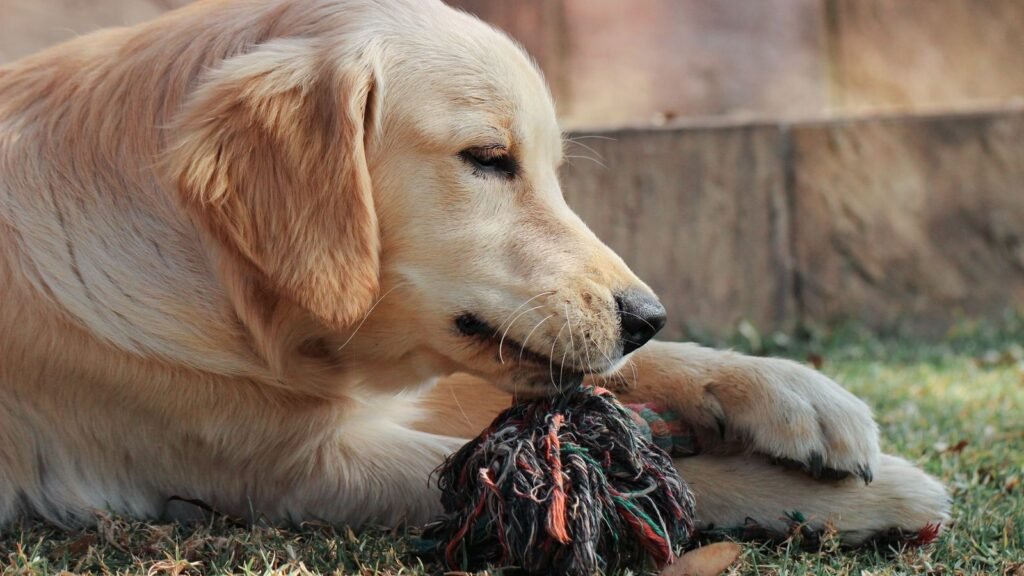
After a lively evening of tug, fetch, and chewing, it is easy for a living-room floor to collect a rope toy, three squeakers, a rubber ball, and the plush toy your puppy has already carried under the sofa twice. The best puppy toy organizer with lid gives those toys one dependable home between play sessions, without making the simple act of choosing a toy feel like a chore for the adult.

The right choice is less about finding the biggest bin and more about matching the lid to your routine. A fully latched tote keeps visual clutter contained and makes it harder for a curious puppy to nose through the contents, but opening and closing latches several times a day can make toy rotation less likely. A fabric cube with a removable lid is quick to access and gentle around furniture, yet it may be easy for a puppy to tip, paw open, or chew. Hinged benches save floor space and look tidy, but a heavy or awkward lid is a poor fit when you need one hand free to manage an excited puppy.
Start with a small, practical measurement: gather the toys you want available this week, place them in a cardboard box, and leave enough room to reach in without dumping everything out. Measure that filled space, then choose an organizer slightly larger rather than a deep oversized chest. For example, a small-apartment setup might hold six daily toys, a chew, a ball, a tug, two soft toys, and a food-stuffable rubber toy, while the remaining toys stay elsewhere for rotation.
Place the organizer where play normally begins, such as beside the sofa or near the puppy’s pen, and use it as an adult-managed toy station rather than assuming any lid is puppy-proof. Determined puppies may chew, tip, open, or climb into unsuitable containers. Keep small loose pieces, damaged toys, treats, and non-toy supplies in separate storage out of reach, and choose a lid with no pinch-prone closing action or tempting chewable hardware.
Choose the Lid Style: Lift-Off, Hinged, Soft, or Latched
For the best puppy toy organizer with lid, start with the way you will open it twice a day: once to set out a small toy selection and once to put toys away. A lid should contain visual clutter and make toys less available between supervised play sessions, but it should not turn cleanup into a frustrating task. Keep only a few sturdy, appropriate toys in the main organizer; store damaged toys, loose squeakers, tiny pieces, treats, and household supplies separately and out of your puppy’s reach.
- Lift-off lid: Choose this for the simplest routine in a small living room or apartment. Lift the lid off, place it on a nearby shelf or table during play, then return it when the session ends. It is easy for an adult to use, but a loose lid can be nudged, chewed, or tipped by a curious puppy, so place the bin against a wall or inside a cabinet rather than leaving it in the middle of the floor.
- Hinged lid: Choose this when the organizer will stay in one location and you want the lid attached. Look for a lid that opens fully and stays open without falling toward your hands. Avoid heavy lids, exposed pinch points, or bench-style lids that could close unexpectedly while a puppy is investigating.
- Soft lid: Choose a fabric cube with a removable or folding lid when low weight and a softer look matter more than strong containment. This style works well for calm, supervised toy rotation, but it is not a good choice for a puppy that pulls fabric, chews corners, or can tip lightweight bins.
- Latched tote: Choose this for overflow toys, seasonal outdoor toys, or reserve toys you do not need every day. Latches contain clutter most effectively, but opening them can be annoying during quick play sessions. Use a separate easy-open organizer for today’s toys rather than repeatedly opening a tightly latched tote.
A practical setup is a lift-off or smooth hinged organizer in the living room with four to six current toys, plus a latched tote on a high closet shelf for the rest. For example, place one rubber chew, one plush, one tug, one ball, and one puzzle-style toy in the daily bin. At the end of the week, swap two items from the reserve tote. This keeps the floor clearer without requiring you to unlock and sort every toy each time your puppy wants to play.
Avoid treating any ordinary lid as puppy-proof. Determined puppies may chew a lid, tip a container, work at gaps, or investigate an open bin. The ASPCA notes that chewing is a common behavior concern and recommends managing access to tempting items while providing appropriate alternatives. If your puppy starts mouthing the organizer, knocking it over, or trying to climb inside, adjust the placement first: move it behind a baby gate, into a closed cabinet, or onto an adult-accessible shelf between play sessions.
Worked Example: One Small Apartment Toy-Rotation Setup
For a small apartment, the best puppy toy organizer with lid is usually not the largest container. It is one that holds the off-duty toys, opens without a struggle when you are choosing a play option, and stays placed where a curious puppy cannot repeatedly investigate it. This example uses a simple toy rotation: a few toys remain available, while the rest are contained between play sessions.
- Rigid plastic bin with lift-off lid:
Rigid plastic bin with lift-off lid, shop optionsSee on Amazon
Choose a low, rectangular bin that is roughly 12 to 16 inches long, with smooth sides and a fully removable lid. Place it on the top shelf of a coat closet, inside a closed cabinet, or on a high utility shelf rather than on the floor. This shape is easy to wipe clean after muddy outdoor toys come inside, and the lift-off lid avoids a hinge that can get in the way when one hand is holding a toy. The tradeoff is that the lid is not a lock: a puppy that can reach the bin may nose it, tip it, or chew its edge.
- Fabric cube with removable lid:
Fabric cube with removable lid, shop optionsSee on Amazon
Use a square, structured fabric cube with a fitted lid for soft toys, fleece tugs, and lightweight plush items. A 13-inch cube can slide into a cubby unit or under a console table, helping the toy station disappear in a living room. This is the most furniture-like option, but it works best when the cube sits inside shelving or another adult-controlled area. Avoid treating fabric as a barrier for a puppy that chews corners, seams, or handles; the ASPCA notes that destructive chewing can lead dogs to damage household items, so keep the organizer itself out of reach if your puppy targets fabric items.
- Hinged storage bench:
Hinged storage bench, shop optionsSee on Amazon
Select a narrow, flat-top bench with an interior compartment and a lid that stays open on supported hinges rather than dropping shut. This option suits an entryway or the foot of a bed because it provides seating while hiding bulkier toys such as rope toys, larger rubber toys, and rolled-up play mats. Check that the lid closes flush, has no exposed pinch points, and is not accessible for unsupervised puppy exploration. A bench is convenient for an adult’s daily reset, but it is not a safe place for treats, small toy parts, cleaning products, or anything a puppy should never reach.
- Latched tote for reserve toys:
Latched tote for reserve toys, shop optionsSee on Amazon
Pick a clear, stackable plastic tote with two side latches and a flat lid for the toys that are not in this week’s rotation. Keep this tote in a closet or on a high shelf, and use it only during a planned swap. Latches contain visual clutter and make spontaneous puppy access less likely, but they can make everyday playtime feel fussy. That is why this is better for reserves than for the two or three toys you select each morning.
In this apartment setup, leave three toys in an open, adult-supervised play basket: one chew-safe toy, one soft toy, and one interactive toy. Keep six to eight other toys in the lidded organizer. After an evening play session, put away the available toys, inspect them for loose pieces or damage, and choose a different small set for the next day.
Do not use the organizer as a puppy-accessible “toy chest.” An ordinary lid is not puppy-proof, and determined puppies may push, chew, tip, or get into unsuitable containers. Store damaged toys, small detachable pieces, treats, and non-toy supplies separately and out of reach. The AKC’s puppy-preparation guidance also supports setting up the home with puppy safety in mind before access becomes a daily problem.
This approach keeps the floor calmer without making toy rotation a chore: easy-open storage supports your routine, while placement, not the lid alone, limits puppy access between play sessions.
Keep the Bin Useful With a Simple Weekly Reset
The best puppy toy organizer with lid is the one that supports a routine you will actually keep: toys come out easily for supervised play, return to one defined place afterward, and do not remain scattered across the room between sessions. A lid helps create that boundary, but it should not turn putting toys away into an annoying extra task.
Try this short reset once a week, preferably before your puppy’s usual active play period. Bring the organizer to an open floor area, empty it, and sort what is inside before refilling it.
- Remove damaged toys: Set aside toys with loose stuffing, detached squeakers, frayed rope, cracked rubber, or pieces that are becoming small enough to swallow. Do not keep damaged items in the regular toy bin “for later.”
- Choose a small active set: Return only a few toys that suit this week’s play: for example, one chew toy, one soft toy, one fetch toy, and one simple interactive toy. This keeps the floor calmer and makes cleanup faster.
- Store off-duty toys separately: Put the remaining clean, intact toys inside the lidded organizer or a higher reserve location, depending on how your chosen lid works. Keep treats, grooming supplies, small pieces, and non-toy household items out of the toy container.
- Check the opening: Open and close the lid once with one hand while holding a toy in the other. If the lid catches, pinches, falls shut, or requires fiddly latches for everyday use, reserve that container for less-frequent toy rotation rather than daily access.
- Return the bin to its spot: Place it where an adult can reach it quickly but where a curious puppy cannot easily tip, chew, or investigate it unsupervised.
For example, a puppy owner in a small living room might keep four active toys in a low, supervised play area and place the remaining toys in a closed organizer beside a media unit. After evening play, the active toys go back into the bin, the lid is closed, and the floor is clear without needing a large furniture piece or a complicated storage system.
A fully latched container may contain clutter most securely, but it can make daily rotation less convenient. An easy-open lid makes the routine smoother, yet still needs thoughtful placement and adult supervision; no ordinary organizer should be treated as puppy-proof.
Next step: Tonight, gather every puppy toy from the floor, choose four for tomorrow, and test whether your current bin can hold the rest without being awkward to open or easy for your puppy to tip.
FAQ
What should I know about choose the lid style: lift-off, hinged, soft, or latched?
For the best puppy toy organizer with lid, start with the way you will open it twice a day: once to set out a small toy selection and once to put toys away. A lid should contain visual clutter and make toys less available between supervised play sessions, but it should not turn cleanup into a frustrating task.
What should I know about worked example: one small apartment toy-rotation setup?
For a small apartment, the best puppy toy organizer with lid is usually not the largest container. It is one that holds the off-duty toys, opens without a struggle when you are choosing a play option, and stays placed where a curious puppy cannot repeatedly investigate it.
What should I know about keep the bin useful with a simple weekly reset?
The best puppy toy organizer with lid is the one that supports a routine you will actually keep: toys come out easily for supervised play, return to one defined place afterward, and do not remain scattered across the room between sessions. A lid helps create that boundary, but it should not turn putting toys away into an annoying extra task.