
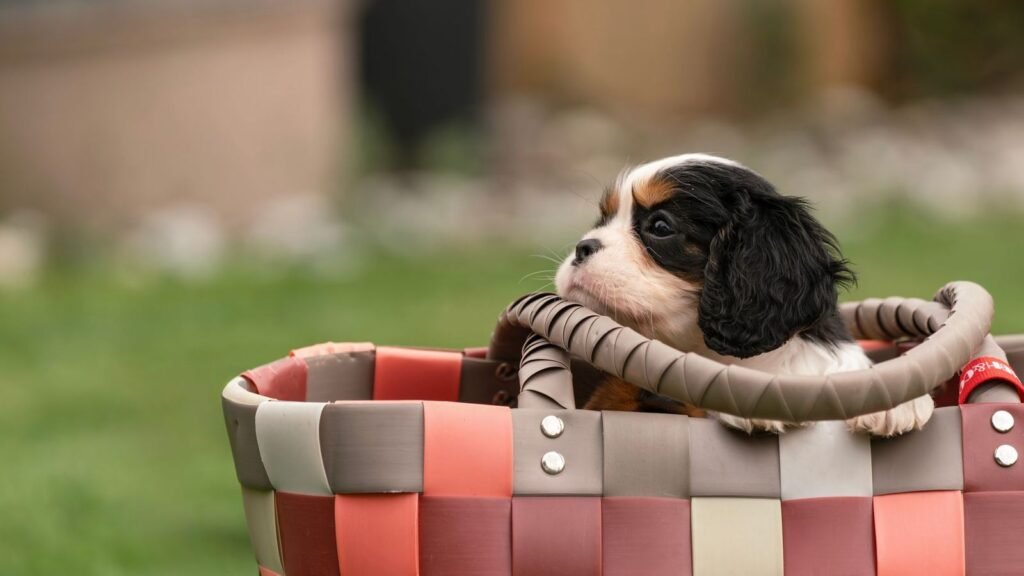
If you are working on budget-friendly puppy storage ideas for renters, start with one practical change that improves day-to-day use in your actual space.
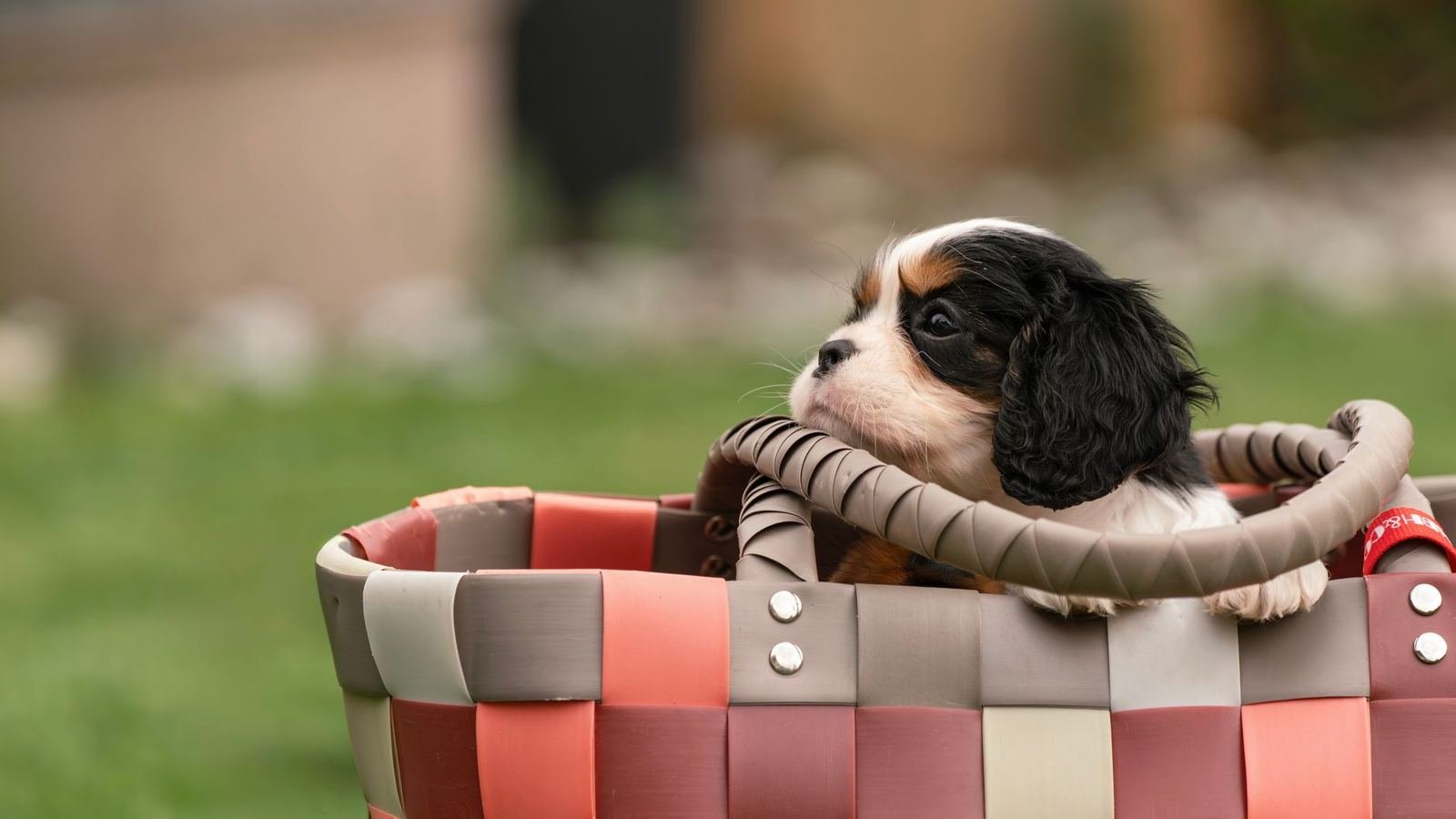
New puppy owners living in rental spaces often face the dilemma of needing to efficiently store a variety of puppy essentials without investing in large, costly furniture or making permanent changes to their home. The key is to utilize existing space smartly and incorporate multi-functional storage solutions that cater to both your budget and your lease agreement. One immediate strategy is to assess your current space for unused storage areas. Consider underutilized spots like the area under your bed or the back of a closet door, which can be transformed with simple storage hacks.
For instance, hanging organizers that typically fit over doors can be a lifesaver for stashing smaller items like leashes, brushes, and toys, keeping them accessible yet out of sight. These organizers are affordable, easy to install, and don’t require any permanent fixtures, making them perfect for rentals. By thinking creatively and employing such solutions, you can maintain a tidy home environment while ensuring all your puppy’s needs are met without breaking the bank.
Choose Multi-Functional Furniture: Utilize What You Already Have
One of the smartest ways to manage puppy supplies in a rental space is by making the most of the furniture you already have. Multi-functional furniture can serve dual purposes, helping you save both money and space. Start by looking at pieces that can double as storage, such as ottomans, benches, or coffee tables with hidden compartments. These can easily store toys, blankets, and other puppy essentials while keeping your living area tidy.
Consider using bookshelves or entertainment units creatively. By dedicating one or two shelves to puppy supplies, you can keep items organized and accessible without needing additional furniture. Use baskets or bins on these shelves to categorize items like grooming tools, leashes, and waste bags. Opt for clear containers so you can quickly see what’s inside, making it easier to grab what you need in a hurry.
For those who have limited floor space, think vertically. Wall-mounted shelves can be a great addition to any room, providing extra storage without taking up valuable floor space. Hooks are another excellent option for hanging leashes or collars, ensuring they’re always within reach while freeing up drawer or closet space. Just remember to use adhesive hooks or removable mounting strips to avoid any damage to rental walls.
Don’t forget about underutilized spaces, such as the area under your bed or couch. Slide storage bins or baskets underneath to stash away less frequently used items like seasonal clothing or extra bedding for your puppy. This approach maximizes the storage capacity of your existing furniture without cluttering your living space.
Tip: When selecting multi-functional furniture, prioritize pieces that blend seamlessly with your existing décor. This not only maintains the aesthetic appeal of your home but also ensures your puppy’s gear doesn’t stand out as clutter.
By using what you already have and being strategic about storage solutions, you can create an organized, puppy-friendly home without overextending your budget. This approach is especially beneficial for renters, who often face space constraints and restrictions on permanent modifications. With a little creativity and planning, you can easily maintain order and enjoy a tidy, harmonious living space with your furry friend.
Maximize Vertical Space: Use Shelves and Hooks
Finding efficient and budget-friendly ways to organize puppy supplies in rental spaces can be challenging. By utilizing vertical space with shelves and hooks, you can keep your puppy’s gear organized without cluttering your home. Follow these steps for a practical approach:
- Assess Your Walls: Begin by identifying available wall space in rooms like the living area, kitchen, or hallway. Consider walls that are underutilized but within reach for daily use. Why: This will help you visualize where shelves and hooks can be added without interfering with existing decor. Done: You’ve identified at least two potential wall areas for installing storage solutions. Pitfall: Avoid walls that may have hidden wiring or plumbing; use a stud finder to ensure safe installation.
- Choose Appropriate Shelving: Select lightweight, inexpensive shelves that match your rental’s aesthetics. Floating shelves are ideal as they provide storage without taking up floor space. Why: Shelves are perfect for storing items like treats, grooming tools, and small toys. Done: You’ve purchased and assembled shelves that fit your space and style. Pitfall: Ensure your shelves are securely mounted to prevent accidents, especially in high-traffic areas.
- Install Hooks for Easy Access: Strategically place hooks below shelves or in narrow spaces to hang leashes, collars, and waste bags. Why: Hooks offer quick access to frequently used items, making walks and outings more efficient. Done: Hooks are installed at a convenient height, allowing easy grab-and-go access. Pitfall: Avoid overloading hooks, which can lead to wall damage; distribute weight evenly.
- Organize by Frequency of Use: Place everyday items like food bowls and toys on lower shelves for easy reach. Reserve higher shelves for seasonal or less frequently used items. Why: This organization method reduces daily clutter and keeps essentials accessible. Done: Supplies are arranged based on their usage frequency, minimizing search time. Pitfall: Avoid placing heavy or fragile items on high shelves to prevent accidents.
- Incorporate Decorative Bins: Use small bins or baskets on shelves to categorize smaller items like grooming tools, toys, and treats. Choose bins that complement your décor. Why: Bins help maintain order and prevent small items from getting lost. Done: Each bin is labeled and holds specific types of items for quick identification. Pitfall: Avoid using bins that are too large for your shelves, as this can create a cluttered look.
- Regularly Review and Rotate Items: Set a monthly reminder to review your puppy’s supplies, rotating items to reflect seasonal needs or discarding expired products. Why: Regularly updating your setup ensures that storage remains functional and not overwhelmed by unused items. Done: You’ve streamlined your setup, ensuring optimal use of vertical space without unnecessary clutter. Pitfall: Overlooked expired items can take up space and lead to disorganization; stay vigilant during reviews.
By maximizing vertical space with shelves and hooks, you can create a tidy and efficient storage system for your puppy’s supplies, keeping your rental home organized and clutter-free. This approach offers a practical and budget-friendly solution for renters, ensuring that both you and your furry friend have a comfortable living environment.
Organizing Puppy Supplies: Tips for Easy Access and Cleanup
When settling into a rental space with your new puppy, organizing supplies can quickly become a challenge. Here are some common pitfalls new puppy owners face and how to avoid them while keeping things budget-friendly.
- Ignoring Vertical Space: A common mistake is not utilizing vertical space effectively. This oversight leads to cluttered floors and limited walking space, making the area feel cramped. To optimize space, install wall-mounted shelves or hooks where you can hang leashes, toys, or even bags of food. This not only frees up floor space but also keeps items accessible and organized.
- Overlooking Multi-Functional Furniture: Many new owners purchase single-purpose storage units, which can quickly consume precious space in a rental apartment. Instead, consider using furniture that doubles as storage, such as ottomans with hidden compartments or benches with under-seat storage. This approach maximizes your available space without the need for additional furniture.
- Not Labeling Containers: With numerous supplies like grooming tools, toys, and treats, it’s easy for items to become mixed up and misplaced. Skipping labeling can lead to frustration when searching for specific items. Use labels or clear bins for different categories of supplies. This organization method saves time and keeps everything tidy.
- Storing Items in Hard-to-Reach Places: Placing frequently used items in inconvenient locations can disrupt your routine and make daily tasks more cumbersome. Ensure everyday essentials like food bowls, leashes, and cleaning supplies are stored within easy reach. Keep less frequently used items in higher storage areas or in the back of storage shelves.
- Overloading the Space with Unnecessary Supplies: Buying too many supplies can lead to overcrowding and chaos. Focus on essentials and avoid impulse purchases. Periodically assess your puppy’s needs and donate or discard items that are no longer useful. This practice not only keeps your space organized but also ensures you’re only keeping what’s necessary.
By avoiding these common missteps, you’ll create a more organized and comfortable living environment for both you and your puppy. Utilizing budget-friendly strategies will help you maintain a tidy home without the need for costly furniture additions.
Budget-Friendly Storage Products: Recommendations for Renters
Living in a rental space with a new puppy can be a challenge when it comes to organizing their supplies without breaking the bank. Fortunately, there are budget-friendly products that can help keep your home tidy and efficient. Here are some practical recommendations for renters seeking affordable ways to store puppy gear.
- Collapsible storage bins: These are a great addition to any room and can be easily tucked away when not in use. Choose bins with fun designs to add a personal touch to your space while keeping toys, leashes, and grooming tools organized.
- Over-the-door organizers: Perfect for small apartments, these organizers can hang on any door to store items like treats, toys, and cleaning supplies. They maximize space without requiring permanent fixtures, making them ideal for renters.
- Under-bed storage boxes: Utilize the often-overlooked space under your bed with flat storage boxes. They’re perfect for storing extra puppy blankets or seasonal gear, keeping them out of sight but easily accessible.
- Wall-mounted shelves: Installing lightweight, removable shelves can help you make the most of vertical space without damaging walls. Use them to display decorative baskets filled with your puppy’s essentials.
- Portable playpens: A foldable playpen can serve dual purposes by containing your puppy during playtime and providing a temporary storage solution for toys and other supplies when not in use.
Incorporating these storage solutions can significantly reduce clutter and make managing puppy supplies in a rental home more straightforward. These options are cost-effective and renter-friendly, ensuring you maintain a tidy living space without permanent alterations. Consider starting with one or two of these ideas this week to see how they fit your lifestyle. Your next step? Identify which areas of your home could benefit from these budget-friendly storage solutions and prioritize organizing the items you use most frequently.