
Creating a Puppy Comfort Zone
There’s a certain kind of magic in seeing a tiny puppy settle down for the first time in a spot you’ve carefully put together for them. Creating a puppy comfort zone isn’t just about throwing a bed on the floor; it’s about crafting a space where your pup feels safe, calm, and ready to learn about the world—without sending you into chaos at home. I’ve watched puppies (and people) get overwhelmed. The good news? Most people miss this completely, but setting up a comfort zone right from day one makes a bigger difference than you expect. Here’s what I’ve learned about turning a corner of your home into a puppy’s sanctuary.
What Exactly Is a Puppy Comfort Zone?
A puppy comfort zone is a dedicated space that keeps your puppy cozy, secure, and happy. It’s where they can retreat when things get noisy or busy, and typically includes a bed or crate, some favorite toys, and access to water. This spot becomes their base camp—helping them navigate the chaos while giving you an anchor point to manage clutter and supplies.
Why Does My Puppy Need a Comfort Zone?
Puppies get overwhelmed fast. New sights, sounds, smells—it’s a whirlwind. Without their own quiet corner, they can get anxious, destructive, or overly clingy. A comfort zone helps them self-soothe, builds confidence, and cuts down on those moments where you’re scrambling to clean up a chewing disaster. Plus, it’s a big step in teaching boundaries and routines.
Choosing the Right Spot in Your Home
Setting up a comfort zone starts with location. Pick a low-traffic, quiet corner of your home where your puppy won’t be constantly startled by loud noises or too much foot traffic. I’ve seen people put crates next to kitchen islands or busy living room walkways—big mistake. Puppies need a calm, cool spot where they can watch what’s going on without feeling swarmed.
BarkBox - Monthly Dog Subscription Box
Get your puppy the best toys and treats delivered monthly! BarkBox offers premium dog toys, treats, and chews that are perfect for growing puppies. Each box is curated by experts and includes 2 toys, 2 bags of treats, and a chew.
Amazon Puppy Essentials
Everything you need for your new puppy in one place. From crates and beds to food bowls and training pads, Amazon has all the essentials at great prices with fast shipping.
Tip: A corner near a wall is perfect—it’s cozy and gives your pup a feeling of being “backed up.” Avoid spots with constant drafts or direct sunlight. Comfort is king.
Must-Have Items for Every Puppy Comfort Zone
Don’t overthink this. Start simple. A soft bed or crate mat is non-negotiable. The crate itself, if you choose to use one, should be appropriately sized—not too big for the puppy to lose that cozy den feeling, but big enough to lie down and turn around comfortably.
Toys matter. But here’s where folks get tripped up: too many toys create clutter and overwhelm. Instead, plan a toy rotation system. Keep a few favorites in the comfort zone and stash the rest elsewhere using smart organizing puppy supplies solutions. Switch them out every few days to keep your pup interested and redirect chewing away from your shoes or furniture.
Water access is another must. Use a spill-proof bowl or mount one on the side of the crate area. That little adjustment prevents puddles and makes cleanup easier.
How To Organize Puppy Supplies Without Losing Your Mind
Trust me: nothing kills the puppy comfort vibe faster than a mountain of stuff crowding the space. Use storage solutions that evolve with your puppy’s needs. PuppyStorage.com offers fantastic organizing puppy supplies bins and racks that keep leashes, toys, food bags, and grooming tools all in one place. This keeps your comfort zone tidy—and your sanity intact.
Food storage is a big one. Airtight containers keep kibble fresh, prevent spills, and make feeding time a breeze. Organize feeding bowls nearby but off the floor to avoid messes, especially during those wobbly puppy eating moments.
Training the Puppy to Use Their Comfort Zone
Don’t just set it up and expect your puppy to get it. Introducing your pup to their comfort zone should be gentle and positive. Reward your pup with treats, praise, and calm affection when they enter or settle down in that space. Resist the urge to constantly pull them out or close the door on them unless it’s purposeful crate training.
This is where things quietly go wrong for many owners—the puppy’s space becomes associated with punishment or loneliness. Keep it upbeat. Make it their favorite hangout.
And yes, using calming scents or a piece of your worn t-shirt in the space helps with that familiar, safe feeling. Experiment with things like white noise machines or soft music to drown out household noises.
How PuppyStorage Can Help Your Comfort Zone Evolve
Growth happens fast. Your puppy won’t stay “tiny” for long, and neither will their needs. By integrating systems that easily adapt, you avoid constantly redoing your setup. Modular storage bins, adjustable shelving, and clever hooks for leashes and accessories help your puppy’s space stay functional without a major overhaul.
This kind of organization also streamlines clean-up after those inevitable “oops” moments, so neither you nor your pup feels trapped by the mess.
Want a deeper dive on those essential playthings? Check out Puppy Toys—your guide to keeping toys exciting and your space organized.
Frequently Asked Questions
How do I get my puppy to like their crate or comfort zone?
Start slow. Use treats and toys as positive reinforcements. Let your puppy explore at their own pace. Don’t force or lock them in immediately. Turn it into a game or resting spot that’s rewarding and comfortable.
What’s the best way to store puppy supplies without clutter?
Use dedicated bins and shelves near the comfort zone but out of the way. Label containers for food, toys, grooming tools, and leashes so you can grab what you need quickly. Rotate toys regularly to avoid overwhelm.
Can a puppy comfort zone help with separation anxiety?
It won’t fix it entirely but can reduce stress by offering a safe spot. Combine this with gradual crate training, exercise, and confidence-building activities. Consistency matters more than anything.
How often should I change or rotate my puppy’s toys?
Every few days is ideal. Keeping the toy selection fresh keeps your pup engaged, prevents boredom, and can reduce destructive chewing.
Where should I keep puppy food for easy access but safe storage?
In airtight containers near your feeding area but elevated enough to avoid spills or pests. A spot close to the comfort zone but not in high traffic works best.
What do I do if my puppy refuses to use their comfort zone?
Don’t panic. Re-evaluate location, comfort, and introductions. Make it inviting with toys and treats. Sometimes shifting the spot slightly or spending more time near it with your pup works wonders.
Is it okay to have toys outside the comfort zone?
Absolutely. Keep some toys in the play area but manage them through rotation to maintain interest and keep the comfort zone a calm retreat.
Setting up a puppy comfort zone isn’t just about space—it’s about creating a little world where your new best friend feels grounded and loved. Remember, this isn’t a perfect science. I’ve seen tiny disaster zones turn into peaceful retreats with a few thoughtful tweaks. That’s your goal here—peace for your pup, sanity and order for you. Once the space is right and your supplies are organized, the whole home feels easier to manage. It’s not just a puppy place; it’s a launching pad for lifelong good habits and happy memories.

Now retrieving an image set.
Blue Buffalo Life Protection Formula Adult Dry Dog Food, Helps Build and Maintain Strong Muscles, Made with Natural Ingredients, Chicken & Brown Rice Recipe, 30-lb. Bag
$67.98 (as of April 9, 2026 21:39 GMT -05:00 - More infoProduct prices and availability are accurate as of the date/time indicated and are subject to change. Any price and availability information displayed on [relevant Amazon Site(s), as applicable] at the time of purchase will apply to the purchase of this product.)
Now retrieving an image set.
ARM & HAMMER Clump & Seal SLIDE Platinum Multi-Cat Clumping Cat Litter, Easy Clean Technology with No Scrubbing, 14-Day Odor Control, 37 lbs
$34.99 (as of April 9, 2026 21:39 GMT -05:00 - More infoProduct prices and availability are accurate as of the date/time indicated and are subject to change. Any price and availability information displayed on [relevant Amazon Site(s), as applicable] at the time of purchase will apply to the purchase of this product.)
Now retrieving an image set.
Amazon Basics Leak-Proof Dog and Puppy Potty Training Pee Pads with Quick-Dry 5-Layer Super Absorbent Design, Regular Size 22 x 22 inch, Blue & White, 100 Count
$17.45 (as of April 9, 2026 21:39 GMT -05:00 - More infoProduct prices and availability are accurate as of the date/time indicated and are subject to change. Any price and availability information displayed on [relevant Amazon Site(s), as applicable] at the time of purchase will apply to the purchase of this product.)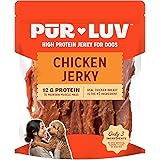
Now retrieving an image set.
Pur Luv Chicken Jerky Dog Treats, Made with 100% Real Chicken Breast, 16 Ounces, Healthy, Easily Digestible, Long-Lasting, High Protein, Satisfies Dog's Urge to Chew
$13.99 (as of April 9, 2026 21:39 GMT -05:00 - More infoProduct prices and availability are accurate as of the date/time indicated and are subject to change. Any price and availability information displayed on [relevant Amazon Site(s), as applicable] at the time of purchase will apply to the purchase of this product.)
Now retrieving an image set.