

Establishing Feeding and Sleep Routines
Bringing a new puppy home is a joyful and exciting time, but it also comes with many new responsibilities. One of the most important steps you can take to ensure your puppy grows up healthy and well-adjusted is establishing feeding and sleep routines early on. These routines provide structure, help with house training, reduce anxiety, and lay the foundation for good behavior. In this post, we’ll explore practical guidance for new puppy owners on how to create effective feeding schedules and sleep habits that benefit both you and your furry friend.
Why Feeding and Sleep Routines Matter
Consistent routines help your puppy understand what to expect each day, which reduces stress and promotes a sense of security. Establishing set feeding times supports digestive health, encourages regular potty breaks, and contributes to balanced nutrition. Similarly, a predictable sleep schedule helps your puppy recharge properly, aids brain development, and can prevent behavioral issues caused by overtiredness. Together, these routines form the backbone of your puppy’s daily life.
Setting Up an Effective Feeding Routine
Begin by selecting a high-quality puppy food formulated to meet your dog’s specific nutritional needs based on breed size and age. Puppies require nutrient-dense meals to support rapid growth and energy demands. It’s best to divide the daily recommended portion into multiple small meals rather than one large feeding to ease digestion.
Most puppies under three months old should eat four meals a day. Between three to six months, reduce feeding to three times daily, and after six months, many dogs do well with two meals. Stick to consistent times each day, preferably morning, midday, and early evening, to regulate hunger and energy levels.
Use a feeding area dedicated solely to meal times and keep water available at all times. Avoid free feeding (leaving food out all day), as it can lead to overeating and disrupt potty training. If your puppy does not finish their meal within 15-20 minutes, remove the food and offer it again at the next scheduled meal to encourage routine eating habits.
Tracking mealtimes also makes it easier to monitor your puppy’s health. Sudden changes in appetite or eating patterns can be an early sign of illness and should be noted and discussed with your veterinarian if concerned.
Creating a Healthy Sleep Schedule
Puppies need an average of 18-20 hours of sleep per day to support their physical and mental development. Establishing a consistent sleep environment and routine will help them feel safe and calm. Choose a quiet, comfortable, and draft-free spot for your puppy’s bed or crate. Crate training, in particular, can contribute to a predictable sleep routine and also assist in house training.
Set regular nap times throughout the day and a consistent bedtime. Young puppies often tire quickly after play or training sessions, so watch for signs like yawning, slowing down, or whining—these can signal it’s time to rest. Maintaining a consistent bedtime routine (such as a calm play session followed by quiet time) helps prepare your puppy to settle in for the night.
Limit stimulants or excitement before bedtime to avoid difficulty falling asleep. Avoid loud noises, vigorous play, or feeding right before bed. Remember that puppies may wake during the night, especially in the first few weeks home. If your puppy wakes up, try to comfort them calmly without engaging in play, then guide them back to their sleeping area.
Tips for Integrating Feeding and Sleep Routines Into Daily Life
Consistency is key to establishing these routines successfully. Use alarms or reminders during the first few weeks if necessary to keep feeding and sleep times steady. This consistency also helps coordinate potty breaks, which are easiest right after meals or naps.
Keep a daily journal to monitor your puppy’s sleep times, feeding habits, and elimination patterns. This record can be extremely valuable for adjusting routines as your puppy grows or if you notice any irregularities.
Incorporate positive reinforcement during feeding and sleep times. Praise calm behavior near the feeding area and when settling down to sleep. Use treats or gentle petting to encourage your puppy to look forward to these routine activities.
Lastly, be patient. Puppies are learning about their new environment and schedule, and minor setbacks can happen. With time, these routines will become natural rhythms that support your puppy’s health, comfort, and happiness.
For a more comprehensive guide on preparing for your puppy’s arrival and other essential care tips, visit our Start Here pillar page.
Conclusion
Establishing feeding and sleep routines is one of the most impactful ways to support your puppy’s early development and overall well-being. With consistency, patience, and attention to your puppy’s needs, these routines become a natural part of daily life, fostering a sense of security and promoting healthy habits. As your puppy grows, these early foundations will make training, housebreaking, and bonding much smoother. Taking time to implement deliberate feeding and sleeping patterns is a gift that benefits both you and your pup for years to come.
Frequently Asked Questions
How often should I feed my puppy each day?
Young puppies under three months typically need four small meals a day. Between three and six months, three meals daily work well, and after six months, two meals are usually sufficient. Always follow your vet’s recommendations based on your puppy’s breed and health.
Can I free-feed my puppy instead of scheduling meals?
Free-feeding is generally not recommended since it can lead to overeating and make potty training more challenging. Scheduled meals help regulate digestion and support a consistent bathroom routine.
What is the best place for my puppy to sleep?
A quiet, cozy area away from household traffic and loud noises is ideal. Many trainers recommend crate sleeping for puppies to provide a safe den-like environment and assist with house training.
My puppy wakes up a lot at night. Is this normal?
It’s common for puppies to wake during the night, especially in the first few weeks in a new home. Be patient, keep nighttime interactions calm and minimal, and gradually your puppy will adjust to longer sleep periods.

Now retrieving an image set.
Purina Fancy Feast Gravy Lovers Poultry and Beef Grilled Gourmet Wet Cat Food Variety Pack - (Pack of 24) 3 oz. Cans
$22.86 (as of April 5, 2026 21:35 GMT -05:00 - More infoProduct prices and availability are accurate as of the date/time indicated and are subject to change. Any price and availability information displayed on [relevant Amazon Site(s), as applicable] at the time of purchase will apply to the purchase of this product.)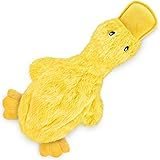
Now retrieving an image set.
Best Pet Supplies Interactive Squeaky Dog Chew Toy, Ideal Dog Toys for Chewers, Small, Medium & Large Dogs, and Fetch Lovers - Crinkle Duck (Yellow), Large
$6.79 (as of April 5, 2026 21:35 GMT -05:00 - More infoProduct prices and availability are accurate as of the date/time indicated and are subject to change. Any price and availability information displayed on [relevant Amazon Site(s), as applicable] at the time of purchase will apply to the purchase of this product.)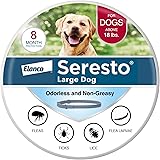
Now retrieving an image set.
Seresto Flea & Tick Collar For Dogs Over 18 lbs., Treatment & Prevention, Vet-Recommend, 8 Month Protection
$59.92 (as of April 5, 2026 21:35 GMT -05:00 - More infoProduct prices and availability are accurate as of the date/time indicated and are subject to change. Any price and availability information displayed on [relevant Amazon Site(s), as applicable] at the time of purchase will apply to the purchase of this product.)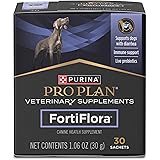
Now retrieving an image set.
Purina Pro Plan Veterinary Supplements FortiFlora Daily Probiotics for Dogs, Helps Digestive Gut Health and Diarrhea - 30 ct. Box
$30.99 (as of April 5, 2026 21:35 GMT -05:00 - More infoProduct prices and availability are accurate as of the date/time indicated and are subject to change. Any price and availability information displayed on [relevant Amazon Site(s), as applicable] at the time of purchase will apply to the purchase of this product.)
Now retrieving an image set.