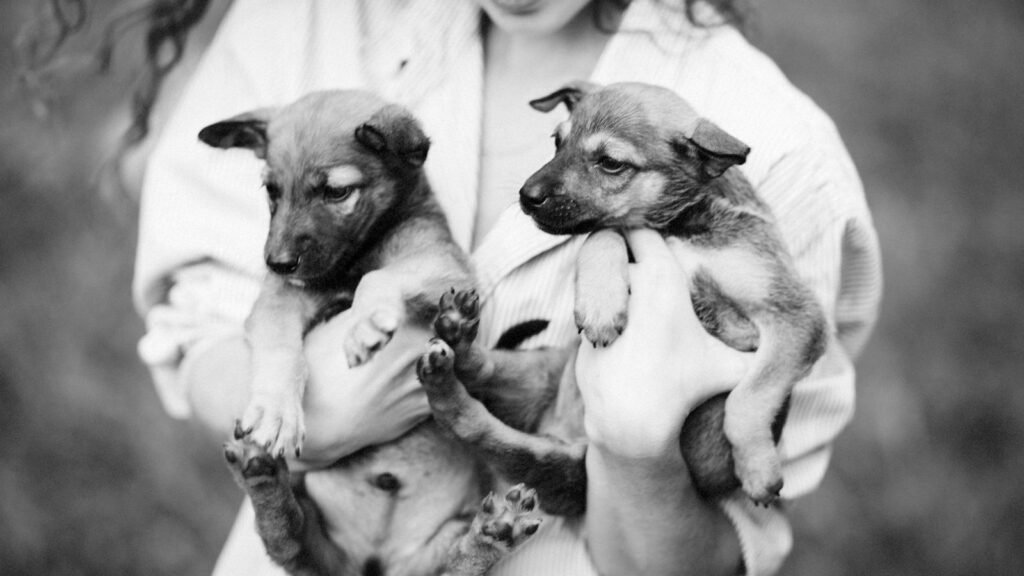
Imagine bringing a new puppy into your home, full of energy and curiosity. One of the first challenges you’ll face is understanding how long can puppies hold their pee, a crucial aspect of effective potty training. As a new puppy owner, you might find yourself constantly watching for signs that your furry friend needs to go out, and it can be quite overwhelming. Knowing how long your puppy can reasonably hold their pee is not just about avoiding accidents; it’s about managing their health and comfort while easing your daily routine.
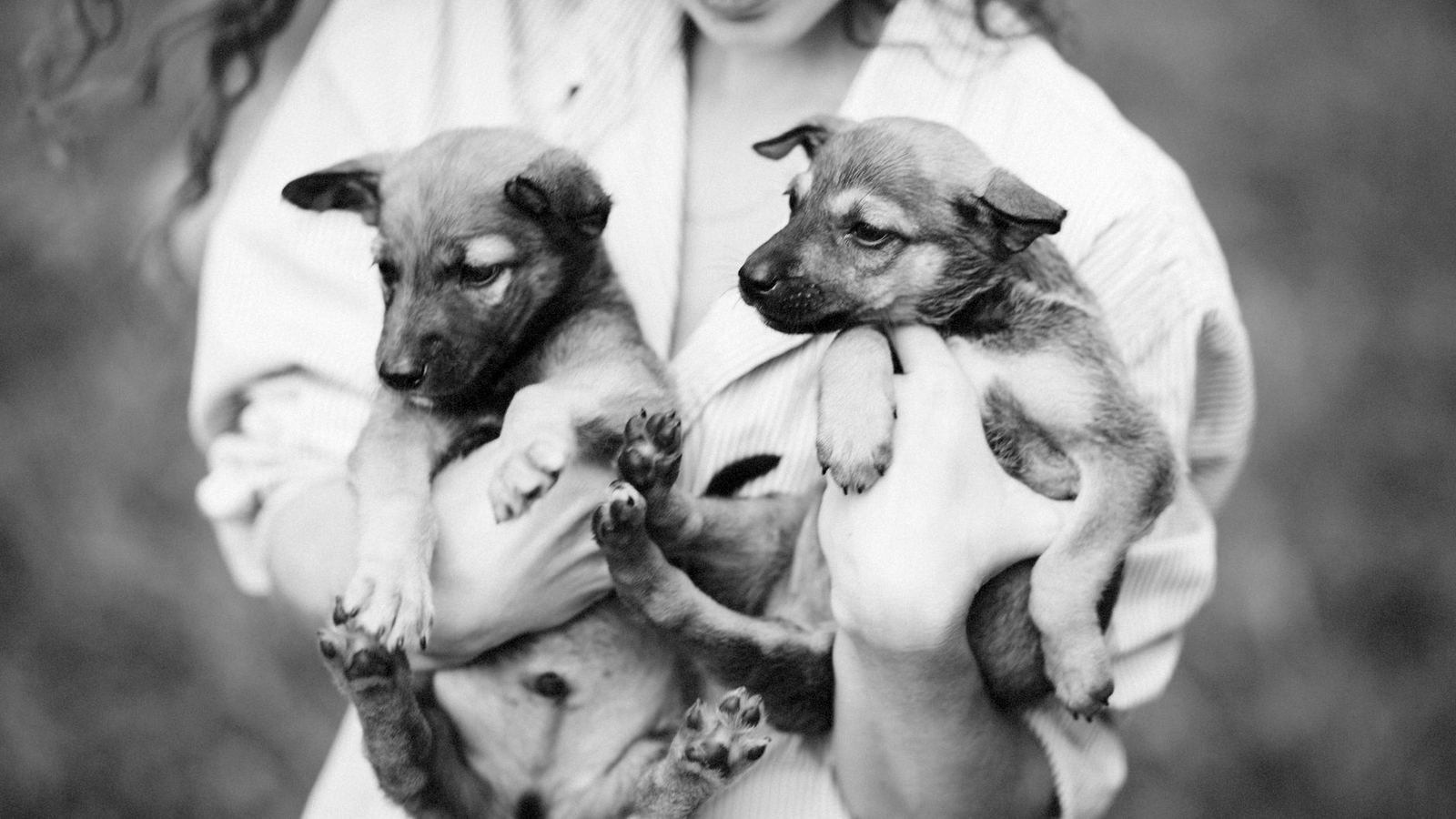
Puppies, like human babies, have developing bladders, and their ability to hold urine is limited. The general guideline is that puppies can hold their pee for about one hour for every month of age, up to about eight hours. So, a two-month-old puppy might need a bathroom break every two hours. However, this can vary based on factors such as breed, size, and individual temperament. Smaller breeds, for instance, may need more frequent breaks compared to larger ones.
One immediately useful tip is to establish a consistent potty schedule. By taking your puppy out at regular intervals—such as first thing in the morning, after meals, and before bedtime—you help them learn when and where it’s appropriate to relieve themselves. This routine not only aids in preventing accidents but also builds a sense of security for your puppy as they begin to understand what is expected of them.
Understanding your puppy’s signals is also key. Squirming, whining, or sniffing around are common indicators that a bathroom break is needed. By paying close attention to these signs and responding promptly, you can better manage their needs and reduce the chances of indoor accidents. With patience and consistency, you’ll find that potty training becomes a manageable part of your daily life, ensuring both you and your puppy are happy and stress-free.
Factors Affecting How Long Puppies Can Hold Their Pee
Understanding how long puppies can hold their pee is crucial for effective potty training and avoiding accidents in the home. Several factors influence a puppy’s bladder control, and recognizing these can help you tailor your training approach.
Age and Development: A puppy’s age is the primary factor in determining bladder capacity. Typically, a puppy can hold its pee for about one hour for every month of age. For example, a three-month-old puppy can generally wait about three hours between potty breaks. However, this is a guideline, not a strict rule, as individual puppies may vary.
Size and Breed: The size and breed of your puppy can also impact how long they can hold their pee. Larger breeds may have larger bladders and thus can hold their urine longer than smaller breeds. For instance, a tiny Chihuahua might need more frequent breaks compared to a larger Labrador Retriever of the same age.
Diet and Hydration: What your puppy eats and drinks can affect how often they need to urinate. Puppies who drink a lot of water or consume wet food may need to relieve themselves more frequently. Keeping an eye on your puppy’s water intake, especially during playtime or after meals, can help you anticipate when they might need a break.
Activity Level: Active puppies may need more frequent potty breaks. Physical activity stimulates metabolism and can increase urination frequency. After a session of play or exercise, it’s a good idea to take your puppy outside to prevent accidents.
Emotional State: Stress or excitement can also affect a puppy’s ability to hold their pee. New environments, meeting new people, or the presence of other animals can lead to accidents. Creating a calm and consistent routine can help reduce stress-related urination.
By considering these factors, you can better anticipate your puppy’s needs and adjust your potty training schedule accordingly. Always remember to be patient and consistent, as each puppy will develop bladder control at their own pace.
Tips for Effective Potty Training
Potty training is an essential part of bringing a new puppy into your home. Understanding how long your puppy can hold their pee is crucial for this process. Here is a step-by-step guide to help you train your puppy effectively while considering their bladder capacity.
- Establish a Routine: Puppies thrive on routine, so start by setting a consistent schedule for feeding, playtime, and potty breaks. Take your puppy out first thing in the morning, after meals, and before bedtime. A reliable schedule helps your puppy understand when it’s time to go outside, reducing the risk of indoor accidents.
- Timing: Take your puppy out every 1-2 hours. Puppies can typically hold their pee for about one hour per month of age, plus one.
- Pitfall: Inconsistent timing may confuse your puppy, leading to more accidents indoors.
- Use a Designated Potty Spot: Choose an outdoor area where you want your puppy to relieve themselves. This spot should be easily accessible and consistent each time you go out.
- Why: Using the same spot helps your puppy associate the location with going potty, which encourages faster learning.
- Done Looks Like: Your puppy heads directly to the spot and successfully relieves themself.
- Pitfall: Changing the location can confuse your puppy and delay potty training progress.
- Positive Reinforcement: Reward your puppy immediately after they successfully go potty outside. Use treats, praise, or affection to reinforce the behavior.
- Why: Positive reinforcement builds a connection between the action and the reward, encouraging your puppy to repeat the behavior.
- Done Looks Like: Your puppy eagerly goes outside and waits for their reward after going potty.
- Pitfall: Delayed rewards can confuse your puppy about what action is being praised.
- Monitor Indoor Behavior: Keep an eye on your puppy indoors for signs they need to go, such as sniffing or circling. Quickly take them outside if you notice these cues.
- Why: Recognizing and responding to these signs can prevent accidents and reinforce outdoor potty training.
- Done Looks Like: Fewer accidents indoors as you become attuned to your puppy’s signals.
- Pitfall: Ignoring signs can lead to frequent indoor accidents, hindering progress.
- Limit Indoor Freedom: Until your puppy is fully trained, restrict their access to certain areas of the home when unsupervised. Use baby gates or a playpen to create safe, manageable spaces.
- Why: Limiting access helps prevent accidents and makes it easier to monitor behavior.
- Done Looks Like: Your puppy has fewer accidents and learns to wait for outdoor breaks.
- Pitfall: Giving too much freedom too early can result in more indoor accidents.
- Avoid Punishment: If your puppy has an accident indoors, clean it up calmly and avoid scolding. Instead, focus on reinforcing the desired behavior when they go outside.
- Why: Punishment can create fear and anxiety, which may hinder training progress.
- Done Looks Like: A calm, consistent approach that encourages your puppy to learn from their mistakes.
- Pitfall: Harsh reactions can damage trust and slow down training.
By following these steps and understanding how long puppies can hold their pee, you can effectively manage potty training and enjoy a cleaner, happier home. Remember, patience and consistency are key to success.
Common mistakes to avoid
Understanding how long puppies can hold their pee is essential for successful potty training and maintaining a clean home. However, new puppy owners often make some common mistakes. Here’s how to avoid them:
- Mistake 1: Overestimating Your Puppy’s Bladder Capacity
Many new owners assume puppies can hold their pee for as long as adult dogs. This can lead to accidents and frustration. Puppies, especially younger ones, have small bladders and need more frequent potty breaks. A general rule is that puppies can hold their pee for about one hour for each month of age, up to about six months. For example, a three-month-old puppy can typically wait for about three hours. It’s better to err on the side of caution and offer more frequent opportunities for outdoor relief.
- Mistake 2: Inconsistent Potty Break Schedule
Inconsistency in taking your puppy out can confuse them about when it’s appropriate to pee. A regular schedule helps your puppy learn the routine. Aim for taking them out first thing in the morning, after meals, and every couple of hours during the day. Consistent timing helps reinforce the behavior you want and reduces accidents indoors.
- Mistake 3: Ignoring Signs Your Puppy Needs to Go
Puppies often give signals when they need to relieve themselves, such as sniffing the ground or circling. Ignoring these signs can result in accidents. It’s important to learn and recognize these signals early. Promptly responding by taking them outside teaches them that their signals lead to a potty break, reinforcing good habits.
- Mistake 4: Not Adjusting the Plan as Your Puppy Grows
As puppies grow, their bladder capacity increases, and their potty training needs change. Sticking rigidly to a schedule that worked for a younger puppy might not suit an older one. Gradually extend the time between potty breaks as they mature, but remain attentive to any signs that they need to go sooner.
- Mistake 5: Punishing Accidents
Reacting negatively to accidents can instill fear and confusion in your puppy, potentially hindering training progress. Instead of punishment, clean up accidents calmly and reinforce successful trips outside with praise and treats. Positive reinforcement encourages them to repeat the desired behavior.
By avoiding these common mistakes, you can help your puppy develop good potty habits, leading to a cleaner home and a happier pet. For more detailed guidance, consider resources from reputable organizations like the AKC and ASPCA.
Organizing Your Home for Easy Access to Outdoor Relief
Creating a well-organized home environment is essential for managing your puppy’s potty training effectively. This week, focus on setting up a routine that helps both you and your puppy get used to regular outdoor relief. Start by designating a convenient spot near the entrance of your home for storing essential items like a leash, waste bags, and a jacket if it’s cold. This will make it easier to quickly head outside when your puppy signals the need to go.
Consider using a small, accessible basket or hook system to keep these items within arm’s reach. Having everything ready will reduce the time it takes to get outside, which is crucial for preventing accidents. Additionally, ensure that your puppy’s crate or sleeping area is close to the door. This proximity will help in quickly transitioning from rest to outdoor activity.
As you implement this routine, remember that understanding how long puppies can hold their pee is key. Young puppies may need to go out every hour, while older puppies can gradually extend this time. Observe your puppy’s behavior and adjust the frequency accordingly. Consistency in timing and pathway to the designated potty area will help reinforce good habits.
This week, focus on observing your puppy’s signals and responding promptly. By doing so, you’ll gain a better understanding of their natural rhythms, making it easier to anticipate their needs. As a next step, try logging the times your puppy successfully goes outside and any accidents that occur. This will help identify patterns and adjust your routine as needed to improve potty training success.