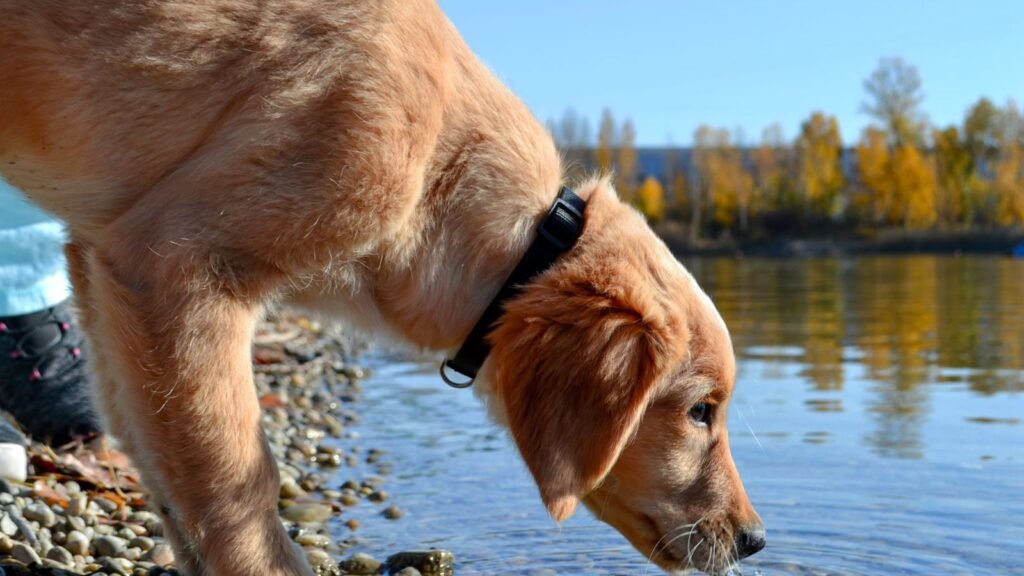
Bringing a new puppy into your home is an exciting time, filled with playful moments and adorable antics. However, one of the first questions many new puppy owners face is, “how much water should a puppy drink per day?” Ensuring your puppy stays properly hydrated is crucial for their health and development. Puppies are more prone to dehydration than adult dogs, so understanding their water needs is essential for their well-being. On average, a puppy should drink about half a cup of water every two hours. Monitoring their water intake is vital, especially if they are very young or have just transitioned to solid food.
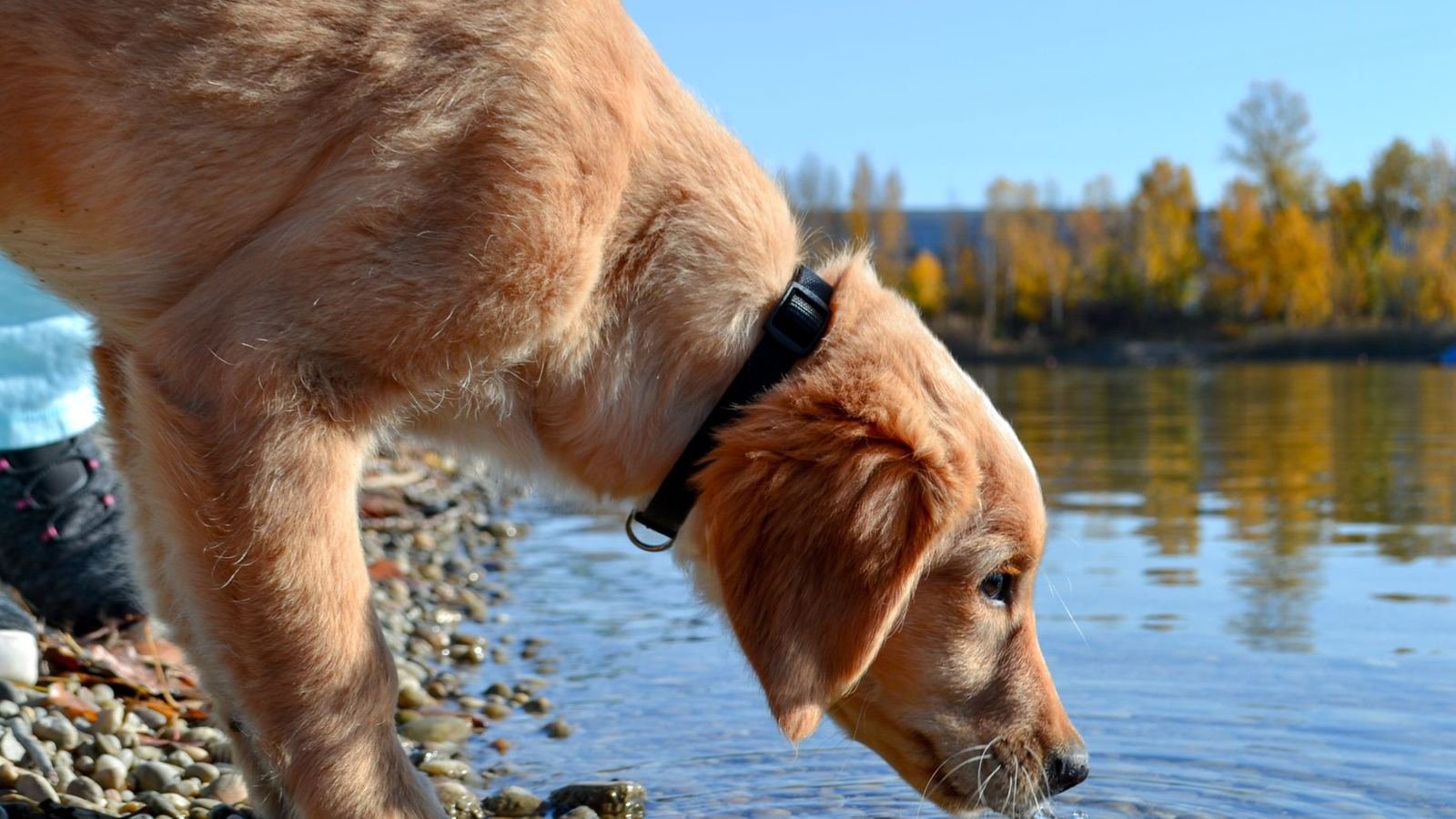
It’s easy to overlook, but proper hydration supports everything from digestion to temperature regulation in puppies. As a new owner, you need practical guidance on how to manage this aspect of puppy care efficiently. One immediate tip to help you ensure your puppy stays hydrated is to create a consistent water schedule. Keep fresh water available at all times, but also observe your puppy’s drinking habits to avoid overconsumption, which can lead to frequent urination and possible house-training setbacks.
Pet Health Disclaimer: This content is for informational purposes only and is not veterinary advice. Always consult a licensed veterinarian for diagnosis, treatment, or medication decisions.
Several factors can affect how much water your puppy needs daily, including their age, size, activity level, and even the weather. For instance, a highly active puppy playing outdoors on a warm day will naturally need more water compared to a less active one lounging inside. Additionally, if your puppy’s diet consists of dry kibble, they will require more water than puppies eating wet food, which already contains moisture.
As you learn about your puppy’s hydration needs, watch for signs of dehydration, such as reduced energy levels, sunken eyes, or dry gums. These indicators can help you adjust their water intake as needed. Starting with these practical steps will help ensure your puppy stays happy and healthy as they grow.
Factors Affecting Water Intake
Understanding the factors that influence how much water your puppy drinks can help ensure they remain properly hydrated. Puppies, like humans, have varying needs based on several key factors. Addressing these considerations will enhance your ability to manage your puppy’s hydration effectively.
Size and Age: Puppies require different amounts of water depending on their size and age. Generally, puppies need about half a cup of water every two hours. However, larger breeds or older puppies might require more due to their increased body mass and activity levels. It’s important to adjust their water intake as they grow and their activity levels change.
Activity Level: Highly active puppies will naturally need more water to replenish fluids lost through physical exertion. If your puppy enjoys long play sessions or regular walks, ensure they have access to water before and after these activities to prevent dehydration.
Dietary Considerations: The type of food your puppy eats can also affect their water intake. Puppies fed dry kibble may need more water than those on a wet food diet, which already contains a higher moisture content. Monitor your puppy’s hydration needs in relation to their diet and adjust their water intake accordingly.
Environmental Factors: The climate you live in plays a significant role in determining your puppy’s water requirements. Hot and dry environments increase the need for water, as puppies will lose more fluid through panting and sweat. Ensure they have constant access to fresh water, especially during warmer months.
Health and Medical Conditions: Certain health issues can influence your puppy’s water consumption. Conditions like urinary tract infections or diabetes can increase thirst, requiring additional water. Always consult a veterinarian if you suspect health concerns are affecting your puppy’s hydration.
By considering these factors, you can tailor your approach to meet your puppy’s specific hydration needs. Regularly observe your puppy’s drinking habits and adjust as necessary, ensuring they stay healthy and hydrated. Remember to provide fresh water at all times and consider using a water bowl that suits your puppy’s size and breed.
Signs of Dehydration in Puppies
Proper hydration is crucial for your puppy’s health and well-being. Recognizing the signs of dehydration early can prevent serious health issues. Here’s a detailed guide to help you identify dehydration in your puppy, along with actionable steps to ensure they stay hydrated.
- Check Skin Elasticity: Gently pinch the skin on your puppy’s back or the scruff of their neck. Hydrated skin should quickly return to its normal position. If it stays tented or returns slowly, this may indicate dehydration. Pitfall: Be aware that this test is less reliable in puppies with loose skin, such as Bulldogs. Done: Skin snaps back into place quickly.
- Observe Gum Moisture: Gently lift your puppy’s lip and touch their gums. Healthy, hydrated gums should feel moist and appear shiny. Dry or sticky gums could be a sign of dehydration. Pitfall: Ensure your hands are clean to prevent introducing bacteria into your puppy’s mouth. Done: Gums are moist and shiny to the touch.
- Monitor Water Intake: Keep a daily log of how much water your puppy drinks. This can help you spot changes in their hydration habits. Puppies generally need about half to one ounce of water per pound of body weight each day. Pitfall: Don’t mistake spilled water for drinking; use a marked bowl to track actual intake. Done: Consistent water intake that matches daily needs.
- Check for Lethargy: Dehydrated puppies often appear unusually tired or lethargic. Observe your puppy’s activity levels throughout the day. Pitfall: Don’t confuse normal tiredness after playtime with lethargy due to dehydration. Done: Puppy has normal energy after rest and hydration.
- Examine Urine Concentration: Notice the color of your puppy’s urine. Dark yellow or a strong odor can indicate dehydration, while light yellow suggests adequate hydration. Pitfall: Ensure changes in urine color aren’t due to dietary changes. Done: Urine is light yellow and odor is mild.
- Watch for Sunken Eyes: Dehydration can cause your puppy’s eyes to appear sunken or less vibrant. Compare their eyes to how they normally look when healthy. Pitfall: Don’t rely solely on this sign; it should be considered alongside other symptoms. Done: Eyes are bright and normally positioned.
- Monitor Appetite: A decrease in appetite may occur with dehydration. Ensure your puppy is eating their regular meals and responding to treats. Pitfall: Appetite loss can also be due to other health issues; consider a vet visit if it persists. Done: Puppy maintains a normal appetite.
- Assess Physical Activity: Puppies should be playful and active. If your puppy is less interested in playing or exercising, this could signal dehydration. Pitfall: Temporary energy drops might occur after intense play; ensure they have enough rest and water. Done: Puppy engages in normal play and activity levels.
By regularly checking these signs, you can ensure your puppy remains healthy and hydrated. If you notice any persistent signs of dehydration, consult with your veterinarian for advice tailored to your puppy’s health needs. For more detailed guidance on puppy care, explore resources such as the ASPCA and PetMD.
Creating a Hydration Schedule
Establishing a solid hydration schedule is key to ensuring your puppy remains healthy and happy. However, new puppy owners can easily stumble into a few common pitfalls when trying to figure out how much water their puppy should drink per day. Understanding these mistakes and learning how to avoid them can help you keep your puppy properly hydrated.
- Too little water: Some owners, worried about frequent accidents, might limit their puppy’s water intake too much. This can lead to dehydration, which is dangerous for your puppy’s health. Instead, provide fresh water at regular intervals throughout the day, especially after meals and playtime. Puppies typically need about half a cup of water every two hours. Tailor this to your puppy’s size and activity level.
- Too much water at once: Allowing your puppy to drink too much water in one go can overwhelm their small stomachs and lead to bloating or discomfort. Monitor your puppy’s drinking habits and encourage small, frequent sips. Consider using a water bottle dispenser that controls flow, ensuring they don’t guzzle too much at once.
- Inconsistent schedule: Without a consistent schedule, it can be challenging to track your puppy’s water intake, leading to either overhydration or dehydration. Set specific times for water access to help develop a routine. This not only aids in hydration but also helps in potty training since you can predict when your puppy might need a bathroom break.
- Ignoring environmental factors: Many owners forget to adjust water intake based on the weather or indoor heating, which can exacerbate dehydration. On hot days or in heated indoor environments, increase water availability. Always check that your puppy’s water bowl is full and accessible, especially during these conditions.
- Not cleaning water bowls regularly: Dirty bowls can deter puppies from drinking. Bacteria and residue build-up can also lead to illness. Make it a habit to clean your puppy’s water bowl daily with soap and water to ensure it remains inviting and safe for your puppy to drink from.
By identifying these common mistakes and making small adjustments, you can create a hydration schedule that keeps your puppy healthy and prevents unnecessary stress. Always pay attention to your puppy’s individual needs, as they can vary greatly depending on their size, breed, and activity level. Regularly consult trusted resources like the ASPCA or PetMD for further guidance on puppy care.
Tips for Encouraging Water Consumption
Ensuring that your puppy drinks enough water each day is crucial for their health and well-being. Here are some practical tips to encourage water consumption that you can incorporate into your routine:
- Keep water fresh: Make sure to change your puppy’s water bowl at least twice a day to keep it fresh and appealing. Puppies are more likely to drink clean, odor-free water.
- Use multiple bowls: Place water bowls in different areas of your home to make it easy for your puppy to access water wherever they are playing or resting.
- Choose the right bowl: Opt for a bowl that is the right size for your puppy. For smaller breeds, a shallow bowl can be more comfortable, while larger puppies may need a bigger bowl.
- Temperature matters: Some puppies prefer slightly cooler water, especially on warm days. Consider adding a couple of ice cubes to their bowl to make it more inviting.
- Make it fun: Turn water drinking into a game by adding a water fountain designed for pets. The movement and sound can intrigue your puppy and encourage them to drink more.
- Flavor the water: Adding a small amount of low-sodium chicken broth or a splash of tuna juice can make the water more enticing. Just ensure any additives are safe and used in moderation.
- Monitor and adjust: Pay attention to your puppy’s drinking habits and ensure they have consistent access to water throughout the day. If you notice any changes, consult a veterinarian for advice.
By implementing these tips, you’ll help your puppy develop healthy hydration habits. Remember, proper hydration supports their overall growth and energy levels. Start by observing how your puppy responds to these changes, and adjust your approach as needed. With a little patience and consistency, you’ll be able to ensure your puppy stays well-hydrated and happy.