How to Choose Safe Chew Toys
There’s nothing quite like the moment your puppy picks up its first chew toy—tail wagging, eyes wide with that mix of curiosity and pure joy. But then the panic sets in: is this toy really safe? The forgotten horror stories of choking hazards, toxic plastics, and worst yet, broken teeth, suddenly loom large. That’s why How to Choose Safe Chew Toys isn’t just another how-to guide—it’s about carving out peace of mind in the early chaos of puppy parenthood. Because you want your furry friend entertained, not endangered.
What Makes a Chew Toy Safe for Puppies?
A safe chew toy is made of durable, non-toxic materials that can withstand a puppy’s bite without breaking apart into sharp or small choking pieces. It should also be appropriately sized to prevent swallowing and free of harmful chemicals like BPA or phthalates. Choosing toys designed specifically for your puppy’s age and chewing style is the key to keeping playtime safe.
How Often Should You Replace Puppy Chew Toys?
Replace chew toys as soon as you notice cracks, missing chunks, or rough edges that could splinter. Frequent inspection is critical because what starts as a harmless gnaw can quickly turn into a choking hazard or cause mouth injuries. On average, toys may only last a few weeks with heavy chewers, so staying vigilant is part of responsible puppy care.
Understand Your Puppy’s Chewing Style to Choose the Right Toy
Every puppy has a different chewing personality. Some are gentle, others demolish whatever crosses their path. Understanding whether your pup is a “nibbler” or a “crusher” is where most people miss this completely. Start with softer rubber toys or plush for nibblers, and move up to ultra-durable nylon or natural antlers if your pup is a tough chewer. This saves you money and frustration, plus reduces the risk of dangerous fragments.
BarkBox - Monthly Dog Subscription Box
Get your puppy the best toys and treats delivered monthly! BarkBox offers premium dog toys, treats, and chews that are perfect for growing puppies. Each box is curated by experts and includes 2 toys, 2 bags of treats, and a chew.
Amazon Puppy Essentials
Everything you need for your new puppy in one place. From crates and beds to food bowls and training pads, Amazon has all the essentials at great prices with fast shipping.
Material Matters: What Should You Avoid?
Cheap plastic toys might seem tempting—they’re everywhere and often inexpensive—but here’s what surprised me: many contain phthalates or BPA, chemicals you don’t want anywhere near your puppy’s mouth. Steer clear of toys with paints or finishes that can peel. Natural rubber, high-grade nylon, and specially designed food-safe silicone have proven repeatedly to be far safer choices. These materials withstand aggressive chewing without breaking down, making your storage system less cluttered with ruined toys.
The Power of Toy Rotation and Organized Storage
Toy rotation isn’t just a bored owner’s trick—it genuinely makes a bigger difference than you expect. Pulling out fresh toys regularly keeps your puppy engaged and reduces the likelihood they’ll destroy any single item too quickly. But to make this work, efficient puppy environments need organized storage systems that evolve as your puppy grows. Using PuppyStorage.com solutions designed for puppy toys helps keep things tidy, reducing clutter and ensuring you always know which chew toys are clean, intact, and ready to go.
Safe Chew Toys and Food Storage: Two Sides of the Same Coin
Think about it. The way you store your puppy’s food can mirror how you manage their toys. Moisture, biting, and dirt degrade both food and toys if they’re left in disorganized piles or open containers. Investing in sturdy, sealable storage bins that combine both food and toy storage can protect chew toys from scavengers (puppy or otherwise) and keep everything in prime shape. This makes your daily life easier and less prone to the common frustration of “where did that toy go?”
Choosing Safe Chew Toys Meets Practical PuppyStorage Systems
Every puppy requires growth—physically and mentally. Your storage system should reflect that. What works for a 3-month-old pup is very different from a teething 6-month-old who’s turning into a confident adult dog. PuppyStorage’s modular systems let you swap out and store toys simply, minimizing waste and maximizing safety. When chew toys are easy to find and swap, you’re more likely to stick with a toy rotation plan that keeps your puppy happy and off destructive chewing paths.
For a deeper dive into picking out fun items that will last, check out Puppy Toys. There’s a surprising art to combining fun and safety, and organizing those picks right at home supercharges your puppy’s progress.
Frequently Asked Questions
Can all chew toys be used for puppies of every age?
No. Puppies at different ages chew differently and have varying jaw strengths. Soft rubber or plush toys suit young puppies, while tougher nylon or antler toys are better for older, more aggressive chewers.
How do I know if my puppy is chewing too aggressively?
If your puppy breaks or damages chew toys frequently or injures their mouth, that’s a sign of aggressive chewing. Opt for stronger toys and check them regularly for damage to avoid risks.
What’s the best way to store puppy chew toys at home?
Keep toys clean and organized in dedicated bins or storage containers. Rotation is easier when toys are neatly stored, preventing clutter and prolonging toy life.
Are natural chew items like antlers safer than plastic toys?
They can be, but only if sized correctly and monitored during use. Antlers are extremely hard and may cause tooth fractures if your puppy chews too aggressively or if the antler splinters.
How often should I clean my puppy’s chew toys?
Regularly. Some chew toys can be washed weekly, especially if used indoors, to reduce bacteria buildup. Check manufacturer recommendations and use safe cleaning methods.
Is it okay to let my puppy have one favorite toy all the time?
One toy is fine if it’s safe and intact, but rotating toys keeps your puppy mentally stimulated and prevents boredom or over-wear on a single item.
What signs indicate a chew toy needs to be replaced immediately?
Look for cracks, missing pieces, rough or sharp edges, or chew toys that have become misshapen. These can pose choking or injury hazards and should be replaced immediately.
Choosing chew toys isn’t as simple as grabbing the cheapest or flashiest item off the shelf. It’s about understanding your puppy’s unique chewing style and being vigilant about what ends up in that excited little mouth. Mixing tough materials, mindful rotation, and good storage reduces chaos—and honestly? Makes your role as a puppy parent a little less frazzled. Safe chew toys mean fewer worries, more wagging tails, and those moments where everything just clicks. That’s the real win.
Now retrieving an image set.
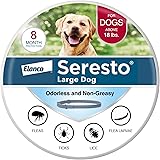
Seresto Flea & Tick Collar For Dogs Over 18 lbs., Treatment & Prevention, Vet-Recommend, 8 Month Protection
$59.92 (as of April 11, 2026 21:40 GMT -05:00 - More infoProduct prices and availability are accurate as of the date/time indicated and are subject to change. Any price and availability information displayed on [relevant Amazon Site(s), as applicable] at the time of purchase will apply to the purchase of this product.)
Now retrieving an image set.
Earth Rated Pet Wipes for Dogs and Cats, Hypoallergenic, 3-in-1 Cleaning, Deodorizing and Hydrating, for Grooming Paws, Body and Butt, Unscented, 100 Count
$9.78 (as of April 11, 2026 21:40 GMT -05:00 - More infoProduct prices and availability are accurate as of the date/time indicated and are subject to change. Any price and availability information displayed on [relevant Amazon Site(s), as applicable] at the time of purchase will apply to the purchase of this product.)
Now retrieving an image set.
ARM & HAMMER Clump & Seal SLIDE Platinum Multi-Cat Clumping Cat Litter, Easy Clean Technology with No Scrubbing, 14-Day Odor Control, 37 lbs
$34.99 (as of April 11, 2026 21:40 GMT -05:00 - More infoProduct prices and availability are accurate as of the date/time indicated and are subject to change. Any price and availability information displayed on [relevant Amazon Site(s), as applicable] at the time of purchase will apply to the purchase of this product.)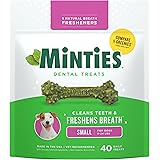
Now retrieving an image set.
Minties Dog Dental Bone Treats, Tiny/Small Dental Dog Treats, 16 Ounces, Cleans Teeth, Fight Bad Breath, Removes Plaque and Tartar, 40 Count
$9.94 (as of April 11, 2026 21:40 GMT -05:00 - More infoProduct prices and availability are accurate as of the date/time indicated and are subject to change. Any price and availability information displayed on [relevant Amazon Site(s), as applicable] at the time of purchase will apply to the purchase of this product.)
Now retrieving an image set.