
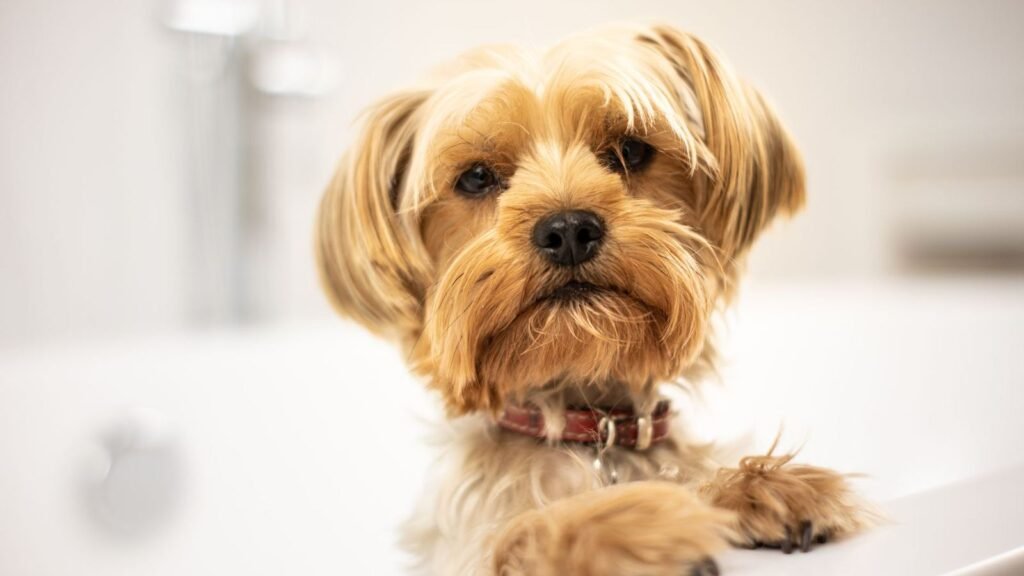
Learning how to create a puppy grooming station can be as simple as claiming one small, puppy-proof spot before the first muddy paws, loose fur, or surprise bath turns the bathroom into a scavenger hunt. Picture a weekday evening: your puppy has stepped in something messy, the towel is in the laundry room, the shampoo is behind other bottles in the shower, and the brush has disappeared into a drawer. A compact station keeps the items you reach for together while keeping chewable bottles, sharp tools, and small pieces out of curious reach.
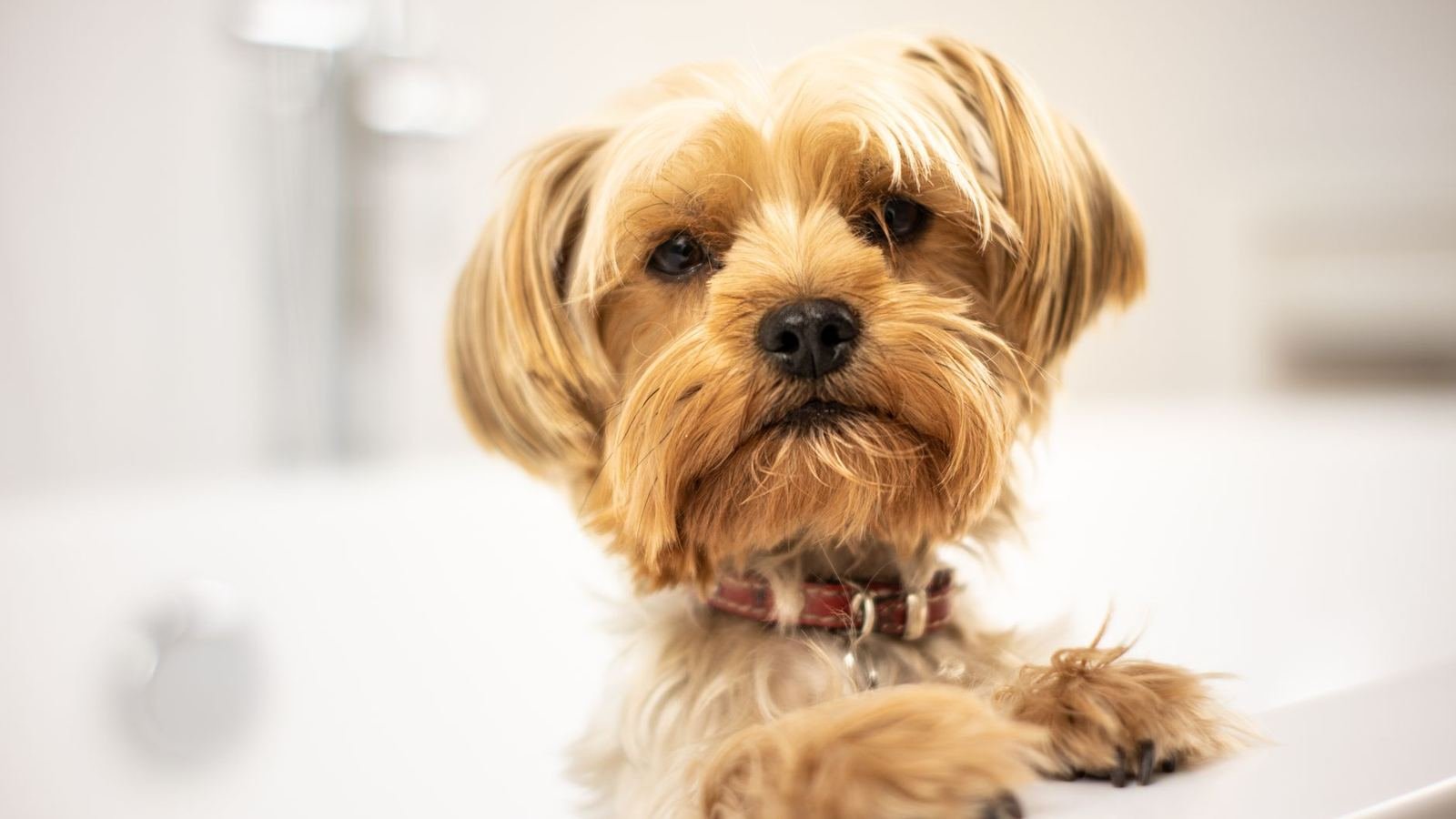
The goal is not a salon setup or a cabinet full of matching containers. It is one reliable home base for a brush, comb, clean towels, puppy-safe shampoo, a cleanup cloth, and nail-trim tools. When those supplies live in separate bathroom cabinets, under the sink, and beside the washing machine, routine care creates clutter fast. Leaving a brush on the floor or nail clippers on the counter may seem convenient for a few minutes, but it gives an exploring puppy something they can grab, chew, or carry away. Shampoos, nail clippers, grooming scissors, and other small or sharp items should be stored closed and out of the puppy’s reach.
Start today by choosing a high shelf, closed cabinet, or closet shelf near the place where grooming usually happens. Put a washable towel in the bottom of a lidded bin or handled caddy, then add only the supplies used for puppy grooming. This simple towel layer catches drips from a damp brush or shampoo bottle and makes the container easier to wipe clean. Keep daily brushing supplies near the top, while bath-day items can sit underneath or in a separate closed bin so the station stays useful rather than overfilled.
A portable caddy is a practical choice for renters, shared bathrooms, or homes where grooming happens in more than one room: carry it to the tub, then return it to a high shelf after use. A closed bin inside a bathroom or laundry-room cabinet reduces visual clutter and makes puppy access harder, although it takes an extra minute to bring out before grooming. Either option works when it has a clear home and a quick reset: dry the tools, return every item to its compartment, close the lid or cabinet, and leave the floor clear for your puppy.
Separate Daily Brushing Supplies From Bath-Day Items
When deciding how to create a puppy grooming station, start by splitting supplies into two groups: items used often and items needed only for baths or occasional trims. Keep the daily group ready to grab in one small, dry container, then place the bath-day group in a closed bin or cabinet above puppy level. This keeps a quick brushing session from turning into a search through towels, shampoo bottles, and scattered tools.
For example, a puppy owner using a shared bathroom can keep a handled caddy on a high closet shelf. The caddy holds the brush, comb, a washable cloth, and a few treats for calm practice. A separate lidded bin holds shampoo, extra towels, nail clippers, grooming scissors, and cleanup supplies. Bring the bin down only when it is time for a bath or scheduled grooming task, then return it immediately afterward.
- Daily brushing caddy: Keep the brush or comb, a small towel for loose fur, and a cloth for wiping the handle in an open-top caddy or shelf basket. Store it high enough that the puppy cannot pull it down, but close enough that brushing is easy to fit into the normal routine.
- Bath-day bin: Put shampoo, rinse items, spare towels, and cleanup cloths in a lidded bin. Close it before returning it to a cabinet, closet shelf, or other secure location. Liquids can leak, so an easy-to-wipe bin is more practical than a fabric basket for this group.
- Small-tool pouch: Place nail clippers, grooming scissors, and other small or sharp items inside a zipped pouch or closed case within the bath-day bin. Shampoos, nail clippers, grooming scissors, and other small or sharp items should always be stored closed and out of the puppy’s reach.
- One clean-towel limit: Reserve one towel in the daily area for a wet paw or minor mess. Keep the larger bath towels with the bath supplies so damp, bulky linens do not take over the everyday station.
Avoid leaving the caddy on the bathroom floor, open under the sink, or beside the tub between uses. Puppies may investigate loose objects with their mouths, and the ASPCA notes that chewing is a common behavior issue that owners should manage by keeping tempting items unavailable and providing appropriate alternatives. ASPCA guidance on destructive chewing offers helpful context for keeping household items secured.
Adjust the split when your routine changes. If muddy walks make towel use daily, move two small towels into the daily caddy and shift extra towels to the closed bin. If brushing happens in the living room rather than the bathroom, carry only the daily caddy there and keep all liquids and sharp tools in the secured bath-day storage. The goal is not a large grooming setup; it is a dependable two-part system that is quick for you to use and uninteresting for your puppy to reach.
Create a Quick Reset Routine After Each Grooming Session
The difference between a grooming station that stays useful and one that slowly becomes a pile of damp towels, loose fur, and missing tools is a short reset. For how to create a puppy grooming station that works on a busy weekday, make the reset part of the session rather than a separate chore for later. Aim for five minutes after a brush-out and 10 minutes after a bath. The order matters: secure small tools first, deal with wet items next, then return the station to its ready position.
-
Put the puppy in a safe, occupied spot before touching the supplies. Once grooming ends, guide your puppy to their pen, crate, or another puppy-safe area with an appropriate activity while you reset the station. This gives you both hands free to close containers and prevents a curious puppy from grabbing a brush, towel, or bottle while you are turned toward the sink.
Why: Puppies often investigate items left at floor level, and the ASPCA notes that chewing can become destructive when dogs have access to unsuitable objects. A quick separation removes the temptation instead of relying on a verbal “leave it.”
Done looks like: Your puppy is no longer beside the open caddy or cabinet, and no grooming item is left on the floor, tub edge, or bathroom counter.
Pitfall: Do not leave your puppy loose “for just a minute” while you carry towels to the laundry room. That is often when a nail clipper, shampoo cap, or comb disappears behind a toilet or under a cabinet.
-
Contain loose fur before it travels through the house. Take 30 to 60 seconds to pull hair from the brush, comb, grooming mat, and nearby floor. Put it directly into a lined trash can or a small lidded waste container kept beside the station. If you groomed in the bathroom, use a dry paper towel to gather fur from the counter rather than rinsing a large clump into the drain.
Why: Capturing fur at the station keeps it from sticking to wet towels, drifting into hallway corners, or ending up in the laundry basket with clean clothes.
Done looks like: The brush bristles are visibly clear, the grooming surface is free of hair, and the waste container lid is closed.
Pitfall: Avoid dropping a fur-filled brush into the caddy as-is. The hair will transfer to shampoo bottles, handles, and clean towels, making the next session feel messy before it starts.
-
Separate damp laundry from supplies immediately. Hang a used towel over a towel bar, drying rack, or the side of a laundry hamper until it is dry enough to wash. If your puppy had a bath, place the bath towel and any washable grooming mat directly into a designated laundry basket instead of folding them back into the station.
Why: A closed bin is useful for dry backstock towels, but it is the wrong place for a damp towel. Moist fabric can make the station smell stale and can leave the next towel unusable when you need it quickly after a rainy walk.
Done looks like: Only clean, dry towels are stored with grooming supplies; used towels are drying or already in the laundry flow.
Pitfall: Do not drape a wet towel over the closed cabinet door and call the reset finished. It may slide to the floor, where an unsupervised puppy can mouth it or track dampness through the room.
-
Wipe and dry the tools that return to the daily-use section. Use a clean cloth to remove moisture from the brush handle, comb, and the outside of shampoo bottles. Check that caps are fully tightened before putting liquids away. Keep nail clippers, grooming scissors, and other small or sharp tools in a closed pouch or lidded container, then place that container on a high shelf or inside a latched cabinet.
Why: This keeps residue from spreading through the caddy and sets a clear safety boundary: tools are available to the adult setting up the session, not to the puppy exploring the room.
Done looks like: Shampoo is upright with its cap closed, sharp or small tools are enclosed, and the daily brush is clean and dry in its assigned compartment.
Pitfall: Do not toss nail clippers into an open top basket because the station is “up high.” A visiting child, a knocked-over basket, or an open cabinet door can quickly change that access.
-
Return each item to its assigned zone in the same sequence. Put daily brushing items back first, then bath-day liquids, then the closed small-tool container. In a portable caddy, this might mean brush in the front pocket, shampoo upright in the center, and the zippered tool pouch at the back. In a bathroom closet, return the brush basket to the front of the shelf and the closed bath bin behind it.
Why: A consistent return order prevents the familiar pre-grooming search through several cabinets. It also reveals when something is missing before the next bath or nail-trim session.
Done looks like: The station has one clear home for the brush, towels, shampoo, cleanup items, and enclosed tools, with nothing balanced on top or left near the sink.
Pitfall: Avoid creating a temporary “deal with it later” pile on the washing machine. Those piles tend to absorb unrelated bathroom items and make the station less reliable each week.
-
Do a 20-second readiness check before leaving the room. Look for five things: closed liquids, enclosed clippers or scissors, dry daily tools, damp towels outside the storage bin, and a clear floor. For a renter or shared-bathroom household using a portable caddy, lift the caddy by its handle and store it in a closed closet or on a high shelf. For a cabinet-bin setup, close and secure the cabinet door.
Why: The caddy is convenient because it can travel from a bathroom to a laundry area, but it needs to be put away after every use. A closed cabinet bin reduces visual clutter and puppy access, though it requires opening the cabinet and setting up before grooming begins.
Done looks like: Another household member could walk into the room and see a normal, uncluttered bathroom or laundry area, not evidence of a grooming session.
Pitfall: Do not store the caddy permanently beside the tub or on the bathroom floor. Its portability only helps if it ends each session out of reach.
For example, after brushing a puppy in a small apartment bathroom, the reset can be finished before the puppy’s dinner: place the puppy behind a gate, remove fur from the slicker brush, hang the towel used under their paws, wipe the brush handle, zip nail tools into their pouch, and carry the caddy to the hall closet. The next brushing session starts with one grab, not a search through the bathroom cabinet, kitchen drawer, and laundry basket.
Worked Example: A Bathroom Closet Station for One Puppy
When learning how to create a puppy grooming station, it helps to picture one ordinary setup rather than buying a full matching system. In a bathroom with a small linen closet, reserve one middle shelf for grooming supplies. Put a closed bin at the back for shampoo, nail clippers, grooming scissors, and other small or sharp items. Keep these items closed and out of the puppy’s reach, rather than on the tub ledge or under an open sink. A puppy may investigate accessible objects by chewing, so putting tempting supplies behind a closed door reduces the chance that the station becomes a source of clutter or trouble. The ASPCA also notes that management, keeping tempting items out of reach, matters when preventing destructive chewing.
At the front of the shelf, place a small handled caddy with the brush, comb, a clean washcloth, and a towel for quick brushing or muddy-paw cleanup. The caddy is useful because it can move to the bath, kitchen floor, or laundry area and then return to its assigned shelf. This is a practical choice for renters or people sharing a bathroom: nothing is permanently installed, and the entire routine can travel when needed.
A closed cabinet bin is the better choice when visual clutter and puppy access are the main concerns. It keeps supplies hidden and contained, but it takes a little more setup before grooming because you need to bring the bin out, open it, and return each item afterward. Both approaches work; choose the one that makes it easiest to put supplies away consistently.
Several common mistakes can make even a small station harder to use:
- Leaving supplies around the tub: Bottles, clippers, and brushes may be handy for one session, but they soon spread across the bathroom and can be reached by a curious puppy. The better move is to keep only the item currently being used out, then return it to the caddy or closed bin.
- Using an open floor basket: A basket looks simple, but it gives a puppy easy access to chewable handles, bottles, and small tools. Use a lidded bin inside a cabinet, or place a shelf basket high enough that the puppy cannot reach it.
- Mixing grooming supplies with household toiletries: When puppy shampoo is tucked among adult products, a routine bath can turn into a cabinet search. Give puppy items one clearly defined container, with a simple label such as “Puppy Grooming.”
- Storing every towel in the grooming caddy: A large stack makes the caddy bulky and encourages it to live on the floor. Keep one designated puppy towel in the caddy and store clean backups on a higher closet shelf.
- Choosing storage that is too complicated: A multi-box system may look organized but can be frustrating during a quick cleanup. For one puppy, one daily-use caddy plus one closed bin for bath-day and sharp items is usually enough.
The goal is not a perfect bathroom display. It is a dependable home base where the brush, towel, shampoo, and cleanup supplies are easy for you to locate and difficult for your puppy to reach.
FAQ
What should I know about separate daily brushing supplies from bath-day items?
When deciding how to create a puppy grooming station, start by splitting supplies into two groups: items used often and items needed only for baths or occasional trims. Keep the daily group ready to grab in one small, dry container, then place the bath-day group in a closed bin or cabinet above puppy level.
What should I know about create a quick reset routine after each grooming session?
The difference between a grooming station that stays useful and one that slowly becomes a pile of damp towels, loose fur, and missing tools is a short reset. For how to create a puppy grooming station that works on a busy weekday, make the reset part of the session rather than a separate chore for later.
What should I know about worked example: a bathroom closet station for one puppy?
When learning how to create a puppy grooming station , it helps to picture one ordinary setup rather than buying a full matching system. In a bathroom with a small linen closet, reserve one middle shelf for grooming supplies.