

Sharing a living space with a new puppy can bring joy, but it can also lead to unexpected challenges, especially when it comes to fixing puppy clutter in shared spaces. You might find your once tidy living room now scattered with chew toys, leashes, and puppy pads, creating a source of tension among family members or housemates. This disorganization often leads to conflicts, as everyone navigates around the jumble of puppy supplies while trying to maintain a semblance of order.
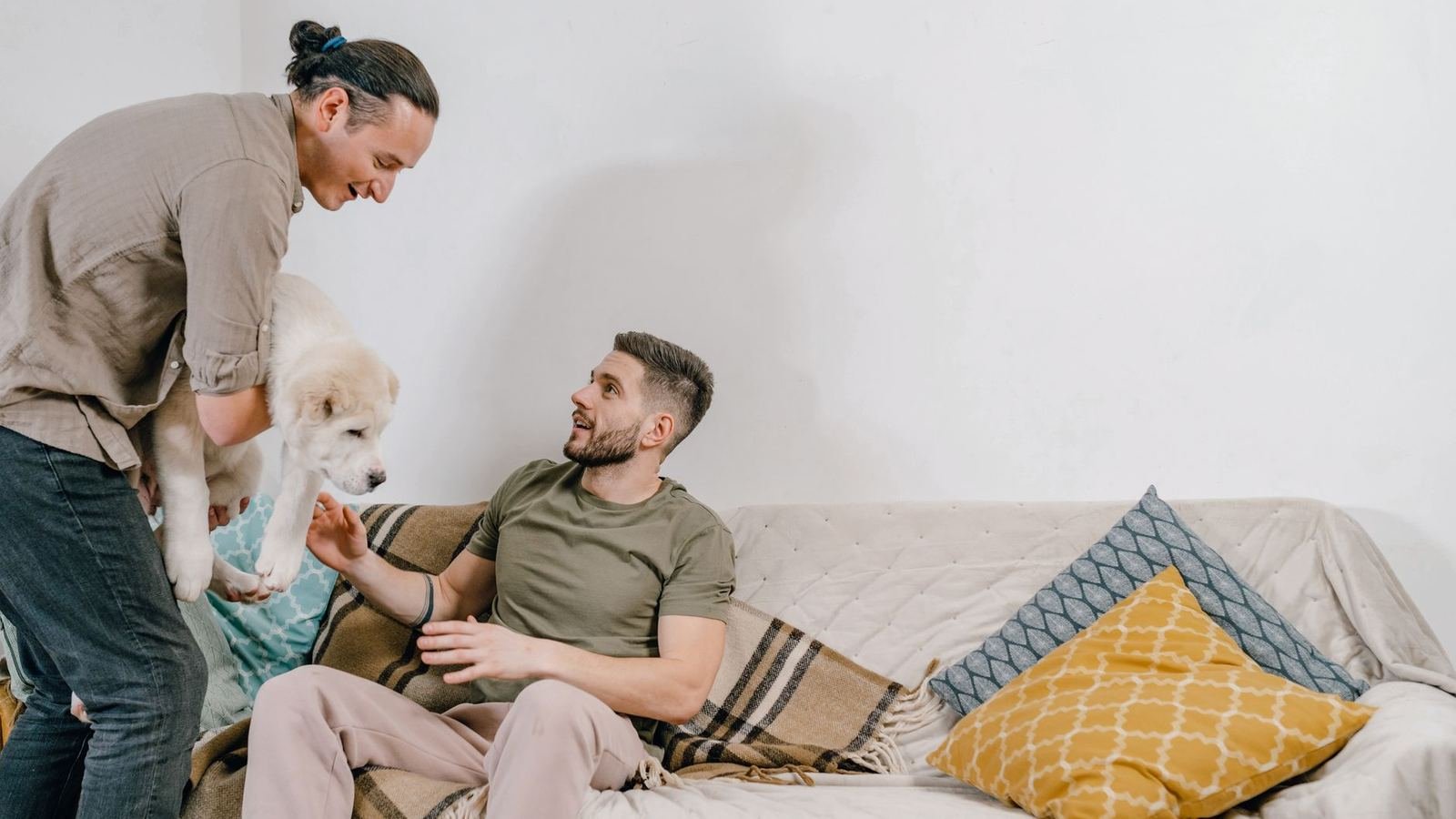
One simple but effective step you can take immediately is to designate specific areas for your puppy’s belongings. By creating a defined zone for toys, food, and other supplies, you can significantly reduce the spread of clutter throughout your home. Consider using a small basket or a decorative bin for toys, which can be easily tucked away when not in use. This not only helps contain the mess but also makes cleanup quicker and more manageable.
To further streamline your efforts, take a moment to assess which areas in your shared living space tend to accumulate the most puppy-related clutter. Identifying these clutter zones allows you to focus your organizational efforts where they are needed most. Perhaps the area near the front door is where leashes and outdoor gear pile up, or the corner of the living room is where toys frequently end up. By recognizing these patterns, you can strategically place storage solutions that align with your household’s routines.
Involving your family or housemates in the process of organizing puppy supplies can also be beneficial. Assigning small tasks, like ensuring toys are returned to their designated spot or taking turns maintaining the cleanliness of shared areas, fosters a sense of shared responsibility. This collaborative approach not only helps manage the clutter but also minimizes potential conflicts, making your home a harmonious place for everyone, including your new furry friend.
Set Up Designated Puppy Areas to Contain Clutter
Creating designated areas for your puppy in shared living spaces is useful when it solves your main constraint to manage clutter effectively and maintain harmony with family members or housemates. Start by identifying specific zones where your puppy can play, eat, and rest. This approach not only helps in organizing puppy supplies but also teaches your puppy to associate these areas with specific activities.
Begin by selecting a corner or a section of the room that can be easily monitored and is away from high-traffic areas. Use a puppy playpen or baby gates to define this space if necessary. This setup helps contain toys, bedding, and other supplies in one area, reducing the spread of clutter throughout the home. Opt for washable mats or rugs within this zone to protect your floors and make cleaning easier.
Next, organize the supplies within this space. Use small baskets or bins to store toys, leashes, and grooming tools. Label each container to ensure that everyone in the household knows where items belong, which promotes consistency in keeping the area tidy. A small shelf or a dedicated drawer can also be useful for storing items like treats, waste bags, and cleaning supplies.
Avoid placing puppy items in random spots around the home, as this can lead to disorganization and confusion. Instead, keep everything related to your puppy in or near their designated area. This strategy minimizes the likelihood of important items being misplaced or forgotten, which can lead to frustration and clutter.
Periodically assess the area to ensure it remains functional and adjust as your puppy grows. As they outgrow toys or require different types of food or supplies, update the storage solutions to accommodate these changes. Regularly clean the space to prevent odors and maintain a pleasant environment for both your puppy and the household.
By designating specific areas for your puppy and organizing supplies efficiently, you can significantly reduce clutter in shared spaces. This approach not only benefits the overall organization of your home but also fosters a sense of responsibility and cooperation among family members or housemates.
Create a Cleaning Schedule for Shared Spaces
Fixing puppy clutter in shared spaces can be a rewarding venture that brings peace and organization back to your home. Establishing a cleaning schedule is useful when it solves your main constraint to keep puppy areas tidy and reduce any potential conflicts with family members or housemates. Follow this practical, step-by-step guide to create a cleaning schedule that works effectively for your shared living spaces.
- Assess the shared areas: Identify the rooms or areas where puppy clutter is most problematic. Common spots include the living room, kitchen, or hallway. Understanding which areas accumulate the most mess will help you focus your cleaning efforts. Done when: You have a clear list of clutter-prone areas.
Pitfall: Avoid overlooking small spaces like entryways that can become cluttered with leashes and toys. - Determine frequency: Decide how often each area needs attention. High-traffic areas may require daily tidying, while others can be addressed weekly. Consider your puppy’s habits and the natural mess they create. Done when: You’ve set cleaning frequencies for each area.
Pitfall: Be realistic about how much time you can commit to cleaning to avoid burnout. - Assign tasks: Break down cleaning into manageable tasks such as putting away toys, vacuuming fur, or wiping surfaces. Assign these tasks to specific days or times. Done when: Each task has a designated time slot in your schedule.
Pitfall: Don’t try to do everything at once; spread tasks throughout the week. - Rotate responsibilities: If you share your home with others, involve them in the cleaning process. Rotate responsibilities to ensure everyone participates and no one feels overwhelmed. Done when: Each person knows their role in the cleaning routine.
Pitfall: Avoid vague assignments; clearly define each person’s duties. - Use reminders: Set reminders on your phone or use a shared calendar to keep the schedule on track. This helps everyone stick to the plan and reduces the likelihood of forgetting tasks. Done when: Reminders are set up and functioning effectively.
Pitfall: Don’t rely solely on memory; use technology to help maintain consistency. - Evaluate and adjust: Regularly review the effectiveness of your cleaning schedule. Adjust as necessary based on changes in your puppy’s behavior or household dynamics. Done when: The schedule feels manageable and effective for everyone involved.
Pitfall: Avoid stubbornly sticking to a plan that isn’t working; be flexible and open to changes. - Celebrate successes: Acknowledge when the schedule is working well. Positive reinforcement can motivate everyone to keep up with the routine, reducing puppy clutter and creating a harmonious living environment. Done when: Everyone feels positive about the process and results.
Pitfall: Don’t overlook small wins; celebrate improvements to maintain momentum.
By creating and maintaining a cleaning schedule, you can effectively manage puppy clutter in shared spaces, ensuring a tidy and harmonious home environment. Adjust the plan as needed to suit your family’s dynamics and your puppy’s habits.
Common mistakes to avoid
When trying to fix puppy clutter in shared spaces, new puppy owners often stumble into common pitfalls. These mistakes can lead to increased disorganization and even conflict with family members or housemates. Understanding these errors and how to avoid them can make your home more harmonious and clutter-free.
- Ignoring a consistent storage system: One frequent mistake is not establishing a dedicated system for organizing puppy supplies. Without a defined place for every item, toys, leashes, and grooming tools can end up scattered throughout the home. This not only clutters shared spaces but also makes it harder to find items when you need them. Instead, use baskets or bins in a designated area to keep all puppy items organized and easily accessible.
- Overloading shared spaces with puppy gear: Many new owners make the error of placing too much puppy gear in communal areas, thinking it’s more convenient. However, this can overwhelm the space and irritate others using it. A better solution is to limit the number of items in shared spaces to essentials, storing the rest in a dedicated puppy area. This keeps common areas tidy and reduces potential tension.
- Failing to involve housemates in organization plans: Trying to manage puppy clutter alone often leads to frustration, especially if living with family or housemates who are not on the same page. Instead, involve everyone in setting up organization systems and schedules. This ensures everyone is aware of where items belong and what the cleanup routines are, promoting a cooperative atmosphere.
- Neglecting regular decluttering: Accumulating too many puppy items without regular decluttering sessions can make even the best organization systems fail. Aim to periodically review and declutter to keep only what is necessary and useful. Donate or store items that are no longer in use to maintain a streamlined collection of supplies.
- Overlooking multifunctional furniture opportunities: Failing to utilize furniture that doubles as storage is another common oversight. This can lead to missed opportunities for maximizing space. Consider incorporating furniture pieces like ottomans or benches with storage capabilities. These can provide additional storage without sacrificing style or space in shared areas.
By being aware of these common mistakes and implementing the suggested strategies, you can more effectively manage puppy clutter in shared spaces. This not only keeps your home organized but also fosters a more pleasant living environment for everyone involved.
Involve Family Members in the Organization Process
Fixing puppy clutter in shared spaces can be a team effort that involves everyone in your household. By including family members or housemates, you can create a more harmonious living environment and effectively manage the clutter from your puppy’s supplies.
Start by having a family meeting to discuss the current challenges of managing puppy gear. Encourage everyone to share their perspectives on what is working and what isn’t. This open dialogue can help identify specific problem areas and foster a collaborative spirit in finding solutions.
- Assign Responsibilities: Distribute tasks among family members based on their strengths and availability. For example, one person can be in charge of keeping the puppy’s toys organized, while another manages feeding supplies. This division of labor ensures that no single person feels overwhelmed and everyone contributes to maintaining order.
- Create a Rotation Schedule: Establish a rotation schedule for tasks like cleaning up after playtime or sorting through old supplies. Rotating responsibilities keeps the process fair and prevents burnout. It also gives everyone a chance to engage with different aspects of puppy care, fostering a deeper connection with your furry friend.
- Hold Regular Check-Ins: Set aside time for regular check-ins to assess how the organization system is working. These sessions can be brief but should allow everyone to voice concerns and suggest improvements. Adjustments can be made as needed to ensure the system remains effective and manageable.
By involving everyone in the process of organizing puppy supplies, you create a shared responsibility that can reduce conflicts and enhance cooperation. This approach not only addresses the clutter issue but also strengthens the bonds within your household, making it a win-win situation for both the humans and the puppy.
What you’ll actually use
These are the pieces this setup actually uses. If one does not earn a place in your home, leave it off the list.
- Chew Toys: Keep this where fixing puppy clutter in shared spaces actually happens, and skip it if you already have a version that works.
- Food Mat: Keep this where fixing puppy clutter in shared spaces actually happens, and skip it if you already have a version that works.
- Waste Bags: Keep this where fixing puppy clutter in shared spaces actually happens, and skip it if you already have a version that works.
- Toys And Chews: Keep this where fixing puppy clutter in shared spaces actually happens, and skip it if you already have a version that works.
FAQ
What should I know about set up designated puppy areas to contain clutter?
Creating designated areas for your puppy in shared living spaces is useful when it solves your main constraint to manage clutter effectively and maintain harmony with family members or housemates. Start by identifying specific zones where your puppy can play, eat, and rest.
What should I know about create a cleaning schedule for shared spaces?
Fixing puppy clutter in shared spaces can be a rewarding venture that brings peace and organization back to your home. Establishing a cleaning schedule is useful when it solves your main constraint to keep puppy areas tidy and reduce any potential conflicts with family members or housemates.
What should I know about common mistakes to avoid?
When trying to fix puppy clutter in shared spaces, new puppy owners often stumble into common pitfalls. These mistakes can lead to increased disorganization and even conflict with family members or housemates.