
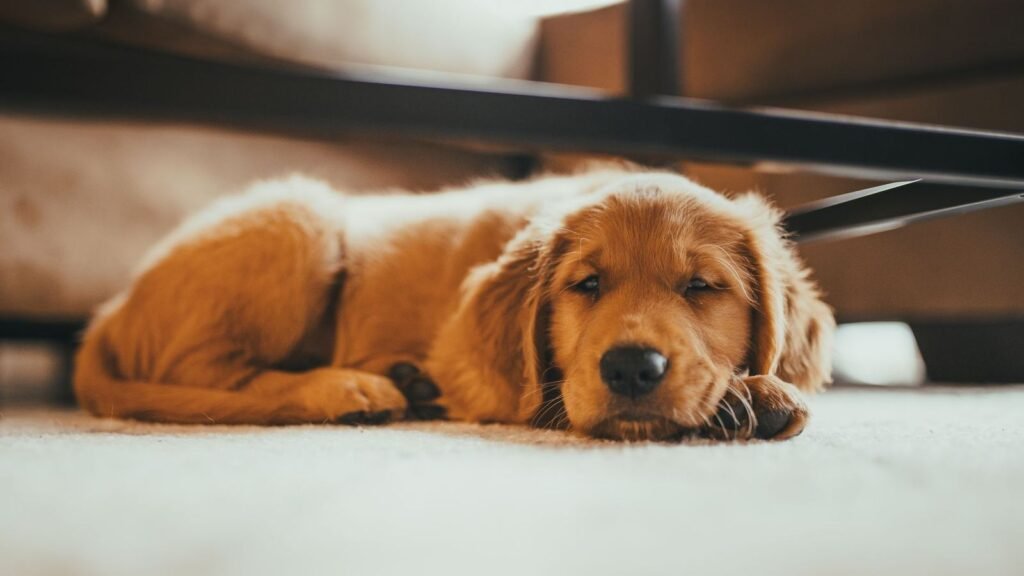
If you are working on how to fix puppy gear stored in multiple rooms, start with one practical change that improves day-to-day use in your actual space.
How to fix puppy gear stored in multiple rooms: what matters
Use decision criteria tied to how to fix puppy gear stored in multiple rooms: space, upkeep, how it fits your routine, and everyday usability.
This scattered setup is especially common in the first months with a puppy. A leash lands near the door after a walk. Treats stay in the kitchen because that is where meals happen. Grooming tools end up in the bathroom after a quick cleanup, while paper towels, enzymatic cleaner, and spare pads migrate wherever there was an empty shelf. None of those choices is unreasonable on its own. Together, they create repeated trips through the home, a counter full of supplies after rushed moments, and occasional duplicate purchases because the original item cannot be found.
A workable system uses two levels: daily-use items stay at the point where the task happens, while backup stock lives in one home base. For example, keep one walk station near the exit with the leash, harness, poop bags, and a small treat container. Keep the extra rolls of bags, replacement treats, seasonal gear, and spare harness in a closed bin or cabinet elsewhere. This prevents the entryway from becoming a storage dump while still making departure quick.
Start today by placing an empty basket, tray, or lidded container at the spot where you most often pause before a walk. Put only the items needed for the next outing inside it. If something does not get used during that routine, it belongs in another zone or in the backup supply area. In a studio, that station may be a shelf by the main door; in a larger home, it may be a small closet bin; in a shared home, it may be a clearly labeled section that others can reset without guessing.
Duplicates are not automatically wasteful, but they should solve a real recurring problem. A second roll of bags at the door can prevent forgotten walks supplies; three open treat bags in separate rooms usually create clutter instead. Keep food, treats, cleaning products, medications, sharp grooming tools, and small choking-risk items in secure storage your puppy cannot open or reach. The goal is not perfect tidiness. It is a home where each puppy task has a clear starting point and each item has one obvious place to return.
Sort Supplies by the Routine That Uses Them
To fix puppy gear stored in multiple rooms, sort every item by the routine that needs it, not by what type of item it is. Keep daily-use items at the point of use, keep backup stock in one secure home base, and only keep duplicates when they prevent a recurring missed step. The goal is not to put every puppy item in one place; it is to stop a simple task, such as leaving for a walk or wiping muddy paws, from becoming a search through the house.
Start by gathering the gear that is currently drifting between rooms and make four quick piles: leaving the house, feeding and training, rest and play, and cleanup or care. Then ask one practical question of each item: “Where am I standing when I need this?” A leash belongs by the exit used for walks, while the refill roll of poop bags can stay in the main supply cabinet. A small treat container may belong near the door if treats are needed for getting out calmly, even if the larger treat bag stays in a secure kitchen cupboard.
- Walk routine: Keep the leash, harness, waste-bag holder, and a small amount of walk treats together near the usual exit. Put spare bags, seasonal gear, and backup treats in the home base.
- Meal routine: Keep the daily food portion, bowls, and feeding mat in the feeding area. Store unopened food, extra bowls, and less-used feeding supplies together in a closed cabinet or closet.
- Cleanup routine: Place a small, puppy-inaccessible cleanup station where accidents or muddy paws are most likely, such as near the entry or laundry area. Keep refill supplies in the home base rather than creating several half-empty cleaning stashes.
- Care routine: Keep grooming tools together where grooming normally happens, such as the bathroom or a utility area. Secure sharp tools, medications, cleaning products, treats, food, and small choking-risk items where the puppy cannot reach them.
For example, a household with a leash at the entry, treats in the kitchen, brushes in the bathroom, and cleanup supplies in a laundry room does not need to move everything to the entryway. Instead, create an exit station with the leash, harness, bags, and a small treat portion; keep meal supplies in the kitchen; keep grooming tools together in a closed bathroom drawer; and place a limited cleanup kit near the most common mess area. One labeled cabinet or closet holds all refills and rarely used gear.
Avoid creating a full duplicate kit in every room. Duplicates can make sense when a missing item repeatedly disrupts a routine, for example, a second waste-bag roll at a frequently used back door, but they also create unnoticed shortages and extra clutter. Adjust the system after a week: if you still carry an item from room to room, move its daily version closer to the task; if a station is collecting unused supplies, return those extras to the home base.
Decide What Belongs Near the Door, Kitchen, and Rest Area
When figuring out how to fix puppy gear stored in multiple rooms, do not try to make every room hold a complete set of supplies. Give each area a small job based on the routine that happens there. The simplest rule is: keep daily-use items at the point of use, keep backup stock in one home base, and add a duplicate only when it prevents a recurring missed step.
For example, a leash belongs near the door because that is where walks begin. A sealed treat container can belong in the kitchen because meals and food prep happen there. A brush may live near the puppy’s resting spot if brushing is easiest while they are settled on their bed. The goal is not to eliminate every item from every room; it is to stop each item from wandering without a clear reason.
- Build a door station around the complete leaving-the-house routine: Start with the items needed in the final two minutes before a walk: leash, harness, poop bags, keys if you use a dedicated hook, and a small treat pouch if training happens outside. Put them together in a lidded bin, high basket, cabinet, or wall-mounted organizer beside the exit. Set this up before the next walk, then use it for a full week before changing locations. Pitfall: keeping only the leash at the door while the harness, bags, and treats remain elsewhere. That still creates a room-to-room search every time the puppy needs to go out.
- Keep food routines in the kitchen, but secure them: Place the daily food scoop, feeding mat, and unopened or currently used food container in one kitchen cabinet or pantry section near the bowls. Treats used during meal prep or simple indoor training can live there too, preferably in a closed container the puppy cannot open. Keep cleaning products, medications, and food or treats out of the puppy’s reach and securely stored; the ASPCA advises keeping household hazards inaccessible to pets. Pitfall: leaving the food bag beside the bowls for convenience. It may look like an easy shortcut, but it turns the floor into storage and makes resets harder in a busy kitchen.
- Make the rest area a calm-care station, not a supply pile: Near the crate, bed, or puppy pen, keep only the items used during quiet time: a rotation of appropriate toys, a light blanket if used, and perhaps a brush or lint roller for a quick evening tidy. Choose one small basket or drawer rather than filling the whole area with extras. Set it up after the feeding and walk stations are working, since rest-area supplies are usually less urgent. Pitfall: treating the bed area as a drop zone for every toy, collar, and package that has not been put away. That makes it difficult to see what is actually available and can leave unsuitable items within reach.
- Create one home base for backups and occasional-care items: Pick a closed closet shelf, utility cabinet, or labeled storage bin for backup poop bags, refill treats, extra food, grooming supplies, replacement toys, seasonal gear, and cleanup refills. This is the place to shop from inside your home when a room station runs low. Do this after you have assigned the daily items, because backups are easier to identify once the active supply is visible. Pitfall: storing a full backup of every item in each room. Multiple stashes make it easy to buy another package because no one knows what is already on hand.
- Use duplicates only to solve a repeat problem: A second roll of poop bags at the door can make sense if you regularly discover the main roll is empty while the puppy is waiting. A second towel near a muddy back entrance may also prevent rushed trips to a bathroom cabinet. First, notice the same missed step at least a few times; then add the smallest duplicate that solves it. Pitfall: duplicating leashes, brushes, treats, and toys in every room “just in case.” That usually hides the original problem: the item has no assigned return spot.
- Set a return order after each routine: After a walk, hang the leash and harness first, put unused treats back in the kitchen station second, and return any carried toy to the rest-area basket last. After feeding, wipe the feeding area, close food containers, and take the scoop back to its cabinet. This order takes less than a minute when the stations are close to where the task ends. Pitfall: postponing the reset until bedtime. By then, a harness may be on a chair, the treat pouch may be on the counter, and the next outing starts with another search.
- Adjust zones to the home rather than copying a large-house layout: In a studio, the door station might be one high shelf by the entrance, while kitchen supplies fit in a single cabinet and the rest-area basket slides beside the crate. In a shared house, use clearly labeled containers so housemates know where to return gear without opening every cupboard. In a larger home with a front and back exit, choose the door used most often and keep the secondary exit limited to a small emergency bag station. Pitfall: creating stations in rooms the puppy rarely uses. Each extra zone increases the chances that supplies drift and no one knows which location is current.
A workable three-zone setup might look like this: the entry cabinet holds the harness, leash, waste bags, and outdoor treat pouch; one kitchen shelf holds food, meal treats, bowls, and the scoop; and a covered bin beside the puppy’s bed holds a few toys and quiet-time items. All refills, grooming tools, cleaning supplies, and seldom-used gear stay together in the home base. That arrangement keeps the supplies near their real tasks without turning every room into puppy storage.
Worked Example: Turn Four Scattered Piles Into Three Zones
When learning how to fix puppy gear stored in multiple rooms, the goal is not to make every item live in one place. The goal is to stop routine items from drifting away from the task they support. Picture a home with four loose piles: walk gear by the entry, treats in a kitchen drawer, grooming tools in the bathroom, and cleanup supplies under the laundry sink.
A workable reset turns those piles into three zones:
- Exit zone: Keep the leash, harness, poop bags, and a small sealed treat container together by the door used for walks. This is the point-of-use station for leaving the home.
- Care zone: Use one secured kitchen cabinet, closet shelf, or lidded bin as the home base for food, treats, refill bags, grooming tools, and other backup stock. In a small apartment, this may be one high cabinet rather than a whole closet.
- Cleanup zone: Keep the towel, waste bags, and a puppy-safe cleanup kit near the area where accidents or muddy paws are most likely. Store cleaning products securely where the puppy cannot reach them.
The bathroom grooming pile does not need to remain a separate station if grooming happens only occasionally. Move the brush and nail-care items to the care zone, then bring them out when needed. This reduces the number of places you have to remember. Food, treats, cleaning products, medications, sharp grooming tools, and small items that could be chewed or swallowed should stay in secure storage that the puppy cannot access.
These common mistakes can make a zone system harder to maintain:
- Making every room a complete puppy station: A leash, treats, bags, toys, and wipes get copied into several rooms. It feels convenient at first, but backups become invisible, run out unevenly, and invite unnecessary duplicate purchases. Better move: Keep daily-use items at the point of use, but keep backup stock in one home base. Add a duplicate only when it prevents a recurring missed step, such as a second poop-bag roll at a regularly used exit.
- Choosing storage by item category alone: Putting all treats together in the kitchen and all accessories together in a closet sounds tidy, but it creates extra trips during walks or training. Better move: Store the small amount needed for a routine where that routine starts. A sealed treat container belongs in the exit zone if treats are consistently needed before leaving.
- Using an open basket for everything: An open basket makes fast cleanup easy, but it also becomes a catchall for damp towels, loose bags, grooming tools, and items the puppy should not reach. Better move: Use the basket only for safe, active gear such as a harness or towel. Put restricted items in a closed drawer, cabinet, or latched container.
- Creating zones that do not match the home’s traffic pattern: A station behind a closed bedroom door may look organized but will be skipped during a rushed outing. Better move: Place stations along real routines. In a shared home, a small hook-and-bin setup near the usual exit may work better than alternatives when daily maintenance and space constraints are considered claiming a large hallway cabinet.
- Leaving return steps undefined: Gear comes out easily, then lands on a chair, counter, or floor after use. The zone slowly disappears because no one knows where items go back. Better move: Give each active item one obvious return spot: harness on a hook, treats in the same lidded container, and towel in a labeled bin. A quick weekly check is enough to return stray items and refill the exit station from the home base.
The tradeoff is simple: more stations can save steps, while fewer stations are easier to restock. Start with the fewest zones that support your actual day, then add a point-of-use duplicate only when the same missing item repeatedly slows a routine.
Use Labels and a Weekly Reset to Keep Gear From Drifting
To make a home-zone system stick, give each container, drawer, hook, or shelf a plain-language label that matches the routine it supports. Labels remove the small decisions that cause gear to wander: a leash gets set on a chair “for now, ” a brush stays on the bathroom counter, or a partly used roll of waste bags ends up in a coat pocket.
For how to fix puppy gear stored in multiple rooms, use one simple decision rule: keep daily-use items at the point of use, keep backup stock in one home base, and only keep duplicates when they prevent a recurring missed step. For example, the entry station might hold one leash, harness, treat pouch, and waste-bag roll. Extra bag rolls, replacement treats, and spare walking gear belong in the home base rather than in several drawers.
- Entry station: Label a hook, basket, or drawer “Walk Now” for the items needed before leaving the home.
- Kitchen station: Label a secure cabinet or bin “Meals and Treats” for food tools and the current treat supply.
- Care station: Label a closed bathroom cabinet or high shelf “Grooming and Cleanup” for brushes, towels, cleanup supplies, and other less-frequent items.
- Home base: Label one closet shelf, lidded bin, or cabinet “Puppy Backstock” for unopened supplies and outgrown gear.
Keep labels short enough that everyone in the home can follow them. In a shared house, this makes it easier for one person to put the harness back near the door instead of dropping it in the laundry room. In an apartment, labels can go on small bins inside an existing cabinet rather than requiring a separate puppy closet.
Set aside 10 minutes once a week, preferably after a routine you already remember, such as Sunday laundry or taking out recycling. Walk through the three zones with one small basket. Return stray items to their labeled homes, check whether the entry station has enough bags and treats for the next few walks, and move empty packaging or worn-out items out. This is also the moment to notice whether a duplicate is useful or simply hiding the fact that the main station is inconvenient.
Keep food, treats, cleaning products, medications, sharp grooming tools, and small items that could be chewed in secure storage the puppy cannot reach. An open basket may work for a leash, but it is not the right place for supplies that need to stay closed and out of reach.
The system does not need to look perfect. Its job is to stop the repeated search for a leash, treats, grooming tools, and cleanup supplies across different rooms. Today, label the spot where your puppy’s next walk begins and return every walk item to that one station.
What you’ll actually use
These are the pieces this setup actually uses. If one does not earn a place in your home, leave it off the list.
- Chew Toys: Keep this where how to fix puppy gear stored in multiple rooms actually happens, and skip it if you already have a version that works.
- Food Mat: Keep this where how to fix puppy gear stored in multiple rooms actually happens, and skip it if you already have a version that works.
- Waste Bags: Keep this where how to fix puppy gear stored in multiple rooms actually happens, and skip it if you already have a version that works.
- Toys And Chews: Keep this where how to fix puppy gear stored in multiple rooms actually happens, and skip it if you already have a version that works.
- First Aid Kit: Keep this where how to fix puppy gear stored in multiple rooms actually happens, and skip it if you already have a version that works.
FAQ
How to fix puppy gear stored in multiple rooms: what matters?
Use decision criteria tied to how to fix puppy gear stored in multiple rooms: space, upkeep, how it fits your routine, and everyday usability. Photo by Josh Hild on Pexels This scattered setup is especially common in the first months with a puppy.
What should I know about sort supplies by the routine that uses them?
To fix puppy gear stored in multiple rooms, sort every item by the routine that needs it, not by what type of item it is. Keep daily-use items at the point of use, keep backup stock in one secure home base, and only keep duplicates when they prevent a recurring missed step.
Decide What Belongs Near the Door, Kitchen, and Rest Area?
When figuring out how to fix puppy gear stored in multiple rooms , do not try to make every room hold a complete set of supplies. Give each area a small job based on the routine that happens there.