How to Rotate Puppy Toys Like a Pro
If you’ve ever watched your puppy bury their face in the same toy five times a day, convinced it’s the only thing that matters, you’re not alone. How to Rotate Puppy Toys Like a Pro isn’t just a neat trick—it’s a game-changer for keeping your pup happy, engaged, and yes, saving your sanity. Most people miss this completely, and end up with a toy graveyard of chewed-up everywhere and a bored puppy staring into space. Let’s fix that.
Why Should You Rotate Puppy Toys?
Rotating puppy toys means giving your dog fresh options by cycling toys in and out of playtime regularly. This keeps their curiosity sparked and prevents destructive boredom. Here’s what surprised me most: dogs actually treat old toys like new when they reappear after a break. It’s not just about variety—it’s about preserving your pup’s enthusiasm and extending the life of their favorite toys.
How Often Should You Rotate Puppy Toys?
The sweet spot is usually about every 3-5 days. Any longer and the novelty wears off, any shorter and you spend more time managing toys than playing with your dog. A simple rotation schedule works wonders. I keep a small stash tucked away in labeled bins, swapping out three or four toys at a time. This system keeps things fresh without becoming another daily chore.
Keeping Toys Organized Without the Mess
If you know even one puppy owner, you’ve seen the chaos: toys strewn from foster puppy through jubilant adolescent dog. This is where things quietly go wrong fast—without proper storage, you end up drowning in fluff and squeak. Efficient puppy environments start with designated storage bins or baskets, ideally with different sections for chewers, fetch toys, and comforters.
BarkBox - Monthly Dog Subscription Box
Get your puppy the best toys and treats delivered monthly! BarkBox offers premium dog toys, treats, and chews that are perfect for growing puppies. Each box is curated by experts and includes 2 toys, 2 bags of treats, and a chew.
Amazon Puppy Essentials
Everything you need for your new puppy in one place. From crates and beds to food bowls and training pads, Amazon has all the essentials at great prices with fast shipping.
Pro tip: Use stackable bins or clear containers labeled by toy type so you can grab and swap quickly. The goal is to reduce clutter, make the rotation effortless, and keep your space livable. PuppyStorage offers storage solutions that evolve as your pup grows—trust me, it’s a lifesaver.
Which Toys to Rotate and Which to Keep Handy
This makes a bigger difference than you expect. Some toys—like teething rings—need to stay within reach, while others, maybe puzzle toys or occasional treats, can be rotated out. I learned the hard way that tossing everything into one basket results in some key favorites being overlooked and losing their magic.
Organizing puppy supplies by type and use helps guide your rotation. Save the high-energy fetch balls for outdoor sessions, keep chew-resistant toys near where your pup likes to relax, and rotate interactive toys to stimulate their brain. This approach maximizes playtime impact and keeps toys feeling fresh.
How Does Toy Rotation Fit with Overall Puppy Supplies Storage?
Toy rotation isn’t isolated—it’s part of a bigger system that includes food storage, grooming supplies, and bedding. For example, maintaining a clean food storage container near the play area encourages a smooth transition between meals and walks, reducing puppy anxiety and clutter buildup.
I’ve seen puppy owners lose hours because their storage systems don’t align with daily routines. A well-organized setup—think labeled bins, clear containers, and strategic locations—supports every part of puppy care, making the whole experience more enjoyable and less chaotic.
The Unexpected Perks of Rotating Puppy Toys
Beyond less clutter and more fun, rotating toys helps you notice your puppy’s evolving preferences and behaviors. Maybe that squeaky pig was thrilling until last week, and now your pup is obsessing over the rubber bone. This insight helps adjust your toys and storage to keep pace with growth and personality shifts.
Plus, rotated toys feel like rewards when they come out of “retirement.” This simple psychological nudge made a huge difference in redirecting chewing away from my shoes and onto approved toys.
Puppy Toys: More Than Just Playthings
Choosing the right toys and rotating them smartly is fundamental, but pairing this with organized storage bridges the gap from chaos to control. It’s about creating a puppy-friendly zone that adapts as your dog grows—from clumsy, curious pup to confident young dog.
Integrating toy rotation into a broader strategy that includes food storage, bedding, and grooming supplies saves time and energy. When supplies are easy to find and swap, puppy care feels less like a juggling act and more like a rhythm you can lean into.
Frequently Asked Questions
How do I know which toys to rotate?
Start by categorizing toys into chewers, interactive, and comfort types. Rotate toys that are less essential daily, like puzzle toys, while keeping key chewers accessible. Watch your puppy’s response and adjust the rotation to match their preferences.
What if my puppy loses interest in all their toys?
This usually signals boredom or a need for new stimulation. Rotating even a few toys back in after a few days often reignites interest. Consider adding a new toy occasionally or changing the play environment to spark curiosity.
How should I store toys between rotations?
Use breathable, stackable bins or baskets designated for “out of rotation” toys. Clear containers help you see what’s inside, making rotation quicker and less of a hassle. Avoid overcrowding to keep everything clean and accessible.
Is toy rotation safe for puppies with allergies or sensitivities?
Absolutely. In fact, rotating toys minimizes wear and tear and helps you monitor any reactions more easily. Stick to hypoallergenic or vet-approved materials and remove any damaged toys promptly to keep things safe.
Can toy rotation help with training and behavior?
Yes! Rotating toys offers controlled rewards and incentives to encourage good behavior. Keeping toys fresh and exciting reduces destructive boredom, which can prevent unwanted habits like chewing furniture.
How do I manage toy rotation with limited space?
With limited space, use vertical storage like wall hooks or shelving bins. Focus on rotating smaller sets of toys more frequently. Efficient organizing tools from PuppyStorage can help you maintain a tidy, playful zone even in tight areas.
How often should I clean my puppy’s toys during rotation?
Regularly clean toys every 1-2 weeks, or immediately if they get dirty or smelly. Rotating toys makes it easy to clean sets one at a time without leaving your pup toy-less. Always follow manufacturer guidelines for washing.
Remember, toy rotation isn’t about being perfect. It’s about respecting your pup’s need for variety and creating a space that supports their growth and happiness. You’re not just swapping toys—you’re building a foundation for joyful playtime, better behavior, and a home where puppy chaos is tamed instead of celebrated.
Now retrieving an image set.
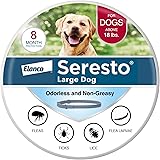
Seresto Flea & Tick Collar For Dogs Over 18 lbs., Treatment & Prevention, Vet-Recommend, 8 Month Protection
$59.92 (as of April 11, 2026 21:40 GMT -05:00 - More infoProduct prices and availability are accurate as of the date/time indicated and are subject to change. Any price and availability information displayed on [relevant Amazon Site(s), as applicable] at the time of purchase will apply to the purchase of this product.)
Now retrieving an image set.
Nutramax Cosequin for Dogs Joint Health Supplement, Contains Glucosamine for Dogs, Plus Chondroitin and MSM, Supports Healthy Joints, For All Breeds and Sizes, Chewable Tablets, 132 Count
$34.91 (as of April 11, 2026 21:40 GMT -05:00 - More infoProduct prices and availability are accurate as of the date/time indicated and are subject to change. Any price and availability information displayed on [relevant Amazon Site(s), as applicable] at the time of purchase will apply to the purchase of this product.)
Now retrieving an image set.
Temptations Cat Treats Classic Crunchy and Soft Cat Treats, Tasty Chicken Flavor, 30 oz. Tub
$15.48 (as of April 11, 2026 21:40 GMT -05:00 - More infoProduct prices and availability are accurate as of the date/time indicated and are subject to change. Any price and availability information displayed on [relevant Amazon Site(s), as applicable] at the time of purchase will apply to the purchase of this product.)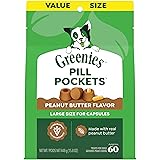
Now retrieving an image set.
Greenies Pill Pockets for Dogs Large Size, Dog Treat Pouch for Capsule Medication, Peanut Butter Flavor, 15.8 oz. Pouch
$17.96 (as of April 11, 2026 21:40 GMT -05:00 - More infoProduct prices and availability are accurate as of the date/time indicated and are subject to change. Any price and availability information displayed on [relevant Amazon Site(s), as applicable] at the time of purchase will apply to the purchase of this product.)
Now retrieving an image set.