
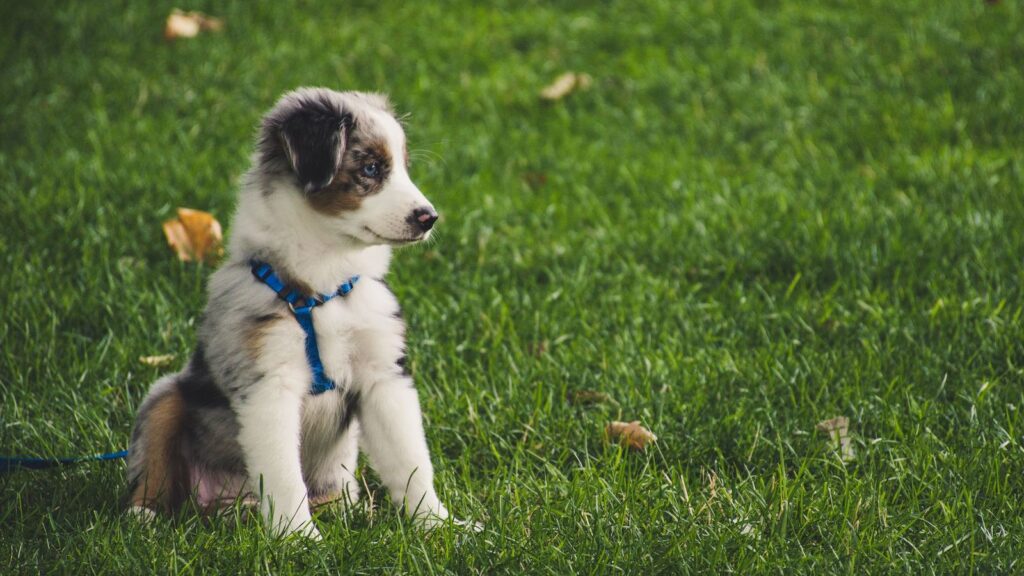
Imagine coming home to a sea of puppy toys scattered across your living room floor, and feeling overwhelmed by the clutter. This is a common scenario for new puppy owners who want to learn how to train your puppy to use storage bins common mistakes. Teaching your puppy to put away toys and supplies can transform your space from chaos to calm, but it’s not always as straightforward as it seems. Many owners struggle with this training, leading to frustration and a messy home. By understanding the common pitfalls and taking a practical approach, you can encourage your pup to use storage bins effectively.
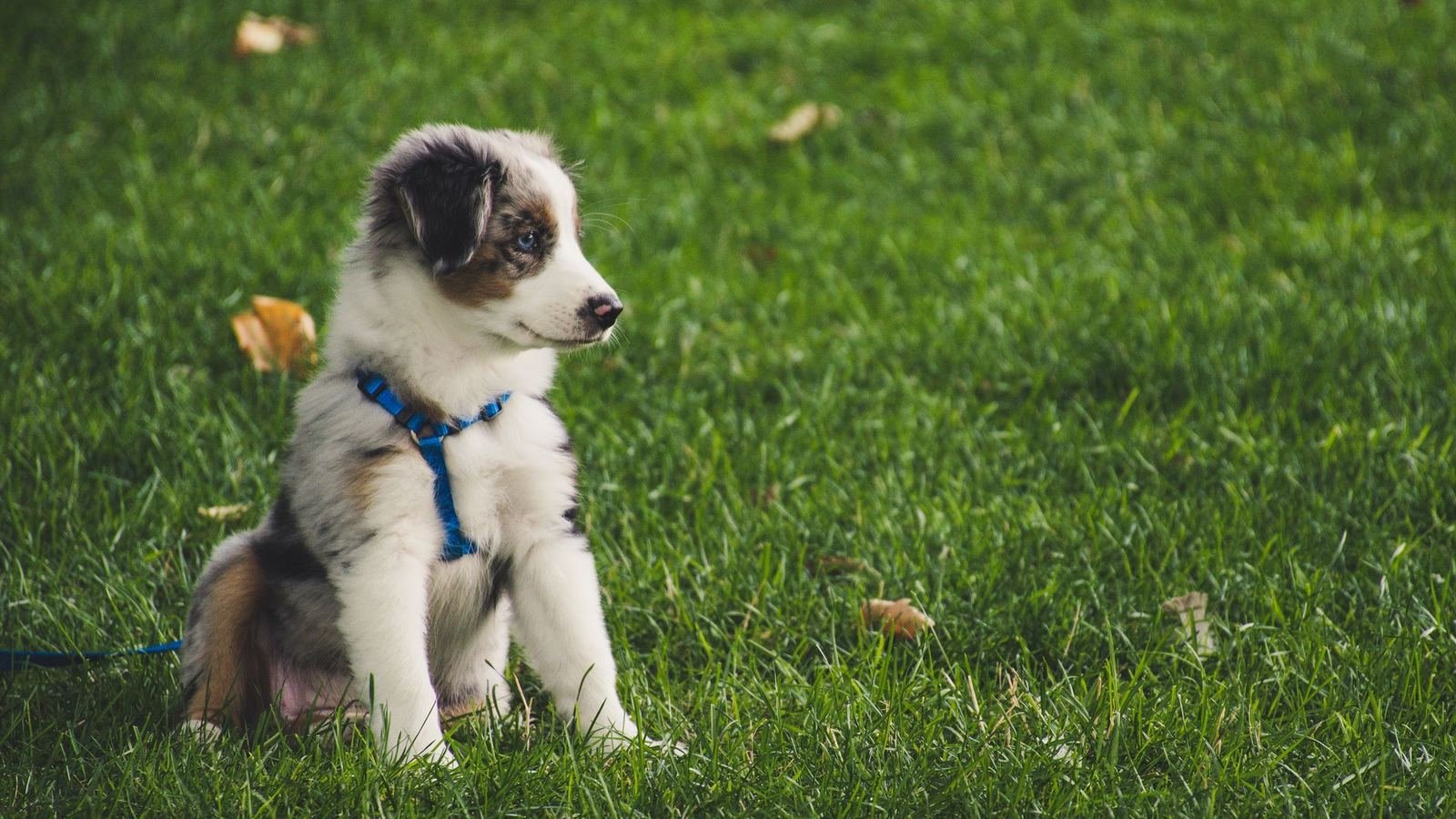
The first step in addressing this challenge is to start small and be consistent. Choose a storage bin that’s accessible and appropriately sized for your puppy. Introducing one or two toys at a time can help prevent overwhelming your puppy and allows them to focus on the task. Use positive reinforcement, like treats or praise, every time your puppy places a toy in the bin. This method not only helps in maintaining a tidy space but also strengthens the bond with your furry friend.
One immediate tip is to create a game out of clean-up time. Use a simple command like “tidy up” or “clean up” and pair it with a fun activity. For example, play fetch with a favorite toy, and when your puppy brings it back, guide them to the bin. Drop the toy in yourself a few times, then encourage your puppy to do the same. This reinforces the idea that putting toys away is part of the fun, not just a chore.
By making the process enjoyable and rewarding for your puppy, you can gradually reduce clutter and enhance your living environment, resulting in a happier home for both you and your puppy. Remember, patience and consistency are key in this training journey.
Choosing the Right Storage Bins for Your Puppy
When selecting storage bins for your puppy’s toys and supplies, it’s important to consider both functionality and accessibility. Start by evaluating the space where you plan to keep these bins. If you’re organizing a small apartment, opt for stackable bins to maximize vertical space. In larger homes, you might have the luxury of using wider bins that can be tucked away in a designated area.
Next, choose bins that are easy for your puppy to interact with. For smaller puppies, low-profile bins or those with open tops are ideal, as they make it simple for your puppy to reach in and grab their favorite toy. Clear bins can also be helpful because they allow your puppy to see what’s inside, enticing them to use the bins regularly.
Consider using bins with lids if you want to keep certain items out of your puppy’s reach. This can be useful for storing treats or grooming supplies. However, make sure these bins are clearly separate from the ones your puppy can access, to avoid confusion.
Finally, label each bin with its contents to make organization easier. You can use simple labels like “Toys,” “Treats,” and “Grooming” to keep everything in its place. This not only helps you stay organized but also sets clear boundaries for your puppy, teaching them where specific items belong.
By carefully selecting the right storage bins, you’ll create a more organized home that accommodates your puppy’s needs. This not only reduces clutter but also helps teach your puppy to keep their belongings tidy, minimizing daily cleanup stress. For more helpful tips on organizing puppy gear, check out resources from the ASPCA and PetMD that offer guidance on creating a pet-friendly living space.
Step-by-Step Guide to Training Your Puppy
Training your puppy to use storage bins can help keep your home organized and prevent the frustration of scattered toys and supplies. With patience and consistency, you can teach your puppy to associate storage bins with fun and order. Here’s a step-by-step guide to get you started:
- Introduce the Storage Bin: Start by placing the storage bin in a familiar area where your puppy usually plays. Let your puppy sniff and explore it. This helps demystify the bin and reduces anxiety. Timing: Allow a few days for your puppy to get used to the presence of the bin. Pitfall: Avoid rushing to the next step if your puppy seems unsure or frightened by the bin.
- Associate the Bin with Positive Reinforcement: Every time your puppy approaches or interacts with the bin, offer a small treat or praise. This reinforces the idea that the bin is a positive object. Timing: Spend about 5-10 minutes a day on this. Pitfall: Don’t overfeed treats; balance them with verbal praise to avoid over-reliance on food rewards.
- Demonstrate Toy Collection: Show your puppy how to place toys in the bin. You can do this by gently tossing a toy into the bin while your puppy watches. Use a command like “tidy up” to create an association. Timing: Practice this for a few minutes each session. Pitfall: Be patient; some puppies may take longer to understand the action.
- Encourage Participation: Prompt your puppy to pick up a toy and bring it to the bin. Initially, guide them by pointing and leading them to the bin. Reward them with treats and praise when they drop the toy inside. Timing: Practice this for 10-15 minutes each day. Pitfall: Avoid scolding if your puppy plays with the toy instead; reinforce the behavior you want instead.
- Build a Routine: Incorporate this activity into your puppy’s daily routine, such as before meals or after playtime. Consistency helps your puppy learn faster and view tidying up as a regular part of their day. Timing: Aim to practice twice daily. Pitfall: Inconsistency can confuse your puppy and slow progress.
- Gradually Reduce Treats: As your puppy becomes more adept at using the bin, start reducing the number of treats given and rely more on verbal praise. This helps sustain the behavior without dependency on food rewards. Timing: Gradually phase out treats over a month. Pitfall: Removing treats too quickly can lead to loss of interest or motivation.
- Celebrate Progress: Each time your puppy successfully uses the bin without guidance, offer enthusiastic praise. Positive reinforcement should always be part of the routine to maintain your puppy’s enthusiasm. Pitfall: Avoid ignoring steps forward; acknowledgment strengthens desired behaviors.
By following these steps, you’ll help your puppy learn to use storage bins effectively, reducing clutter and creating a more organized home environment. Remember, patience and consistency are key to successful training. For more in-depth guidance, check out resources from the ASPCA and PetMD.
Common mistakes to avoid
Training your puppy to use storage bins effectively can be a rewarding experience, but there are common pitfalls that new owners often fall into. Understanding these mistakes can help you avoid frustration and promote a harmonious living environment.
- Mistake 1: Inconsistent Training
One major mistake is inconsistency in training. If you only occasionally encourage your puppy to use the storage bins, they are unlikely to understand this as a routine. Without a consistent approach, puppies may become confused about what’s expected of them. To remedy this, establish a regular schedule for training sessions. Consistency will help your puppy recognize the storage bins as their designated spot for toys and supplies.
- Mistake 2: Lack of Positive Reinforcement
Many owners forget to use positive reinforcement when their puppy successfully uses the storage bin. Without rewards, puppies may not feel motivated to repeat the behavior. Ensure you have treats or praise ready whenever your puppy places a toy in the bin. This reinforcement helps them associate the action with a positive outcome, encouraging them to repeat it.
- Mistake 3: Using Overwhelming Commands
Another common error is overwhelming the puppy with complex commands. Puppies respond better to simple, clear instructions. Instead of saying, “Put your toys in the bin,” try using a single word like “Bin” or “Tidy.” These straightforward commands are easier for your puppy to understand and follow.
- Mistake 4: Ignoring Puppy’s Preferences
Not considering your puppy’s preferences can also hinder training. If a particular bin is difficult for them to access or they dislike its location, they might avoid using it. Pay attention to how your puppy responds to different bins and locations. Adjust accordingly to ensure the storage area is appealing and easy for them to use.
- Mistake 5: Overloading the Bins
Finally, some owners tend to overload the bins, making it hard for puppies to retrieve or store toys. A crowded bin can discourage your puppy from using it altogether. Keep the bins organized and ensure there’s enough space for your puppy to comfortably add or remove toys. Periodically declutter to maintain order and encourage your puppy’s participation.
By recognizing and avoiding these common mistakes, you can create a more effective training routine. This will help minimize clutter and enhance your puppy’s understanding of where their toys and supplies belong.
Tips for Maintaining an Organized Space with Your Puppy
To create a harmonious environment with your new puppy, consistency is key. Begin by setting a daily routine to encourage your puppy to use storage bins effectively. Start each day by dedicating a few minutes to guide your puppy in placing toys back into their designated bins. Use positive reinforcement such as treats or praise to reward them for successful attempts, which helps to build a positive association with tidying up.
When embarking on this training journey, it’s essential to remember the common mistakes that can hinder progress. New puppy owners often feel overwhelmed by the clutter and frustration that comes from scattered toys and supplies. A common mistake is expecting too much too soon. Keep training sessions short and fun to maintain your puppy’s interest and avoid frustration on both sides.
Another frequent pitfall is inconsistency. If family members or roommates are involved, make sure everyone follows the same approach to avoid confusing your puppy. Consistent commands and reward systems ensure your puppy understands what’s expected, leading to a more organized living space over time.
This week, focus on establishing a simple, repeatable routine. Allocate specific times of the day for training, perhaps after play sessions when your puppy is more likely to engage with the storage bins. Make sure toys are easily accessible and bins are not intimidating in size or shape for your puppy to interact with comfortably.
As you reinforce this routine, observe your puppy’s progress and adjust as needed. If you notice certain toys are frequently left out, consider whether the storage bin is appropriately located or easy enough for your puppy to access. Keep the training environment fun and stress-free to encourage your puppy’s cooperation.
The next step is to gradually introduce more complex tasks once your puppy becomes proficient at using the bins. Encourage them to help with sorting different types of toys or supplies into specific bins. This not only enhances their training but also keeps your space clutter-free and organized.