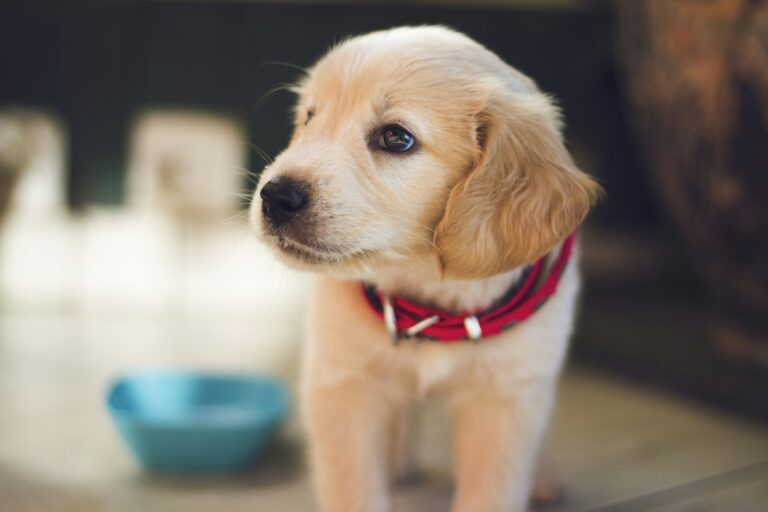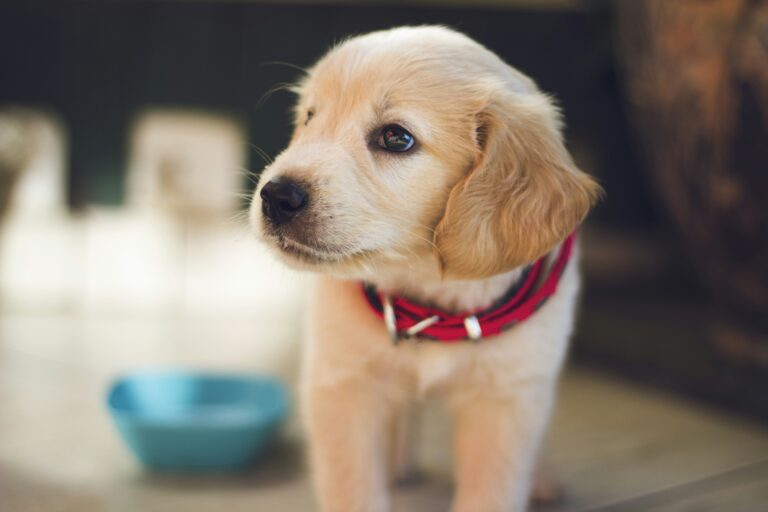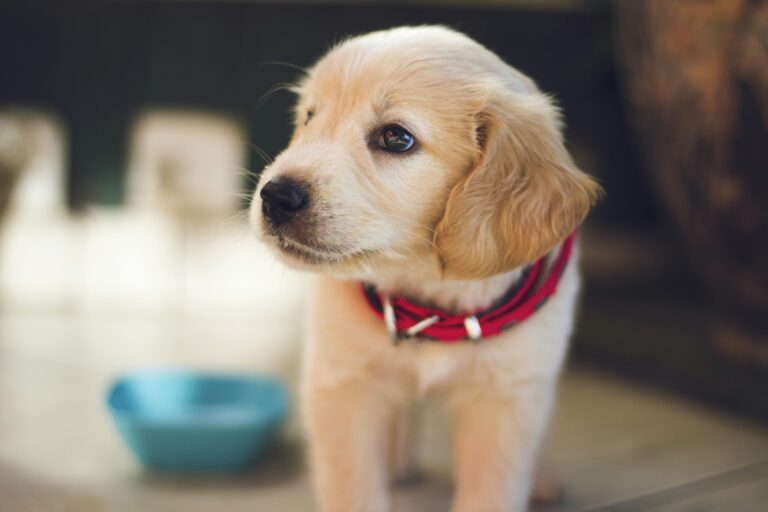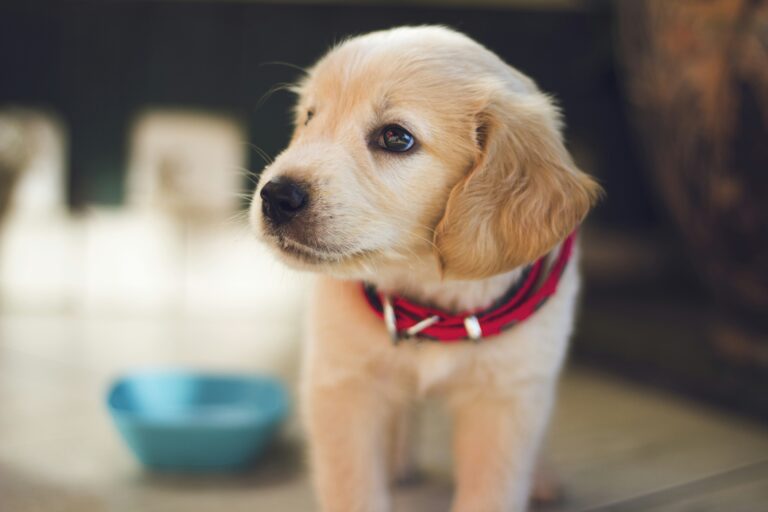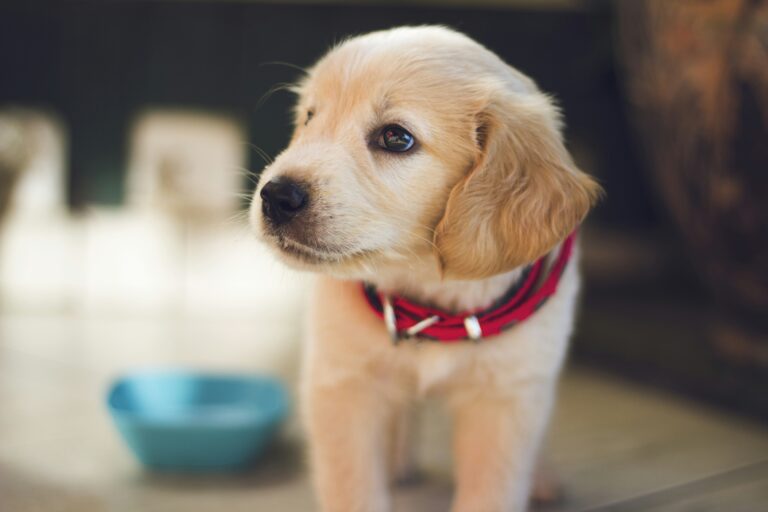
How to Transition Puppy Food Safely
You’ve just brought home your new puppy, and everything feels overwhelming yet thrilling. Among the avalanche of advice that hits you, one piece keeps surfacing: “Transition puppy food safely.” Easy to say, but harder to pull off without a mess, upset stomach, or worse. Here’s what surprised me early on—changing a pup’s food isn’t a one-size-fits-all, gentle-slope affair. There’s an art to shifting diets without turning mealtime into a drama. Let’s unpack how to do this right, with real dog-owner roots and practical smarts.
Why is it important to transition puppy food slowly?
Switching your puppy’s food abruptly can cause digestive upset like diarrhea, vomiting, or refusal to eat. A slow transition, typically over a week or so, allows your puppy’s gut to adjust gradually, preventing tummy troubles and ensuring better nutrient absorption.
How long should it take to transition a puppy to new food?
Most experts recommend 7 to 10 days for a complete switch. Start by mixing 25% new food with 75% old, then gradually increase the new food ratio over the days. Watch your puppy’s reaction closely and slow down if you see any signs of discomfort.
Start Small and Watch Like a Hawk
In the beginning, I underestimated how sensitive puppies can be to diet changes. One day you’re mixing a tiny bit of new kibble into the old, the next, you’ve gone too fast—chaos erupts: upset stomach, endless licking around the bowl, even refusal to eat. Most people miss this completely. The first few days demand close attention. Keep meals consistent in timing and environment to avoid extra stress that amplifies digestive issues.
BarkBox - Monthly Dog Subscription Box
Get your puppy the best toys and treats delivered monthly! BarkBox offers premium dog toys, treats, and chews that are perfect for growing puppies. Each box is curated by experts and includes 2 toys, 2 bags of treats, and a chew.
Amazon Puppy Essentials
Everything you need for your new puppy in one place. From crates and beds to food bowls and training pads, Amazon has all the essentials at great prices with fast shipping.
Effective food storage plays into this smarter feeding rhythm. Storing both old and new food properly helps preserve freshness and avoids flavor shifts that might confuse your pup’s palate. This is where a neat, clear system like the ones recommended at PuppyStorage.com changes everything—airtight containers, labeled with feeding dates, kept in a spot that’s easy to access amid the daily puppy chaos. Trust me, this makes a bigger difference than you expect when juggling multiple feeds a day.
Layering in Organization: Beyond Food Transition
Sure, switching food is vital, but don’t overlook how your puppy’s entire feeding zone influences the transition experience. Clutter at mealtime—unused toys lying about, scattered treats, or buried bowls—can make your pup anxious or distracted. Organizing food supplies helps maintain calm and focus. When you have everything—from measuring cups to replacement food bags—neatly stored and ready, mealtime becomes a smoother, more predictable event.
Integrate a toy rotation system too. You might wonder what toys have to do with food. Everything, actually. A clear, orderly play and feeding space builds routine. It minimizes overstimulation and helps your puppy settle comfortably during meals, making the food transition process a less fraught experience.
Adjust As Your Puppy Grows
One of the silent traps I ran into was treating my puppy like a tiny adult dog when it came to feeding and food prep. But puppies’ nutritional needs shift quickly as they develop, and so should your food storage and organization system. Think modular containers that grow with you—swap smaller food bins for larger ones seamlessly. PuppyStorage’s systems are designed to evolve alongside your pup, making mealtime transitions smoother every step of the way.
This means no more frantic searches for new puppy formula bags or guessing about feeding quantities. Everything adapts as your pup grows, from tiny nibbles to hearty meals, helping transition phases feel natural rather than stressful.
Feeding Consistency Matters More Than You Think
Puppy food transition is more than just swapping kibble. It’s about creating a balanced rhythm your pup can lean on. Establish set feeding times—this lowers anxiety and improves digestion. Here’s where things quietly go wrong: irregular feeding schedules combined with a sudden food swap lead to confusion and suppressed appetite, which no puppy owner wants.
Combine consistency with a clean, easy feeding area, free from distractions or clutter. Using dedicated puppy food storage bins ensures that food stays fresh and accessible—no scrambling mid-feed. Having a routine not only simplifies your life, but it helps your puppy settle mentally and physically to the change, which shows in their happy eating and steady growth.
Health and Care Tips for Transitioning Puppy Food
Good feeding habits blend seamlessly with your puppy’s overall health routine. While switching food, keep a close eye on stool quality, energy levels, and hydration. Any prolonged signs of digestive upset deserve a vet’s attention, but most hiccups clear up with a slow transition.
And remember, organizing puppy supplies—including treats, supplements, and feeding tools—should be part of the bigger picture. A clean, thoughtfully arranged space reduces stress on both you and the pup, keeping things efficient and enjoyable. PuppyStorage offers smart systems that address these everyday realities: think airtight storage containers with easy-to-label tops, space-saving racks, and compartment organizers that keep feeding and healthcare tools in one spot.
Frequently Asked Questions
What if my puppy refuses the new food during transition?
Start slower. Sometimes mixing just a small pinch of new food into the old, or warming the food slightly to release aromas, helps. Sometimes it’s a texture issue—experiment with wetting dry kibble slightly. Patience is key.
How should I store puppy food to keep it fresh during transition?
Use airtight containers stored in a cool, dry place. Avoid direct sunlight or humidity which degrades food quality quickly, causing potency loss or spoilage. Label containers to track when you opened or started using a batch.
Can I switch from puppy food to adult dog food directly?
Nope. Most puppies need a gradual transition from puppy to adult food over at least a week or two to avoid digestive disruption. Puppies’ digestive systems are sensitive, so a staged shift is always smarter.
How much food should I offer during the transition?
Keep the same total food quantity, just shift the mix gradually. Your pup’s appetite might fluctuate a bit, but don’t overfeed or underfeed as their gut adjusts.
How does toy rotation tie into feeding routines?
Toy rotation keeps your puppy mentally engaged without overwhelming them. A calm, uncluttered environment during feeding helps reduce anxiety and distractions, improving focus and digestion.
What’s a good way to organize puppy feeding supplies in small spaces?
Look for stackable, compact storage bins and shelf organizers dedicated to feeding tools. Use labels to quickly grab what you need, reducing clutter and speeding up mealtime prep.
How often should I clean my puppy’s food storage containers?
Every week is ideal. Food oils and particles can build up and cause spoilage or bad smells that deter your puppy.
Transitioning puppy food doesn’t have to be a stressful puzzle. With a patient approach and smart organization, you’re setting your pup up for comfort, health, and happy mealtimes. Remember, the changes stretch beyond the bowl—clearing clutter and having a plan that grows with your puppy can transform the whole experience into something truly manageable and even enjoyable.
Now retrieving an image set.
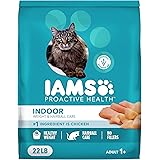
IAMS Proactive Health Dry Cat Food, Indoor Weight and Hairball Care Cat Food Dry Recipe, with Real Chicken in Every Bite, 22 lb. Bag
$39.98 (as of April 12, 2026 21:40 GMT -05:00 - More infoProduct prices and availability are accurate as of the date/time indicated and are subject to change. Any price and availability information displayed on [relevant Amazon Site(s), as applicable] at the time of purchase will apply to the purchase of this product.)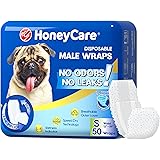
Now retrieving an image set.
HONEY CARE All-Absorb A26 Male Dog Wrap, 50 Count, Small
$17.97 (as of April 12, 2026 21:40 GMT -05:00 - More infoProduct prices and availability are accurate as of the date/time indicated and are subject to change. Any price and availability information displayed on [relevant Amazon Site(s), as applicable] at the time of purchase will apply to the purchase of this product.)
Now retrieving an image set.
Good ‘n’ Fun Triple Flavor Kabobs Chews for All Dogs, 24 Ounces, Treat Your Dog to Long-Lasting Chews Made from Beef Hide, Real Chicken, Pork Hide, Duck and Chicken Liver
$15.98 (as of April 12, 2026 21:40 GMT -05:00 - More infoProduct prices and availability are accurate as of the date/time indicated and are subject to change. Any price and availability information displayed on [relevant Amazon Site(s), as applicable] at the time of purchase will apply to the purchase of this product.)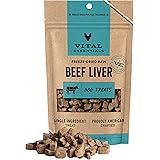
Now retrieving an image set.
Vital Essentials Freeze Dried Dog Treats | Beef Liver, Single Ingredient | Premium Quality | Grain Free Training Treats for Dogs, 2.1 oz Bag
$5.99 (as of April 12, 2026 21:40 GMT -05:00 - More infoProduct prices and availability are accurate as of the date/time indicated and are subject to change. Any price and availability information displayed on [relevant Amazon Site(s), as applicable] at the time of purchase will apply to the purchase of this product.)
Now retrieving an image set.