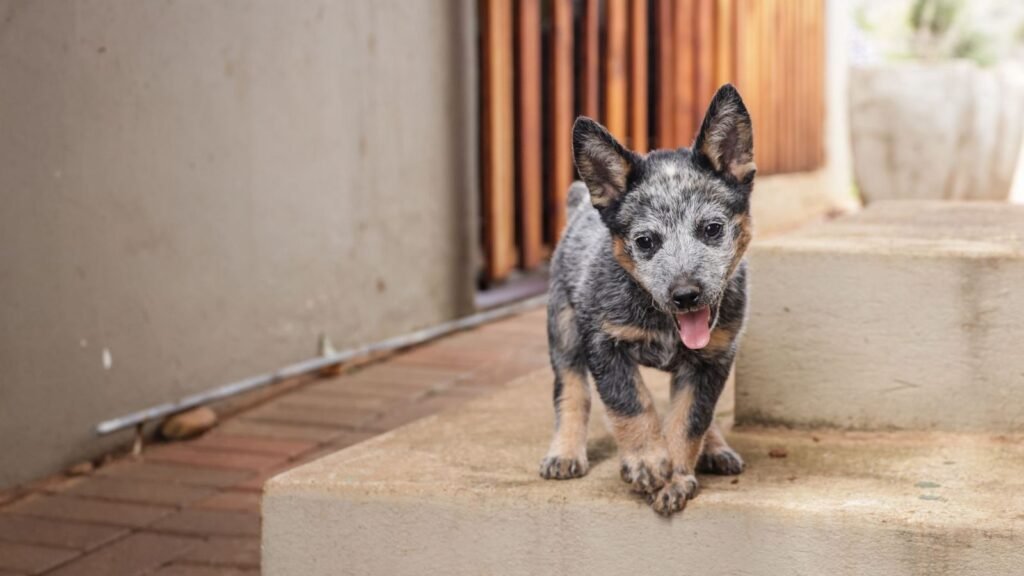
Picture this: your lively new puppy is bouncing around, eager to explore and learn but not yet aware of the household rules. You want to channel that energy into something constructive, but where do you start? The ultimate puppy learn games tips for training your puppy step by step offer a fun and effective way to teach your pup essential skills while keeping them engaged. By incorporating playful activities into your routine, you can transform training into a bonding experience that both you and your puppy will enjoy.
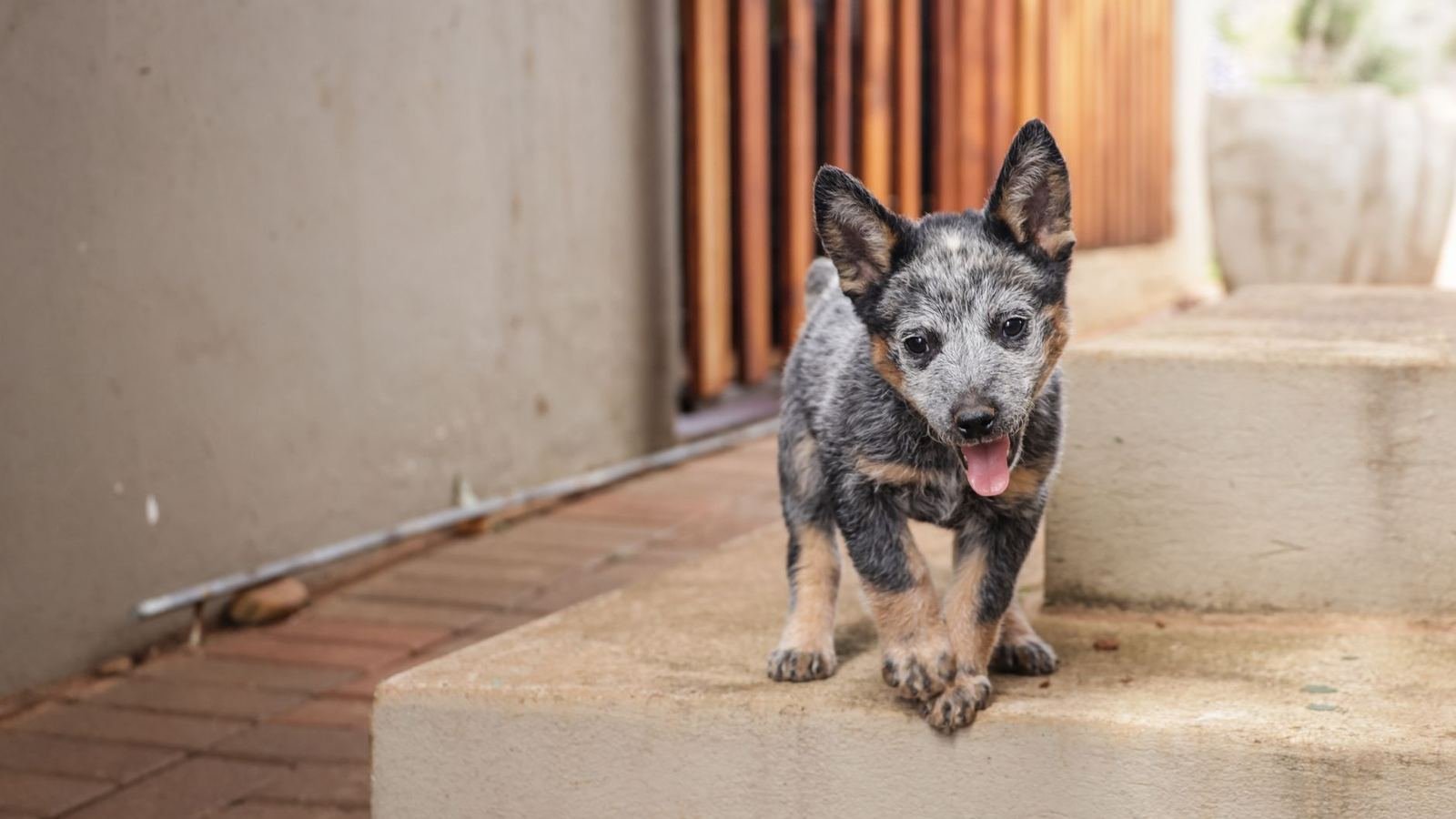
As a new puppy owner, you may find yourself overwhelmed by the abundance of training advice available. The key to success lies in choosing practical tips that cater to your puppy’s natural curiosity and energy. Engaging games not only help reinforce basic commands but also enhance your puppy’s problem-solving abilities and attention span. But with so many options, how do you know which games will be most beneficial?
Start with a simple yet effective game like “find the treat.” This game stimulates your puppy’s sense of smell and encourages them to focus. To play, hide a small treat under one of three overturned cups or containers. Let your puppy sniff around and discover the treat. This not only keeps them entertained but also teaches patience and concentration. As your puppy masters this game, you can increase the difficulty by adding more cups or varying the hiding spots.
Training through games is a wonderful way to enhance your puppy’s learning while building a strong bond. By incorporating these playful strategies, you can create a structured yet enjoyable environment that supports your puppy’s growth and development.
Decision Framework
Training your puppy through games not only makes the process enjoyable but also strengthens the bond between you and your furry friend. Here’s a step-by-step guide to implementing ultimate puppy learning games effectively.
- Start with simple commands: Begin with basic commands like “sit,” “stay,” and “come.” Use a positive tone and reward your puppy with treats or praise when they follow the command successfully. Consistency is key, so practice these commands regularly. For instance, if your puppy successfully sits on command, give them a small treat and lots of praise. Repeat this process several times a day in different settings to reinforce learning.
- Incorporate interactive games: Use games like fetch or tug-of-war to teach your puppy to follow commands and release items on cue. For example, while playing fetch, teach them to “drop it” by offering a treat in exchange for the toy and praise them when they comply. These games help build trust and reinforce obedience in a fun setting, making them more likely to listen during more structured training sessions.
- Avoid overloading: Puppies have short attention spans. Keep training sessions brief, around 5-10 minutes, to maintain their interest and prevent frustration. If your puppy starts losing focus, it’s a good time to end the session on a positive note. Gradually increase the difficulty of the tasks as they become more confident, such as extending the duration they need to stay in one place before calling them to come.
- Adjust based on your puppy’s needs: Every puppy learns at their own pace. If your puppy seems confused or overwhelmed, take a step back and simplify the task. For example, if “stay” for 10 seconds is too challenging, try 5 seconds instead. Celebrate small victories, like staying still for a few seconds, to keep motivation high. By tailoring your approach to your puppy’s unique learning style, you can help them gain confidence and enjoy the training process.
By integrating these tips into your training routine, you can effectively teach your puppy through engaging games that make learning enjoyable. Remember to be patient and always use positive reinforcement to create a positive learning environment. This approach not only enhances your puppy’s ability to learn but also ensures you both have fun along the way.
Practical Tips for Implementation
Training your puppy through games can be both fun and effective. Engaging your puppy with structured play not only teaches them obedience but also strengthens your bond. Below is a step-by-step guide to implementing ultimate puppy learning games.
- Set the Stage: Choose a quiet space in your home, free from distractions. This helps your puppy focus solely on you. A living room corner or backyard spot works best when it aligns with your available space and routine. Ensure the area is safe and all hazards are removed. Done looks like: Your puppy sits calmly in the designated area, ready to engage. Pitfall: Forgetting to clear the area may lead to distractions or mishaps.
- Introduce the Game: Select a simple game like “Find the Toy” or “Follow the Leader.” Start by demonstrating the game to your puppy. Use a favorite toy or treat to grab their attention. Done looks like: Your puppy understands the objective and shows interest. Pitfall: Choosing a game too complex for their age can lead to confusion.
- Begin with Short Sessions: Start with five-minute sessions to keep your puppy engaged without overwhelming them. Gradually increase the duration as they become more comfortable. Done looks like: Your puppy actively participates for the entire session without losing interest. Pitfall: Overextending the session can cause fatigue and disinterest.
- Use Positive Reinforcement: Praise and reward your puppy with treats or affection after each successful attempt. This reinforces the desired behavior and encourages repetition. Done looks like: Your puppy eagerly anticipates rewards and tries to perform correctly. Pitfall: Inconsistent rewards can confuse your puppy about what behavior is being reinforced.
- Gradually Increase Complexity: Once your puppy masters the basic game, introduce variations or increase difficulty. For example, add obstacles to “Follow the Leader” or hide the toy in harder-to-find places. Done looks like: Your puppy adapts to new challenges and remains engaged. Pitfall: Introducing changes too quickly may overwhelm your puppy.
- Observe and Adapt: Watch your puppy’s reactions and adjust the game as needed. If they seem frustrated, simplify the task; if they seem bored, make it more challenging. Done looks like: Your puppy remains motivated and enjoys the game. Pitfall: Ignoring your puppy’s cues can lead to stress or disinterest.
- End on a Positive Note: Conclude each session with a successful attempt, even if it means simplifying the task. This leaves your puppy with a sense of accomplishment. Done looks like: Your puppy finishes the session happy and eager for more. Pitfall: Ending on a failure can lead to frustration and reluctance to participate in future sessions.
By following these steps, you can effectively train your puppy through engaging games. Remember, patience and consistency are key. With time, your puppy will learn, grow, and thrive in your loving care.
Common Mistakes to Avoid
Training your puppy through games is a rewarding experience, but it’s easy to fall into some common traps that can hinder your progress. Understanding these pitfalls can help you steer clear and make the most of your training sessions.
- Inconsistent Commands: One mistake new puppy owners often make is using different commands for the same action. For example, saying “sit down” one day and “sit” the next can confuse your puppy. This inconsistency can lead to frustration for both you and your pet. To avoid this, stick to one command per action and ensure everyone in the household uses the same language.
- Overly Long Training Sessions: While it might be tempting to spend a long time training to see faster results, puppies have short attention spans. Extended sessions can lead to boredom and inattention. Instead, keep training sessions between 5 to 10 minutes and increase the frequency throughout the day. This approach keeps your puppy engaged and eager to learn.
- Neglecting Positive Reinforcement: Focusing only on correcting mistakes without acknowledging good behavior is a common pitfall. Puppies thrive on positive reinforcement, so be sure to reward them with treats, praise, or play immediately after they perform a desired action. This positive feedback helps them associate the behavior with a reward, making it more likely to be repeated.
- Skipping Socialization: Training isn’t just about commands; it’s also about socializing your puppy with people and other animals. Owners who skip this step may find their puppies become anxious or aggressive in new situations. Introduce your puppy to various environments, sounds, and social settings to build their confidence and adaptability.
- Lack of Patience: Training takes time, and expecting instant results can lead to disappointment. Impatience often results in inconsistent training methods, which confuse the puppy. Remember that every puppy learns at their own pace. Celebrate small victories and maintain a positive attitude, which will make the process more enjoyable for both of you.
By understanding these common mistakes and implementing these practical solutions, you can enhance your puppy’s learning experience and develop a strong, trusting relationship with your furry friend.
Conclusion
This week, embark on a rewarding journey with your puppy by implementing a playful and structured training routine. Begin by choosing two or three interactive games that emphasize basic commands such as “sit,” “stay,” and “come.” For example, you might start with a game of hide and seek to practice “come” or use a game of fetch to reinforce “sit” and “stay.” These activities not only teach your puppy essential skills but also provide them with a healthy outlet for their energy.
As a new puppy owner, you may be feeling the pressure of managing your pet’s exuberance while instilling household rules. This is a common challenge, but by turning training into an engaging playtime, you effectively channel that energy into positive behavior. These games offer a natural solution to the problem of feeling overwhelmed by your puppy’s boundless enthusiasm, making the task of teaching them easier and more enjoyable.
For a calm and practical next step, select one game and focus on a specific command. Dedicate at least 10 minutes each day this week to playing this game. For instance, use the “sit” command during a daily fetch session, rewarding your puppy with a throw once they respond correctly. Consistency is useful when it solves your main constraint, so aim to integrate this into your routine at a similar time each day, perhaps before dinner or during a morning walk. This approach will help establish a reliable training habit, promoting a well-mannered puppy who thrives on your guidance and affection.