
Ignoring Signs of Stress or Fear
This post will explore the crucial importance of acknowledging your puppy’s stress or fear signals, practical steps to help them feel secure, and tips to create a nurturing environment. If you are just starting out, don’t forget to check out our comprehensive Start Here guide for foundational puppy care and training advice.
Why It’s Critical to Notice Stress and Fear in Puppies
Puppies, as young and impressionable beings, communicate their needs and discomfort primarily through body language and behavior. Stress or fear might be subtle at first but can escalate if left unnoticed. Signs like trembling, avoidance, whining, or excessive licking are your puppy’s way of saying they feel overwhelmed or unsafe.
Ignoring these signs can cause puppies to develop chronic anxiety, aggression, or withdrawal. Stress can also weaken their immune system, making them more susceptible to illness. By understanding these early signs, you can intervene before minor concerns turn into complex behavioral problems.
Common Signs of Stress and Fear to Watch For
Every puppy expresses stress or fear differently, but some common signs include:
- Avoiding eye contact or cowering in corners.
- Excessive yawning or lip licking.
- Shaking, trembling, or hiding behind you.
- Whining, barking, or sudden growling.
- Pacing or restlessness without obvious cause.
- Housetraining accidents that aren’t typical.
Observing these behaviors consistently can give you important clues about your puppy’s emotional state. Note when and where these behaviors occur to help identify triggers.
Actionable Steps to Support a Stressed or Fearful Puppy
Helping your puppy feel safe and secure is essential to their healthy development. Here are practical steps you can take:
1. Create a Calm, Safe Environment
Designate a quiet space with a cozy bed, toys, and water where your puppy can retreat when overwhelmed. Crate training can be an effective tool, creating a “den” feeling that feels secure and protected. Always introduce the crate positively with treats and praise.
2. Use Positive Reinforcement
Reward calm behavior with treats, love, and verbal praise. Encourage your puppy to approach new experiences or people at their own pace. Never force interactions or punish fearful behavior, as this may increase anxiety.
3. Gradual Socialization
Expose your puppy gently to new environments, sounds, people, and other pets. Short, positive experiences will build confidence. If your puppy seems overwhelmed, remove them and try again later at a slower pace.
4. Monitor and Adjust Interaction
Be mindful when children or guests interact with your puppy. Educate family members on recognizing stress signals and instruct them to respect the puppy’s boundaries to avoid negative associations.
Helpful Puppy Supplies to Manage Stress and Fear
Certain supplies can assist in reducing stress for your puppy:
- Comfort blankets or soft toys: Provide a sense of familiarity and security.
- Interactive puzzle toys: Keep the puppy mentally engaged and distracted from anxiety.
- Collars with calming pheromone diffusers: These can promote relaxation in some puppies.
- Gentle harnesses and leashes: Ensure safe control during walks without causing discomfort.
Choosing the right supplies can positively impact your puppy’s stress levels and complement your training and support efforts.
When to Seek Professional Help
If you notice persistent signs of distress, repetitive fearful behaviors, or aggression, consider consulting a professional dog trainer or a veterinarian specializing in behavior. Early intervention can prevent complicated issues and provide you with tailored strategies to help your puppy thrive emotionally.
When starting your puppy’s journey, be sure to visit our Start Here page, where we cover essential puppy care, basic training, and health must-knows.
Conclusion
Ignoring signs of stress or fear in puppies can jeopardize their emotional well-being and slow the bond-building process between you and your furry friend. By being attentive, compassionate, and proactive, you can help your puppy feel safe and loved, setting the stage for a lifetime of confidence and happiness. With thoughtful care and consistent encouragement, you’ll foster a resilient, well-adjusted dog by your side.
Frequently Asked Questions
How can I tell the difference between fear and misbehavior?
Fearful behavior often includes avoidance, trembling, or freezing, while misbehavior might show as deliberate disobedience or testing boundaries. Observing context and body language carefully helps distinguish between the two.
Is it okay to comfort my puppy when they are scared?
Yes, offering gentle comfort reassures puppies they are safe. However, avoid reinforcing fearful behavior by encouraging confidence gradually through positive experiences.
What are some low-stress socialization techniques?
Introduce new people, dogs, and environments slowly, starting with short, positive encounters. Use treats and praise to build good associations, and take breaks if the puppy seems overwhelmed.
Can toys really help reduce my puppy’s anxiety?
Interactive toys and chew items can provide mental stimulation and distraction, which helps reduce anxiety by keeping your puppy engaged and relaxed.
Now retrieving an image set.
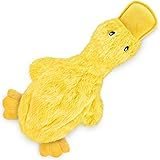
Best Pet Supplies Interactive Squeaky Dog Chew Toy, Ideal Dog Toys for Chewers, Small, Medium & Large Dogs, and Fetch Lovers - Crinkle Duck (Yellow), Large
$6.79 (as of April 5, 2026 21:35 GMT -05:00 - More infoProduct prices and availability are accurate as of the date/time indicated and are subject to change. Any price and availability information displayed on [relevant Amazon Site(s), as applicable] at the time of purchase will apply to the purchase of this product.)
Now retrieving an image set.
Purina Fancy Feast Grilled Wet Cat Food Seafood Collection in Wet Cat Food Variety Pack - (Pack of 24) 3 oz. Cans
$22.86 (as of April 5, 2026 21:35 GMT -05:00 - More infoProduct prices and availability are accurate as of the date/time indicated and are subject to change. Any price and availability information displayed on [relevant Amazon Site(s), as applicable] at the time of purchase will apply to the purchase of this product.)
Now retrieving an image set.
INABA Churu Cat Treats, Grain-Free, Lickable, Squeezable Creamy Purée Cat Treat/Topper with Vitamin E & Taurine, 0.5 Ounces Each Tube, 50 Tubes, Tuna & Chicken Variety
$32.99 (as of April 5, 2026 21:35 GMT -05:00 - More infoProduct prices and availability are accurate as of the date/time indicated and are subject to change. Any price and availability information displayed on [relevant Amazon Site(s), as applicable] at the time of purchase will apply to the purchase of this product.)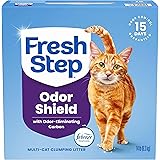
Now retrieving an image set.
Fresh Step Clumping Cat Litter, Multi-Cat, Long Lasting Odor Control Kitty Litter with Activated Charcoal, Low Dust Formula, 14 lb
$9.54 (as of April 5, 2026 21:35 GMT -05:00 - More infoProduct prices and availability are accurate as of the date/time indicated and are subject to change. Any price and availability information displayed on [relevant Amazon Site(s), as applicable] at the time of purchase will apply to the purchase of this product.)
Now retrieving an image set.