

Inconsistent Training Approaches
Why Consistency Matters in Puppy Training
Puppies thrive on routine and predictability because they are learning to navigate a new world. Consistent training sets clear expectations and helps your puppy associate specific behaviors with outcomes—both rewards and corrections. When commands or rules change frequently, puppies can become confused, frustrated, or anxious, leading to unwanted behaviors or slower progress.
Furthermore, inconsistency can undermine trust between you and your puppy. When a dog isn’t sure what you expect, they may test boundaries or hesitate to respond, making training sessions less effective and potentially stressful for both of you.
Common Causes of Inconsistent Training
Understanding the reasons behind inconsistent training is the first step to fixing it. Many puppy owners experience inconsistency due to these factors:
- Multiple Trainers: When family members or caregivers use different commands, rewards, or correction techniques, the puppy receives mixed signals.
- Changing Rules: Allowing certain behaviors sometimes but not others—for example, letting the puppy jump on guests one day but stopping it the next—confuses your dog.
- Varying Schedules: Training sessions that are irregular or too long can reduce focus and disrupt learning momentum.
- Unclear Commands: Using different words for the same behavior or inconsistent tone of voice makes it harder for your puppy to understand what’s expected.
Practical Tips to Create a Consistent Training Routine
Consistency is achievable with intention and a plan. Here are actionable strategies to help you establish a steady and effective training approach:
Agree on Common Commands and Signals
Decide as a household what commands you will use for key behaviors like sit, stay, come, and down. Stick to clear, short words and make sure everyone uses the same tone and hand signals if applicable. This uniformity will help your puppy quickly associate the command with the behavior.
Set Firm, Clear Rules for Behavior
Decide what behaviors are allowed and what are off-limits, then maintain those boundaries all the time. For example, if your puppy isn’t allowed on furniture, don’t make exceptions. Consistency builds understanding and respect for limits.
Train in Short, Frequent Sessions
Puppies have limited attention spans, so keeping training sessions around 5-10 minutes several times per day helps maintain engagement. Consistency in timing—such as before meals or after bathroom breaks—also reinforces routine and learning.
Use Positive Reinforcement Reliably
Rewards like treats, praise, or playtime should come immediately when your puppy performs the desired behavior. Consistent positive feedback solidifies what you want and encourages repetition.
Communicate Changes Calmly and Clearly
If you do need to change your approach—for example, adjusting commands or correcting a behavior differently—introduce changes gradually and consistently. Explain your approach with all caregivers to keep everyone on the same page.
How Consistency Supports Puppy Health and Wellbeing
Beyond obedience, consistent training positively impacts your puppy’s overall health and happiness. A steady routine provides structure that reduces anxiety and promotes good habits. Training can even encourage physical exercise, mental stimulation, and socialization, all of which contribute to long-term wellbeing.
Additionally, consistent training helps you identify and address behavioral issues early, minimizing stress for you and your puppy. Remember, training is more than commands—it’s about nurturing a balanced, trusting relationship.
By adopting consistent training approaches, you ensure your puppy grows into a confident and well-mannered dog. For those just starting out or needing a refresher course, be sure to visit our comprehensive Start Here pillar page, where you’ll find everything needed for a successful puppy journey from day one.
Frequently Asked Questions About Inconsistent Training
Q: How long does it take for a puppy to learn commands consistently?
A: Each puppy learns at their own pace, but with consistent daily practice, many puppies can respond reliably to basic commands within 4-6 weeks.
Q: Can inconsistent training cause behavior problems?
A: Yes, inconsistent training can confuse puppies, leading to anxiety, disobedience, or unwanted behaviors like excessive barking or chewing.
Q: What if different family members want to train the puppy in their own way?
A: It’s important that all family members agree on commands, rules, and training techniques to avoid sending mixed signals to the puppy.
Q: How can I stay consistent when life gets busy?
A: Keep training sessions short and use everyday routines like mealtime or walks as training opportunities. Prioritize regular, positive interactions to maintain progress.

Now retrieving an image set.
Pur Luv Chicken Jerky Dog Treats, Made with 100% Real Chicken Breast, 16 Ounces, Healthy, Easily Digestible, Long-Lasting, High Protein, Satisfies Dog's Urge to Chew
$13.99 (as of April 5, 2026 21:35 GMT -05:00 - More infoProduct prices and availability are accurate as of the date/time indicated and are subject to change. Any price and availability information displayed on [relevant Amazon Site(s), as applicable] at the time of purchase will apply to the purchase of this product.)
Now retrieving an image set.
Purina Fancy Feast Grilled Wet Cat Food Seafood Collection in Wet Cat Food Variety Pack - (Pack of 24) 3 oz. Cans
$22.86 (as of April 5, 2026 21:35 GMT -05:00 - More infoProduct prices and availability are accurate as of the date/time indicated and are subject to change. Any price and availability information displayed on [relevant Amazon Site(s), as applicable] at the time of purchase will apply to the purchase of this product.)
Now retrieving an image set.
Purina Fancy Feast Gravy Lovers Poultry and Beef Grilled Gourmet Wet Cat Food Variety Pack - (Pack of 24) 3 oz. Cans
$22.86 (as of April 5, 2026 21:35 GMT -05:00 - More infoProduct prices and availability are accurate as of the date/time indicated and are subject to change. Any price and availability information displayed on [relevant Amazon Site(s), as applicable] at the time of purchase will apply to the purchase of this product.)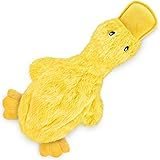
Now retrieving an image set.
Best Pet Supplies Interactive Squeaky Dog Chew Toy, Ideal Dog Toys for Chewers, Small, Medium & Large Dogs, and Fetch Lovers - Crinkle Duck (Yellow), Large
$6.79 (as of April 5, 2026 21:35 GMT -05:00 - More infoProduct prices and availability are accurate as of the date/time indicated and are subject to change. Any price and availability information displayed on [relevant Amazon Site(s), as applicable] at the time of purchase will apply to the purchase of this product.)
Now retrieving an image set.