Interactive Play Ideas for Puppies
There’s something about that puppy power—those boundless zoomies mixed with moments of pure curiosity—that pulls you in deep. But here’s what surprised me early on: interactive play is not just about burning puppy energy. It’s the secret sauce to building trust, sharpening their mind, and honestly, saving your sanity. So if you feel stuck staring at a chewed-up shoe after promise-filled playtime, you’re not alone. These interactive play ideas for puppies will transform those chaotic bursts into purposeful, joyful connection.
What Are the Best Interactive Play Ideas for Puppies?
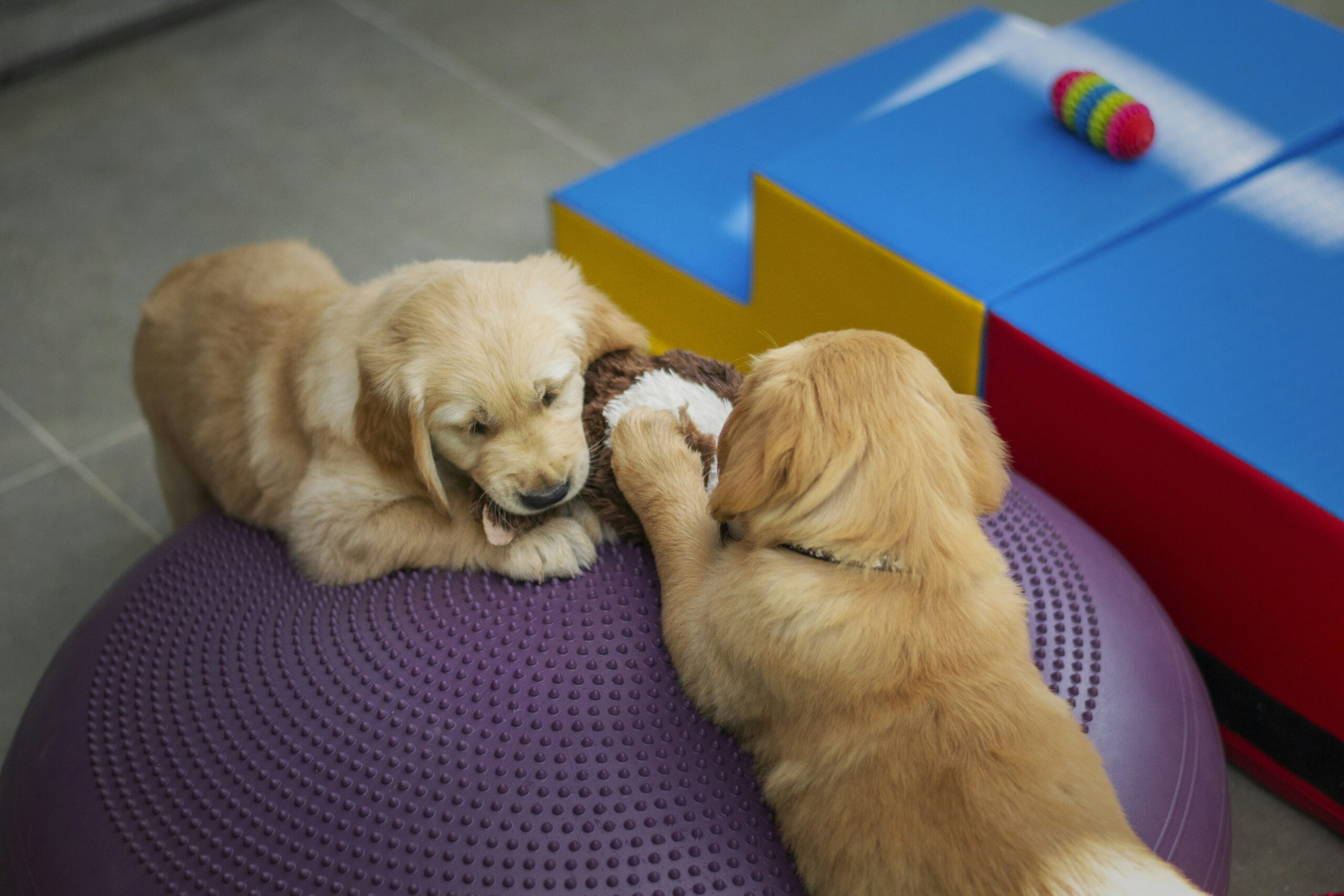
The best interactive play ideas for puppies involve simple games that engage their mind and body. Tug-of-war, hide-and-seek, and puzzle toys combine physical activity with mental challenges, keeping puppies interested and reducing destructive behaviors.
Why Is Interactive Play Important for Puppies?
Interactive play helps puppies build social skills, reduces anxiety, and strengthens the bond between dog and owner. Without enough engagement, puppies often turn to unwanted behaviors, like chewing or barking, as a way to release pent-up energy.
BarkBox - Monthly Dog Subscription Box
Get your puppy the best toys and treats delivered monthly! BarkBox offers premium dog toys, treats, and chews that are perfect for growing puppies. Each box is curated by experts and includes 2 toys, 2 bags of treats, and a chew.
Amazon Puppy Essentials
Everything you need for your new puppy in one place. From crates and beds to food bowls and training pads, Amazon has all the essentials at great prices with fast shipping.
Understanding Your Puppy’s Energy and Focus
One of the biggest frustrations with puppies is their short attention span. It’s tempting to try and exhaust them with long play sessions, but that’s where things quietly go wrong. A five-minute, high-quality interactive game beats a half-hour of unfocused running around every time. Early on, I learned that matching their energy level in short bursts—and layering in brain games—changes everything.
Using puppystorage solutions to organize toys by type and age appropriateness means you’re never scrambling mid-play to find something that holds their attention. Rotating toys keeps what’s out fresh and stimulating, so they don’t get bored.
Games That Work: Tug, Fetch, Puzzle & Hide
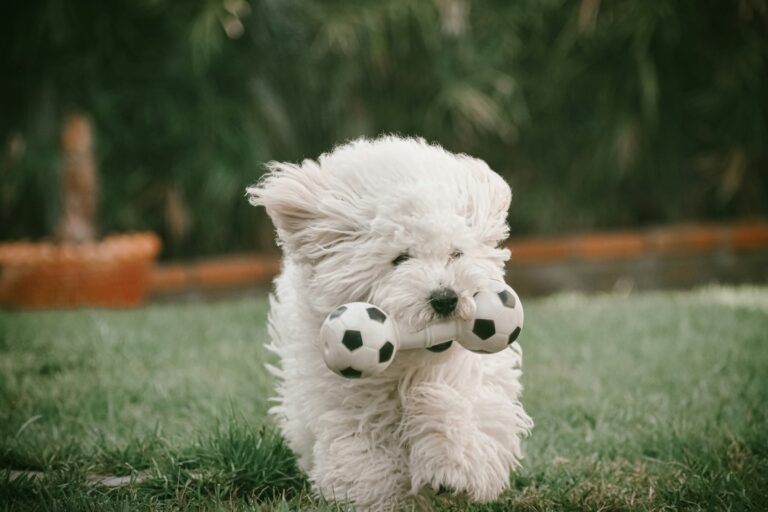
Tug-of-war is a classic that many miss for its interactive value. It channels your puppy’s natural instincts and builds impulse control—as long as you set clear rules. Fetch isn’t just a backyard classic; switching between soft balls and squeaky toys can maintain heightened interest while offering plenty of avenues for growth.
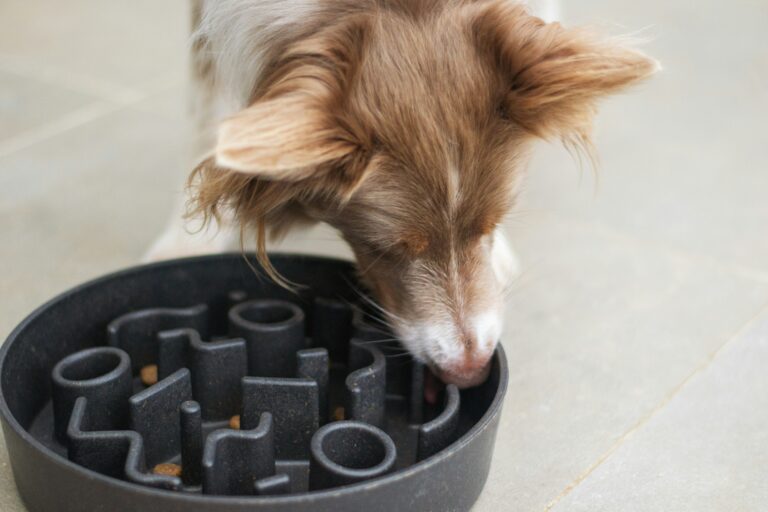
Puzzle toys challenge their brains and reward patience. I saw firsthand how a simple puzzle feeder kept my pup busy, slowing down her eating while mentally stimulating her. Hide-and-seek? That’s the gold standard to build recall and excitement about training.
Setting Up an Efficient Puppy Environment
Messy floors and scattered toys are not just an eyesore—they confuse your puppy and make playtime less accessible. Systems that evolve as your puppy grows—from bins for tiny chew toys to larger containers for training equipment—make a bigger difference than you expect. When everything has a place, you build a routine and a calmer space for your dog and yourself.
At PuppyStorage.com, I found that organizing puppy supplies simplifies the daily juggle. Food storage that’s airtight and reliable ensures fresh meals, while designated spots for toys reduce clutter and keep your puppy curious — because novelty feels new and exciting.
How to Keep Play Fun Without Overwhelm
Toy overload is real, and most people miss this completely. Leaving too many toys out slows puppy engagement. Instead, I recommend a three-toy rotation system. Swap a few toys every few days. It keeps things fresh without overwhelming both you and the pup.
Also, limit interactive sessions to about 10-15 minutes tops, several times a day. Short, focused play respects their mental limits and boosts stamina gradually. And remember, sometimes the best interactive play happens with a simple hand towel stuffed with treats — DIY, easy to store, and a surprise every time.
How to Incorporate Storage Systems That Grow with Your Puppy
Early puppyhood is all about managing chaos—teething toys, bedding, feeding bowls. But it’s also the time to build structure. Investing in storage systems that evolve means you upgrade once instead of buying, tossing, or stumbling over new products constantly.
For example, stackable bins or modular drawer units can start small, holding collars and chew toys, then expand to include training treats, grooming supplies, and sometimes the all-important emergency stash of puppy pads. This approach saves time and mental space — and trust me, chaos recovery feels like a minor miracle.
By syncing your play essentials with your organizational setup, you ensure playtimes start on the right foot and you end the day with less mess—not more.
If you’re looking to get the perfect tools together, check out our detailed guide on Puppy Toys and how to store them right.
Frequently Asked Questions
How often should I rotate puppy toys?
Rotate toys every 3-5 days to keep your puppy interested and prevent boredom. Keeping some toys out and others stored helps maintain novelty while reducing clutter.
What’s the best way to store puppy food to keep it fresh?
Use airtight containers specifically designed for pet food. They keep the food dry, prevent pests, and maintain aroma, which is crucial for picky eaters.
Can interactive play help reduce my puppy’s chewing habit?
Yes. Engaging your puppy mentally and physically with interactive play reduces boredom, one of the main causes of destructive chewing.
How to organize toys when space is limited?
Use vertical storage like wall-mounted bins or stackable containers to save floor space. Keep frequently used toys easily accessible, with seasonal or less-used items stored away.
My puppy loses interest quickly; how do I keep play engaging?
Keep play sessions short and frequent. Rotate toys and change games often. Incorporate scents or treats to pique curiosity.
Is it okay to involve children in interactive play with puppies?
Yes, but supervise closely and teach kids gentle play rules. It builds social skills for the puppy and safe handling habits for your child.
What’s the simplest interactive game for busy puppy parents?
Hide-and-seek with treats or toys is quick, fun, and effective. You don’t need special equipment—just a little creativity and some hiding spots around your home.
Interactive play with your puppy isn’t just another task—it’s the foundation for a happy, manageable, puppy-filled life. Getting these essentials right early saves headaches later on and builds a relationship that lasts well beyond those nippy puppy months.
Now retrieving an image set.
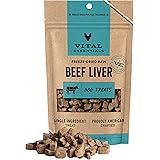
Vital Essentials Freeze Dried Dog Treats | Beef Liver, Single Ingredient | Premium Quality | Grain Free Training Treats for Dogs, 2.1 oz Bag
$5.99 (as of April 11, 2026 21:40 GMT -05:00 - More infoProduct prices and availability are accurate as of the date/time indicated and are subject to change. Any price and availability information displayed on [relevant Amazon Site(s), as applicable] at the time of purchase will apply to the purchase of this product.)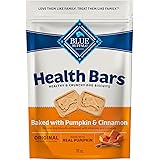
Now retrieving an image set.
Blue Buffalo Health Bars Crunchy Dog Biscuits, Oven-Baked with Natural Ingredients, Pumpkin & Cinnamon, 16-oz Bag
$4.98 (as of April 11, 2026 21:40 GMT -05:00 - More infoProduct prices and availability are accurate as of the date/time indicated and are subject to change. Any price and availability information displayed on [relevant Amazon Site(s), as applicable] at the time of purchase will apply to the purchase of this product.)
Now retrieving an image set.
Purina Fancy Feast Gravy Lovers Poultry and Beef Grilled Gourmet Wet Cat Food Variety Pack - (Pack of 24) 3 oz. Cans
$22.86 (as of April 11, 2026 21:40 GMT -05:00 - More infoProduct prices and availability are accurate as of the date/time indicated and are subject to change. Any price and availability information displayed on [relevant Amazon Site(s), as applicable] at the time of purchase will apply to the purchase of this product.)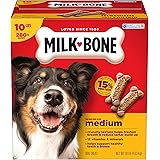
Now retrieving an image set.
Milk-Bone Original Dog Treats Biscuits for Medium Dogs, 10 Pound
$14.98 (as of April 11, 2026 21:40 GMT -05:00 - More infoProduct prices and availability are accurate as of the date/time indicated and are subject to change. Any price and availability information displayed on [relevant Amazon Site(s), as applicable] at the time of purchase will apply to the purchase of this product.)
Now retrieving an image set.