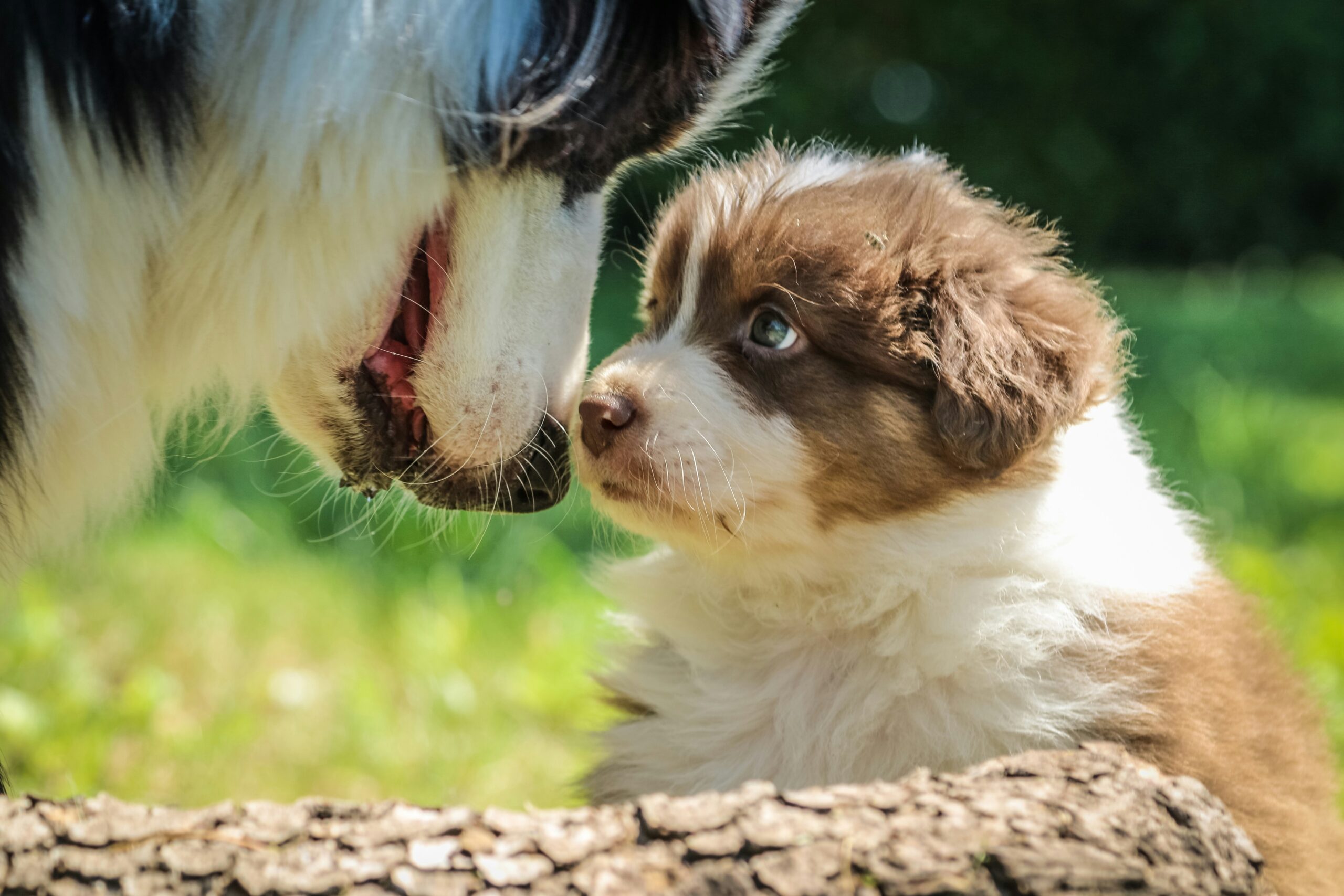
Introduction to Gentle Puppy Training
Gentle training builds a strong bond between you and your puppy, encouraging cooperation instead of fear. Whether you’re a first-time puppy owner or looking to improve training techniques, embracing these approaches will create a happier, well-mannered companion.
What is Gentle Puppy Training?
Gentle puppy training focuses on positive reinforcement and clear communication rather than punishment or harsh discipline. It emphasizes rewarding good behavior with praise, treats, and affection, which helps puppies understand what you want them to do.
This approach reduces fear and anxiety, making learning a fun and engaging process. Gentle training respects your puppy’s emotional needs and developmental stage, fostering trust and a strong relationship from the start.
Key Principles of Gentle Puppy Training
To train your puppy effectively while keeping things gentle, start by setting realistic expectations based on your puppy’s age and temperament. Puppies learn best in short, frequent sessions—typically 5 to 10 minutes—keeping their attention focused without overwhelming them.
Patience is crucial. Puppies need time to process commands and practice new behaviors. Consistency in your training cues and rewards helps avoid confusion and speeds up learning.
Another important principle is using timing wisely. Immediate rewards reinforce the connection between the desired behavior and the positive outcome. This makes it easier for puppies to associate their actions with consequences.
Practical Tips for Training Your Puppy Gently
Reward-Based Training: Always carry small, tasty treats during training sessions to reward your puppy’s successes instantly. Use enthusiastic praise alongside treats to make your puppy feel encouraged and loved.
Use Clear, Simple Commands: Stick to one-word commands like “sit,” “come,” or “stay” using the same tone and consistency. Avoid confusing your puppy by switching commands or tones frequently.
Create a Positive Environment: Make sure the training space is quiet, distraction-free, and comfortable. This helps your puppy focus better and reduces anxiety about learning.
Socialization: Introduce your puppy to different people, animals, and environments gently and at their own pace. This reduces fear and promotes confident behavior as they grow.
Address Undesirable Behaviors Calmly: Instead of punishment, redirect unwanted behavior by providing an alternative. For example, if your puppy is chewing on furniture, offer a favorite chew toy and praise them when they use it.
Proper Supplies: Equip yourself with basic training tools such as a soft collar, a lightweight leash, clickers (optional), and a comfy crate. These supplies support training efforts by offering structure and safety.
Supporting Your Puppy’s Health and Well-being During Training
Ensuring your puppy’s health is a key part of gentle training. A well-fed, rested, and healthy puppy is more attentive and responsive. Feed your puppy a balanced diet appropriate for their breed, size, and age to support brain development and energy levels.
Schedule regular veterinary check-ups and vaccinations to keep your puppy in optimal condition. Healthy puppies are naturally more eager to learn and less frustrated during training.
Be sure to provide daily exercise suitable for your puppy’s age to release pent-up energy positively. Simple playtime and short walks also help strengthen your bond and provide mental stimulation.
Building a Lasting Relationship Through Patience and Kindness
Gentle puppy training is not only about teaching commands but about laying the foundation for a lifelong friendship. Your puppy looks to you as a leader, protector, and teacher. Being patient, kind, and consistent sends a powerful message of trust and safety.
Every puppy learns at their own pace. Celebrate small wins, stay calm during setbacks, and keep interactions joyful. Over time, your puppy will grow into a confident, happy dog that responds lovingly to your guidance.
As you embark on your training journey, we invite you to explore our comprehensive resources on puppy care and training. For more tips, tools, and expert advice, visit our Start Here page to begin your puppy parenting journey on the right paw.
Frequently Asked Questions (FAQ)
Q: How early should I start gentle training with my puppy?
A: You can start gentle training as soon as your puppy comes home, usually around 8 weeks old. Early positive experiences help them learn faster and reduce fear.
Q: What if my puppy does not respond to positive reinforcement?
Every puppy is unique. If your puppy isn’t motivated by treats, try different rewards like play, praise, or special toys. Patience and consistency are key in finding what works best.
Q: How do I handle puppy biting during training?
Redirect biting behavior by offering chew toys and gently withdraw attention when biting occurs. Teaching bite inhibition takes time, so remain calm and consistent.
Q: Can gentle training help with separation anxiety?
Yes, gentle training combined with gradual desensitization and creating positive alone time experiences can reduce separation anxiety. Consult behavior experts if anxiety persists.
Now retrieving an image set.
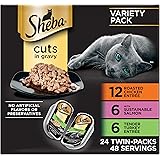
Sheba Perfect Portions Wet Cat Food Cuts in Gravy, Cat Food Wet Recipe, Roasted Chicken Entree, with Sustainable Salmon, Tender Turkey Entree, 2.6 oz. Twin-Pack Trays (24 Count, 48 Servings)
$23.38 (as of April 5, 2026 21:35 GMT -05:00 - More infoProduct prices and availability are accurate as of the date/time indicated and are subject to change. Any price and availability information displayed on [relevant Amazon Site(s), as applicable] at the time of purchase will apply to the purchase of this product.)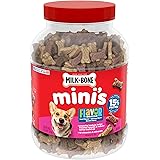
Now retrieving an image set.
Milk-Bone Flavor Snacks Mini’s Dog Biscuits, Flavored Crunchy Dog Treats, 36 Oz. Canister
$11.47 (as of April 5, 2026 21:35 GMT -05:00 - More infoProduct prices and availability are accurate as of the date/time indicated and are subject to change. Any price and availability information displayed on [relevant Amazon Site(s), as applicable] at the time of purchase will apply to the purchase of this product.)
Now retrieving an image set.
Purina Fancy Feast Grilled Wet Cat Food Seafood Collection in Wet Cat Food Variety Pack - (Pack of 24) 3 oz. Cans
$22.86 (as of April 5, 2026 21:35 GMT -05:00 - More infoProduct prices and availability are accurate as of the date/time indicated and are subject to change. Any price and availability information displayed on [relevant Amazon Site(s), as applicable] at the time of purchase will apply to the purchase of this product.)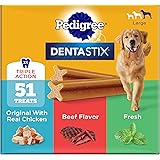
Now retrieving an image set.
Pedigree Dentastix Large Dog Treats, Original, Beef & Fresh, 2.73 lb. Variety Pack (51 Treats Total)
$23.98 (as of April 5, 2026 21:35 GMT -05:00 - More infoProduct prices and availability are accurate as of the date/time indicated and are subject to change. Any price and availability information displayed on [relevant Amazon Site(s), as applicable] at the time of purchase will apply to the purchase of this product.)
Now retrieving an image set.