Overlooking Early Socialization
If you’re just starting out with your puppy journey, don’t forget to visit our Start Here page for comprehensive guidance on puppy care and training essentials.
Why Early Socialization Matters
Puppies undergo a critical socialization window, typically between 3 and 14 weeks of age, where they are most receptive to new experiences. During this time, they learn to interpret people, other dogs, and environments as safe and normal. Overlooking early socialization can lead to fear, anxiety, and aggressive behaviors later in life, making everyday situations stressful for your pup and your family.
Well-socialized puppies are more adaptable to change, less reactive, and generally happier companions. They develop positive associations with new sights, sounds, and smells, preventing many common behavioral problems that require corrective training or even professional help down the line.
Practical Tips for Early Puppy Socialization
Socialization doesn’t need to be complicated or overwhelming. Here are actionable tips you can start implementing immediately to help your puppy grow into a well-adjusted adult dog:
- Expose Your Puppy Gradually: Introduce new people, animals, surfaces, noises, and environments step by step. For example, start with calm family friends before moving on to busy parks or pet-friendly stores.
- Keep Experiences Positive: Use treats, praise, and play to make every new experience feel rewarding. Your puppy will learn to look forward to meeting new things rather than fearing them.
- Enroll in Puppy Classes: Puppy socialization classes provide structured, supervised opportunities to interact with other pups and people safely. Look for classes focused on positive reinforcement and social skills development.
- Invite Controlled Visits: Allow friends and family to visit and gently handle your puppy. This increases their comfort around different people and reduces stranger anxiety.
- Introduce Different Surfaces and Sounds: Let your puppy walk on grass, concrete, carpet, and other textures. Play recordings of city noise, thunderstorms, or vacuum cleaners at low volumes to build sound tolerance.
Common Pitfalls to Avoid During Socialization
Even with the best intentions, some mistakes can undermine early socialization efforts. Avoid these common pitfalls to ensure your puppy benefits from every new experience:
- Overwhelming Situations: Forcing your puppy into large crowds or intense environments too soon can spike fear rather than build confidence. Start small and gradually increase exposure.
- Ignoring Body Language: Watch for signs of stress such as tucked tails, flattened ears, or avoidance behaviors. Pause or redirect if your puppy seems scared to prevent negative associations.
- Skipping Routine Training: Socialization should be paired with basic obedience training like sit, stay, and recall. This builds communication and control, making new encounters more manageable.
- Delaying Socialization: Waiting until after the socialization period to introduce new things can make it harder for your puppy to overcome fears later in life.
Using the Right Supplies to Support Socialization
Having the right puppy supplies can make socialization safer and more effective. A well-fitted harness or gentle leash ensures comfortable control during walks or new interactions. Avoid retractable leashes that might give less control in unpredictable environments.
Toys and treats are excellent tools to reward positive social behavior. Use high-value treats during training and socialization sessions to reinforce calm, confident responses. Interactive toys can keep your puppy entertained, reducing anxiety when exploring new places.
Consider carrying a portable water bowl and waste bags during outings to meet your puppy’s basic needs and stay comfortable in unfamiliar settings. Cleanliness and comfort go a long way in creating good experiences.
Remember, socialization is just one part of raising a happy, healthy puppy. For a full picture of what your puppy needs, check back to our comprehensive guide on the Start Here page.
Conclusion
Overlooking early socialization can lead to behavioral challenges and missed opportunities in your puppy’s development. By prioritizing gentle, positive exposure during the vital socialization window, you are setting your pup up for a lifetime of confidence and happiness. Remember to be patient, observant, and consistent as you guide your puppy through these formative weeks. The effort you put into early socialization will pay off in a well-rounded and loving companion.
Frequently Asked Questions
What is the best age to start socializing my puppy?
The critical window is between 3 and 14 weeks of age. It’s ideal to begin socialization as early as possible during this period, always guided by your veterinarian’s advice regarding vaccinations and safety.
Can I socialize my puppy before their vaccinations are complete?
Yes, but with caution. Avoid high-risk areas like dog parks and always use controlled, clean environments such as puppy classes or private homes to minimize exposure to illness while still encouraging social development.
How do I know if my puppy is stressed during socialization?
Watch for signs like cowering, trembling, yawning, lip licking, or trying to escape. If you see these, gently remove your puppy from the situation and try a slower introduction next time.
Are puppy socialization classes necessary?
While not absolutely required, puppy classes provide valuable controlled environments to expose your pup to others safely and can accelerate socialization success while providing expert guidance.
Now retrieving an image set.
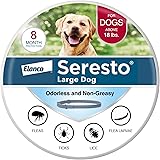
Seresto Flea & Tick Collar For Dogs Over 18 lbs., Treatment & Prevention, Vet-Recommend, 8 Month Protection
$59.92 (as of April 5, 2026 21:35 GMT -05:00 - More infoProduct prices and availability are accurate as of the date/time indicated and are subject to change. Any price and availability information displayed on [relevant Amazon Site(s), as applicable] at the time of purchase will apply to the purchase of this product.)
Now retrieving an image set.
Sheba Perfect Portions Wet Cat Food Cuts in Gravy, Cat Food Wet Recipe, Roasted Chicken Entree, with Sustainable Salmon, Tender Turkey Entree, 2.6 oz. Twin-Pack Trays (24 Count, 48 Servings)
$23.38 (as of April 5, 2026 21:35 GMT -05:00 - More infoProduct prices and availability are accurate as of the date/time indicated and are subject to change. Any price and availability information displayed on [relevant Amazon Site(s), as applicable] at the time of purchase will apply to the purchase of this product.)
Now retrieving an image set.
Vital Essentials Freeze Dried Dog Treats | Beef Liver, Single Ingredient | Premium Quality | Grain Free Training Treats for Dogs, 2.1 oz Bag
$5.99 (as of April 5, 2026 21:35 GMT -05:00 - More infoProduct prices and availability are accurate as of the date/time indicated and are subject to change. Any price and availability information displayed on [relevant Amazon Site(s), as applicable] at the time of purchase will apply to the purchase of this product.)
Now retrieving an image set.
Amazon Basics Leak-Proof Dog and Puppy Potty Training Pee Pads with Quick-Dry 5-Layer Super Absorbent Design, Regular Size 22 x 22 inch, Blue & White, 100 Count
$17.45 (as of April 5, 2026 21:35 GMT -05:00 - More infoProduct prices and availability are accurate as of the date/time indicated and are subject to change. Any price and availability information displayed on [relevant Amazon Site(s), as applicable] at the time of purchase will apply to the purchase of this product.)
Now retrieving an image set.