

Preparing Your Puppy for the Vet
There’s this mix of nerves and hope swirling through every first vet visit with a puppy. It’s not just about keeping the appointment – it’s about setting your pup up for a lifetime of calm check-ups, not full-on freakouts. Preparing your puppy for the vet isn’t a one-time thing. It’s a subtle, ongoing game that, done right, makes the difference between stressful trips and welcome pit stops on their health journey. Here’s what surprised me when I first navigated this: the way you organize your puppy’s space impacts how calm and ready they feel before even stepping into the vet’s office.
Why Should I Prep My Puppy for the Vet Visit?
Because a scared puppy is a wriggly, unhappy puppy—and that makes everything harder, from exams to vaccinations. Early preparation helps build positive associations and reduces stress, making vet visits smoother and safer for both of you.
How Can I Make Vet Trips Less Stressful for My Puppy?
Introducing your puppy to handling early and pairing vet-related items—like carrier crates or leashes—with treats and play fosters confidence. Short, positive outings that mimic vet visits prevent fear buildup, so they see the process as no big deal.
Start With a Clear Puppy Supply Zone, Not Just the Vet Bag
This is where things quietly go wrong for many new owners. Everything gets tossed haphazardly into a bag the night before the appointment—then panic sets in looking for that special toy or your pup’s shot records. Instead, set up a dedicated area with organized food storage, leashes, grooming tools, and your go-to vet bag ready at all times. A neat, evolving puppy supply station keeps stress off you and your pup when vet day rolls around.
BarkBox - Monthly Dog Subscription Box
Get your puppy the best toys and treats delivered monthly! BarkBox offers premium dog toys, treats, and chews that are perfect for growing puppies. Each box is curated by experts and includes 2 toys, 2 bags of treats, and a chew.
Amazon Puppy Essentials
Everything you need for your new puppy in one place. From crates and beds to food bowls and training pads, Amazon has all the essentials at great prices with fast shipping.
Get Them Used to the Carrier: More Than Just a Trip Tool
This makes a bigger difference than you expect. Your puppy’s crate or carrier shouldn’t only come out on vet days. Rotate toys and treats in there regularly to create a cozy, familiar space. When the crate becomes a safe zone—not a last-minute confine—they’ll be more relaxed from the moment you pick them up. Puppystorage systems that adapt as your puppy grows make this easy to maintain, providing a seamless transition from eager little fluff ball to a calm, mature dog.
Practice ‘Handling’ at Home: The Simple Vet Prep You Can Do Daily
Doctors handle us every visit; your puppy can learn to accept gentle touches in a similar way. Spend minutes each day touching their paws, ears, and mouth gently, rewarding calm behavior. This reduces surprise or resistance during vet exams and nail trims. Most people miss this completely, rushing straight to the vet and wondering why their pup freaks out.
Food Storage and Treat Timing Play a Big Role
Keeping your puppy’s food fresh and organized isn’t just about convenience. When you’re prepping a treat for a vet visit or a training session, having it at hand with a reliable food storage system keeps the process fast and stress-free. Quick rewards make each vet-related experience positive and predictable, reinforcing calm behavior effortlessly.
Use Short, Rewarding ‘Mock’ Vet Visits to Demystify the Process
Think of it as a dry run, where you walk your puppy near the vet’s office or, better yet, inside if allowed. Brief, fun check-ins with the receptionist or staff let your dog associate the location with friendly faces and rewards. Real-world practice like this cuts down on the anxiety that’s often misunderstood as ‘bad behavior’ during the actual visit.
The Role of Toy Rotation in Reducing Vet Trip Anxiety
Instead of always bringing the same worn-out chew toy, rotate the ones you pack for vet visits to keep novelty and interest high. This creates engagement and distraction, turning scary moments into playful breaks. Organizing your puppy’s toys effectively means you always know which one is fresh and perfect for calming moments on the go.
Frequently Asked Questions
How can I stop my puppy from shaking at the vet?
Shaking usually means anxiety. Try short, positive experiences before the visit, like brief handling sessions at home and a calm carrier. Bringing a favorite, rotated toy and using treats during the visit helps too.
What’s the easiest way to keep all puppy supplies ready for the vet?
Set up a specific spot for all vet-related gear—carrier, leash, health records, treats—in a storage system that fits your space and grows with your puppy. That way, you avoid last-minute scrambles.
My puppy hates the carrier. How can I fix that?
Use the carrier daily for short naps and treat time, making it a cozy cave rather than just a travel box. Rotate toys inside there to keep it inviting, and give lots of rewards when they go in voluntarily.
Are pediatric vet visits really that important for young puppies?
Absolutely. Early vet visits ensure proper vaccinations and screenings. Plus, these visits lay the groundwork for a stress-free relationship with your veterinarian.
How do I remember all the puppy stuff I need to bring?
Make a vet trip checklist and keep it with your organized puppy supplies. Having everything in one place reduces mental load and prevents leaving behind essentials like health records or preferred treats.
Is it okay to bring food to the vet?
Yes. Small, high-value treats can reward calm behavior and distract your puppy during uncomfortable moments. Just check with your vet first, especially if fasting is required.
How does organizing my puppy’s environment help with vet trips?
A clutter-free, easy-to-navigate space helps your puppy stay calm before the trip. When feeding areas, toys, and leashes are orderly, it reduces owner stress, which your puppy senses instantly.
Vet visits, in my experience, aren’t just about injections and check-ups; they’re about relationships—between you, your pup, and your vet. By organizing supplies smartly and building up positive, gradual experiences, those nervous jitters turn into routine check-ins. You’ll find yourself less frazzled, your puppy less fearful, and both of you more prepared for whatever comes next. This thoughtful preparation builds a foundation where health care is seamless, not scary. For more detailed tips on managing your puppy’s overall wellbeing, check out Health and Care.

Now retrieving an image set.
Nutramax Cosequin for Dogs Joint Health Supplement, Contains Glucosamine for Dogs, Plus Chondroitin and MSM, Supports Healthy Joints, For All Breeds and Sizes, Chewable Tablets, 132 Count
$34.91 (as of April 12, 2026 21:40 GMT -05:00 - More infoProduct prices and availability are accurate as of the date/time indicated and are subject to change. Any price and availability information displayed on [relevant Amazon Site(s), as applicable] at the time of purchase will apply to the purchase of this product.)
Now retrieving an image set.
Fancy Feast Poultry and Beef Feast Classic Pate Collection Grain Free Wet Cat Food Variety Pack - (Pack of 30) 3 oz. Cans
$28.06 (as of April 12, 2026 21:40 GMT -05:00 - More infoProduct prices and availability are accurate as of the date/time indicated and are subject to change. Any price and availability information displayed on [relevant Amazon Site(s), as applicable] at the time of purchase will apply to the purchase of this product.)
Now retrieving an image set.
Dr. Elsey's Ultra UnScented Clumping Clay Cat Litter 40 lb. Bag
$20.99 (as of April 12, 2026 21:40 GMT -05:00 - More infoProduct prices and availability are accurate as of the date/time indicated and are subject to change. Any price and availability information displayed on [relevant Amazon Site(s), as applicable] at the time of purchase will apply to the purchase of this product.)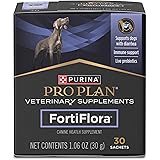
Now retrieving an image set.
Purina Pro Plan Veterinary Supplements FortiFlora Daily Probiotics for Dogs, Helps Digestive Gut Health and Diarrhea - 30 ct. Box
$30.99 (as of April 12, 2026 21:40 GMT -05:00 - More infoProduct prices and availability are accurate as of the date/time indicated and are subject to change. Any price and availability information displayed on [relevant Amazon Site(s), as applicable] at the time of purchase will apply to the purchase of this product.)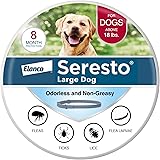
Now retrieving an image set.