
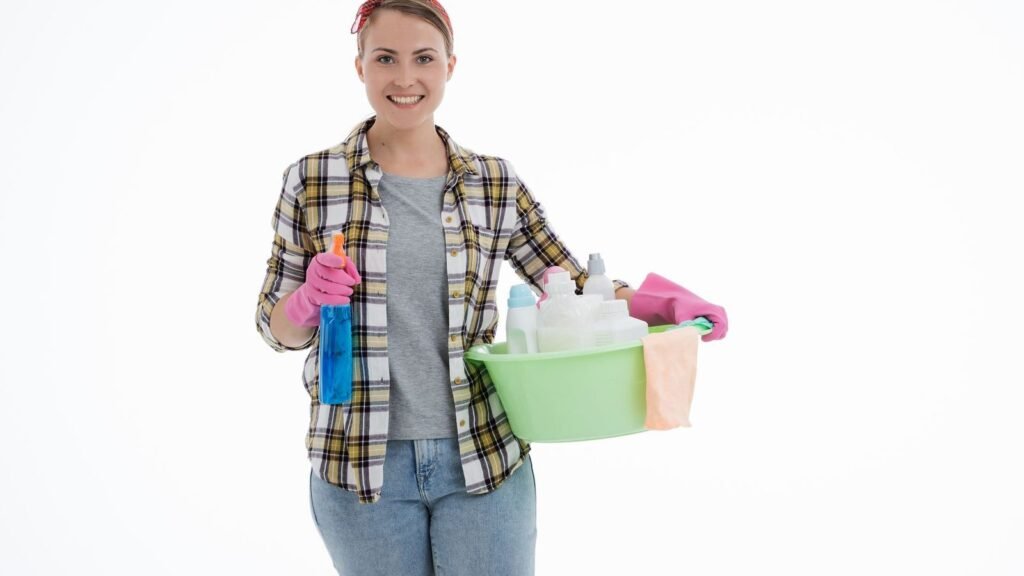
When a puppy has an accident near the sofa or comes in with wet, muddy paws, the puppy cleaning supplies caddy vs cabinet decision becomes very practical: can you grab what you need before the mess spreads, while keeping cleaners and small items away from an exploring mouth? A portable caddy is quick to carry from room to room. A closed cabinet creates a safer, calmer home base for bottles, refills, and supplies that should not sit out.
What to Look For in puppy cleaning supplies caddy vs cabinet
Use decision criteria tied to puppy cleaning supplies caddy vs cabinet: space, upkeep, how it fits your routine, and everyday usability.
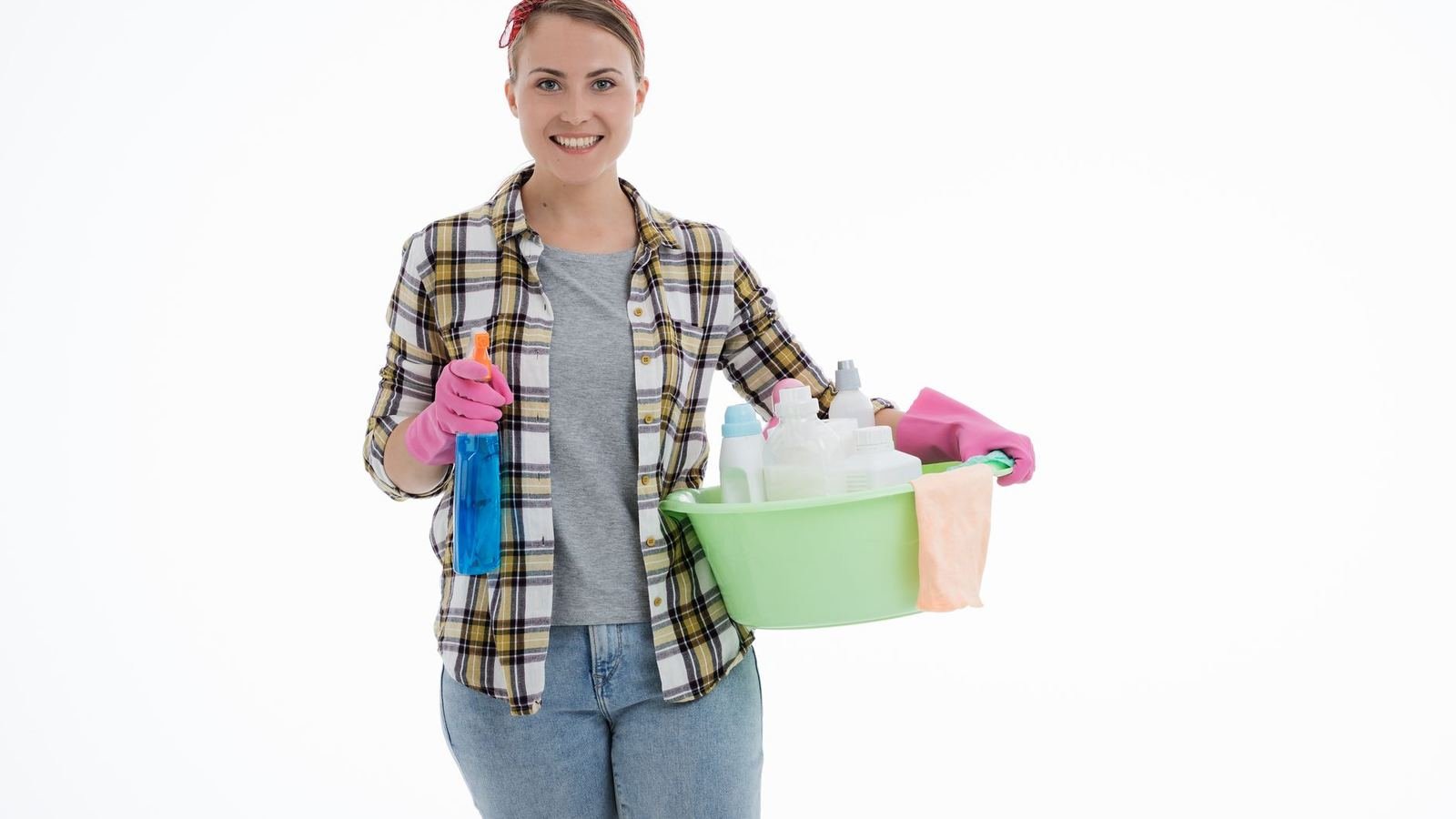
The problem is not simply finding a place for paper towels. New puppy routines can scatter enzyme cleaner, disposable wipes, washcloths, poop bags, grooming towels, and replacement rolls across the kitchen, entryway, and laundry area. Leaving all of it in an open bin may feel convenient during housetraining, but a curious puppy can reach bottles, chewable caps, wipes, or small loose items. Follow each product’s label and storage instructions, and keep cleaning products secured rather than accessible to your puppy.
For most homes, the easiest system is a two-part setup: keep a small caddy for the items you are actively using during a cleanup, then return it to a secured cabinet after the job is done. For example, carry a handled caddy with a washable towel and a roll of paper towels while you clean muddy paws at the door. Store cleaning solutions, backup towels, refills, and unopened wipe packs in a latched or high closed cabinet nearby.
One immediate fix: choose one cabinet shelf or drawer that is above puppy reach or fitted with a reliable child-safety latch, and make it the only permanent storage spot for cleaning products. Place a shallow tray inside it so bottles stay upright and drips are contained. This gives you a consistent place to restock from without turning the floor-level cleanup station into a tempting puppy discovery zone.
When a Portable Caddy Makes Accidents Easier
For the puppy cleaning supplies caddy vs cabinet choice, use a portable caddy when speed matters and you can keep it in your hand, beside you, or out of the puppy’s reach during cleanup. A closed cabinet is the better home base for cleaners, stain removers, disinfectants, refill bottles, and anything small enough to chew or swallow. The most practical setup is often both: carry a small caddy for the immediate job, then return every item to a secured cabinet as soon as the area is clean.
Start by putting the caddy where an accident is most likely to spread: near the living room, by the puppy’s pen, or at the entry after a rainy walk. Bring it to the mess before fetching other supplies. Avoid parking an open caddy on the floor, under a coffee table, or by the door where a curious puppy can nose through it. Puppies may chew accessible household items, so follow each product label’s storage instructions and keep products secured when they are not actively being used. The ASPCA also recommends limiting access to tempting chewable items as part of managing destructive chewing behavior.
| Factor | Portable caddy | Closed cabinet |
|---|---|---|
| Portability | Moves with you from sofa to entryway or bedroom. | Stays in one designated cleanup zone. |
| Cleanup speed | Fastest when you are already supervising and need supplies immediately. | Slower to retrieve, but keeps the routine contained. |
| Puppy access control | Safe only while carried or placed beyond the puppy’s reach. | Best for keeping cleaners, wipes, and small items unavailable to the puppy. |
| Room requirements | Needs only a small parking spot when empty. | Needs a cabinet, latched cupboard, or secured utility shelf. |
| Visual clutter | Can look messy if left out between cleanups. | Hides supplies and keeps shared rooms calmer. |
| Capacity for backup supplies | Limited to a short, current-use kit. | Holds refills, extra cloths, and reserve cleanup supplies. |
- Use the caddy first: Carry only the items needed for the current cleanup, such as a washable cloth and a waste bag, rather than storing a full collection of products in it.
- Keep the cabinet stocked: Store all bottles, refills, sealed wipes, and spare rolls behind a closed door or other secured barrier.
- Adjust after repeat messes: If accidents keep happening in one room, move the empty caddy’s storage spot closer, but still return its contents to the cabinet after each use.
For example, an apartment owner might carry a small caddy from a high shelf to the rug after an accident, then place used cloths in the laundry and lock the remaining supplies back in a hall cabinet. That preserves quick response without turning the floor-level living area into open puppy storage. ASPCA guidance on destructive chewing supports managing a puppy’s environment by keeping tempting items out of reach.
What Belongs in Each Storage Option
For the puppy cleaning supplies caddy vs cabinet decision, divide supplies by two questions: Do you need it while you are actively cleaning, and is it safe to leave accessible if your puppy gets curious? A caddy is a short-term, owner-controlled tool. A closed cabinet is the home base for cleaners, refills, and anything a puppy could chew, swallow, or spill.
| Factor | Portable caddy | Closed cabinet |
|---|---|---|
| Portability | Moves from an accident area to the entryway or laundry sink in one trip. | Stays in one designated cleanup zone. |
| Cleanup speed | Fastest when it is carried by an adult during cleanup. | Fast when placed near common messes, but requires returning to the storage spot. |
| Puppy access control | Low unless it is in your hand or put away immediately after use. | High when doors close securely and supplies are stored out of reach. |
| Room requirements | Needs only a small parking spot on a high shelf or inside a cabinet. | Needs floor, wall, or under-counter space near the entry, laundry area, or kitchen. |
| Visual clutter | Can look untidy if left on the floor, sofa, or counter. | Hides backup supplies and used-up packaging behind a door. |
| Capacity for backup supplies | Limited to immediate-use items. | Holds refills, extra towels, unopened bags, and spare cleanup tools. |
- Owner-carried response caddy:
Owner-carried response caddy, shop optionsSee on Amazon
Choose a small, open-top plastic tote with a solid base, two handles, and no removable dividers that can fall out. Keep it light enough to carry with one hand while managing a puppy with the other. During an active cleanup, it can hold a washable cloth, a roll of paper towels, and a spare hand towel. When the task is done, empty damp items into the laundry and return the caddy to a high shelf or inside the cabinet. Do not treat an open caddy as all-day floor storage.
- Secured cleaner cabinet:
Secured cleaner cabinet, shop optionsSee on Amazon
Put spray cleaners, stain removers, disinfectants, wipes, and small accessories in a cabinet with a closing door and a child-resistant cabinet latch if your puppy can open or nose at doors. A narrow two-door utility cabinet, an under-sink cabinet with a latch, or a wall-mounted cabinet with doors works best when it aligns with your available space and routine. Store products upright, keep their original labels visible, and follow each product’s storage instructions. The ASPCA notes that dogs may chew household items when left with access, which is a good reason to keep tempting bottles and containers behind a closed door. ASPCA guidance on destructive chewing.
- Muddy-paw shelf:
Muddy-paw shelf, shop optionsSee on Amazon
Reserve one cabinet shelf or a shallow, lidded bin inside the cabinet for entryway cleanup items: a clean towel stack, a washable paw towel, and a waterproof mat that is drying between outings. This separates damp, dirty gear from accident-cleaning supplies. If towels are wet or muddy, move them to a laundry hamper rather than packing them back into the caddy, where moisture and odor can build up.
- Refill-and-backup zone:
Refill-and-backup zone, shop optionsSee on Amazon
Use the bottom or highest cabinet shelf, whichever your puppy cannot access, for unopened paper towels, replacement waste bags, extra washable cloths, and sealed refill packages. A cabinet handles these bulky backups better than a caddy and prevents the common problem of buying duplicates because the last refill disappeared into a closet.
A practical two-part setup often solves the tradeoff. For example, an apartment owner might keep a small empty-ready caddy on the top shelf of an entry closet and a latched cabinet below it. When muddy paws come through the door, the owner takes out the caddy, adds a clean towel from the cabinet, and handles the mess without carrying bottles through the home. Afterward, the towel goes to laundry and all cleaners, wipes, and small items return to the secured cabinet.
Choose by Access, Puppy Safety, and Available Space
For the puppy cleaning supplies caddy vs cabinet decision, the simplest answer is usually not choosing only one. Use fast access for the items you need during a cleanup, but keep cleaners, refills, wipes, and small loose pieces behind a closed door when they are not actively in your hands. That balance helps you respond to an accident or muddy entryway without turning the cleanup station into something your puppy can investigate.
| Factor | Portable caddy | Closed cabinet |
|---|---|---|
| Portability | Moves with you from room to room. | Stays in one predictable home base. |
| Cleanup speed | Best when you are already supervising and need supplies immediately. | Adds a short trip to open and retrieve items. |
| Puppy access control | Needs to be carried or put away after use. | Better for keeping supplies out of reach when securely closed. |
| Room requirements | Fits beside a sofa, near an entry, or in a small apartment. | Needs a dedicated spot with door clearance. |
| Visual clutter | Can look busy if left out. | Hides bottles, cloths, and spare items. |
| Capacity for backup supplies | Limited to today’s essentials. | Holds refills, extra towels, and unopened supplies. |
Try a two-part routine this week. After breakfast, place only the low-risk items you are using for supervised cleanup into a small caddy, then return it to its storage spot when the task is done. Keep cleaning products, stain removers, refill packs, and anything small enough to be chewed inside a secured cabinet. The ASPCA recommends managing a puppy’s environment to reduce access to tempting objects during chewing stages; follow each product label and its storage instructions as well. ASPCA guidance on destructive chewing offers broader puppy-proofing reminders.
- Small-space apartment: Keep the cabinet in the laundry area or under a secured utility space, and carry the caddy only while dealing with an accident or wet paws.
- Busy family home: Put the cabinet near the main entrance or laundry room so every adult returns supplies to the same place after a cleanup.
Tonight, choose one cabinet or closed storage spot for all cleaners and refills, then clear one small caddy for the next supervised cleanup.
What you’ll actually use
These are the pieces this setup actually uses. If one does not earn a place in your home, leave it off the list.
- Waste Bags: Keep this where puppy cleaning supplies caddy vs cabinet actually happens, and skip it if you already have a version that works.
- First Aid Kit: Keep this where puppy cleaning supplies caddy vs cabinet actually happens, and skip it if you already have a version that works.
- Training Treats: Keep this where puppy cleaning supplies caddy vs cabinet actually happens, and skip it if you already have a version that works.
- Crate Pad: Keep this where puppy cleaning supplies caddy vs cabinet actually happens, and skip it if you already have a version that works.
FAQ
What to Look For in puppy cleaning supplies caddy vs cabinet?
Use decision criteria tied to puppy cleaning supplies caddy vs cabinet: space, upkeep, how it fits your routine, and everyday usability. Photo by Anastasiya Gepp on Pexels The problem is not simply finding a place for paper towels.
When a Portable Caddy Makes Accidents Easier?
For the puppy cleaning supplies caddy vs cabinet choice, use a portable caddy when speed matters and you can keep it in your hand, beside you, or out of the puppy’s reach during cleanup. A closed cabinet is the better home base for cleaners, stain removers, disinfectants, refill bottles, and anything small enough to chew or swallow.
What Belongs in Each Storage Option?
For the puppy cleaning supplies caddy vs cabinet decision, divide supplies by two questions: Do you need it while you are actively cleaning, and is it safe to leave accessible if your puppy gets curious? A caddy is a short-term, owner-controlled tool.