

When a puppy tracks wet leaves across the entryway, has an accident near the rug, or soils crate bedding overnight, the useful choice is not the prettiest storage option, it is the one that puts cleanup supplies in reach before the mess spreads. In the puppy cleaning tools bucket vs wall rack decision, a carryable bucket suits supplies that need to travel with you, while a wall rack works best when cleanup usually happens in one dependable spot.
What to Look For in puppy cleaning tools bucket vs wall rack
Use decision criteria tied to puppy cleaning tools bucket vs wall rack: space, upkeep, how it fits your routine, and everyday usability.
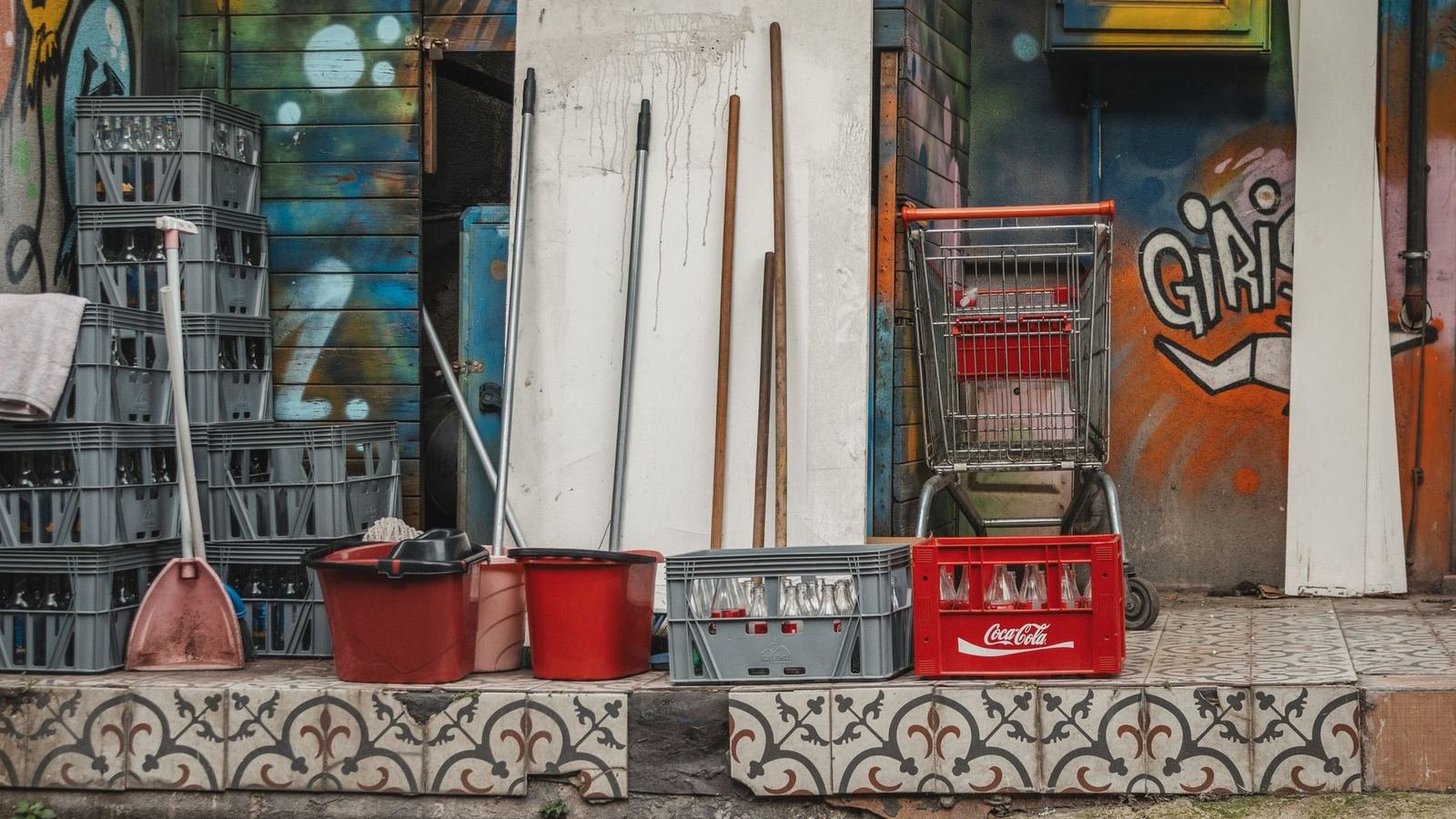
The problem is simple but important: new puppy owners need paper towels, washable cloths, waste bags, a small brush, and any cleaning products ready for accidents, muddy paws, and crate messes. Yet those items also need to stay organized and out of curious teeth. An open bucket left on the floor is easy to grab, but it can become an unsafe chew target or a clutter catchall. A wall rack clears the floor and creates a home for each tool, but it is less helpful when the crate is upstairs, the back door is across the house, or muddy paws arrive through a different entrance.
Use one quick decision rule: choose a bucket if you regularly carry supplies between rooms or from the door to the crate; choose a wall rack if most messes occur in a fixed cleanup zone, such as a laundry area beside the crate or an entryway dog-towel station. In either setup, keep chemicals in their original labeled containers, close them after use, and store them where the puppy cannot reach them. A portable bucket is for supervised cleanup, not long-term open storage.
For example, in a small apartment where the puppy uses one outdoor door but sleeps in a bedroom crate, a handled bucket can hold a roll of paper towels, a sealed pouch of cloths, waste bags, and a small lidded container for used items until laundry time. Put the bucket on a high shelf or inside a latched cabinet between cleanups. In a house with a mudroom crate and a nearby sink, a securely mounted wall rack can keep towels and brushes off the floor, while closed cabinet storage below or beside it keeps cleaning solutions inaccessible. The better option is the one that matches where you actually respond to messes, not the one that demands a new routine every day.
When a Cleaning Bucket Makes Daily Puppy Cleanup Easier
For the puppy cleaning tools bucket vs wall rack decision, choose a bucket when the messes happen in more than one place. A carryable bucket works best for an apartment entryway, the crate area, a patio door, and any room where your puppy may have an accident. Keep it light enough to pick up with one hand, then bring it to the mess instead of leaving wet towels or spray bottles scattered around the house.
Start by placing only the supplies you use during a supervised cleanup in the bucket: disposable gloves, paper towels or washable cloths, a small trash-bag roll, a clean towel for paws, and a labeled cleaner with its cap secured. After each use, return the bucket to a high shelf, latched utility cabinet, or other puppy-inaccessible spot. An open bucket on the floor is not safe long-term storage; a curious puppy can chew cloths, grab bottles, or tip the contents.
- Choose a bucket: if you regularly move between the crate, entryway, living room, and outdoor door. It saves steps when a muddy-paw cleanup begins outside but continues across the floor.
- Use a simple refill rule: restock the bucket immediately after an accident or at the end of the day. Replace used towels, add a new bag to the roll, and make sure bottles are closed and labeled.
- Avoid overfilling: do not turn the bucket into a place for every grooming item, spare toys, or large containers. A heavy, crowded bucket is more likely to be left on the floor because it is awkward to carry.
- Adjust when routines settle: if nearly every cleanup happens beside the crate or laundry sink, move the everyday supplies to a fixed, secured wall-rack zone and keep the bucket as a smaller grab-and-go backup.
For example, a puppy owner in a two-bedroom apartment might keep the bucket in a locked laundry closet. Before a rainy walk, they take it to the entryway for a towel and paw wipe-down. If the puppy has an accident near the bedroom crate later, the same bucket travels there without requiring a second set of supplies. Once the cleanup is finished, the bucket goes back behind the closed door, not beside the crate where the puppy can investigate it.
The key tradeoff is simple: a bucket gives mobility, but it needs a deliberate return-home spot. Check cleaner instructions before use and keep all chemicals closed, labeled, and out of reach. If you tend to leave supplies where you last used them, a securely mounted wall rack with closed chemical storage may be the more realistic choice.
Set Up the Winning Option Without Creating New Clutter
For the puppy cleaning tools bucket vs wall rack choice, the best setup is the one that matches where messes happen and keeps the puppy away from anything unsafe. Choose a bucket for multi-room or outdoor-to-indoor cleanup. Choose a wall rack for one fixed cleanup zone, provided it is securely mounted and chemicals are stored in a closed container beyond the puppy’s reach.
Do not turn either option into a dumping spot. A cleanup station only stays useful when it holds the few supplies needed for the next accident, muddy-paw wipe-down, or crate-bedding change. Keep replacement stock, extra paper towels, and unopened products in a separate high cabinet or closet.
- Bucket setup for roaming messes:
Bucket setup for roaming messes, shop optionsSee on Amazon
Choose a sturdy plastic utility bucket or open-top cleaning caddy with a molded handle, a wide stable base, and divided compartments. Keep an absorbent cloth, a small roll of paper towels, disposable gloves, waste bags, and an empty zip-top bag for soiled items inside. Carry it to the entryway after a rainy walk, then to the crate if bedding needs changing. Once cleanup is finished, empty any trash, wipe out the bucket if needed, and store it on a high shelf, inside a latched utility closet, or behind a closed door. An unattended open bucket on the floor can give a curious puppy access to bottles, cloths, or small supplies.
- Wall rack for a fixed zone:
Wall rack for a fixed zone, shop optionsSee on Amazon
Use a narrow wall-mounted rail with hooks and two or three removable hanging bins near the laundry area, mudroom sink, or garage entry. Mount it above puppy reach and away from the crate door so items cannot be pulled down through the bars. Reserve one bin for dry tools, such as gloves and cloths, and one for a washable paw towel. Hang a handheld brush or a dustpan only if it has a secure handle loop. Keep cleaning liquids in a separate closed, labeled cabinet rather than in an open wall bin.
- One closed chemical container:
One closed chemical container, shop optionsSee on Amazon
Whether you choose a bucket or rack, place cleaning products in a small lidded plastic tote with a secure latch. Read and follow each product’s manufacturer directions, including storage instructions and surface-use limits. Do not assume a cleaner is safe around a puppy simply because it is marketed for household use. The tote prevents bottles from tipping in the bucket and stops a wall rack from becoming a line of reachable containers.
- Apartment entryway example:
Apartment entryway example, shop optionsSee on Amazon
In a small apartment, a bucket usually earns its space when muddy paws, hallway accidents, and crate messes occur in different rooms. Store the caddy in a closed hall closet, then bring it to the door after walks or to the bathroom for a quick rinse of reusable cloths. A wall rack may still work for one hook holding a towel, but it should not become the main station if there is no safe wall space for closed storage.
- Laundry-area example:
Laundry-area example, shop optionsSee on Amazon
In a home with a laundry sink beside the puppy’s crate area, a wall rack can be the calmer choice. Place the rack above the counter, keep a covered bin for used cloths below the sink or in a closed cabinet, and leave the floor clear for carrying bedding to the washer. This setup is less convenient for an accident at the far end of the house, so keep a simple grab-and-go caddy nearby only if those trips happen often.
After one week, make one practical adjustment: remove anything you did not use and add only the item that repeatedly sent you searching through drawers. That small reset keeps the cleanup station easy to carry or easy to reach, instead of creating another pile of puppy gear.
What you’ll actually use
These are the pieces this setup actually uses. If one does not earn a place in your home, leave it off the list.
- Chew Toys: Keep this where puppy cleaning tools bucket vs wall rack actually happens, and skip it if you already have a version that works.
- Waste Bags: Keep this where puppy cleaning tools bucket vs wall rack actually happens, and skip it if you already have a version that works.
- Toys And Chews: Keep this where puppy cleaning tools bucket vs wall rack actually happens, and skip it if you already have a version that works.
- Crate Pad: Keep this where puppy cleaning tools bucket vs wall rack actually happens, and skip it if you already have a version that works.
FAQ
What to Look For in puppy cleaning tools bucket vs wall rack?
Use decision criteria tied to puppy cleaning tools bucket vs wall rack: space, upkeep, how it fits your routine, and everyday usability. Photo by İdil Ceren Çelikler on Pexels The problem is simple but important: new puppy owners need paper towels, washable cloths, waste bags , a small brush, and any cleaning products ready for accidents, muddy paws, and crate messes.
When a Cleaning Bucket Makes Daily Puppy Cleanup Easier?
For the puppy cleaning tools bucket vs wall rack decision, choose a bucket when the messes happen in more than one place. A carryable bucket works best for an apartment entryway, the crate area, a patio door, and any room where your puppy may have an accident.
What should I know about set up the winning option without creating new clutter?
For the puppy cleaning tools bucket vs wall rack choice, the best setup is the one that matches where messes happen and keeps the puppy away from anything unsafe. Choose a bucket for multi-room or outdoor-to-indoor cleanup.