
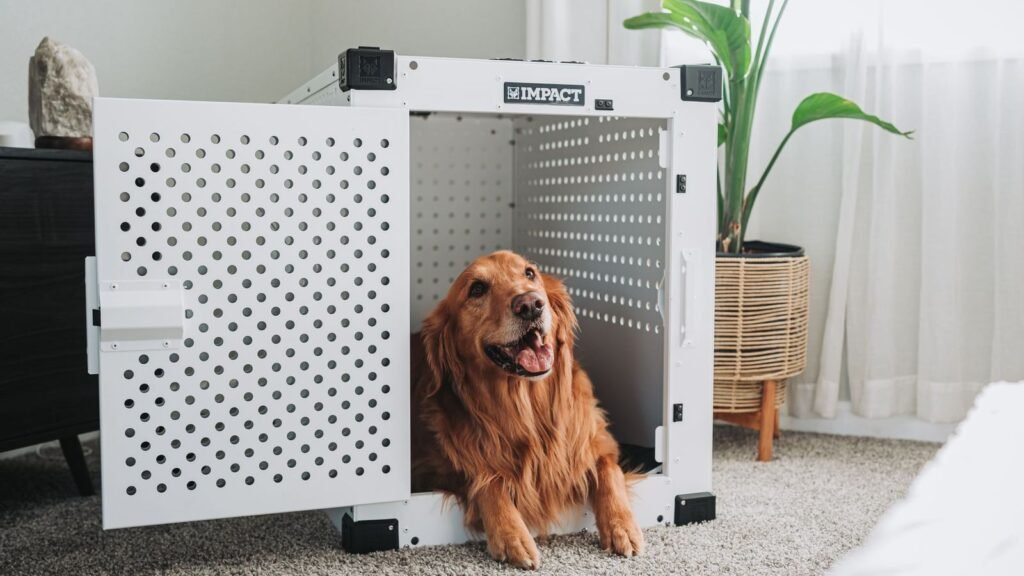
Bringing a new puppy into your home can be both joyful and overwhelming, especially when it comes to organizing their space. One common dilemma new puppy owners face is deciding between puppy crate accessories vs basic supplies. On one hand, basic supplies like a comfortable bed, water bowl, and a simple toy are often considered essentials. On the other hand, a range of crate accessories such as dividers, covers, and organizers promise to enhance your puppy’s comfort and your convenience. The challenge lies in choosing what truly adds value without creating unnecessary clutter.
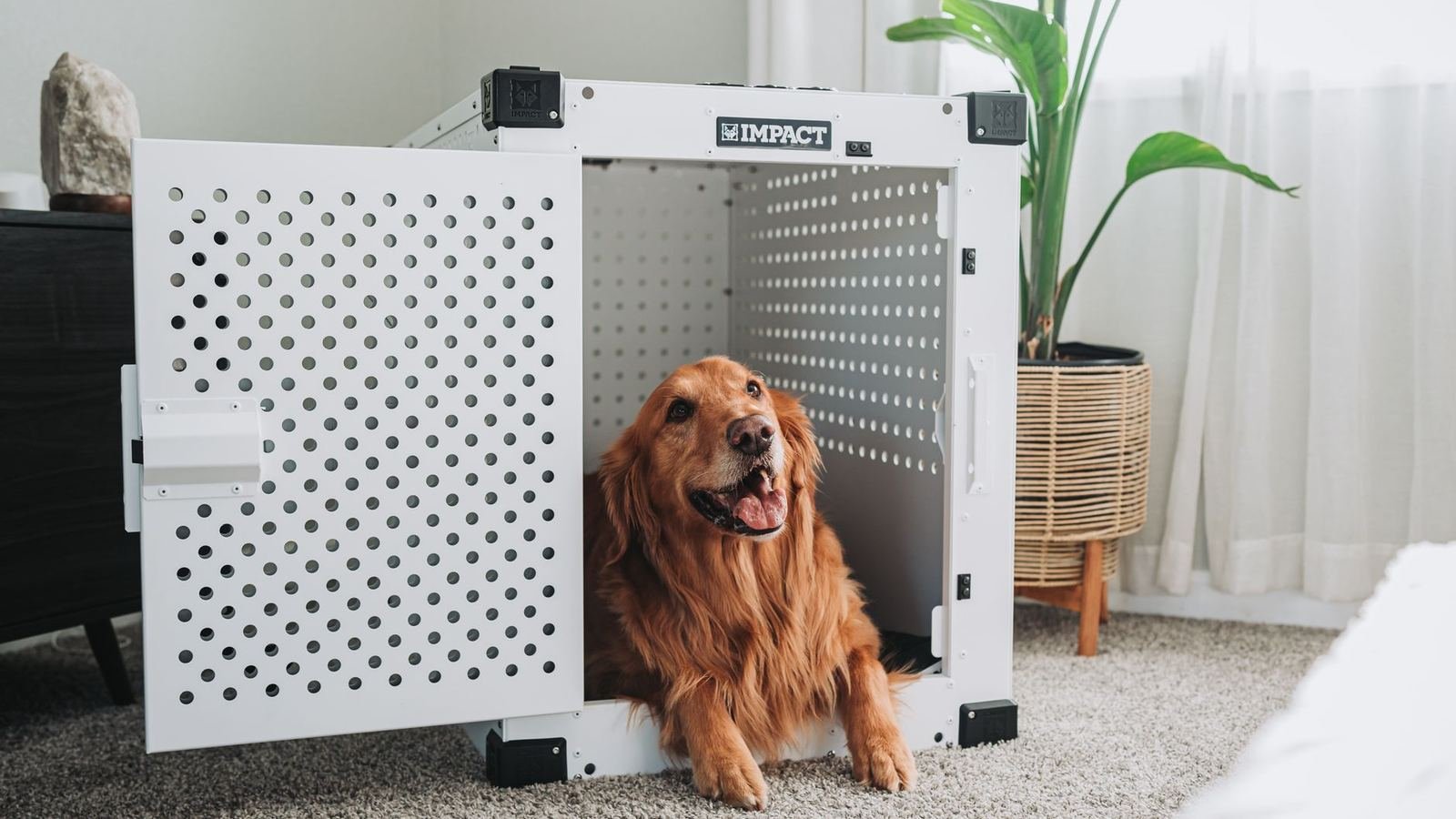
New puppy owners often find themselves asking whether they should invest in these additional accessories or stick with the basics. This uncertainty can lead to a cluttered and inefficient puppy care routine, as too many unnecessary items might crowd the crate space, making it less welcoming and harder to maintain. To help navigate this decision, consider what will make your puppy’s crate a cozy and functional sanctuary.
One immediate tip is to evaluate the size of your puppy’s crate and the available space in your home. This can significantly influence your choices. For example, if the crate is in a compact area, investing in an over-the-crate storage organizer could help keep essentials like leashes and toys within reach without taking up additional floor space. This simple addition can streamline your routine by ensuring everything you need is organized and accessible, reducing the time spent searching for scattered items.
By weighing the benefits of each accessory against your specific needs and space constraints, you can make informed decisions that enhance your puppy’s comfort and simplify your daily care routine. Always consider whether each item genuinely adds to your puppy’s well-being and your efficiency before bringing it home.
Benefits of Puppy Crate Accessories
When deciding between basic supplies and crate accessories for your puppy, consider the practical benefits that accessories can offer. Crate accessories, such as pads, covers, and organizers, can enhance both comfort and efficiency in managing your puppy’s space. A soft crate pad, for example, provides a cozy resting area, reducing stress and encouraging your puppy to settle in their crate more easily. This is particularly useful for crate training as it helps your puppy associate the crate with comfort and safety.
Crate covers are another accessory worth considering. They can create a den-like atmosphere, which many dogs find comforting. This can help with anxiety, especially in busy households or during travel. A cover can also help regulate light and temperature, making the crate a more inviting space. Meanwhile, crate organizers are great for keeping essential items like leashes, toys, and treats within reach, reducing clutter and making it easier to maintain organization.
- Soft crate pads: Offer comfort and enhance crate training by making the space inviting.
- Crate covers: Provide a sense of security and can help with light and temperature control.
- Crate organizers: Keep supplies neatly stored and easily accessible.
However, it’s important to avoid over-accessorizing, which can lead to clutter and inefficiency. Begin with the essentials and gradually introduce accessories based on your puppy’s specific needs and behavior. For instance, if your puppy seems anxious or struggles to settle, a crate cover might be the first accessory to try. On the other hand, if organization is your primary concern, a crate organizer could be a priority.
Regularly assess your puppy’s comfort and the functionality of their space. If an accessory isn’t serving its purpose or is contributing to clutter, it may be time to reconsider its use. By thoughtfully choosing accessories that align with your puppy’s needs and your lifestyle, you can create a well-organized and comfortable crate environment. For more detailed guidance on preparing your home for a new puppy, consider consulting resources from organizations like the AKC and ASPCA.
Organizing Your Crate Space Efficiently
Choosing between puppy crate accessories and basic supplies can feel overwhelming, especially for new puppy owners. Here’s a step-by-step guide to help you efficiently organize your crate space, which will streamline your puppy care routine and avoid unnecessary clutter.
- Step 1: Assess Your Puppy’s Needs
Start by evaluating what your puppy truly needs in their crate space. Consider factors like your puppy’s size, age, and temperament. For instance, a young puppy might benefit from a chew-resistant pad if they’re teething. Knowing your puppy’s specific requirements will help you focus on essentials and avoid unnecessary items.
Done: You have a clear understanding of your puppy’s basic and specific needs.
Pitfall: Avoid buying trendy accessories without considering if they meet your puppy’s needs.
- Step 2: Choose the Right Crate
Select a crate that suits your puppy’s current size but can also accommodate growth. A properly sized crate ensures your puppy feels secure and comfortable. If you’re unsure, use adjustable dividers that can expand as your puppy grows. This prevents having to buy multiple crates.
Done: You have a flexible crate that adapts to your puppy’s growth.
Pitfall: Avoid choosing a crate that is too large or too small as it can lead to discomfort or mess.
- Step 3: Select Essential Basic Supplies
Begin with fundamental items such as a durable crate pad, a water bowl, and a chew toy. These basics ensure your puppy is comfortable and has something to occupy them during crate time. Stick with high-quality, durable items to maximize longevity and safety.
Done: Your crate has all essential supplies that meet your puppy’s needs.
Pitfall: Don’t overcrowd the crate with too many toys or accessories which can overwhelm your puppy.
- Step 4: Evaluate Additional Accessories
Consider whether additional accessories, like crate covers or organizers, would enhance the space. Crate covers can help with reducing distractions and making the crate feel cozy. Organizers can keep your puppy’s items tidy and within easy reach. Assess these based on your puppy’s actual behavior and needs.
Done: You’ve identified accessories that provide tangible benefits without cluttering the space.
Pitfall: Avoid purchasing accessories that don’t address a specific need or problem.
- Step 5: Implement and Monitor
Set up your puppy’s crate with the selected supplies and accessories. Monitor your puppy’s behavior and comfort in the crate. Adjust as needed; for example, removing a toy they don’t play with or adding a cover if they seem distracted by outside activities.
Done: Your puppy is comfortable and happy with the crate setup.
Pitfall: Be wary of sticking to an initial setup if it’s clear your puppy is uncomfortable.
By following these steps, you can create an efficient and comfortable crate environment for your puppy. This approach balances functionality with minimalism, ensuring that your puppy’s space is both welcoming and practical.
Common mistakes to avoid
When deciding between puppy crate accessories and basic supplies, new puppy owners often encounter challenges that can lead to clutter and inefficiency. Here are some common mistakes to avoid, along with practical alternatives for each situation.
- Over-accessorizing: While accessories such as crate pads, covers, and organizers can enhance your puppy’s crate space, it’s easy to go overboard. Too many accessories can make the crate feel cramped and uncomfortable for your puppy. Instead, focus on selecting a few functional items that truly enhance your puppy’s experience, such as a comfortable pad and a crate cover for privacy.
- Ignoring basic needs: Some owners may invest heavily in accessories but overlook the importance of basic supplies. Essentials like a sturdy crate, water bowl, and chew toys should not be neglected as they provide the foundation for a comfortable and practical crate environment. Always ensure that basic needs are met before considering additional accessories.
- Choosing style over substance: It’s tempting to pick accessories based on how they look, but this can lead to impractical choices. For example, a stylish crate cover might be visually appealing but may not provide adequate insulation in cooler climates. Prioritize functionality and durability over aesthetics to ensure your puppy’s well-being and comfort.
- Failing to evaluate your puppy’s specific needs: Every puppy is unique, and their needs can vary widely. Some may benefit from a crate fan for extra ventilation, while others might need additional chew-proof accessories. Observe your puppy’s behavior and adjust the crate setup accordingly. Tailoring the crate environment to your puppy’s specific needs will help create a more comfortable space.
- Neglecting regular maintenance: Once the crate is set up, it’s important to maintain it regularly. Accumulated hair, dirt, and food particles can make the crate unhygienic and uncomfortable. Regular cleaning and organization will keep the crate space inviting and healthy for your puppy.
By avoiding these common pitfalls, you can create an organized and comfortable crate environment for your puppy. Focus on balancing essential supplies with carefully chosen accessories to enhance your puppy’s experience without causing clutter or inefficiency.
Conclusion
This week, focus on observing your puppy’s daily routine and identifying which items are truly necessary for their comfort and well-being. Start by listing the basic supplies you already have, such as a crate, bedding, and food bowls. Then, consider any additional crate accessories that might enhance your puppy’s environment, like a cozy crate cover or a divider for adjusting space as your puppy grows.
New puppy owners often face the challenge of deciding between investing in additional crate accessories and sticking with basic supplies. This uncertainty can lead to clutter and inefficiency in managing your puppy’s care routine. By carefully evaluating your puppy’s needs and experimenting with a mix of essentials and a few choice accessories, you can create a balanced, organized space that works for both you and your pet.
As a specific next step, try implementing one new accessory this week, such as a crate pad or a chew-resistant toy, and observe how it affects your puppy’s comfort and behavior. This will help you determine whether investing in additional accessories is beneficial or if your current setup is sufficient. Remember, the goal is to create a harmonious space that simplifies your daily routine and enhances your puppy’s comfort.
FAQ
What should I know about benefits of puppy crate accessories?
When deciding between basic supplies and crate accessories for your puppy, consider the practical benefits that accessories can offer. Crate accessories, such as pads, covers, and organizers, can enhance both comfort and efficiency in managing your puppy's space.
What should I know about organizing your crate space efficiently?
Choosing between puppy crate accessories and basic supplies can feel overwhelming, especially for new puppy owners. Here's a step-by-step guide to help you efficiently organize your crate space, which will streamline your puppy care routine and avoid unnecessary clutter.
What should I know about common mistakes to avoid?
When deciding between puppy crate accessories and basic supplies, new puppy owners often encounter challenges that can lead to clutter and inefficiency. Here are some common mistakes to avoid, along with practical alternatives for each situation.