
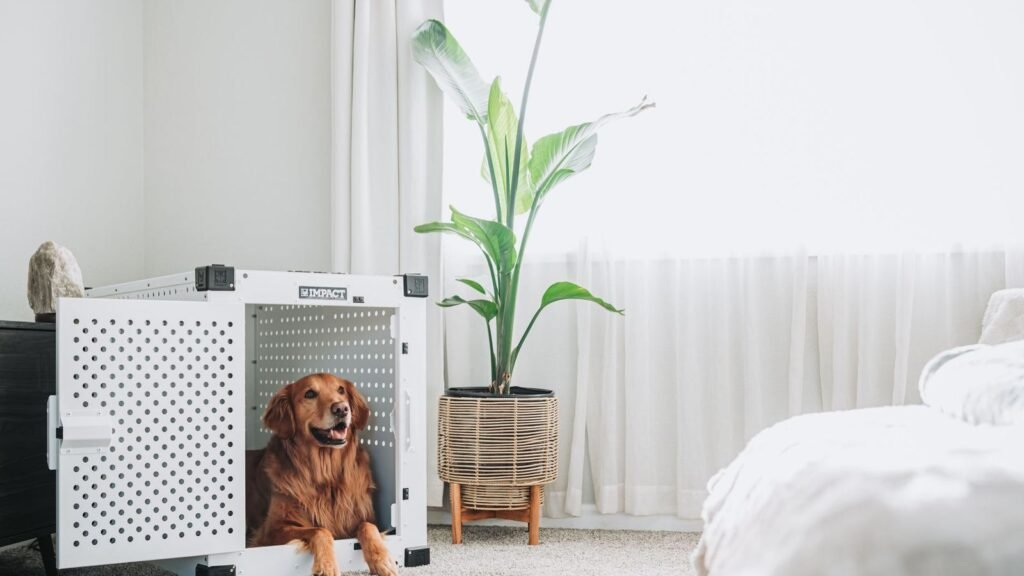
When you are setting up a crate corner, the puppy crate storage drawer vs basket choice can feel small until the evening routine starts: the food scoop is missing, training treats are within chewing reach, a spare blanket is on the floor, and the cleanup supplies have migrated behind the crate. Both options can keep essentials nearby, but they work differently. A drawer hides and contains small, messy, or tempting items; a basket makes frequently used supplies easy to see and grab. The better choice depends on what you need during the day, where the crate sits, and whether your puppy can reach the storage.
What to Look For in puppy crate storage drawer vs basket
Use decision criteria tied to puppy crate storage drawer vs basket: space, upkeep, how it fits your routine, and everyday usability.
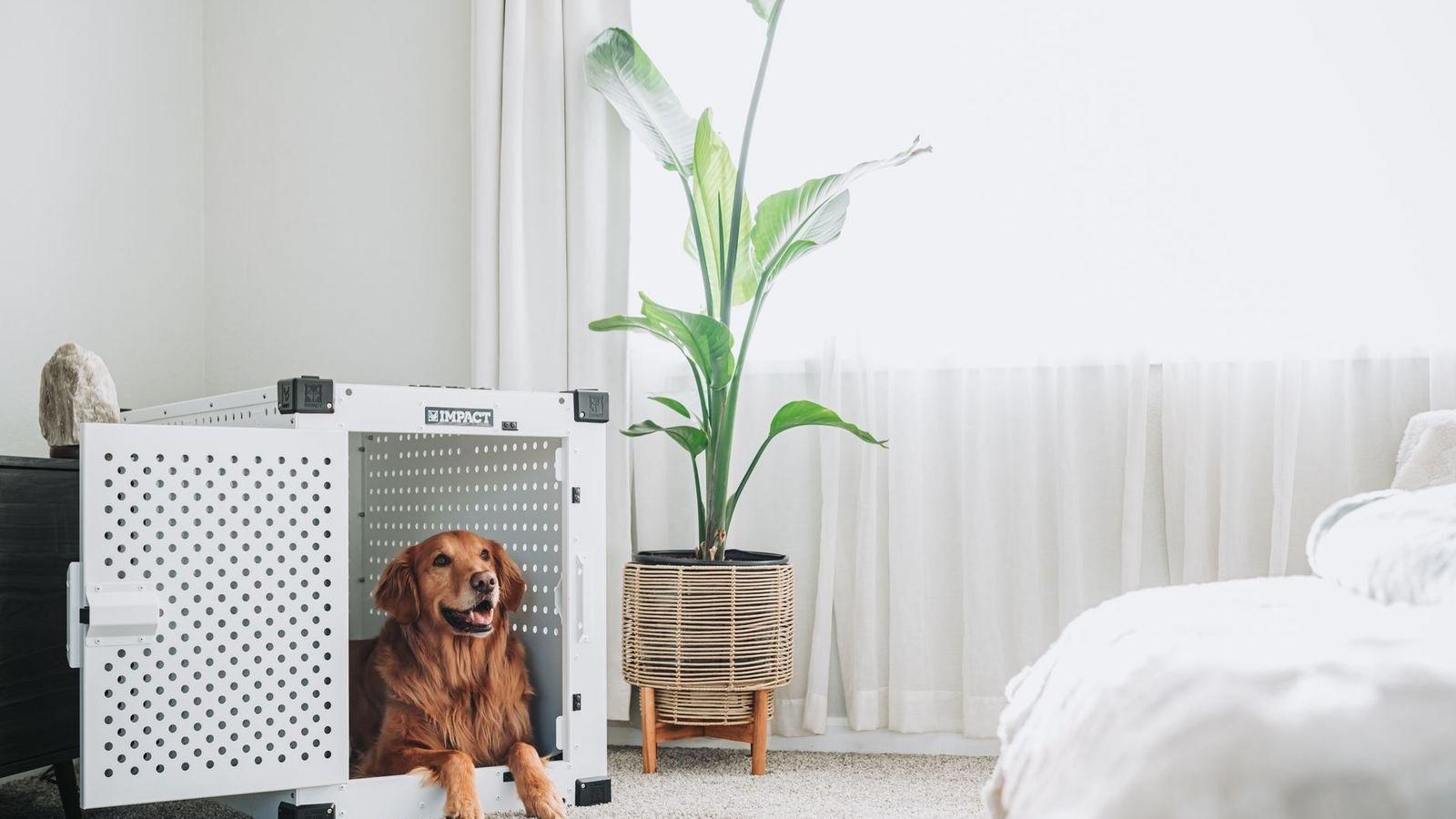
The basic problem is keeping food-measure tools, training treats, spare bedding, toys, and cleanup supplies close enough to use without turning the crate area into a pile. Storage also needs to stay out of the crate doorway, leave room for the door to open fully, and avoid narrowing the puppy’s path in or out. A basket placed beside the door may be convenient for a blanket, but it becomes a nuisance if you must move it every time you open the crate. A low drawer unit may look neater, yet it is only useful if its drawers can open without hitting the crate, wall, or nearby furniture.
For a quick setup check, sit on the floor beside the crate and reach for the items you use most: the scoop at meals, treats during short training moments, and a towel or cleanup cloth after a spill. Put only those daily items within arm’s reach. Store treats in a closed container inside a drawer or on a shelf the puppy cannot access, and keep cleaning products completely separate from the crate-side supply area. Open baskets are best reserved for washable bedding or larger toys that are appropriate for your puppy and do not create a tempting, cluttered pile.
A practical small-home arrangement might use one shallow drawer beside the crate for a measuring scoop, sealed treat container, and folded cleanup cloths, with one stable basket farther from the crate door for a spare blanket and a few rotated toys. If the basket tips when your puppy brushes past it, or if the drawer handle becomes something to chew, change the placement rather than forcing the storage to fit. The goal is a calm crate corner that supports the routine without giving your puppy extra things to pull, chew, or scatter.
Drawer vs Basket: The Practical Differences
For a puppy crate storage drawer vs basket decision, start with the supplies that must stay contained. Choose a drawer when you need to keep training treats, a food-measure scoop, cleanup supplies, or small loose items out of sight and harder for a curious puppy to reach. Choose a basket when the contents are soft, bulky, and needed quickly, such as a spare blanket, a clean towel, or a few larger toys.
Do this first: stand beside the crate during the routine you repeat most often, bedtime, morning feeding, or post-potty cleanup. If you need to open storage one-handed while keeping the other hand free for the puppy, a stable open basket can be convenient for bedding. If the crate corner collects small items that disappear under blankets or spill when bumped, use a drawer with simple internal sections instead.
| Practical factor | Drawer | Basket |
|---|---|---|
| Access speed | Fast once items have assigned sections, but requires opening. | Fastest for visible, larger items. |
| Visibility | Lower; labels or dividers help prevent rummaging. | High; useful for towels and blankets you can identify at a glance. |
| Dust control | Better for small supplies kept inside. | More exposed, especially on open shelving or the floor. |
| Spill containment | Better for a closed treat container, scoop, and cleanup tools. | Less suitable for loose small items or anything that can leak. |
| Cleaning | Wipe crumbs or residue from a smooth drawer interior. | Shake out fabric items or wipe a hard-sided basket; folds and weaving can hold debris. |
| Footprint | works best when it aligns with your available space and routine under a side table or in a low cabinet beside the crate. | Can use vertical shelf space, but a floor basket may spread outward. |
| Puppy access risk | Lower only when the drawer stays shut and the unit cannot tip. | Higher when it sits within reach and contains chewable or food-related items. |
A simple crate-corner example: place spare bedding in one open basket on a shelf or surface the puppy cannot reach. Put the measuring scoop, sealed treats, waste bags, and cleanup cloths in a nearby drawer. Keep a single toy in the crate area rather than storing a loose toy pile beside it. Avoid leaving treats, cleaning products, cords, or small chewable objects in an open basket at puppy level. The ASPCA notes that puppies may chew objects within reach, so accessible storage should not become an easy source of tempting items.
Adjust the setup when the puppy grows, begins reaching higher, or repeatedly noses and pulls at the storage. Move the basket upward, switch exposed small supplies into a drawer, or reduce what stays beside the crate. Whichever format you use, leave a clear path for the crate door to swing, avoid covering crate ventilation, and keep enough open floor space for the puppy to enter, exit, and for you to clean around the crate.
Worked Setup: One Crate Corner for a Small Home
For a puppy crate storage drawer vs basket decision in a small home, use both only when each has a separate job. The drawer handles small, spill-prone, or puppy-restricted supplies; the basket holds soft, larger items that you need to grab quickly. This avoids turning the crate corner into a pile of open containers.
Picture a crate placed against a living-room wall, with its door opening toward the room. Leave the doorway, side ventilation panels, and the area immediately in front of the crate clear. Place a low, stable two-drawer unit against the wall beside the crate rather than in front of it. A single handled basket can sit on top only if the puppy cannot reach it; otherwise, place it on a higher shelf or in a nearby closed cabinet.
| Decision point | Drawer | Basket |
|---|---|---|
| Access speed | One extra step to open, but contents stay grouped. | Fastest for a quick grab during play, naps, or bedtime. |
| Visibility | Lower; add a simple label to the drawer front. | High; useful for blankets and a small toy rotation. |
| Dust control | Better for treats, scoop tools, and clean cloths. | Better for washable soft items than food-related supplies. |
| Spill containment | Contains a dropped treat pouch or loose waste-bag roll more easily. | Open sides can let small items migrate or fall out. |
| Cleaning | Remove and wipe a shallow drawer liner. | Choose a washable fabric basket or a wipe-clean plastic bin. |
| Footprint and puppy access risk | Works well when the unit is stable and cannot be pulled open easily. | Works well when elevated or heavy enough not to tip or become a chew target. |
- Top drawer:
Top drawer, shop optionsSee on Amazon
Use a shallow drawer, roughly 12 to 16 inches wide, for the food scoop, measuring cup, sealed training-treat pouch, and a roll of waste bags. Keep treats in their original closed package or a lidded container, not loose in the drawer. A small non-slip drawer liner stops the scoop and pouch from sliding when the drawer opens.
- Bottom drawer:
Bottom drawer, shop optionsSee on Amazon
Reserve a deeper drawer for cleanup supplies that are appropriate to store there, such as puppy-safe wipes in a closed pack, disposable towels, and a washable cloth. Keep household cleaners, medications, and anything with cords elsewhere and out of puppy access. This drawer also gives damp or used items a clear temporary place until they can be washed.
- High blanket basket:
High blanket basket, shop optionsSee on Amazon
Choose a rectangular handled basket sized to hold two folded spare crate blankets without overflowing. Put only clean bedding and one or two soft toys inside. An open basket makes the bedtime swap fast, but it should not sit where a puppy can pull out fabric, chew the handles, or tip it onto the crate entrance.
- Clear floor lane:
Clear floor lane, shop optionsSee on Amazon
Measure the crate door’s full swing and keep at least a hand-width of open floor beside that path for cleaning and reaching the latch. Do not wedge a basket between the crate and wall if it covers ventilation or makes it harder to remove the crate tray. If the corner is too narrow for both pieces, choose the drawer unit and store spare bedding in a closet instead.
This layout keeps the daily routine close to the crate without making every item visible or reachable. The AKC’s new-puppy preparation guidance emphasizes planning for supplies before the puppy arrives, while ASPCA guidance on destructive chewing supports keeping tempting, chewable household items managed rather than left within easy reach. For crate setup and routine context, see AKC’s puppy preparation guide, ASPCA’s chewing guidance, and PetMD’s crate-training overview.
A Simple Final Choice Checklist
For the puppy crate storage drawer vs basket decision, try a short routine this week before committing to a larger setup. Place only the items you use around the crate every day in the chosen storage spot: the food-measure tool, sealed training treats, one spare bedding set, a few currently used toys, and a small cleanup kit. At each meal, rest break, bedtime, and cleanup, notice what slows you down or ends up left on the floor.
A drawer is usually the better match when small supplies need to stay sorted, contained, and out of a puppy’s reach. It can keep a scoop, treats, and cleanup items from becoming a tempting or messy pile. A basket works best when the contents are larger, soft, and safe to grab quickly, such as folded bedding or a short rotation of sturdy toys. The useful choice is not the one that holds the most; it is the one that lets you complete the routine without opening several containers, shifting the crate, or leaving supplies where your puppy can mouth them.
- Choose a drawer: if treat containers, measuring tools, or cleanup supplies are drifting around the crate area, or if your puppy can reach an open container.
- Choose a basket: if you mainly need a quick place for a clean blanket and a few large, washable toys that can be safely left accessible.
- Check the footprint: open the crate door fully and walk past it while carrying a bowl or laundry. Move the storage if it crowds the entrance or makes crate cleaning awkward.
- Check stability: gently consider whether a curious puppy could pull, tip, chew, or drag the container. Store chewable, spill-prone, or restricted items elsewhere if the answer is yes.
For example, a small apartment crate corner may need a compact drawer for the scoop, treats, and wipes, while a washable basket sits beside it only for one folded blanket. That division keeps routine supplies close without turning the crate area into an open supply pile.
Take five minutes tonight: stand at the crate, open its door, and choose the single container that keeps your most-used items reachable without entering your puppy’s path.
What you’ll actually use
These are the pieces this setup actually uses. If one does not earn a place in your home, leave it off the list.
- Chew Toys: Keep this where puppy crate storage drawer vs basket actually happens, and skip it if you already have a version that works.
- Food Mat: Keep this where puppy crate storage drawer vs basket actually happens, and skip it if you already have a version that works.
- Waste Bags: Keep this where puppy crate storage drawer vs basket actually happens, and skip it if you already have a version that works.
- Toys And Chews: Keep this where puppy crate storage drawer vs basket actually happens, and skip it if you already have a version that works.
- First Aid Kit: Keep this where puppy crate storage drawer vs basket actually happens, and skip it if you already have a version that works.
FAQ
What to Look For in puppy crate storage drawer vs basket?
Use decision criteria tied to puppy crate storage drawer vs basket: space, upkeep, how it fits your routine, and everyday usability. Photo by Impact Dog Crates on Pexels The basic problem is keeping food-measure tools, training treats , spare bedding, toys, and cleanup supplies close enough to use without turning the crate area into a pile.
What should I know about drawer vs basket: the practical differences?
For a puppy crate storage drawer vs basket decision, start with the supplies that must stay contained. Choose a drawer when you need to keep training treats, a food-measure scoop, cleanup supplies, or small loose items out of sight and harder for a curious puppy to reach.
What should I know about worked setup: one crate corner for a small home?
For a puppy crate storage drawer vs basket decision in a small home, use both only when each has a separate job. The drawer handles small, spill-prone, or puppy-restricted supplies; the basket holds soft, larger items that you need to grab quickly.