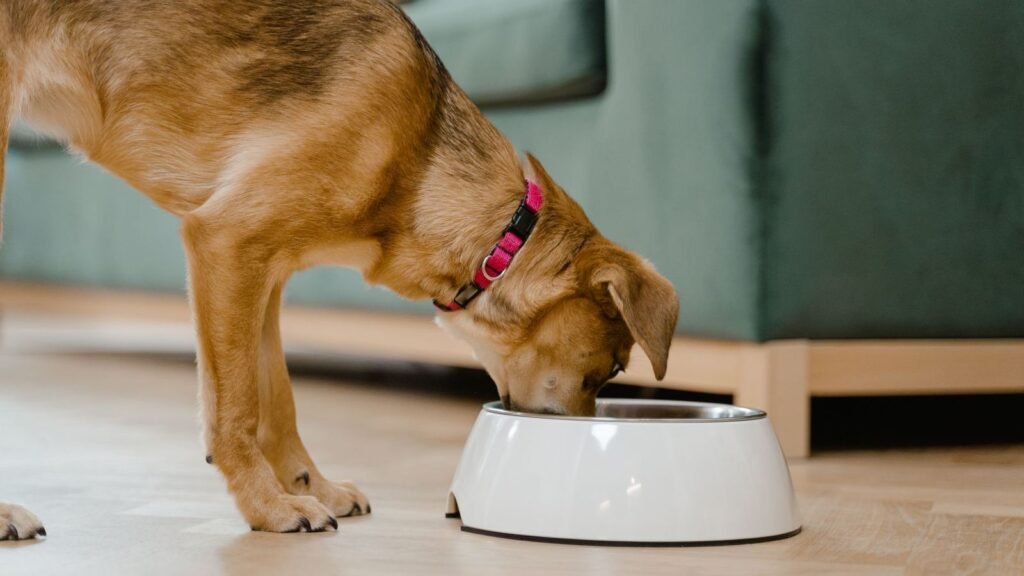
Imagine you’re setting up your home for the newest member of your family—a lively puppy with a big appetite. As you navigate the maze of puppy gear options, you stumble upon the debate of “puppy feeding station vs mat.” This decision is more important than it might seem at first glance, as the right choice can streamline your daily routine and keep your puppy’s feeding area tidy and organized.
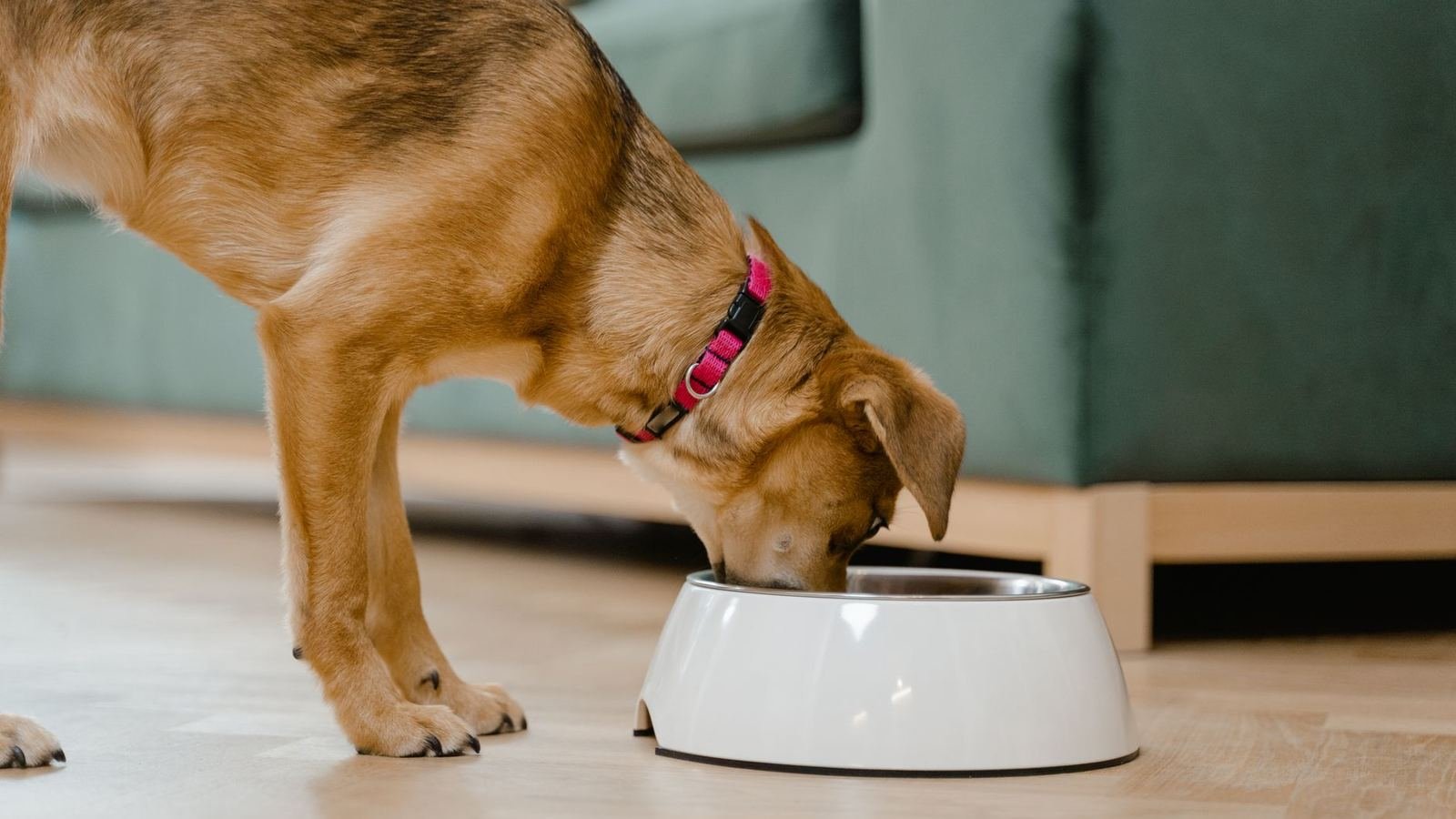
The primary issue at hand is simple yet crucial: new puppy owners need to decide whether a feeding station or a feeding mat better suits their needs for organizing their puppy’s feeding area. A feeding station typically includes elevated bowls and possibly storage space underneath, offering a neat all-in-one solution that can reduce spills and mess. In contrast, a feeding mat is a simpler option, designed to catch food and water spills, keeping your floors clean and minimizing the cleanup effort.
As you weigh these options, consider the space you have available and your puppy’s size and eating habits. One immediate tip: if your puppy is a playful eater or tends to push their bowls around, a feeding station might provide more stability and keep everything in place. On the other hand, if you’re short on space or prefer a more flexible setup, a feeding mat could be ideal. Look for mats with a non-slip base to prevent sliding, ensuring your puppy has a safe and secure dining area.
Decision Framework
When deciding between a puppy feeding station and a feeding mat, consider your puppy’s habits and your home’s layout. A feeding station, which often includes raised bowls and storage for food, is ideal if you want to keep everything tidy and in one place. It’s especially useful for puppies that may knock over bowls or if you have a designated feeding area. Begin by assessing your space and your puppy’s eating behavior.
On the other hand, a feeding mat is a simple, flexible option that works well in smaller spaces or if your puppy tends to make a mess while eating. Mats help contain spills and are easy to clean, making them a practical choice for those who prioritize convenience. Place the mat in an area with easy access to a water source for quick clean-ups.
Start by observing your puppy’s eating habits. If they are a messy eater, a mat might be the best initial choice to minimize cleanup. Avoid placing the feeding area in high-traffic zones to reduce the risk of spills. As your puppy grows, you might need to adjust from a mat to a feeding station if you find that the additional organization and stability are needed.
Ultimately, your decision should prioritize ease of cleaning and space efficiency. Be ready to switch between a feeding mat and a station as your puppy grows and their needs change. Regularly assess the feeding setup to ensure it continues to meet both your needs and those of your puppy.
Mistakes to Avoid
Organizing your puppy’s feeding area can seem straightforward, but making the right choice between a feeding station and a feeding mat can significantly impact cleanliness and convenience. Here’s a step-by-step guide to help you determine the best option for your puppy’s needs while avoiding common mistakes.
- Assess Your Space: Look at the area where you plan to set up your puppy’s feeding spot. Consider the size and layout of your home. A compact apartment might benefit from a space-saving feeding mat, while a larger home could accommodate a more elaborate feeding station. Done looks like: You have a clear understanding of how much space you can dedicate. Pitfall: Ignoring spatial constraints can lead to clutter and inconvenience.
- Evaluate Your Puppy’s Eating Habits: Observe your puppy’s behavior during meals. If they are a messy eater, a feeding station with raised edges can help contain spills. For tidy eaters, a simple mat might suffice. Done looks like: You’ve noted your puppy’s eating style and have chosen a setup that minimizes clean-up. Pitfall: Overlooking your puppy’s habits could lead to constant messes and extra cleaning.
- Consider Ease of Cleaning: Decide how much time you want to spend on maintenance. Feeding mats are typically easier to wipe down, while feeding stations might require more effort. Done looks like: You have selected an option that fits your cleaning routine. Pitfall: Choosing a complex setup can lead to frustration if you prefer quick and easy maintenance.
- Think About Storage Needs: If you have limited storage, a feeding station with built-in compartments for food can help keep everything organized. Done looks like: You’ve ensured your choice helps manage your puppy gear efficiently. Pitfall: Not considering storage can result in disorganized spaces.
- Test Stability: Ensure the setup is stable and safe for your puppy. Feeding stations should not tip over easily, and mats should have non-slip backing. Done looks like: Your setup remains steady during feeding times. Pitfall: A wobbly or slippery setup can cause spills and accidents.
- Monitor and Adjust: Once you’ve set up your feeding area, observe how well it works for a week. Adjust as necessary based on your puppy’s interaction with it. Done looks like: You have a feeding area that functions smoothly and is comfortable for your puppy. Pitfall: Failing to make adjustments can lead to persistent problems.
- Plan for Growth: Puppies grow quickly, so ensure your choice can accommodate their size changes. Done looks like: Your feeding setup is adaptable to your puppy’s growth over the next few months. Pitfall: Choosing a setup that quickly becomes too small can necessitate a premature replacement.
By carefully considering these steps, you can create an efficient and tidy feeding area that suits both your home and your puppy’s needs.
Common mistakes to avoid
When setting up a feeding area for your puppy, it’s common to run into a few pitfalls, especially when choosing between a feeding station and a mat. Here are some mistakes new puppy owners often make, along with practical advice to help you avoid them.
- Misjudging space requirements: One common mistake is underestimating how much space a feeding station or mat will require. This can lead to overcrowding, making it difficult for your puppy to eat comfortably. If you have limited space, a feeding mat might be a more flexible option as it can be easily moved or stored. On the other hand, if you choose a feeding station, ensure there is ample room for your puppy to access the bowls without feeling cramped.
- Ignoring puppy’s eating habits: Some owners choose a feeding station with raised bowls without considering their puppy’s size and eating style. Raised bowls can be beneficial for larger breeds, but they might not be suitable for smaller puppies or those who tend to make a mess while eating. Observe your puppy’s eating habits and choose the option that minimizes spills and encourages comfortable feeding.
- Overlooking cleaning and maintenance: A frequently overlooked aspect is the ease of cleaning. Feeding stations can accumulate dirt and food particles in crevices, requiring regular cleaning to prevent odors and bacteria. Feeding mats, often being simpler in design, are easier to wipe clean. Choose the option that fits your cleaning routine; if you prefer low maintenance, a mat may be the better choice.
- Not considering long-term needs: Puppies grow quickly, and what works for a small puppy may not be suitable as they mature. Investing in a feeding station that accommodates adjustable bowl heights can save you from making another purchase in a few months. If you choose a mat, make sure it’s durable and large enough to handle any future spills as your puppy grows.
- Skipping stability checks: An unstable feeding setup can be frustrating for your puppy and lead to spills. Ensure that both feeding stations and mats are stable and non-slip to prevent them from moving around during mealtime. Mats with anti-slip backing or feeding stations with rubber feet can provide the necessary stability for a safer, mess-free feeding experience.
By avoiding these common mistakes, you can create a feeding area that is both functional and comfortable for your puppy, whether you choose a feeding station or a mat.
Conclusion
As you embark on the journey of organizing your puppy’s feeding area, consider starting with a simple routine this week. Begin by observing your puppy’s eating habits—do they create a mess or prefer a more elevated eating position? This can guide you in choosing between a feeding station and a mat. Try placing a feeding mat in a low-traffic area of your home to see if it helps contain spills and crumbs. Alternatively, if you find that your puppy benefits from elevated bowls, a feeding station might be the better option.
Choosing the right setup can significantly improve the cleanliness and efficiency of your home, especially in smaller spaces. Many new puppy owners grapple with the decision between a feeding station and a mat, often overlooking the importance of matching the choice to their puppy’s needs and their home’s layout. Whether it’s the convenience of a mat that can be easily cleaned or the organized appeal of a feeding station, making an informed decision will enhance your puppy’s mealtime experience and reduce your cleanup stress.
To move forward, consider a trial period with one option, and monitor how it fits into your daily routine. If you’re leaning towards a feeding mat, ensure it’s non-slip and easy to wash. Should a feeding station be your choice, check that it offers ample storage and stability. After a week, reassess your puppy’s feeding area—notice any changes in their behavior or any improvements in your cleanup routine. This step-by-step approach will help you make a confident and informed decision that suits both you and your puppy.