
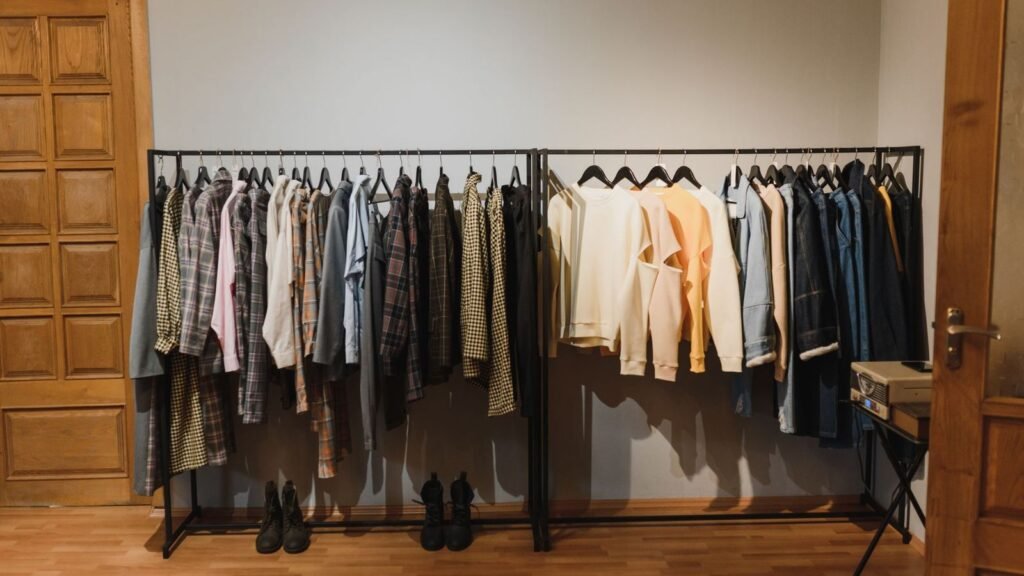
At the door with a puppy pulling toward the next walk, the difference between a smooth exit and a frustrating search can be one missing leash or roll of waste bags. The puppy gear wall rack vs floor organizer choice comes down to where you have space, what your puppy can reach, and whether the station needs to move. Both can create one dependable home for walk and cleanup supplies, but they solve clutter in different ways.
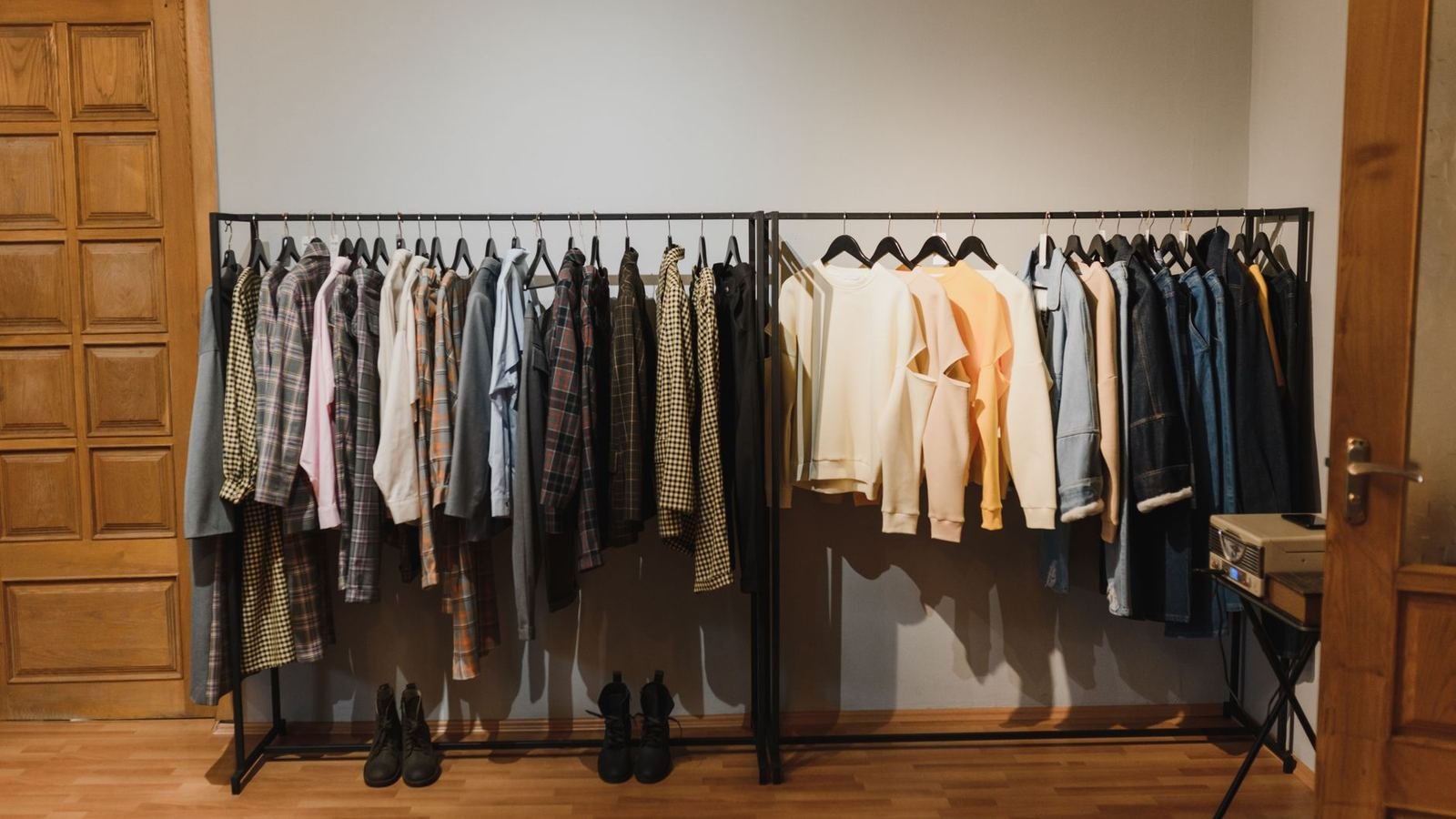
A wall rack uses vertical space, which is especially helpful in a narrow entry where shoes, bags, and people already compete for the floor. It can keep a harness, leash, towel, and bag dispenser visible at adult height. A floor organizer is easier to relocate and can hold bulkier items in baskets or drawers, making it a practical option for renters or for a walk station that shifts between the kitchen, mudroom, and patio door.
The important question is not which option holds more. It is whether the supplies you use twice a day can be reached quickly without leaving tempting items within puppy range. Dangling leashes, loose treat bags, small accessories, and cleaning products should not be left in an open lower basket where a curious puppy can grab them. Keep those items higher up or behind a closed front, and reserve easy-access storage for sturdy, low-risk essentials such as a washable towel or an empty paw-wiping cloth.
Try a quick placement check before buying or mounting anything: stand at your usual exit door, hold the leash as if you are leaving, and look for a clear spot within two steps. Measure the available wall width and floor depth, then open the door fully. If a floor organizer would narrow the path, create a tripping point, or block the door swing, vertical storage is likely the better fit. If you cannot make holes, expect to rearrange often, or need space for taller refill containers, a stable floor unit may be more useful.
For example, a renter with a small apartment might place a narrow, weighted floor organizer beside the door and use its closed lower section for refills and cleanup supplies. In a similarly small but tight entryway, a properly installed wall rack may free the walkway, with only a small lidded container below for towels. Install any wall-mounted rack according to its mounting and wall-anchor instructions, and keep its hooks high enough that your puppy cannot pull down hanging gear.
Choose a Wall Rack When Floor Space Is Tight
For the puppy gear wall rack vs floor organizer decision, choose a wall rack when a floor unit would narrow an already-busy entry, block a closet door, or become something your puppy can tip, chew, or drag around. A rack creates a fixed “grab-and-go” zone above the floor: leash, harness, waste-bag holder, and a small drying towel can stay together without claiming the path to the door.
Start by standing where you normally clip on the leash. Mark a spot within one or two steps of that routine, but high enough that dangling straps and accessories are not an easy puppy target. Install the rack only as its instructions specify, including the correct wall anchors for your wall type. Then give each hook one job rather than piling several items onto every hook.
- Daily walk hook: Keep one leash and the harness you use most often here. If the harness is still being chewed, store it in a closed upper cabinet between walks instead.
- Cleanup pouch: Hang a refillable waste-bag pouch or place it in a small lidded container mounted or stored beside the rack. Keep spare rolls higher up, away from curious mouths.
- Wet-gear spot: Reserve one hook for a washable towel or rain layer. Move damp items to dry after the walk rather than leaving them against the wall or mixed with clean supplies.
- Closed high storage: Put treats, cleaning products, small accessories, and refill packs in a secured cabinet or high bin. Hooks are for routine gear, not every puppy supply.
A wall rack is usually the clearer choice in a narrow apartment hallway. For example, if a 30-inch-wide entry becomes cramped when a basket sits beside the shoe mat, a compact rack above the mat keeps the walking route open while making the leash visible. The tradeoff is permanence: renters who cannot make wall holes, or households that regularly move their puppy station, may find a movable floor organizer easier to live with.
Avoid hanging long leashes low enough to form a tempting loop, and do not use the rack as open storage for chews, treats, or cleaners. The ASPCA notes that chewing can be destructive, so reducing access to tempting household items is a sensible part of setting up the area. Adjust the setup if your puppy begins reaching the lowest hook, if wet items accumulate, or if the rack turns into a catchall. Move lower hooks upward, limit the station to true walk essentials, and shift backup supplies out of sight.
What Each Option Holds Best for Daily Puppy Routines
For the puppy gear wall rack vs floor organizer decision, the most useful question is not which one holds more. It is which setup keeps the items you reach for during a rushed walk or cleanup easy to find without leaving tempting, chewable supplies at puppy level. A wall rack works best for a small set of grab-and-go items. A floor organizer gives you more room to separate wet gear, refills, and cleanup supplies.
| Daily need | Wall rack fit | Floor organizer fit |
|---|---|---|
| Leash, harness, and waste-bag holder | Excellent when hooks are high enough that the puppy cannot grab dangling straps. | Useful if stored in a closed top drawer or lidded compartment. |
| Wet towel and muddy paw cloth | Good for temporary air-drying on a separate lower bar that is supervised and out of the puppy’s reach. | Better for holding a washable bin or tray until the cloth can be laundered. |
| Waste-bag refills and wipes | Best in a mounted basket with a front lip, placed above puppy reach. | Best in a labeled drawer or covered bin so loose rolls do not scatter. |
| Cleaner, treats, and small accessories | Use closed, higher storage rather than open hooks or baskets. | Use a latched or upper compartment; do not leave these items in an open bottom shelf. |
- Walk-ready hooks:
Walk-ready hooks, shop optionsSee on Amazon
Choose a narrow wall-mounted hook rail with individual, rounded hooks for one leash, one harness, and a light rain jacket. Give each item its own hook rather than stacking several straps together. This prevents the daily leash from getting trapped behind a spare harness. Mount it according to the rack and wall-anchor instructions, and position it high enough that a curious puppy cannot tug on hanging gear.
- Closed refill basket:
Closed refill basket, shop optionsSee on Amazon
Add a small wall-mounted metal basket or plastic bin with a solid front panel for waste-bag rolls, a spare collar, and a compact flashlight. Open wire baskets can work for adult-height access, but loose rolls and small accessories are easier for a puppy to pull out. Keep treats elsewhere in a closed cupboard or high-latched container rather than on the walk station.
- Two-tier floor cart:
Two-tier floor cart, shop optionsSee on Amazon
Choose a slim, two- or three-tier rolling cart with raised edges if your routine includes towels, a paw-cleaning cup, wipes, and a small covered cleanup caddy. Put items used after walks on the top tier, but only if the puppy cannot reach them; otherwise, use the top for an empty drying tray and reserve closed containers for supplies. A cart is especially practical for renters who need to move the station without making wall holes.
- Stable drawer tower:
Stable drawer tower, shop optionsSee on Amazon
Select a low, narrow organizer with drawers or cabinet doors, not an open cube shelf, when you need to contain refills and cleanup items in one place. Assign one drawer to bag refills, one to clean towels, and one to backup harnesses or seasonal gear. If the unit could tip when a puppy leans or climbs against it, secure it as directed by its manufacturer and keep the heaviest items low.
A simple apartment example shows the tradeoff. In a narrow entry where the front door swings close to the wall, a hook rail plus a small high basket keeps the walking routine clear of the floor. The owner can grab the leash and bag holder without stepping around a bin. In a rental with a wider landing but uncertain permission to mount hardware, a slim drawer cart beside the door may be the better choice. It can hold a lidded cleaning caddy on a lower level, while the leash stays in a closed upper drawer between walks.
Whichever option you choose, avoid treating it as a place for everything. The ASPCA’s guidance on destructive chewing supports the practical habit of keeping tempting household items out of reach and offering appropriate alternatives. For this station, that means limiting open storage to durable walking gear and keeping cleaners, treats, medications, and small loose accessories closed and inaccessible. A dependable station is one your puppy cannot empty while you are trying to get out the door.
A Simple Hybrid Setup for Growing Puppy Supplies
For the puppy gear wall rack vs floor organizer decision, try a simple split setup this week: keep only the items used on nearly every outing at the door, then give growing supplies a separate home away from the puppy’s reach.
A wall rack is usually the better daily station when your entry is narrow and you need the floor clear. A floor organizer is often easier for a renter or anyone who needs to move the station between the entry, laundry area, or car-loading spot. The dependable choice is the one that lets you grab what you need without leaving tempting, chewable items within reach.
- Set the daily zone: Choose one spot by the exit and place the leash, harness, waste bags, and a towel there. If using a wall rack, install it according to the rack and wall-anchor instructions. Keep dangling straps high enough that your puppy cannot tug or chew them.
- Contain the messy zone: Put a washable tray or mat below wet shoes, towels, or muddy gear. If a floor organizer is used, choose one with a steady base and position it where it will not block a door or walking path.
- Move refills out of prime space: Store extra waste-bag rolls, backup towels, unopened grooming supplies, and seasonal items in a closed cabinet, closet, or higher shelf. Treats, cleaners, and small accessories should not be left in open bins where a curious puppy can reach them.
For example, a renter with a slightly wider entry may use a movable floor unit for a towel and one walk kit, then keep refills in a hall closet. In a narrow apartment entry, a securely installed wall rack paired with a small closed container on a nearby shelf preserves walking room and reduces the chance of a puppy pulling gear down.
The goal is not to fit every puppy item at the door. It is to create one calm, repeatable launch point for walks and cleanup while the rest stays contained elsewhere. Tonight, gather the four items you use most before a walk and assign them one permanent spot by the exit.
What you’ll actually use
These are the pieces this setup actually uses. If one does not earn a place in your home, leave it off the list.
- Chew Toys: Keep this where puppy gear wall rack vs floor organizer actually happens, and skip it if you already have a version that works.
- Food Mat: Keep this where puppy gear wall rack vs floor organizer actually happens, and skip it if you already have a version that works.
- Waste Bags: Keep this where puppy gear wall rack vs floor organizer actually happens, and skip it if you already have a version that works.
- Toys And Chews: Keep this where puppy gear wall rack vs floor organizer actually happens, and skip it if you already have a version that works.
FAQ
Choose a Wall Rack When Floor Space Is Tight?
For the puppy gear wall rack vs floor organizer decision, choose a wall rack when a floor unit would narrow an already-busy entry, block a closet door, or become something your puppy can tip, chew, or drag around. A rack creates a fixed “grab-and-go” zone above the floor: leash, harness, waste-bag holder, and a small drying towel can stay together without claiming the path to the door.
What Each Option Holds Best for Daily Puppy Routines?
For the puppy gear wall rack vs floor organizer decision, the most useful question is not which one holds more. It is which setup keeps the items you reach for during a rushed walk or cleanup easy to find without leaving tempting, chewable supplies at puppy level.
What should I know about a simple hybrid setup for growing puppy supplies?
For the puppy gear wall rack vs floor organizer decision, try a simple split setup this week: keep only the items used on nearly every outing at the door, then give growing supplies a separate home away from the puppy’s reach. A wall rack is usually the better daily station when your entry is narrow and you need the floor clear.