
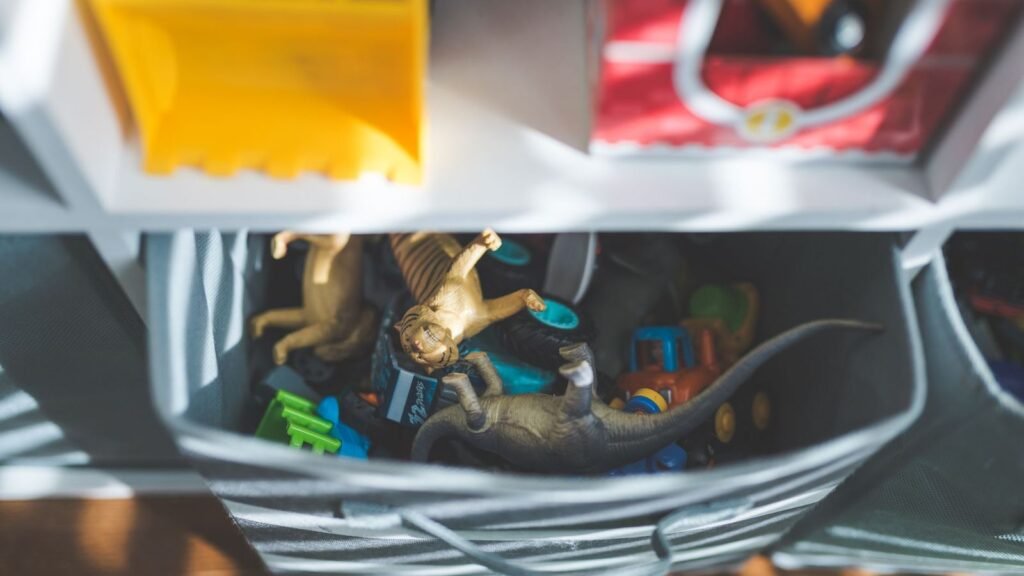
The doorbell rings, your puppy starts bouncing, and the leash is somewhere under a damp towel and a half-used roll of poop bags. Puppy storage for narrow entryways works best when it treats the space beside the door as a small walking station rather than a drop zone for every pet item in the home. The goal is simple: keep the few things needed for the next walk within reach, while leaving enough open floor to enter, leave, carry groceries, and move past an excited puppy without stepping on gear.
What to Look For in puppy storage for narrow entryways
Use decision criteria tied to puppy storage for narrow entryways: space, upkeep, how it fits your routine, and everyday usability.
The problem is not usually a lack of storage overall. It is that a tight front door area collects the most awkward items: a leash, harness, treat pouch, poop bags, towel, rain cover, paw-wiping cloth, and sometimes a muddy pair of shoes. A basket on the floor can quickly become a tripping hazard. A deep cabinet may keep supplies hidden but make the pre-walk routine slower. Storage that sticks out too far can interfere with the door swing, narrow the exit, or create an obstacle in the one route everyone uses.
Start by protecting the walking path before choosing where anything goes. Stand inside with the door fully open, then identify the clear strip of floor needed to pass through comfortably. Keep that strip empty. If the only usable space is one narrow wall, use that wall vertically: place two or three shallow hooks at adult shoulder-to-chest height for the leash and harness, add a small mounted pocket or slim container for bag rolls and treats, and reserve a low, easy-to-clean tray for a wet towel. Nothing needs to sit loose on the floor.
For example, a home with one usable wall beside the door might keep only a harness, one leash, a treat pouch, bag rolls, and a microfiber towel at the entry. Toys, grooming supplies, extra food, backup towels, and seasonal gear belong elsewhere. That limit is the tradeoff that keeps a narrow station useful: the door area is for leaving and returning, not long-term puppy supply storage.
A quick reset also prevents the pile from returning. After each walk, hang the leash and harness, place the towel in its tray or laundry spot, and refill the bag holder before it is empty. A small station with clear boundaries is easier to maintain than a larger setup that slowly spreads into the hallway.
Choose one wall for puppy gear, not the whole entry
For puppy storage for narrow entryways, claim one usable wall beside the door and keep every other surface clear. Start by standing at the door with it fully open, then walk the route you normally take out of the home. That open strip is not storage space. It needs to stay clear of baskets, shoes, towel piles, and anything a puppy—or a person carrying the puppy—could trip over.
Choose the wall that does not interfere with the door swing, a radiator, stairs, or the route to another room. Put only walk-time essentials there: one leash or harness, poop bags, a small towel, and perhaps a treat pouch. Food bags, extra toys, grooming supplies, and backup rolls belong elsewhere. Limiting the station is what keeps a narrow entry functional rather than turning it into a catch-all.
- Do first: Mark the walking path with painter’s tape for a day. If a bag, shoe, or puppy pauses on that strip, move it before adding wall storage.
- Use the wall height: Place shallow hooks at adult hand height for the leash and harness, with a small mounted pocket or narrow container below for poop bags and a folded towel. Keep the lowest storage off the floor whenever possible.
- Give wet gear one boundary: Use a small, easy-to-wipe tray or designated hanging spot within the same wall zone for a damp towel. Return it to the laundry area once it is dry instead of leaving it at the door.
- Avoid overflow storage: Do not add a deep bin, freestanding rack, or open shoe pile “just for now.” In a tight entry, temporary floor storage quickly becomes a permanent obstacle.
For example, assume an apartment entry has one short wall beside the door and no room for furniture without narrowing the passage. A simple layout could use two hooks near the top of that wall: one for the active leash and harness, one for a towel. Below them, mount one slim pocket holding a poop-bag roll and a few treats. Put a wipeable tray directly under the towel only when rainy weather makes drips likely; otherwise, keep even that floor space open. This setup holds the items needed for a walk without inviting every puppy supply into the entry.
Adjust the station when your routine shows a problem. If the towel stays damp, move it to a laundry hook after each walk rather than adding more towels by the door. If two people walk the puppy, assign one hook per person but keep a single shared bag pocket. If gear begins migrating into the hallway, reduce the entry station back to the essentials used on nearly every outing. The goal is a reliable departure point, not a complete puppy-supply closet.
Store wet towels and muddy gear without crowding the door
For puppy storage for narrow entryways, wet items need a temporary stopping point that is off the floor, away from the door swing, and easy to empty. The goal is not to make a full laundry station beside the front door. It is to contain the mess from one walk long enough to wipe paws, hang a towel, and move through the entry safely.
- Reserve one low-profile spot for “just came in” gear: Before the next rainy walk, choose a narrow section of the puppy wall station that is outside the door’s swing path. A shallow, wipeable tray on the floor against the wall can hold muddy boots, a damp paw towel, or the puppy’s raincoat while you unclip the leash. Use it only for items that are still wet or dirty; move them out once they have dried or been washed. Order: come inside, close the door, place wet gear in the tray, then wipe paws. Pitfall: do not leave the tray in the middle of the passage where a rushed person can catch a toe on it.
- Hang the active towel high enough to clear the walkway: Install one dedicated hook or towel bar on the chosen wall, positioned so a hanging towel does not brush the floor or block a light switch. After a wet walk, use the towel for paws first, then hang it fully open rather than folding it over a hook in a thick bundle. This gives it air while keeping it out of the puppy’s reach. Timing: replace the towel when it is soaked, smells musty, or has collected visible dirt; do not wait until the next outing. Pitfall: a towel draped over a stair rail, door handle, or radiator can spread clutter beyond the puppy zone and may interfere with the route through the home.
- Keep one clean towel and one used towel separate: A compact wall-mounted pocket, labeled hanging bag, or small shallow basket placed above floor level can hold a rolled clean towel. The drying hook is for the used one. In a small apartment entry, this simple split prevents the common scramble of grabbing yesterday’s damp towel when the puppy needs a quick wipe after a walk. Order: take the clean towel from its pocket, use it, then move it to the drying hook or laundry. Pitfall: avoid putting clean towels in the same open bin as wet rain gear, even if the bin looks tidy from across the room.
- Give muddy accessories a drip-safe return spot: If your puppy wears a raincoat, booties, or a muddy harness, use two or three separate shallow hooks above the tray rather than returning those items to the everyday leash hook immediately. Hang each piece with space around it so water can fall into the tray instead of onto the wall or floor. Timing: once the item is dry, return it to the regular walking station before the next walk. Pitfall: piling a wet harness, leash, and raincoat onto one hook creates a heavy tangle, and it makes the next departure slower when your puppy is already excited.
- Stage cleanup supplies at hand height, not at puppy height: Keep a small lidded or mounted container for poop-bag refills, disposable wipes if your household uses them, and a cloth for wiping the tray. Place it near the towel hook but above the puppy’s reach. The ASPCA notes that puppies may chew household items when they are accessible, so containing loose supplies also helps keep tempting objects out of the entryway. Order: deal with paws and wet gear first, then refill or wipe down the station after the puppy is settled. Pitfall: do not store cleaning products or loose packets on the floor beside the door where a puppy can mouth them while you are taking off your shoes.
- Use a two-minute reset after every wet outing: The station stays narrow only when items leave it again. After the puppy is dried and safely inside, hang the towel open, spread out the rain gear, empty any dirty water from the tray if needed, and return the leash to its assigned hook. If a towel needs washing, carry it directly to the laundry area rather than setting it on a chair “for later.” Timing: do this before starting another task, especially during rainy weather when several short walks can create a fast-growing pile. Pitfall: treating the entry tray as permanent storage eventually turns it into a damp catchall for shoes, mail, and puppy supplies.
Here is a simple wall-only layout for a narrow entry with one usable wall beside the door. Assume the door opens away from that wall and the clear walking route must remain open: place a small row of daily leash and harness hooks at adult shoulder height; below that, place two spaced hooks for a drying towel and rain gear; and place a narrow drip tray directly below the drying hooks, tight to the wall. A small mounted pocket beside the upper hooks holds clean towels and poop-bag refills. Nothing needs to project far into the hall, and only walk-time essentials live there.
The tradeoff is that this setup holds less than a bench or large floor basket, but that limitation is useful. Keep extra towels, spare harnesses, seasonal coats, and bulk cleanup supplies elsewhere. At the door, each item should answer one question: Do I need this during the next walk or immediately after it? If not, it does not belong in the narrow entryway.
Worked example: a narrow entryway setup with wall space only
For puppy storage for narrow entryways, imagine an apartment entrance with one clear wall beside the door, no room for furniture, and a walkway that needs to stay open for people carrying bags, shoes, and a wiggly puppy. The useful limit is simple: keep only walk-time essentials at the door. Everything else, including extra toys, full grooming supplies, and backup food, belongs elsewhere.
A workable wall-based station could use a narrow vertical strip: two shallow hooks at adult shoulder height for the leash and harness, a small mounted pocket below for poop bags and a treat pouch, and one low hook for a towel. Place a slim, removable drip tray directly below the towel hook only if it sits fully against the wall and does not project into the walking path. This arrangement keeps items visible without adding a floor basket or a bulky piece of furniture.
- Putting every puppy item by the door: The entry quickly becomes a holding zone for toys, spare leads, training supplies, mail, and outerwear. It fails because daily-use items become buried under occasional-use items, so the station creates more searching instead of less. Keep one leash, one harness, a refillable poop-bag holder, a small towel, and a few treats at the door; store duplicates in a cabinet or closet.
- Using deep bins on the floor: A bin may seem contained, but in a tight hall it narrows the route and becomes something to step around. It also invites damp towels and dirty gear to collect at the bottom. Choose mounted pockets or shallow wall containers for dry supplies, and move wet items to their drying spot after the walk.
- Hanging hooks where the door or a person will hit them: Leashes can get caught behind an opening door, and hard hooks can snag coats or bags as someone passes. This fails because the storage location was chosen before checking movement. Open the door fully, walk through the entry with a bag in hand, and mark the clear route before mounting anything. Keep hooks on the wall section outside the door swing.
- Making the towel hook a permanent laundry pile: A damp towel left with the leash can make the whole station look untidy and can hide the gear needed for the next outing. The better move is to assign the hook to one towel only. After it dries, return it to a laundry or linen area and put a fresh, folded towel on the hook when needed.
- Skipping a reset routine: Even a compact station spreads when an empty treat pouch, used bag roll, or muddy harness is dropped nearby. It fails because there is no clear point when items return to their places. After each walk, hang the leash, check the poop-bag supply, empty the pocket of wrappers, and move anything not used for walks away from the door.
The tradeoff is that this setup will not hold every puppy supply, and that is its strength. A narrow entry works best as a small launch point rather than a general storage area. If the station starts overflowing, remove items first instead of adding another container to the floor.
Keep the station from spreading into the hallway
Puppy storage for narrow entryways works when the door-area routine stays small: take what is needed for the next walk, return it to the same few places, and move anything else out of the path. The goal is not to store every puppy item by the front door. It is to make leaving and coming home feel predictable without asking you to step around a leash, towel, toy, or open bag of supplies.
For the next week, use a simple reset after each walk:
- Hang the leash and harness on their assigned wall hooks.
- Put the treat pouch and poop-bag roll back into one mounted pocket or small wall container.
- Place wet towels in the drying spot, then move them to laundry once they are dry enough to handle.
- Empty muddy items onto a contained tray rather than leaving them beside the door.
- Do a quick floor check before bed: nothing should remain where someone needs to walk, open the door, or carry groceries inside.
A useful rule is one walk, one reset. If a spare harness, unopened cleanup refill, toy, grooming brush, or puppy coat has no job on the next walk, it belongs in its main storage area elsewhere in the home. Keeping backups out of the entry prevents a small station from quietly becoming a supply pile.
For example, in an apartment with one usable wall beside the door, the wall station may hold one leash, one harness, poop bags, and a towel hook. A shallow tray below catches dirty paws or drips during the return-home routine, but it is cleared once the gear is put away. The tradeoff is that you may need to walk to a closet for refill bags or seasonal gear. That extra step is usually worthwhile when the alternative is a blocked hallway or a tripping hazard at the exit.
- Weekly reset: Once a week, check hooks, pockets, and the drying area. Remove empty bag rolls, wash towels, and return stray items to their proper rooms.
- Seasonal swap: Keep only the current weather gear at the door. Store extra rain layers, winter items, or backup towels away until they are needed.
- Floor-free boundary: Treat the walking path as storage-free, even when you are rushing out with an excited puppy.
The calmest setup is the one you can restore in under a minute. Start tonight by standing inside the entry with the door closed and removing every puppy item from the floor; then assign only the next walk’s essentials to the wall station.
FAQ
What to Look For in puppy storage for narrow entryways?
Use decision criteria tied to puppy storage for narrow entryways: space, upkeep, how it fits your routine, and everyday usability. Photo by Stephen Andrews on Pexels The problem is not usually a lack of storage overall.
What should I know about choose one wall for puppy gear, not the whole entry?
For puppy storage for narrow entryways, claim one usable wall beside the door and keep every other surface clear. Start by standing at the door with it fully open, then walk the route you normally take out of the home.
What should I know about store wet towels and muddy gear without crowding the door?
For puppy storage for narrow entryways, wet items need a temporary stopping point that is off the floor, away from the door swing, and easy to empty . The goal is not to make a full laundry station beside the front door.