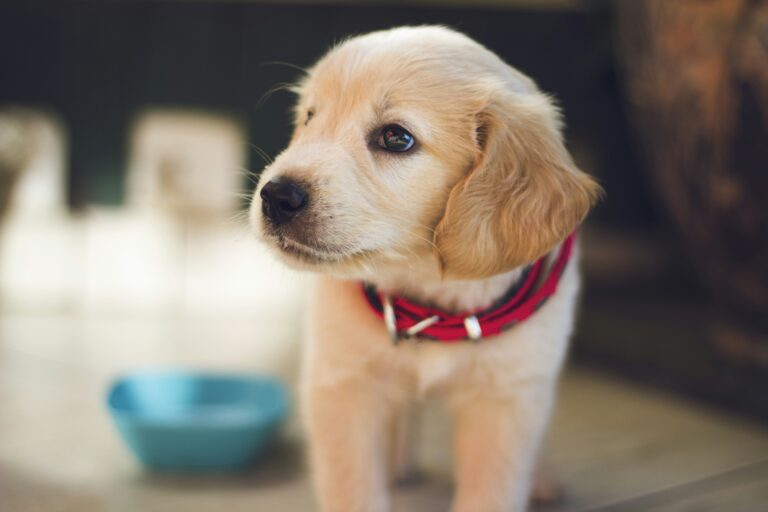
Signs Your Puppy Is Hungry or Full
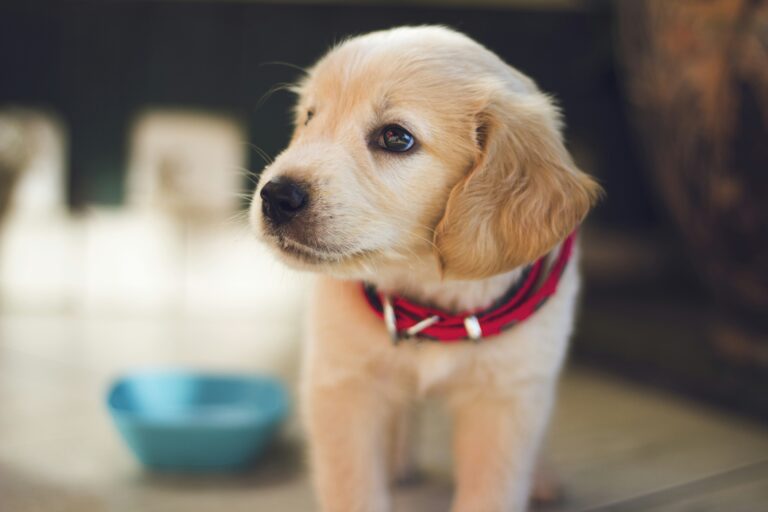
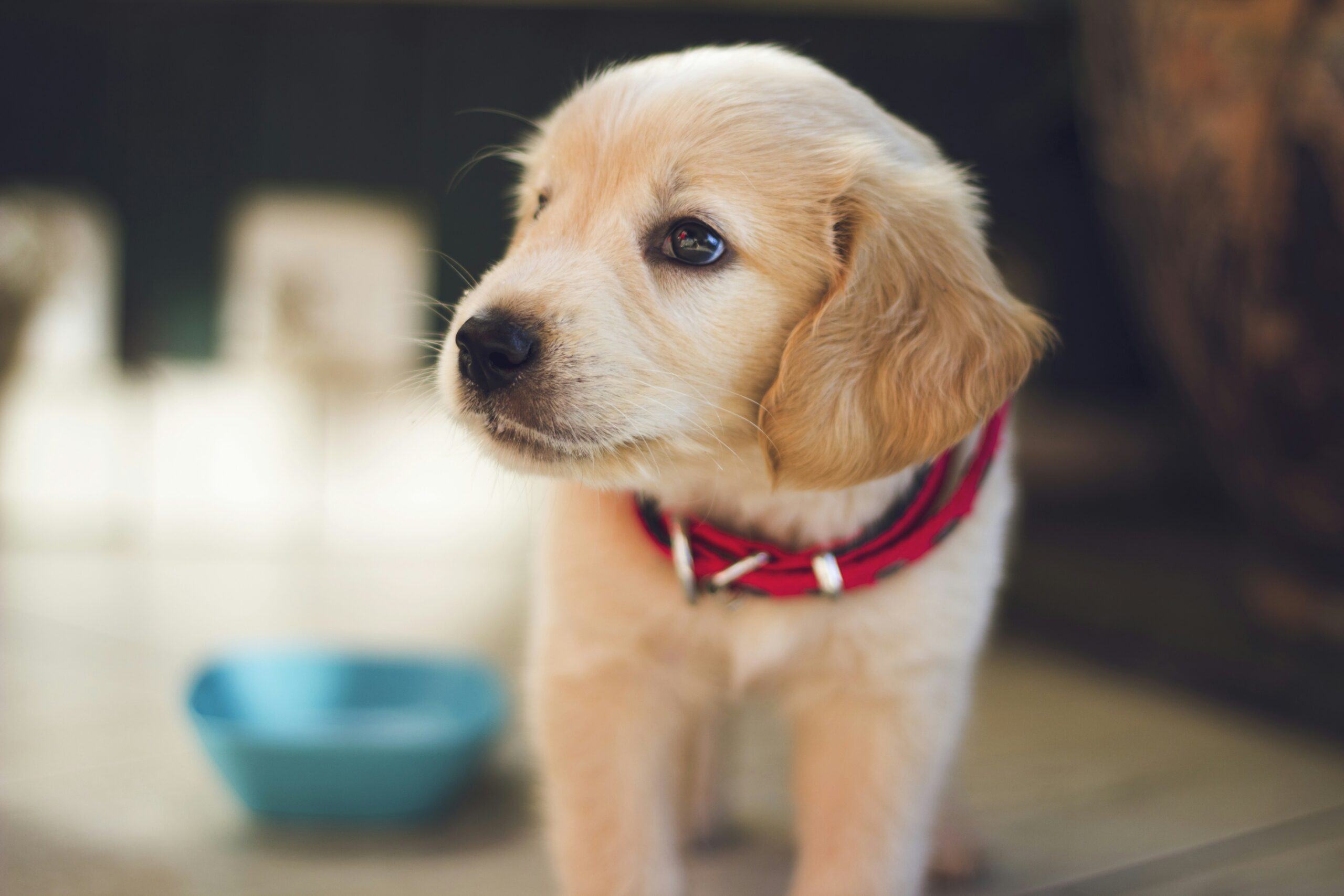
There’s nothing quite like that moment when your puppy stares at you with those big eyes, silently begging for food—or maybe just attention. But how do you really know if your puppy is hungry? Or worse, if they’ve had enough and are about to get sick from eating too much? “Signs Your Puppy Is Hungry or Full” isn’t just a simple checklist; it’s understanding those messy little clues and avoiding the guilt trip of overfeeding or underfeeding. Let me share what really works in the trenches, because misunderstanding this can lead to a frustrating cycle of mess, stress, and wasted food.
How Can You Tell If Your Puppy Is Hungry?
When your puppy is hungry, they’re not just hungry—they’re *clear* about it. You’ll see more than just the classic tail wag at mealtime. Watch for pacing around the food bowl or sniffing it repeatedly without eating. Some puppies will whine or even paw at the cupboard where you store their food. And here’s where most folks miss this completely: genuine hunger comes with focused behavior, not just random begging.
What Are the Signs a Puppy Is Full?
A puppy that’s full often slows down or outright ignores food. They might walk away mid-meal or lose interest quickly, which surprises many owners who expect a “clean plate.” You might even catch a slight burp or a happy, contented sigh—true satisfaction that doesn’t need overeating. Overfeeding is sneaky because your puppy will often *nibble* more out of habit or boredom, not true hunger.
Reading the Real Hunger Clues Beyond the Bowl
Here’s what surprised me early on: puppies communicate hunger and fullness in subtle ways. It isn’t just whether they eat fast or slow. Some signal hunger with increased energy; they might bounce around or keep pestering you for attention—because food and social interaction can overlap in their little minds. Fullness, meanwhile, can bring a kind of puppy zen: relaxed muscles, soft eyes, and maybe even a quick nap after the meal, somewhere cozy and quiet.
BarkBox - Monthly Dog Subscription Box
Get your puppy the best toys and treats delivered monthly! BarkBox offers premium dog toys, treats, and chews that are perfect for growing puppies. Each box is curated by experts and includes 2 toys, 2 bags of treats, and a chew.
Amazon Puppy Essentials
Everything you need for your new puppy in one place. From crates and beds to food bowls and training pads, Amazon has all the essentials at great prices with fast shipping.
Practical Systems for Tracking Puppy Meals and Appetite
Creating a simple feeding routine can make a world of difference. Use a designated feeding spot and a consistent schedule. Having a stored record—a quick handwritten log or an app reminder—helps catch when appetite dips or flies too high. This is where organizing puppy supplies really shines: a clever storage bin with your puppy’s feeding accessories, treats, and even leftover food portions keeps you from scrambling and guessing. It’s amazing how less clutter around feeding time calms both owner and pup.
Why Proper Food Storage Matters for Puppy Eating Habits
Food freshness can dramatically influence if your puppy finds their meal tasty or rejects it altogether. Storing puppy food in airtight containers avoids that stale smell and prevents pests from sneaking in. A well-thought-out storage system in your pantry or kitchen also means you’re less likely to overbuy or let food go bad—saving money and stress. With good storage, meal prep becomes quick and efficient, helping maintain a steady appetite rhythm for your puppy.
Integrating Toy Rotation to Prevent Feeding Boredom
Sometimes what looks like hunger is actually boredom. Puppies naturally seek stimulation. Rotating toys and feeding puzzles around mealtime keeps their brain busy and reduces mindless nibbling. You can organize your puppy’s toys alongside their feeding gear for easy access. This integration helps create an enriching environment, reducing the chance your puppy overeats simply because they’re restless or bored.
Building a Puppy-Friendly Environment That Evolves
As your puppy grows, so do their appetite and needs. The storage systems and routines you set up initially need to evolve too. From small containers for puppy meals to bigger ones as they mature, and toy zones that change with their playstyle. A space designed to minimize clutter makes it easier to spot hunger or fullness signals right away—no distractions, no mess. That sense of order brings calm, helping you tune in to those important cues.
Some of the best advice I can give? Never underestimate how much your puppy’s environment impacts feeding behavior. By organizing puppy supplies thoughtfully and reducing clutter around meal times, you create the ideal setting for your pup to thrive physically and emotionally.
For more on overall puppy wellbeing, be sure to check out our detailed guide on Health and Care.
Frequently Asked Questions
How often should I feed my puppy to avoid hunger or overeating?
Most puppies do well with three to four small meals a day, spaced evenly. This prevents hunger spikes and helps you track their intake carefully. Avoid free-feeding unless advised by a vet, as this can lead to overeating.
What’s the easiest way to keep puppy food fresh and organized?
Use clear, airtight containers with labeling for each type of food (dry kibble, wet food, treats). Keep them in a dedicated storage bin or cabinet near feeding areas. This reduces clutter and saves you from digging around during meal prep.
My puppy sometimes sniffs food but doesn’t eat—should I worry?
This often means your puppy is full or not feeling quite right. Check if this behavior repeats regularly. It could also signal boredom or the need for a change in food type or routine. Keep an eye on energy levels and hydration.
Can rotating toys really affect how much my puppy eats?
Yes! Bored puppies sometimes eat out of habit, not hunger. Introducing new toys or puzzles around feeding time keeps them mentally stimulated, which helps them focus on actual meals instead of snacking excessively.
How do I stop my puppy from begging when they’re not hungry?
Signs of full puppies ignoring mealtime cues can still trigger begging behavior. Consistently stick to feeding schedules and reward calm behavior rather than feeding on demand. Organizing treats separately helps control urges to give in impulsively.
What’s the best way to store feeding supplies as my puppy grows?
Choose modular storage systems like bins with adjustable compartments. This allows space for growing meal sizes, special dietary needs, and expanding toy collections—keeping your feeding space tidy and adaptable.
My puppy sometimes eats too fast—how can I tell if that means hunger or just excitement?
Fast eating often mixes hunger with excitement or anxiety. If your puppy inhales food but then seems restless, try slow feeder bowls or smaller, more frequent meals. Watch for post-meal signs of fullness to make adjustments.
Getting this right doesn’t happen overnight. Seeing those tiny signs, tuning into your puppy’s rhythm, and creating an environment that simplifies feeding and play—that’s where the real change happens. You’ll feel relief knowing you’re meeting your puppy’s needs without guesswork, and your pup? They’ll feel cared for, calm, and ready to thrive.
Now retrieving an image set.
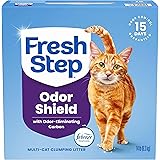
Fresh Step Clumping Cat Litter, Multi-Cat, Long Lasting Odor Control Kitty Litter with Activated Charcoal, Low Dust Formula, 14 lb
$9.54 (as of April 12, 2026 21:40 GMT -05:00 - More infoProduct prices and availability are accurate as of the date/time indicated and are subject to change. Any price and availability information displayed on [relevant Amazon Site(s), as applicable] at the time of purchase will apply to the purchase of this product.)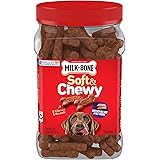
Now retrieving an image set.
Milk-Bone Soft & Chewy Dog Treats, Beef & Filet Mignon Recipe, 25 Ounce
$14.47 (as of April 12, 2026 21:40 GMT -05:00 - More infoProduct prices and availability are accurate as of the date/time indicated and are subject to change. Any price and availability information displayed on [relevant Amazon Site(s), as applicable] at the time of purchase will apply to the purchase of this product.)
Now retrieving an image set.
Good ‘n’ Fun Triple Flavor Kabobs Chews for All Dogs, 24 Ounces, Treat Your Dog to Long-Lasting Chews Made from Beef Hide, Real Chicken, Pork Hide, Duck and Chicken Liver
$15.98 (as of April 12, 2026 21:40 GMT -05:00 - More infoProduct prices and availability are accurate as of the date/time indicated and are subject to change. Any price and availability information displayed on [relevant Amazon Site(s), as applicable] at the time of purchase will apply to the purchase of this product.)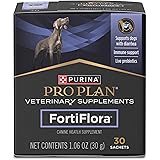
Now retrieving an image set.
Purina Pro Plan Veterinary Supplements FortiFlora Daily Probiotics for Dogs, Helps Digestive Gut Health and Diarrhea - 30 ct. Box
$30.99 (as of April 12, 2026 21:40 GMT -05:00 - More infoProduct prices and availability are accurate as of the date/time indicated and are subject to change. Any price and availability information displayed on [relevant Amazon Site(s), as applicable] at the time of purchase will apply to the purchase of this product.)
Now retrieving an image set.