Skipping Routine Health Checks
In this post, we’ll explore why routine wellness exams are key for your puppy’s long-term health, how you can maintain a consistent health-check schedule, and practical tips to make vet visits a positive experience. For a broader overview of puppy care essentials, begin with our comprehensive Start Here guide.
Why Routine Health Checks Matter
Routine veterinary visits are more than just vaccinations and treating illnesses—they are a proactive approach to wellness. Puppies grow and change rapidly, which means their health needs evolve quickly during the first year.
Regular checkups allow your vet to catch early signs of common puppy ailments, monitor developmental milestones, and provide tailored advice on diet, behavior, and preventive care. Skipping these visits can delay diagnosis and treatment of conditions that might otherwise be manageable or preventable.
Common Consequences of Skipping Health Checks
Missing scheduled appointments can increase the risk of chronic problems going unnoticed, such as dental diseases, parasites, or nutritional imbalances. These issues can impact your puppy’s energy levels, growth, and overall well-being.
Puppies also require routine vaccinations to protect them from contagious diseases like parvovirus and distemper. Skipping health checks often means delayed or missed vaccines, leaving your puppy vulnerable during critical developmental windows.
How to Make Routine Vet Visits Easier
Many puppy owners dread the vet trip—but with some thoughtful preparation, visits can be calm and even enjoyable. Start by getting your puppy accustomed to handling at home: gently touch their paws, ears, and mouth regularly to reduce stress during exams.
Bring favorite treats or toys to the appointment, and always offer positive reinforcement. Scheduling visits at times when your puppy is well-rested can also help reduce anxiety. Lastly, pick a veterinarian who clearly communicates and creates a welcoming environment—this can make a significant difference.
Establishing a Routine for Lifelong Puppy Health
The best approach to skipping routine health checks is prevention—set a clear schedule for wellness visits from the start. Most puppies benefit from monthly vet visits until they are about 16 weeks old, followed by annual checkups. Mark these dates on your calendar and consider subscription or reminder services offered by many vets.
Tracking your puppy’s weight, appetite, behavior changes, and energy at home helps identify when a vet visit is needed outside regular appointments. Keeping a health journal or using a pet care app can be useful tools to stay on top of your puppy’s wellness needs.
Remember, skipping routine health checks may seem like saving time or money, but the investment you make now in preventive care ensures your puppy can thrive for years to come. For those just starting their puppy journey or needing guidance on supplies and training essentials, our detailed Start Here page is an invaluable resource designed to help you every step of the way.
Frequently Asked Questions
How often should I take my puppy to the vet for routine checkups?
During the first 4 months, monthly visits are recommended to complete vaccinations and monitor development. Afterward, annual exams are typical, but your vet may suggest more frequent visits based on your puppy’s health.
What if my puppy seems healthy and energetic—do they still need regular vet visits?
Yes. Puppies can appear healthy while still harboring issues only detectable by a vet. Routine visits help catch problems early and keep vaccinations and parasite preventives up to date.
How can I prepare my puppy for a stress-free vet visit?
Get your puppy comfortable with being touched around their paws, ears, and mouth at home. Bring treats, speak calmly, and schedule visits when your puppy is rested. A friendly vet and staff can also make visits more positive.
Are there alternatives if I am unable to visit the vet frequently?
Some areas have mobile vets or telehealth consultations for minor concerns, but these should not replace in-person checkups. Discuss options with your vet to find a realistic and safe care plan for your puppy.

Now retrieving an image set.
Earth Rated Poop Bags for Dogs, Guaranteed Leak Proof and Extra Thick Waste Bag Refill Rolls, Lavender Scented, 270 Bags
$13.99 (as of April 5, 2026 21:35 GMT -05:00 - More infoProduct prices and availability are accurate as of the date/time indicated and are subject to change. Any price and availability information displayed on [relevant Amazon Site(s), as applicable] at the time of purchase will apply to the purchase of this product.)
Now retrieving an image set.
Purina Fancy Feast Gravy Lovers Poultry and Beef Grilled Gourmet Wet Cat Food Variety Pack - (Pack of 24) 3 oz. Cans
$22.86 (as of April 5, 2026 21:35 GMT -05:00 - More infoProduct prices and availability are accurate as of the date/time indicated and are subject to change. Any price and availability information displayed on [relevant Amazon Site(s), as applicable] at the time of purchase will apply to the purchase of this product.)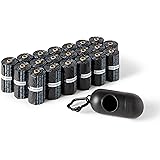
Now retrieving an image set.
Amazon Basics Dog Poop Leak Proof Bags with Dispenser and Leash Clip, Unscented, 13" x 9" Large Size, 300 Count
$9.93 (as of April 5, 2026 21:35 GMT -05:00 - More infoProduct prices and availability are accurate as of the date/time indicated and are subject to change. Any price and availability information displayed on [relevant Amazon Site(s), as applicable] at the time of purchase will apply to the purchase of this product.)
Now retrieving an image set.
Pur Luv Chicken Jerky Dog Treats, Made with 100% Real Chicken Breast, 16 Ounces, Healthy, Easily Digestible, Long-Lasting, High Protein, Satisfies Dog's Urge to Chew
$13.99 (as of April 5, 2026 21:35 GMT -05:00 - More infoProduct prices and availability are accurate as of the date/time indicated and are subject to change. Any price and availability information displayed on [relevant Amazon Site(s), as applicable] at the time of purchase will apply to the purchase of this product.)
Now retrieving an image set.