Product recalls have long imposed substantial burdens on food manufacturers and sellers, including heightened regulatory scrutiny, reputational harm, exposure to personal injury litigation, and significant financial consequences. However, in recent years, recalls have increasingly given rise to a distinct and unwelcome form of litigation: consumer class actions predicated on the voluntary recall of food products. Much like the false advertising and mislabeling class actions that have historically plagued the food industry, these post‑recall suits typically do not allege personal injury or medical monitoring. Instead, plaintiffs assert purely economic theories of harm, most often claiming that they were deprived of the benefit of their bargain because the recalled products allegedly failed to perform as promised. According to these plaintiffs, had they known of the defects or potential defects giving rise to the recalls, they either would not have purchased the products at all or would have paid less for them. In addition to damages, plaintiffs commonly seek injunctive relief, including court orders barring the continued sale of allegedly contaminated or adulterated products.
A threshold obstacle confronting plaintiffs in post‑recall consumer class actions is Article III standing. To establish standing, a plaintiff must plausibly allege an injury in fact, that is, a concrete, particularized, and actual or imminent harm. Critically, named plaintiffs must demonstrate that they themselves suffered such an injury, rather than relying on allegations of harm to unnamed members of the putative class.1 A related and frequently litigated issue is whether a manufacturer’s voluntary recall and refund program renders plaintiffs’ economic claims moot by fully compensating them for any alleged losses. Put differently, courts are often asked to determine whether a recall accompanied by a functioning and effective refund mechanism obviates the need for judicial intervention.
Since 2022, many post‑recall consumer class actions have been brought by the same small group of plaintiffs’ lawyers, and several have resulted in substantial settlements.2 Notably, a significant number of these cases settled at an early procedural stage, often before the filing of answers or motions to dismiss, suggesting that defendants may have elected settlement to avoid the expense and uncertainty of protracted litigation rather than because of the merits of the claims.
Recent decisions, however, reflect growing judicial skepticism toward these lawsuits and provide meaningful guidance to food manufacturers and sellers. In Ward v. J.M. Smucker Co.,3 plaintiffs sought benefit‑of‑the‑bargain damages arising from their purchases of Jif peanut butter products that were voluntarily recalled due to potential Salmonella contamination. The district court dismissed the action for lack of standing, and the Sixth Circuit affirmed, holding that plaintiffs must allege facts supporting a plausible inference that the specific products they purchased were contaminated. The court rejected the contention that standing exists merely because a product was subject to a recall, emphasizing that “the mere fact that a product purchased by plaintiffs was recalled does not nudge a claim of alleged contamination from conceivable to plausible.” The court further held that FDA recall statistics identifying reported illnesses were insufficient to establish standing, as allegations of mere possibility fall short of the plausibility required under Article III.
BarkBox - Monthly Dog Subscription Box
Get your puppy the best toys and treats delivered monthly! BarkBox offers premium dog toys, treats, and chews that are perfect for growing puppies. Each box is curated by experts and includes 2 toys, 2 bags of treats, and a chew.
Amazon Puppy Essentials
Everything you need for your new puppy in one place. From crates and beds to food bowls and training pads, Amazon has all the essentials at great prices with fast shipping.
Similarly, in McLean v. Walmart Inc.,4 a case litigated by Cozen O’Connor, the plaintiff asserted economic damages stemming from Walmart’s voluntary recall of apple juice due to potential inorganic arsenic contamination. Walmart moved to dismiss on standing and mootness grounds, citing its refund program offering full reimbursement. The plaintiff argued that a full refund failed to compensate for the temporary deprivation and lost time value of money. The court rejected this theory, explaining that where a refund program predates litigation, the issue is properly analyzed as one of standing rather than mootness. Distinguishing cases in which refund programs were allegedly illusory or inaccessible, the court held that the plaintiff lacked standing because he failed to allege any meaningful barrier to obtaining a refund.

Now retrieving an image set.
Earth Rated Pet Wipes for Dogs and Cats, Hypoallergenic, 3-in-1 Cleaning, Deodorizing and Hydrating, for Grooming Paws, Body and Butt, Unscented, 100 Count
$9.78 (as of March 24, 2026 21:31 GMT -05:00 - More infoProduct prices and availability are accurate as of the date/time indicated and are subject to change. Any price and availability information displayed on [relevant Amazon Site(s), as applicable] at the time of purchase will apply to the purchase of this product.)
Now retrieving an image set.
Purina Fancy Feast Gravy Lovers Poultry and Beef Grilled Gourmet Wet Cat Food Variety Pack - (Pack of 24) 3 oz. Cans
$22.86 (as of March 24, 2026 21:31 GMT -05:00 - More infoProduct prices and availability are accurate as of the date/time indicated and are subject to change. Any price and availability information displayed on [relevant Amazon Site(s), as applicable] at the time of purchase will apply to the purchase of this product.)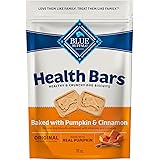
Now retrieving an image set.
Blue Buffalo Health Bars Crunchy Dog Biscuits, Oven-Baked with Natural Ingredients, Pumpkin & Cinnamon, 16-oz Bag
$4.98 (as of March 24, 2026 21:31 GMT -05:00 - More infoProduct prices and availability are accurate as of the date/time indicated and are subject to change. Any price and availability information displayed on [relevant Amazon Site(s), as applicable] at the time of purchase will apply to the purchase of this product.)
Now retrieving an image set.
Good ‘n’ Fun Triple Flavor Kabobs Chews for All Dogs, 24 Ounces, Treat Your Dog to Long-Lasting Chews Made from Beef Hide, Real Chicken, Pork Hide, Duck and Chicken Liver
$14.39 (as of March 24, 2026 21:31 GMT -05:00 - More infoProduct prices and availability are accurate as of the date/time indicated and are subject to change. Any price and availability information displayed on [relevant Amazon Site(s), as applicable] at the time of purchase will apply to the purchase of this product.)
Now retrieving an image set.