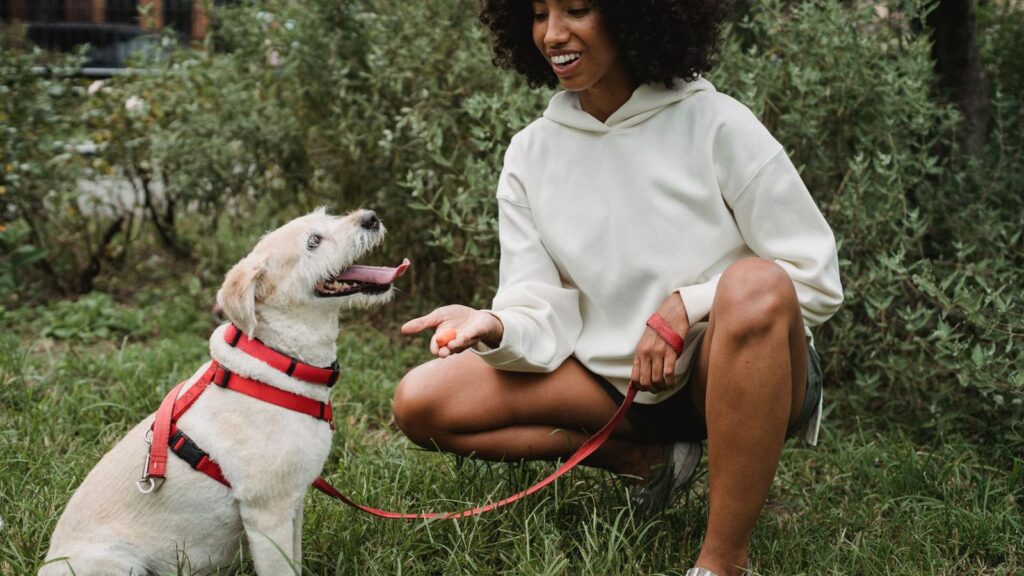
Efficient Storage and Access for Your Puppy’s Training Treats
If you are revisiting this topic, this version focuses on practical differences that matter in day-to-day use.
What to Look For in training treats
Use decision criteria tied to training treats: space, upkeep, how it fits your routine, and everyday usability.
Quick Answer
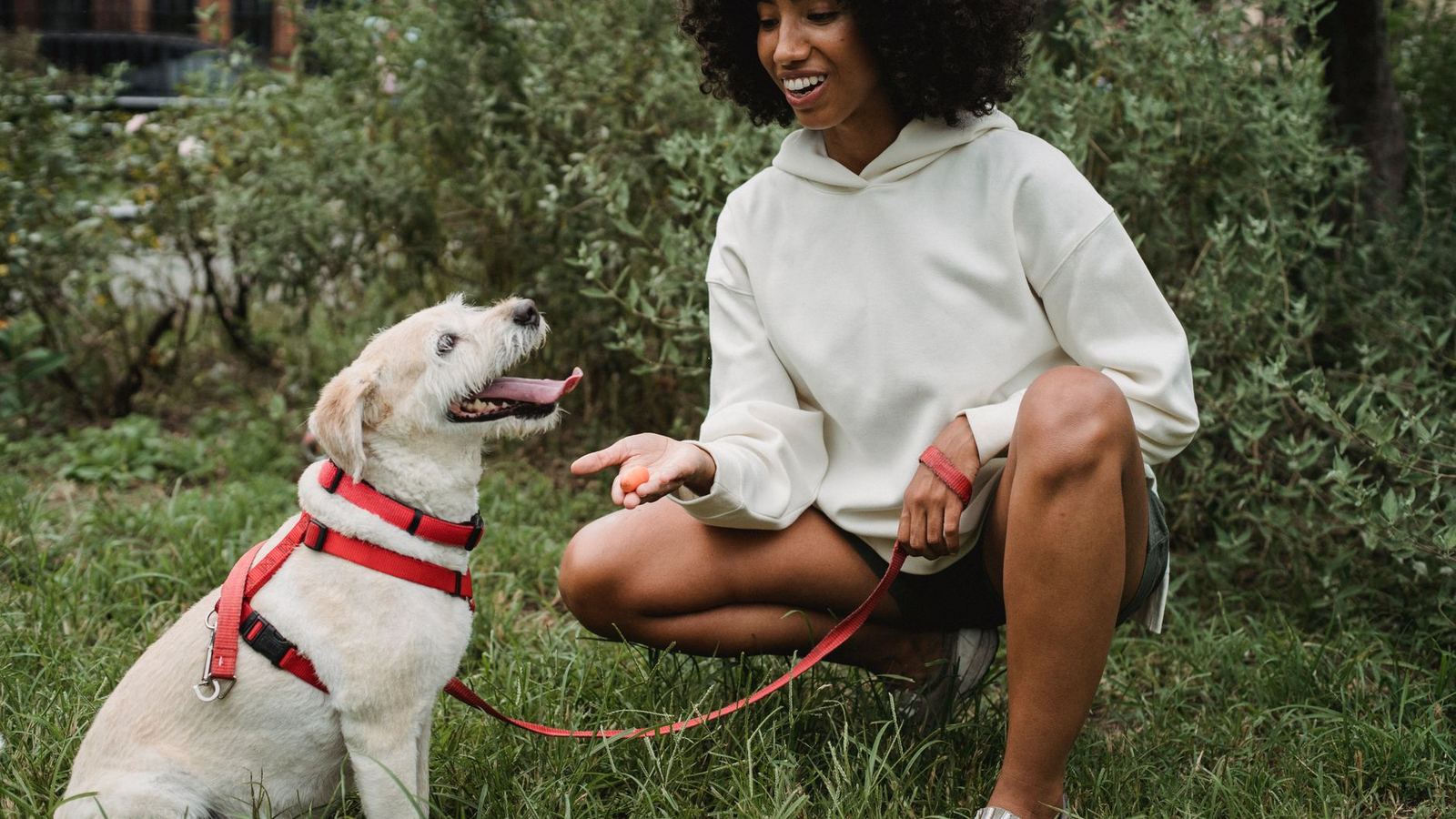
Store training treats in an airtight container in a cool, dry place to keep them fresh. Use a treat pouch during training sessions for quick access, allowing you to reward your puppy efficiently.
Before You Start
Gather your supplies for effective organization:
- Airtight containers for long-term storage
- Treat pouches for training sessions
- A cool, dry storage location
- Labels for organization
Organizing Options for training treats
Choosing the right storage solution can enhance your training routine. Consider these options:
- Airtight Containers: Ideal for bulk storage, these keep treats fresh and moisture-free. Clear containers allow easy visibility.
- Treat Pouches: Perfect for on-the-go training, these clip to your waistband or belt for quick access.
- Clear Bins: Use bins with dividers to separate different types of treats, making it easier to find what you need.
- Labeling: Clearly label each container or pouch with the treat type and purchase date to ensure freshness.
Step-by-Step Storage Process
- Choose Your Containers: Select airtight containers for long-term storage and a treat pouch for daily use.
- Sort Treats: Separate treats by type or flavor to streamline training decisions.
- Fill Containers: Place treats in airtight containers and seal tightly, avoiding overfilling.
- Label Everything: Mark each container with contents and purchase date to use older treats first.
- Store Properly: Keep containers in a cool, dry location away from sunlight. Store the treat pouch near your training area.
- Regularly Check Treats: Inspect treats for freshness and discard any that are stale or expired.
Mistakes to Avoid
To maximize your training treat storage effectiveness, avoid these common pitfalls:
- Neglecting Freshness: Check expiration dates and rotate your stock to prevent stale treats.
- Overloading Storage: Avoid overstuffing containers, which can lead to broken treats and difficult access.
- Ignoring Temperature and Humidity: Store treats in a cool, dry place to prevent spoilage.
- Using Non-Airtight Containers: Ensure containers are airtight to protect treats from moisture.
Conclusion
Use the steps above for training treats, keep the habit small enough to repeat, and adjust once after your first week.