What to Expect at Your Puppy’s First Visit
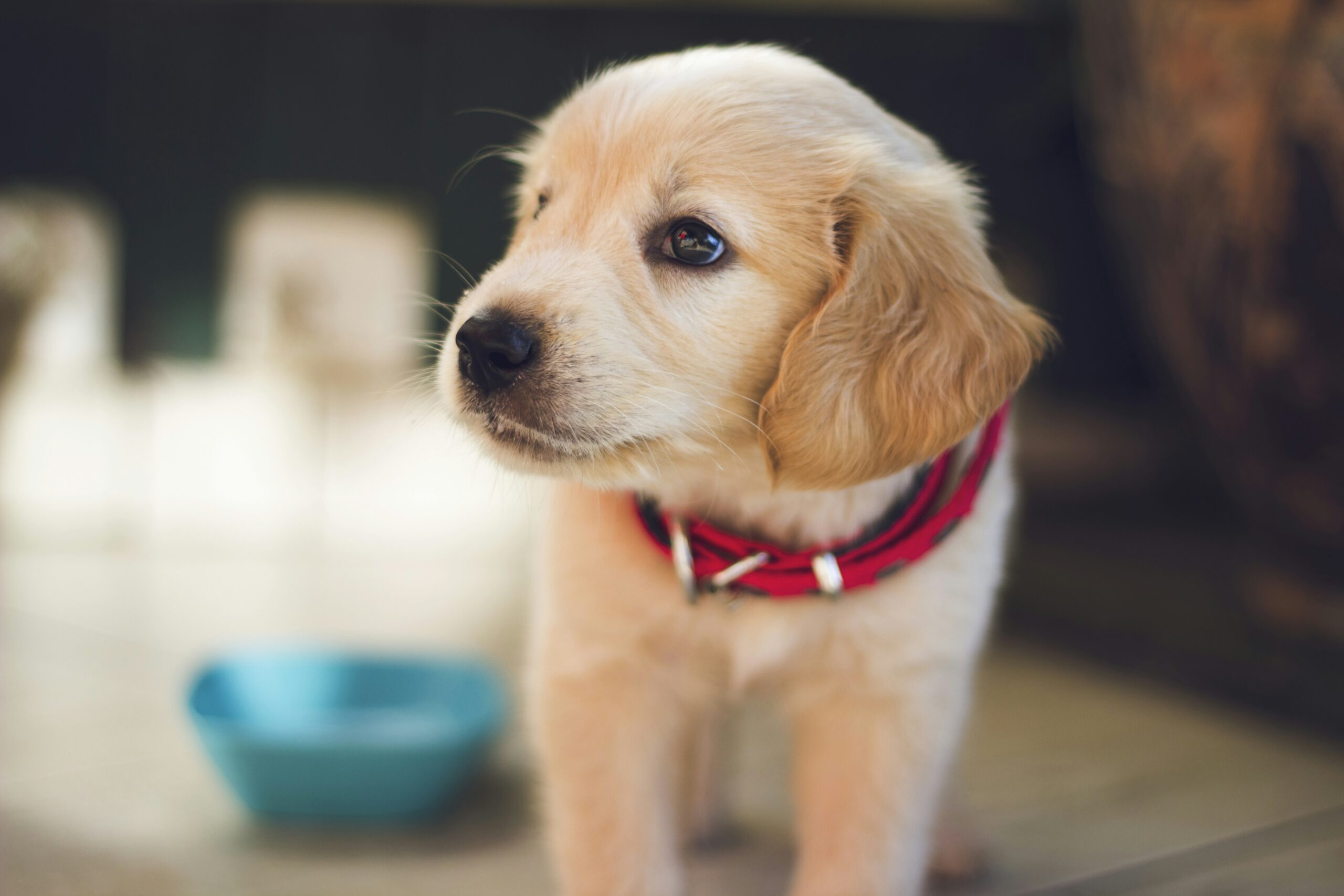
Bringing a new puppy home is like opening a door to a whole new world—full of excitement, nerves, and a mountain of questions. If you’re wondering what to expect at your puppy’s first visit, you’re not alone. That first checkup can feel overwhelming. You’re juggling a squirmy ball of fluff, trying not to forget the paperwork, and wondering if you packed everything the vet might want to see. Here’s what surprised me during my puppy’s first visit—and what I want every new pup parent to know, so they step in confident, not frazzled.
What Happens at Your Puppy’s First Vet Visit?
Your puppy’s first vet appointment typically includes a thorough health check—this means eyes, ears, teeth, weight, and more. The vet will likely talk about vaccinations, deworming, and what to watch for in the coming weeks. It’s also a time to ask any burning questions you have about feeding, behavior, or puppy-proofing your home.
How Long Does the First Puppy Visit Usually Take?
Expect the first visit to last about 30 to 45 minutes. Sometimes it can run longer if there are a lot of questions or if your puppy needs extra attention. Patience is key—even if your little one melts down in the exam room, it’s all part of the process.
Before the Appointment: Prep Like You Mean It
Most people miss this completely: prepping for the first visit isn’t just about bringing your pup and showing up. Take a moment the night before to organize all your puppy supplies—food, vaccination records if you have them, and a list of questions or concerns you’ve jotted down. Having a dedicated, tidy spot for all these materials makes a bigger difference than you expect when you’re juggling nerves and puppy wrangling.
BarkBox - Monthly Dog Subscription Box
Get your puppy the best toys and treats delivered monthly! BarkBox offers premium dog toys, treats, and chews that are perfect for growing puppies. Each box is curated by experts and includes 2 toys, 2 bags of treats, and a chew.
Amazon Puppy Essentials
Everything you need for your new puppy in one place. From crates and beds to food bowls and training pads, Amazon has all the essentials at great prices with fast shipping.
PuppyStorage has been a lifesaver for keeping my pup’s medical essentials organized. You’ll want a storage system that evolves as your puppy grows. For instance, right now, you need easy access to the leash, vaccination records, and a few treat types; later, that same space will hold medication, grooming tools, and dietary supplements. Having all this in one place cuts down crazy last-minute hunting and stress.
What Your Vet Might Ask You—and What You Should Ask Back
They’ll want a rundown of your pup’s diet, bathroom habits, play behavior, and energy levels. But here’s a pro tip: don’t just wait for the vet to lead the conversation. Ask about parasite prevention, any signs of distress to look out for, and vaccination schedules specific to your area. This is where things quietly go wrong—puppy parents often leave without a clear roadmap for home care. Get that so you’re not stuck Googling in a panic later.
Managing Puppy Energy During the Visit
If your pup is like mine, they might go from “adorable angel” to “escape artist” mode inside the vet’s office. Bring a few favorite toys—but consider toy rotation to keep things novel and reduce overstimulation or stress during visits. This also ties back to having a smart storage plan; keeping several small toys ready and cycling through them prevents boredom and builds positive vet associations.
Food Storage Matters—Even at the Vet
Your vet will probably ask about your puppy’s diet, and here’s the kicker: bringing a small sample of their current food can clear up confusion about brand, ingredients, or portioning. Coming prepared with properly stored food, maybe in a vacuum-sealed bag or airtight container, shows you’re serious about your pup’s nutrition. And if you’ve struggled with spilled kibble or soggy treats at home, reorganizing your storage can make your feeding routine smoother and less chaotic.
Keeping Puppy Supplies Organized—Because Life is Busier than Ever
Between the vet visit, feeding schedule, training, and play, clutter can pile up fast. Utilizing clever storage solutions means everything has its place—from collars to chew toys to grooming brushes. Trust me, when medical paperwork or a bandage is needed in a flash, being able to grab it without tearing the house apart saves you from panic and stress.
How Often Will Your Puppy Need Vet Visits After This?
Puppy checkups generally happen every 3 to 4 weeks until they are about 16 weeks old, to keep up with vaccinations and growth monitoring. Marking these appointments ahead of time on your calendar helps prevent missed visits—and curbs anxiety about scheduling. Make a checklist, and keep it near your puppy’s organized supplies for quick reference.
Frequently Asked Questions
What if my puppy is scared of the vet?
This is super common. Bring treats, favorite toys, and try short, calm visits just to get your pup used to the environment. Over time, this builds positive associations.
How should I organize all my puppy’s new stuff?
Designate a specific area or bin for puppy essentials. Separate feedings, toys, grooming, and health care items. Rotating toys from storage can keep your pup interested and reduce clutter.
Can I bring my puppy’s food to the vet visit?
Absolutely. Bring a sample of the food, preferably in a sealed container or bag. It helps the vet offer tailored advice and spot allergy or nutrition concerns.
What paperwork should I bring to the first vet visit?
Any vaccination records from your breeder or shelter, adoption papers, and notes about your puppy’s behavior or health history will be helpful.
Will the vet check for parasites during the first visit?
Yes. They often recommend stool samples or deworming depending on your puppy’s background and symptoms.
How do I keep medical supplies tidy over time?
Use labeled containers or bags within your storage system. As needs change during growth, add or swap items but keep the system consistent so you always know where to look.
What’s the best way to handle puppy accidents during the vet visit?
Stay calm and let the staff help. It’s a stressful experience for your pup, not a failure on your part. Sanitizing wipes and extra towels organized near your pup’s things can prevent hassle after unexpected messes.
If you want to dive deeper on all this, check out our section on Health and Care for real-world tips on managing your pup’s wellbeing at home and beyond.
Wrapping This Up Like a Pro
The first vet visit is a lot to take in, but it’s also the launchpad for years of healthy companionship. You might leave feeling a little overwhelmed—trust me, that’s totally normal—and you’ll probably notice more questions popping up. That’s okay. What matters is you’re building a system that keeps puppy supplies neat, questions answered, and your little fuzzball safe and happy. Here’s the quiet truth: you don’t have to be perfect. Just prepared.
With a well-stocked and organized puppy space, you free up your time and mental energy to actually enjoy those goofy puppy moments instead of chasing down paperwork or cleaning up after a spill for the hundredth time. The peace of mind that comes from knowing what to expect, and having tools to handle it, makes all the difference.
Your pup’s first vet visit is just the start. Gear up smart, and you’ll navigate the messy, wonderful chaos of puppyhood like a champ.

Now retrieving an image set.
ARM & HAMMER Clump & Seal SLIDE Platinum Multi-Cat Clumping Cat Litter, Easy Clean Technology with No Scrubbing, 14-Day Odor Control, 37 lbs
$34.99 (as of April 12, 2026 21:40 GMT -05:00 - More infoProduct prices and availability are accurate as of the date/time indicated and are subject to change. Any price and availability information displayed on [relevant Amazon Site(s), as applicable] at the time of purchase will apply to the purchase of this product.)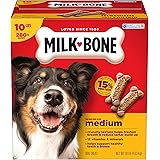
Now retrieving an image set.
Milk-Bone Original Dog Treats Biscuits for Medium Dogs, 10 Pound
$14.98 (as of April 12, 2026 21:40 GMT -05:00 - More infoProduct prices and availability are accurate as of the date/time indicated and are subject to change. Any price and availability information displayed on [relevant Amazon Site(s), as applicable] at the time of purchase will apply to the purchase of this product.)
Now retrieving an image set.
Good ‘n’ Fun Triple Flavor Kabobs Chews for All Dogs, 24 Ounces, Treat Your Dog to Long-Lasting Chews Made from Beef Hide, Real Chicken, Pork Hide, Duck and Chicken Liver
$15.98 (as of April 12, 2026 21:40 GMT -05:00 - More infoProduct prices and availability are accurate as of the date/time indicated and are subject to change. Any price and availability information displayed on [relevant Amazon Site(s), as applicable] at the time of purchase will apply to the purchase of this product.)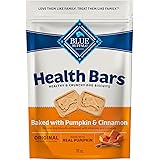
Now retrieving an image set.
Blue Buffalo Health Bars Crunchy Dog Biscuits, Oven-Baked with Natural Ingredients, Pumpkin & Cinnamon, 16-oz Bag
$4.98 (as of April 12, 2026 21:40 GMT -05:00 - More infoProduct prices and availability are accurate as of the date/time indicated and are subject to change. Any price and availability information displayed on [relevant Amazon Site(s), as applicable] at the time of purchase will apply to the purchase of this product.)
Now retrieving an image set.