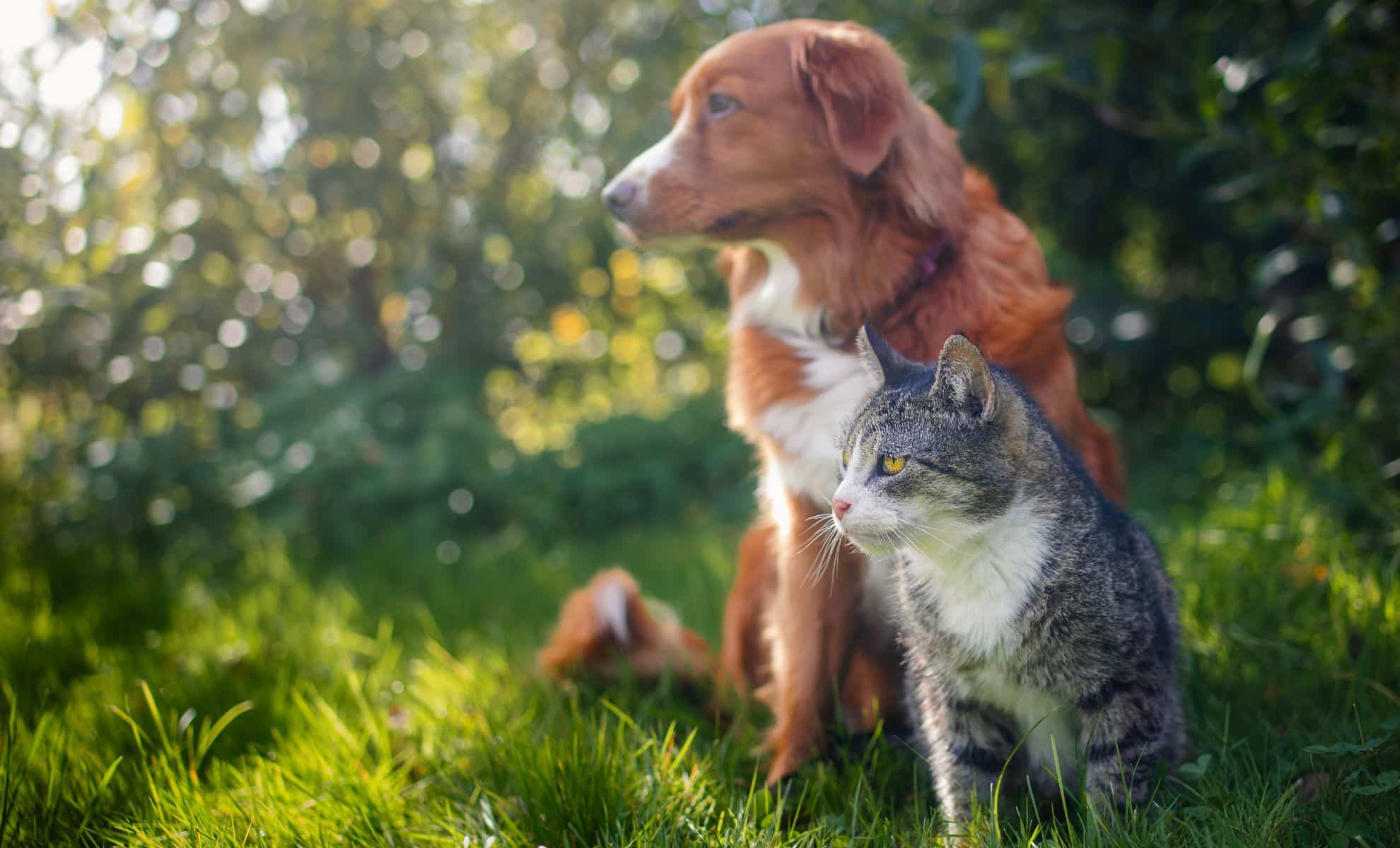

Dogs and cats, long genetically unrelated, are evolving to resemble each other more and more. This curious trend is the result of human-driven breeding practices that prioritize certain “baby-like” features, such as flat faces and large eyes. But while these traits make our pets more endearing, they also come with unintended health consequences.
A recent study by evolutionary biologists Abby Drake from Cornell University and Jonathan Losos from Washington University reveals that, over generations, selective breeding has led some dog and cat breeds to share strikingly similar skull shapes.
The findings suggest that breeds like pugs, Pekingese dogs, and Persian cats now have more in common with each other than with their wild ancestors, the wolf and wildcat. This convergence has opened up a new area of research into how human preferences for certain traits are shaping the evolution of our furry companions.
BarkBox - Monthly Dog Subscription Box
Get your puppy the best toys and treats delivered monthly! BarkBox offers premium dog toys, treats, and chews that are perfect for growing puppies. Each box is curated by experts and includes 2 toys, 2 bags of treats, and a chew.
Amazon Puppy Essentials
Everything you need for your new puppy in one place. From crates and beds to food bowls and training pads, Amazon has all the essentials at great prices with fast shipping.
Humans have long been attracted to animals that resemble human infants, triggering our instinct to nurture. This phenomenon, known as the “baby schema,” explains why pets with flat faces, large eyes, and round heads are particularly appealing. According to the study, breeds like pugs and Persian cats, with their distinctive facial features, closely mirror human babies and thus elicit strong parental responses from us.
Drake and Losos found that the skulls of these pets, shaped by artificial selection, now bear more resemblance to each other than to the skulls of their wild ancestors. For instance, a pug’s skull and a Persian cat’s skull are more alike than either is to a wolf or a wildcat. This suggests that, while dogs and cats diverged millions of years ago, their evolution has been influenced by similar pressures due to human breeding preferences.

Now retrieving an image set.
Muddy Mat® | Super Absorbent Door Mat Indoor, Microfiber Quick Dry Chenille Entryway Rug, Non-Slip Front Door Mat, Indoor Mats for Entryway, Machine Washable Pet Rug, Grey 30"x19"
$19.95 (as of March 16, 2026 21:26 GMT -05:00 - More infoProduct prices and availability are accurate as of the date/time indicated and are subject to change. Any price and availability information displayed on [relevant Amazon Site(s), as applicable] at the time of purchase will apply to the purchase of this product.)
Now retrieving an image set.
Greenies Pill Pockets for Dogs Large Size, Dog Treat Pouch for Capsule Medication, Peanut Butter Flavor, 15.8 oz. Pouch
$17.49 (as of March 16, 2026 21:26 GMT -05:00 - More infoProduct prices and availability are accurate as of the date/time indicated and are subject to change. Any price and availability information displayed on [relevant Amazon Site(s), as applicable] at the time of purchase will apply to the purchase of this product.)
Now retrieving an image set.
Blue Buffalo Health Bars Crunchy Dog Biscuits, Oven-Baked with Natural Ingredients, Pumpkin & Cinnamon, 16-oz Bag
$4.98 (as of March 16, 2026 21:26 GMT -05:00 - More infoProduct prices and availability are accurate as of the date/time indicated and are subject to change. Any price and availability information displayed on [relevant Amazon Site(s), as applicable] at the time of purchase will apply to the purchase of this product.)
Now retrieving an image set.
ARM & HAMMER Clump & Seal SLIDE Platinum Multi-Cat Clumping Cat Litter, 14-Day Odor Control, EZ Clean Technology, 18 lbs – No Scrubbing, Powerful Odor Eliminator
$20.03 (as of March 16, 2026 21:26 GMT -05:00 - More infoProduct prices and availability are accurate as of the date/time indicated and are subject to change. Any price and availability information displayed on [relevant Amazon Site(s), as applicable] at the time of purchase will apply to the purchase of this product.)
Now retrieving an image set.