
Best Puppy Food for Small Breeds
Getting the best puppy food for small breeds felt like navigating a maze when my little guy showed up with an appetite that could rival a vacuum cleaner. You want something that fuels those boundless bursts of energy—without the upset tummy or that embarrassing gas nobody mentions. Small pups aren’t just mini big dogs; they’re delicate engines built for speed, play, and yes, more frequent meals. The challenge here lies in meeting their unique nutritional needs without making mealtime feel like a guessing game.
What Makes Puppy Food for Small Breeds Different?
Puppy food tailored for small breeds typically contains higher calories per bite and smaller kibble sizes, making it easier for tiny mouths to chew and digest. This food packs more nutrients in fewer bites to support their faster metabolisms and rapid growth.
Why Can’t I Just Feed My Small Breed Regular Puppy Food?
Regular puppy food is designed mostly for medium to large dogs and doesn’t meet the specific caloric needs or bite size requirements of small breeds. Over time, this mismatch can lead to nutritional gaps or frustration during mealtime.
Choosing the Right Food: Real Talk from the Trenches
I remember staring down aisle after aisle of dog food, feeling overwhelmed by labels like “grain-free,” “high-protein,” or “organic.” Here’s what surprised me: Small breed pups don’t need all the trendy buzzwords. What truly matters is digestibility, nutrient density, and palatability. Small breed puppies burn through energy so fast, you want their diet to keep up without filling up on fillers like corn or excess fiber that just weigh them down.
BarkBox - Monthly Dog Subscription Box
Get your puppy the best toys and treats delivered monthly! BarkBox offers premium dog toys, treats, and chews that are perfect for growing puppies. Each box is curated by experts and includes 2 toys, 2 bags of treats, and a chew.
Amazon Puppy Essentials
Everything you need for your new puppy in one place. From crates and beds to food bowls and training pads, Amazon has all the essentials at great prices with fast shipping.
Look for foods with real meat as the first ingredient. Avoid vague terms like “meat meal” or “animal by-products.” And the kibble size? It has to be small enough that your pup can crunch without a struggle. This is where things quietly go wrong—many brands assume one size fits all, but your pup’s teeth are proof otherwise.
How Food Storage Impacts Freshness and Digestion
Storing puppy food properly is often overlooked but makes a bigger difference than you expect. Left out in the open, the food loses its flavor and nutritional punch—especially delicate fats and oils that keep that coat shiny and immune system strong. Using airtight containers near your puppy’s feeding station not only preserves freshness but also reduces clutter and keeps pet supplies organized. Think of it as setting your pup up for success before they even take their first bite.
Setting Up an Efficient Feeding Station
Once you’ve got the right kibble, the next step is making feeding time smooth and stress-free. I set up a little corner with easy-to-clean bowls on a mat, and next to it, a stackable food storage container. This keeps puppy food airtight and off the floor. Reducing clutter in high-traffic areas keeps your pup focused on the fun part—eating. Plus, organizing their supplies nearby—like treats, supplements, and even a mini toy for after-meal play—creates a puppy hangout that’s both functional and comforting.
Toy and Treat Rotation: Keeping Your Small Breed Engaged
Toys play a big role in puppy development, but their impact on mealtime and overall behavior is underestimated. A simple rotation system—stashing away some toys, swapping them out weekly—keeps your little buddy curious without overwhelming your space. This practice pairs well with a clean and organized feeding area. When your pup sees a fresh toy after eating, it reinforces positive mealtime behavior and tires them out properly, helping digestion and overall happiness.
How PuppyStorage Systems Grow with Your Pup
Storage doesn’t have to be static. A system that evolves—whether you start with small containers for kibble and treats or transition to larger setups as your pup grows—makes day-to-day life manageable. Modular bins and labeling keep everything accessible and reduce that chaotic feeling of “where did I put that?” Everything from food to grooming tools fits into a streamlined system, freeing you for more puppy cuddle time rather than scavenging for supplies.
If you want deeper insights into organizing your puppy’s world, Health and Care is a solid guide to pairs storage with health routines, making your puppy’s growth as smooth as possible.
Frequently Asked Questions
How often should I feed a small breed puppy?
Small breed puppies do best with 3 to 4 small meals a day because their metabolism is fast and their tiny stomachs can’t handle large portions at once. Spreading meals out helps prevent hypoglycemia and keeps their energy up.
Can I store puppy food in the same container as adult dog food?
It’s best not to mix foods. Puppy food has different nutrient profiles, so keeping it separate in an airtight container avoids confusion and maintains freshness. Bonus: It cuts down on clutter and spills.
What if my small breed puppy is a picky eater?
Picky eaters can frustrate even the calmest owners. Try rotating flavors and brands designed for small breeds, but don’t switch too often—it upsets digestion. Also, warming food slightly or adding a splash of broth can make it more appealing.
Is grain-free puppy food better for small breeds?
Not necessarily. Many small breed puppies do just fine with grains. What matters more is the overall quality and digestibility of the ingredients. Grain-free diets sometimes lack essential nutrients or include substitutes that cause upset tummies.
How do I manage puppy food and treats without making a mess?
Use stackable storage with clear labels and keep feeding and treat areas separate but close. This reduces clutter and helps your pup learn boundaries around food. Regularly tidy this space to make mealtime efficient and pleasant.
My puppy chews their food too fast. What can I do?
Slow feeder bowls for small breeds or spreading kibble on a flat surface can help moderate gulping. Managing eating speed reduces choking risks and improves digestion.
Do small breed puppies need different supplements than larger ones?
Some small breeds might benefit from particular supplements, but the foundation is always a quality diet. Before adding supplements, chat with your vet to make sure you’re not overdoing it.
Choosing the best puppy food for small breeds isn’t about jumping on trends or stressing over every ingredient on the label. It’s about understanding your puppy’s needs and setting up an environment that supports those wild little bursts of play, rest, and growth. When food, storage, and care click together, you get more of what you signed up for in the first place—joy and companionship without the headache.
You’ve got this. Now get ready for all those happy little jumps and sloppy kisses.

Now retrieving an image set.
ARM & HAMMER Clump & Seal SLIDE Platinum Multi-Cat Clumping Cat Litter, Easy Clean Technology with No Scrubbing, 14-Day Odor Control, 37 lbs
$34.99 (as of April 11, 2026 21:40 GMT -05:00 - More infoProduct prices and availability are accurate as of the date/time indicated and are subject to change. Any price and availability information displayed on [relevant Amazon Site(s), as applicable] at the time of purchase will apply to the purchase of this product.)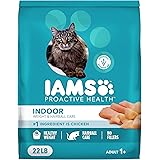
Now retrieving an image set.
IAMS Proactive Health Dry Cat Food, Indoor Weight and Hairball Care Cat Food Dry Recipe, with Real Chicken in Every Bite, 22 lb. Bag
$39.98 (as of April 11, 2026 21:40 GMT -05:00 - More infoProduct prices and availability are accurate as of the date/time indicated and are subject to change. Any price and availability information displayed on [relevant Amazon Site(s), as applicable] at the time of purchase will apply to the purchase of this product.)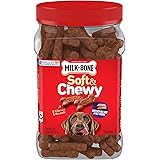
Now retrieving an image set.
Milk-Bone Soft & Chewy Dog Treats, Beef & Filet Mignon Recipe, 25 Ounce
$14.47 (as of April 11, 2026 21:40 GMT -05:00 - More infoProduct prices and availability are accurate as of the date/time indicated and are subject to change. Any price and availability information displayed on [relevant Amazon Site(s), as applicable] at the time of purchase will apply to the purchase of this product.)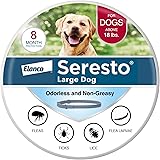
Now retrieving an image set.
Seresto Flea & Tick Collar For Dogs Over 18 lbs., Treatment & Prevention, Vet-Recommend, 8 Month Protection
$59.92 (as of April 11, 2026 21:40 GMT -05:00 - More infoProduct prices and availability are accurate as of the date/time indicated and are subject to change. Any price and availability information displayed on [relevant Amazon Site(s), as applicable] at the time of purchase will apply to the purchase of this product.)
Now retrieving an image set.