How to Trim Puppy Nails Safely
We all love that soft puppy belly and those little paws, but those paws come with nails that need trimming—carefully, thoroughly, and safely. How to Trim Puppy Nails Safely isn’t just about snapping off a few tips. It’s one of those early puppy care challenges that’ll either start your relationship on the right paw or set you both up for nail-related nightmares. Trust me, most people miss this completely. You might think it’s just about clipping, but it’s really about building trust, avoiding pain, and understanding what’s going on under the nail. Here’s what surprised me the most when I started trimming my pups’ nails—and why you’re about to become the hero in your puppy’s story.
Why Should You Trim Puppy Nails Regularly?
Trimming your puppy’s nails keeps them comfortable and prevents injuries—not just to them, but to you and your furniture, too. Overgrown nails can cause pain while walking, lead to awkward posture, and even result in torn nails that bleed. Regular trims also get your puppy used to being handled, which pays off at vet visits, grooming, and handling throughout life.
What’s the Safest Way to Trim Puppy Nails?
The safest way to trim puppy nails is to use sharp, dedicated dog nail clippers and only cut the very tip of each nail, staying well clear of the quick—the sensitive pink area inside the nail. If you see a black nail, trim tiny bits slowly and carefully. Always hold the paw firmly but gently, and give your pup breaks or treats. Calm surroundings help a lot.
Choosing the Right Tools for Puppy Nail Trimming
Here’s where things quietly go wrong: people using dull or inappropriate tools. Get a pair of quality nail clippers made specifically for dogs. Scissors, human nail clippers, or cheap trimmers just don’t cut it. I learned this the hard way after a painful slip led to a scared pup and a messy cleanup. Additionally, have a styptic pencil or cornstarch ready to stop any bleeding; accidents happen, and you want to be prepared without panic.
BarkBox - Monthly Dog Subscription Box
Get your puppy the best toys and treats delivered monthly! BarkBox offers premium dog toys, treats, and chews that are perfect for growing puppies. Each box is curated by experts and includes 2 toys, 2 bags of treats, and a chew.
Amazon Puppy Essentials
Everything you need for your new puppy in one place. From crates and beds to food bowls and training pads, Amazon has all the essentials at great prices with fast shipping.
How to Get Your Puppy Comfortable with Nail Trimming
This makes a bigger difference than you expect. Start slow—just touch their paws regularly without clipping. Offer treats when they let you hold or press the nails. You’re creating positive associations here. Once they tolerate that, introduce the clipper without cutting, letting them sniff and get used to it. It turns a nerve-wracking chore into a calm routine. It’s not always quick, but patience here saves a lot of stress down the road.
Setting Up an Efficient Puppy Nail Trimming Station
Organizing puppy supplies for grooming is a game changer. Keep clippers, files, treats, and distraction toys all in one compact storage spot. This not only reduces clutter but speeds up the entire process without frantic searches mid-trim. As puppies grow, your storage system can evolve—rotating the toys and supplies you keep handy, making your grooming sessions smoother. I like to stash mine where I can easily grab everything without pawing through piles—because surprise fidgety pups demand a quick setup.
What to Do if You Cut the Quick
A startled yelp happens even to the best of us. If you nick the quick, don’t panic. Use a styptic pencil or powdered cornstarch to stop the bleeding. Apply firm pressure for a few minutes. Keep your puppy calm by offering gentle soothing touches and treats. This event, while scary, is manageable and doesn’t have to wreck your bonding or your confidence. The trick is to remain calm—you’re the anchor your pup needs in this moment.
Maintaining Your Puppy’s Nail Health Over Time
Consistency is the secret sauce. Trim nails every couple of weeks—not just when they look long. This is easier to keep up if your nail trimming tools and treats are organized and easy to find. It saves time and stress for both you and your pup. Plus, tracking their nail growth links directly to their overall activity and health. If nails seem to grow rapidly or your pup resists trimming more than usual, it might signal something to check with your vet.
Health and Care: More Than Just Nails
Puppy nail care is just one piece of the puzzle. Managing health and care means systematizing everything—food storage, toys, grooming tools—in a way that adapts as your pup grows. The less clutter around, the less stressed everyone feels. Toy rotation, for example, keeps your puppy mentally stimulated and less likely to chew up the wrong things, including their paws.
Frequently Asked Questions
How often should I trim my puppy’s nails?
Generally, every 2 to 3 weeks is a good rule of thumb. Puppies with active lifestyles may wear their nails down naturally, but regular checks prevent overgrowth.
What if my puppy hates having their paws touched?
Start with short, gentle touch sessions during calm moments. Use treats and praise. Progress slowly to getting them used to nail clippers without cutting at first. Patience wins here.
Can I use human nail clippers on my puppy?
Human clippers aren’t designed for a dog’s nail shape or thickness and can cause splintering. Stick to dog-specific clippers for safest results.
Where’s a good place to store my puppy’s nail care supplies?
Keep grooming tools, treats, and nail care items in a designated, easy-to-reach puppy supply station. This cuts stress during grooming and keeps everything organized and clean.
How do I prevent my puppy from chewing their nails or paw pads?
Chewing can signal irritation or boredom. Check for allergies or injuries, but also rotate toys and increase playtime to reduce boredom-related chewing.
What if I accidentally hurt my puppy during nail trimming?
Stay calm, apply a styptic pencil or cornstarch to stop bleeding, and comfort your puppy with treats and gentle petting. Avoid rushing next time—build trust slowly.
Is it better to file or clip puppy nails?
Clipping is quicker but requires care not to hit the quick. Filing is slower but smoother for sensitive pups. Many owners use a combo—clip first, then smooth edges with a file.
Trimming your puppy’s nails safely isn’t about perfection—it’s a steady process of learning their limits, building their trust, and organizing your puppy care tools so you’re always ready to tackle the job calmly. Remember, every successful trim is a step toward your puppy growing into a confident dog who trusts you to care for them. Keep your tools sharp, your space organized, and your patience steady. You’ve got this.
Now retrieving an image set.
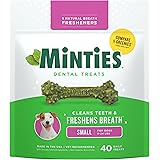
Minties Dog Dental Bone Treats, Tiny/Small Dental Dog Treats, 16 Ounces, Cleans Teeth, Fight Bad Breath, Removes Plaque and Tartar, 40 Count
$9.94 (as of April 9, 2026 21:39 GMT -05:00 - More infoProduct prices and availability are accurate as of the date/time indicated and are subject to change. Any price and availability information displayed on [relevant Amazon Site(s), as applicable] at the time of purchase will apply to the purchase of this product.)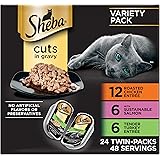
Now retrieving an image set.
Sheba Perfect Portions Wet Cat Food Cuts in Gravy, Cat Food Wet Recipe, Roasted Chicken Entree, with Sustainable Salmon, Tender Turkey Entree, 2.6 oz. Twin-Pack Trays (24 Count, 48 Servings)
$23.38 (as of April 9, 2026 21:39 GMT -05:00 - More infoProduct prices and availability are accurate as of the date/time indicated and are subject to change. Any price and availability information displayed on [relevant Amazon Site(s), as applicable] at the time of purchase will apply to the purchase of this product.)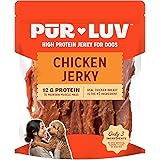
Now retrieving an image set.
Pur Luv Chicken Jerky Dog Treats, Made with 100% Real Chicken Breast, 16 Ounces, Healthy, Easily Digestible, Long-Lasting, High Protein, Satisfies Dog's Urge to Chew
$13.99 (as of April 9, 2026 21:39 GMT -05:00 - More infoProduct prices and availability are accurate as of the date/time indicated and are subject to change. Any price and availability information displayed on [relevant Amazon Site(s), as applicable] at the time of purchase will apply to the purchase of this product.)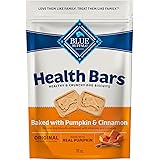
Now retrieving an image set.
Blue Buffalo Health Bars Crunchy Dog Biscuits, Oven-Baked with Natural Ingredients, Pumpkin & Cinnamon, 16-oz Bag
$4.98 (as of April 9, 2026 21:39 GMT -05:00 - More infoProduct prices and availability are accurate as of the date/time indicated and are subject to change. Any price and availability information displayed on [relevant Amazon Site(s), as applicable] at the time of purchase will apply to the purchase of this product.)
Now retrieving an image set.