Managing Puppy Stress in New Environments
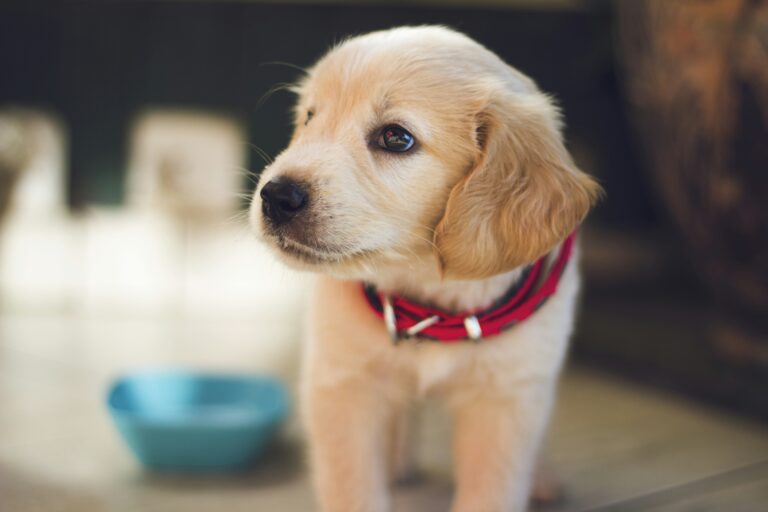
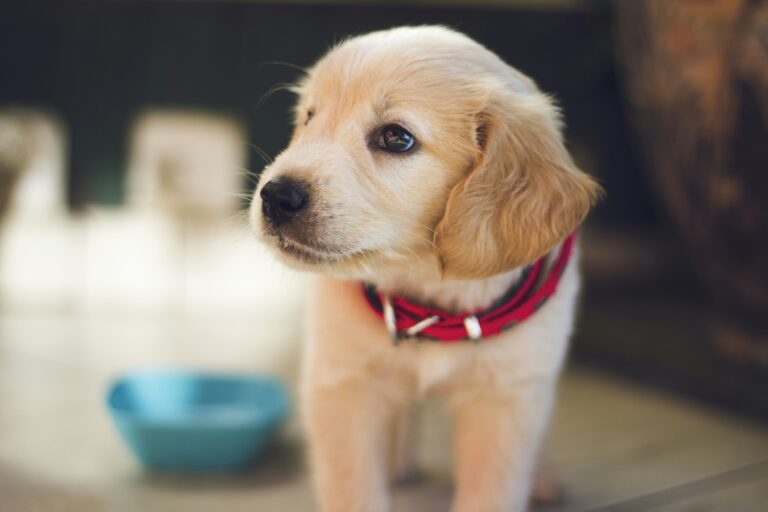
Bringing a puppy into a new environment unleashes a storm of emotions for both pups and owners. Suddenly, the world that was familiar—the cozy blanket, the usual patch of grass, that comforting nook—disappears. Managing puppy stress in new environments isn’t just a checkbox on your puppy care list; it’s a daily puzzle filled with surprises, frustrations, and breakthroughs. You know, those nights when your pup can’t seem to settle, or the trips outside where they freeze, ears pinned back? That’s real stress talking. Let’s dive into what really works, based on some hard-earned experience.
How can I tell if my puppy is stressed in a new environment?
Puppy stress signals are often subtle: tucked tail, yawning for no obvious reason, excessive licking, or sudden withdrawal. If your puppy suddenly avoids toys, refuses treats, or seems hyper-alert and unable to relax, they’re probably overwhelmed. This behavior usually fades once they feel safe but ignoring it only builds more anxiety.
What immediate steps reduce a puppy’s stress in a new place?
Start small and slow. Let your puppy explore a tiny, safe area before expanding their territory. Keep noises low, maintain a consistent feeding and potty schedule, and introduce familiar items like their favorite toy or blanket. These anchors create instant comfort amidst the chaos of change.
Creating Reliable Puppy Zones: Why It Matters
One of the biggest mistakes I see is overloading a puppy’s new space with unnecessary stuff right away. Piles of toys scattered everywhere, a cluttered feeding station, heaps of puppy gear straining to find a home—this all adds to their stress. Organizing puppy supplies into designated zones, like a quiet sleeping area, a play spot, and an eating corner, makes the environment instantly more manageable for your pup. It’s not just about keeping things tidy—it’s about giving your puppy recognizable spaces to retreat to when things feel overwhelming.
BarkBox - Monthly Dog Subscription Box
Get your puppy the best toys and treats delivered monthly! BarkBox offers premium dog toys, treats, and chews that are perfect for growing puppies. Each box is curated by experts and includes 2 toys, 2 bags of treats, and a chew.
Amazon Puppy Essentials
Everything you need for your new puppy in one place. From crates and beds to food bowls and training pads, Amazon has all the essentials at great prices with fast shipping.
Practical Toy Rotation for Mental Calm
I learned the hard way that toys can be double-edged swords. Too many toys at once often baffle a puppy more than help. Rotate toys every few days. This keeps the environment fresh without creating clutter or confusion. Toy rotation is surprisingly soothing. When puppies rediscover a toy they haven’t seen for a few days, it becomes a kind of mini adventure in a familiar setting—helping ease anxiety in unfamiliar spaces.
Food Storage and Feeding Routine: The Unsung Stress Modifiers
Feeding isn’t just about nourishment. It’s ritual. When dealing with new environments, maintaining a consistent feeding routine grounded by good food storage habits is crucial. Using airtight containers to keep kibble fresh and accessible makes mealtime smooth and predictable. Predictability feeds calm. Whenever I mess up and leave food scattered or inconsistency creeps in, stress follows quickly—even with the most laid-back pups.
Designing Storage Systems That Grow With Your Puppy
Early puppy days demand lots of gear—collars, leashes, grooming tools, supplements, and more. It’s a blessing to have storage systems designed to evolve with your puppy’s needs. Adjustable bins, labeled sections for different stages (puppy, adolescent, adult), and easily accessible storage help reduce household clutter while preventing stress spikes from chaos. When your puppy’s stuff is organized efficiently, both of you feel in control—especially when life shifts suddenly.
How does managing your puppy’s environment reduce their overall stress?
Stress builds on unpredictability and overstimulation. A carefully managed environment offers your puppy a series of comforting “constants”—familiar smells, sounds, and spaces. This consistency turns alien territory into something your pup can understand and trust, cutting down on fear and anxiety dramatically.
Tips For Transitioning Puppies Into New Spaces Smoothly
When moving a puppy into a new home or room, bring along a portable “comfort kit.” Include a blanket with their scent, a couple of favorite toys, a food bowl, and some treats. Spend time in the new space together but let your pup lead exploration at their own pace. Expect setbacks—like sudden barking or whining—which are normal signs of confusion, not bad behavior. Patience paired with consistent environmental organization wins out every time.
Storage plays a surprising role here too. Having everything—leash, treats, cleanup bags—within one well-organized tote means you’re ready to soothe and manage your pup anywhere, instantly. Situations feel less frantic, reducing stress for both pup and owner.
Frequently Asked Questions
Why does my puppy get more stressed when I bring too many toys?
Too many toys can overwhelm a puppy’s senses. Rotating toys instead of giving access to all at once helps them focus, reduces overstimulation, and keeps their playtime from turning chaotic.
How do I store puppy food so it stays fresh and stress-free?
Use airtight, opaque containers kept in a cool, dry place. This prevents spoilage, seals in aroma, and ensures feeding routines run smoothly—giving your pup a consistent experience.
What’s the best way to organize puppy supplies in small spaces?
Vertical storage and stackable bins work wonders. Label everything clearly and keep daily-use items within arm’s reach to avoid scrambling and stress.
How do I help my puppy feel safe when introducing them to a new room or house?
Bring familiar items like a blanket or a toy, create small, secure zones, and allow your puppy to explore on their own terms. Avoid rushing or forcing interactions.
Are there signs my puppy’s stress is more serious than normal adjustment jitters?
Persistent refusal to eat, aggressive behavior, or extreme withdrawal beyond a week need attention. For ongoing concerns, contacting a veterinarian or a certified behaviorist is the safest path.
How can organizing my puppy’s gear reduce my own stress?
When your space is ordered, you save time and avoid last-minute panics searching for essentials. This calm environment mirrors and reinforces your puppy’s sense of security.
Why does a consistent feeding schedule impact puppy stress?
Routine builds trust. Puppies thrive on predictability. Feeding at the same time each day signals safety and care, helping soothe nerves in unpredictable surroundings.
If you’re curious about more strategies that weave together care and organization smoothly, check out this Health and Care resource—it’s packed with lived-in advice that actually works.
Here’s what surprised me the most: managing puppy stress isn’t about eliminating every scary or new thing—it’s about creating reliable touchpoints in a sea of newness. Tidy spaces that grow with your puppy, smart food and toy systems, and, above all, patience. Trust me, pretty soon those first anxious whimpers become confident tail wags and happy exploration. You’re building more than just a pup’s comfort; you’re laying down the foundation for a lifetime of trust and calm. And that, believe me, makes all the difference.

Now retrieving an image set.
Fancy Feast Poultry and Beef Feast Classic Pate Collection Grain Free Wet Cat Food Variety Pack - (Pack of 30) 3 oz. Cans
$28.06 (as of April 9, 2026 21:39 GMT -05:00 - More infoProduct prices and availability are accurate as of the date/time indicated and are subject to change. Any price and availability information displayed on [relevant Amazon Site(s), as applicable] at the time of purchase will apply to the purchase of this product.)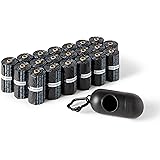
Now retrieving an image set.
Amazon Basics Dog Poop Leak Proof Bags with Dispenser and Leash Clip, Unscented, 13" x 9" Large Size, 300 Count
Now retrieving the price.
(as of April 9, 2026 21:39 GMT -05:00 - More infoProduct prices and availability are accurate as of the date/time indicated and are subject to change. Any price and availability information displayed on [relevant Amazon Site(s), as applicable] at the time of purchase will apply to the purchase of this product.)
Now retrieving an image set.
INABA Churu Cat Treats, Grain-Free, Lickable, Squeezable Creamy Purée Cat Treat/Topper with Vitamin E & Taurine, 0.5 Ounces Each Tube, 50 Tubes, Tuna & Chicken Variety
$32.99 (as of April 9, 2026 21:39 GMT -05:00 - More infoProduct prices and availability are accurate as of the date/time indicated and are subject to change. Any price and availability information displayed on [relevant Amazon Site(s), as applicable] at the time of purchase will apply to the purchase of this product.)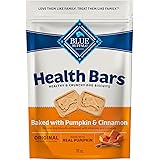
Now retrieving an image set.
Blue Buffalo Health Bars Crunchy Dog Biscuits, Oven-Baked with Natural Ingredients, Pumpkin & Cinnamon, 16-oz Bag
$4.98 (as of April 9, 2026 21:39 GMT -05:00 - More infoProduct prices and availability are accurate as of the date/time indicated and are subject to change. Any price and availability information displayed on [relevant Amazon Site(s), as applicable] at the time of purchase will apply to the purchase of this product.)
Now retrieving an image set.