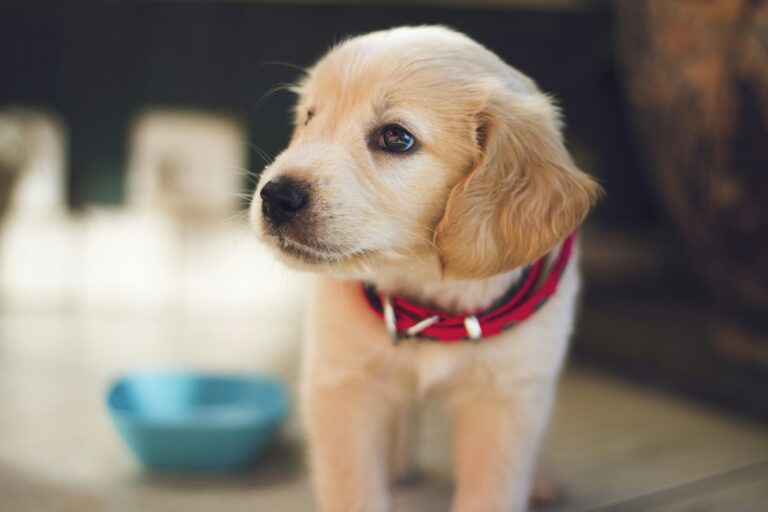
Managing Puppy Stress in New Environments
Watching a puppy step into a new place for the first time is equal parts heartwarming and… well, nerve-wracking. Managing puppy stress in new environments isn’t just a nice-to-have; it’s the secret behind turning a nervous wiggle into a wagging tail that knows home wherever you are. Puppies pick up on everything—the chaos of unpacking, unfamiliar noises, new smells—and if you’re not careful, the stress can take over fast. Here’s what surprised me when I first faced this head-on: puppies don’t just lose their minds over big shocks; little things pile up quietly and suddenly explode.
Why Does My Puppy Get So Stressed in New Places?
Puppies are wired to feel safe in familiar surroundings. New environments trigger a survival mechanism—they’re on high alert because everything is unknown and potentially dangerous. This natural stress response can cause everything from whining and pacing to refusal to eat or hide-and-seek with their crate. Stress isn’t just about discomfort; it affects their behavior and even health.
How Can I Help My Puppy Adjust Quickly and Calmly?
Introduce new environments slowly. Keep things calm by gradually exposing your puppy to new sights and sounds while providing a cozy, familiar space that smells like home—think favorite blanket or an unwashed toy. Positive reinforcement works wonders here. The goal is to make your puppy curious without overwhelming their senses.
Set Up a Puppy-Friendly Base Camp
The first mistake is treating your puppy like a visitor who has to figure things out on their own. What saved me was setting up a “base camp”—a dedicated area with all essentials organized in one spot. A smart storage system to keep toys, leashes, and food in order doesn’t just reduce clutter; it creates a safe zone your puppy can go back to whenever the world gets too loud. Remember, chaos around you equals chaos in your pup’s head.
BarkBox - Monthly Dog Subscription Box
Get your puppy the best toys and treats delivered monthly! BarkBox offers premium dog toys, treats, and chews that are perfect for growing puppies. Each box is curated by experts and includes 2 toys, 2 bags of treats, and a chew.
Amazon Puppy Essentials
Everything you need for your new puppy in one place. From crates and beds to food bowls and training pads, Amazon has all the essentials at great prices with fast shipping.
The Magic of Toy Rotation
Toys aren’t just playthings; they’re emotional anchors. But leave all toys out and your puppy can get overstimulated or bored. Rotation works better. Here’s the beauty: by storing a few favorites in an accessible bin and swapping them weekly, you keep everything fresh, reducing stress and destructive chewing. Organizing those toys isn’t just about neatness—it’s about giving your puppy manageable surprises that build confidence.
Food Storage Matters More Than You Think
Food is comfort—when it’s handy and fresh. Using airtight containers to store puppy food controls odors and keeps freshness locked in, which encourages eating even when stress knocks on the door. Plus, a tidy food storage station means less fumbling and spilled kibble, making mealtime smoother for everyone involved. This kind of efficient setup is one more way to make your puppy’s world less chaotic.
Build a Puppy Environment That Grows With Them
Here’s where things quietly go wrong: what works in week one falls apart by week six when your puppy’s energy, curiosity, and needs explode exponentially. Instead of scrambling, plan your storage and organization systems to be flexible. Adjustable crates, modular bins for treats and toys, and places to stash grooming supplies create a puppy “command center.” As your pup grows, their world expands, but the order you establish means less stress—for both of you.
How Does Organizing Puppy Supplies Reduce Stress?
Most people miss this completely. When you’re digging through clutter to find the right collar or treat, your puppy senses your tension. An organized space—the kind you find with practical storage systems—creates calm. Everything you need is at arm’s reach. Toy storage and leash hooks eliminate frantic searching, giving your puppy the reassurance that you’re in control and their needs are met promptly.
Frequently Asked Questions
My puppy refuses to explore the new home. How can I help?
Be patient and let them lead. Sit on the floor and encourage with treats and calm words. Set up a familiar base camp with their favorite items to give a sense of safety.
How do I store puppy food to keep it fresh?
Use airtight containers labeled by purchase date. Store in a cool, dry place away from sunlight to maintain freshness longer.
What’s a good way to keep puppy toys organized?
Try a toy rotation system using bins or baskets. Store out-of-use toys and swap them weekly to keep playtime exciting and reduce overwhelm.
How can I create a puppy-friendly space without overcrowding?
Focus on a designated area with only essentials: crate, toys, water bowl, and food storage. This sets clear boundaries and prevents sensory overload.
My puppy seems anxious when I’m busy. Any advice?
Set up enriching chew toys and safe zones with familiar scents nearby. Rotating toys also helps keep their mind engaged while you’re occupied.
Are there storage tips to manage growing puppy supplies?
Yes. Use adjustable shelving or modular bins that can expand. Keep grooming tools, medications, and training treats in labeled containers for easy access.
How does reducing clutter impact puppy stress?
Less clutter means fewer hidden hazards and less noise. An organized environment lets your puppy focus on you, not the mess, lowering anxiety.
Helping your puppy settle into new surroundings doesn’t have to be a puzzle. It’s about building calm with small, manageable systems—real organization, sensible toy rotation, and thoughtful food storage—all while creating an environment that grows with your furry friend. When the chaos fades, that’s when you both start enjoying every tail wag, every playful pounce, and every quiet cuddle.
For more on how to keep your pup healthy and organized, check out our Health and Care resources. You’ll find straightforward, real-world advice that fits into your life without extra stress.

Now retrieving an image set.
Blue Buffalo Life Protection Formula Adult Dry Dog Food, Helps Build and Maintain Strong Muscles, Made with Natural Ingredients, Chicken & Brown Rice Recipe, 30-lb. Bag
$67.98 (as of April 9, 2026 21:39 GMT -05:00 - More infoProduct prices and availability are accurate as of the date/time indicated and are subject to change. Any price and availability information displayed on [relevant Amazon Site(s), as applicable] at the time of purchase will apply to the purchase of this product.)
Now retrieving an image set.
Dr. Elsey's Ultra UnScented Clumping Clay Cat Litter 40 lb. Bag
$20.99 (as of April 9, 2026 21:39 GMT -05:00 - More infoProduct prices and availability are accurate as of the date/time indicated and are subject to change. Any price and availability information displayed on [relevant Amazon Site(s), as applicable] at the time of purchase will apply to the purchase of this product.)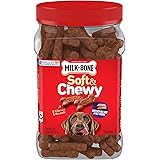
Now retrieving an image set.
Milk-Bone Soft & Chewy Dog Treats, Beef & Filet Mignon Recipe, 25 Ounce
$14.47 (as of April 9, 2026 21:39 GMT -05:00 - More infoProduct prices and availability are accurate as of the date/time indicated and are subject to change. Any price and availability information displayed on [relevant Amazon Site(s), as applicable] at the time of purchase will apply to the purchase of this product.)
Now retrieving an image set.
Good ‘n’ Fun Triple Flavor Kabobs Chews for All Dogs, 24 Ounces, Treat Your Dog to Long-Lasting Chews Made from Beef Hide, Real Chicken, Pork Hide, Duck and Chicken Liver
$15.98 (as of April 9, 2026 21:39 GMT -05:00 - More infoProduct prices and availability are accurate as of the date/time indicated and are subject to change. Any price and availability information displayed on [relevant Amazon Site(s), as applicable] at the time of purchase will apply to the purchase of this product.)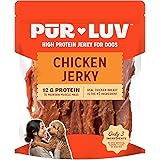
Now retrieving an image set.